Archery & Bowhunting · Gear type
Peep Sight
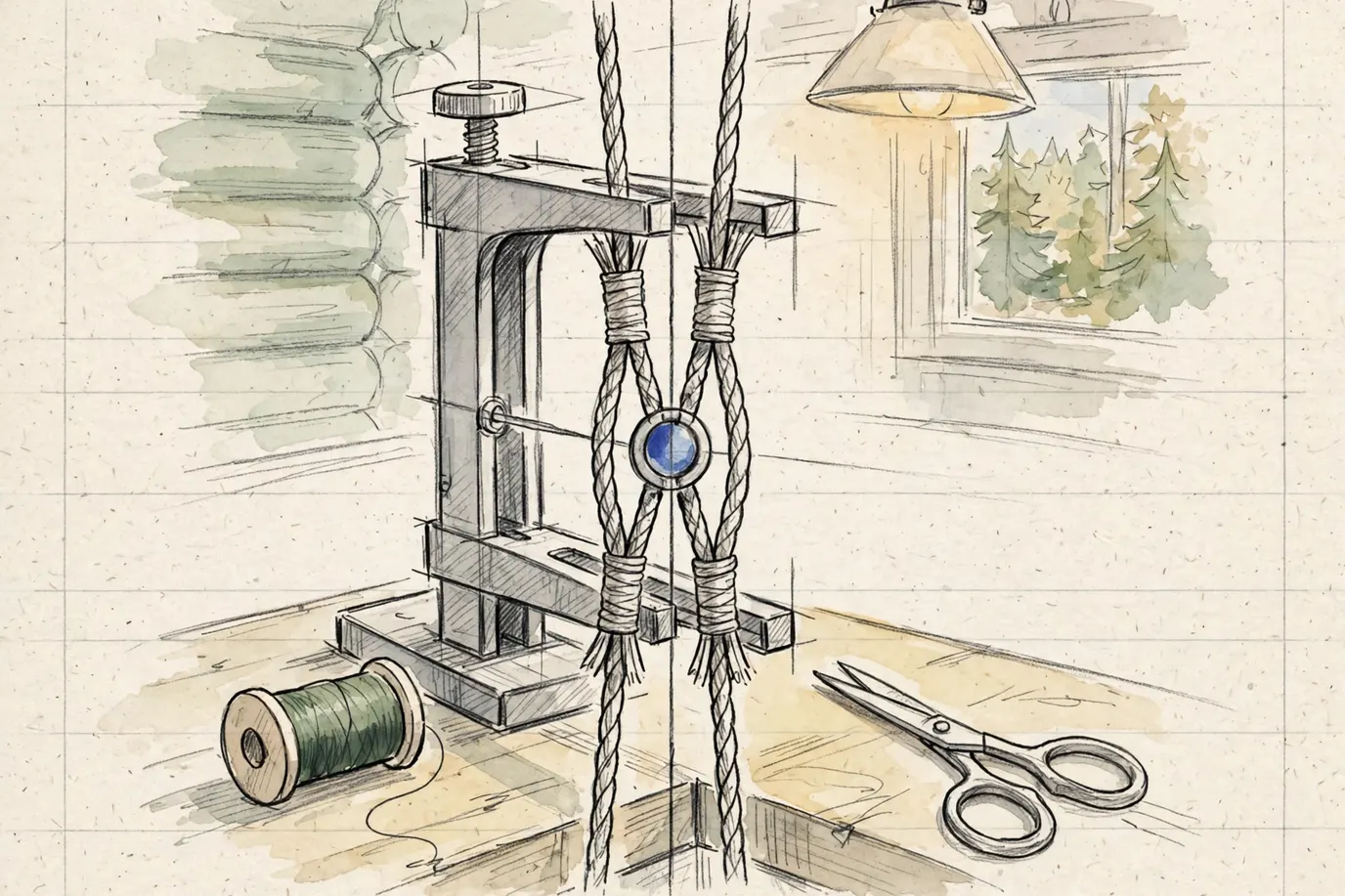
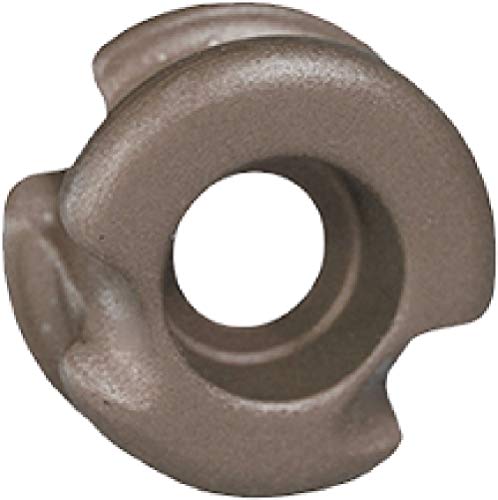
A peep sight is the small ring tied into a compound bow's string that you look through at full draw. It's the bow's rear sight: line it up with the sight housing and your eye lands in the same place every shot. The choices that matter are aperture size, whether it uses a tube, and a string angle that matches your bow. (Walt shoots without one and calls that character. I call it a spreadsheet column he hasn't filled in.)
We earn a commission if you buy through our links, at no cost to you. Disclosure
| Model | Weight | Aperture | Style | String angle | Material | Amazon |
|---|---|---|---|---|---|---|
Ameyxgs 37/45 Degree Hooded Peep SightPeep sight | — | 1/8, 3/32, 1/16, 3/64, 1/32listing | Hoodedlisting | 37listing | Aluminumlisting | Check price |
Ameyxgs Aluminum Peep Sight 4-PackPeep sight | — | 3/16listing | — | — | Aluminumlisting | Check price |
| — | — | Hoodedlisting | 37listing | Aluminumlisting | Check price | |
| — | 1/8, 3/32, 1/16, 3/64, 1/32listing | Hoodedlisting | 45listing | Aluminumlisting | Check price | |
Ameyxgs Aluminum Peep Sights 3-PackPeep sight | — | 3/16listing | — | — | Aluminumlisting | Check price |
Ameyxgs 3/16in Peep Sight 2-PackPeep sight | — | 3/16listing | — | — | — | Check price |
Ameyxgs Aluminum Peep SightPeep sight | — | — | — | — | Aluminumlisting | Check price |
Ameyxgs A5 String Peep Sight 37-DegreePeep sight | — | — | Tubelisting | 37listing | Plasticlisting | Check price |
Dead Ringer Peep Sights 1/8 inPeep sight | 10 grlisting | 1/8listing | — | — | Aluminumlisting | Check price |
Fletcher TRU PEEP 1/32"Peep sight | — | — | — | — | Aluminumlisting | Check price |
Fletcher TRU PEEP 1/4"Peep sight | — | 1/4listing | — | — | Aluminumlisting | Check price |
Fletcher TRU PEEP 3/16"Peep sight | — | 3/16listing | — | — | Aluminumlisting | Check price |
Hamskea 1/4-Inch Raptor PeepPeep sight | — | 1/4listing | — | 35, 40listing | Aluminumlisting | Check price |
Hamskea Insight Short Draw Peep PEEP000Peep sight | — | — | — | 52.5listing | — | Check price |
Hamskea 3/32 Raptor Peep HousingPeep sight | — | 3/32listing | — | — | — | Check price |
Hamskea 5/32 Raptor Peep HousingPeep sight | — | 5/32listing | — | — | — | Check price |
Hamskea 7/32 Raptor Peep HousingPeep sight | — | 7/32listing | — | — | — | Check price |
| — | — | — | — | Aluminumlisting | Check price | |
Hamskea DC Insight Standard Peep PEEP260Peep sight | — | 1/16 to 5/32 (7 sizes)listing | — | — | — | Check price |
Hamskea DC Insight Peep Housing 37.5/45Peep sight | — | 1/16 to 5/32 (7 sizes)listing | — | 37.5, 45listing | — | Check price |
| — | 1/16 to 5/32 (7 sizes)listing | — | — | — | Check price | |
| — | 1/16 to 5/32 (7 sizes)listing | — | 37.5, 45listing | — | Check price | |
Hamskea 35/40 FS Raptor Peep HousingPeep sight | — | — | — | 35, 40listing | — | Check price |
Hamskea FS Raptor Deluxe Peep SystemPeep sight | — | — | — | 35, 40listing | — | Check price |
| — | 1/8, 3/32, 1/16, 3/64, 1/32listing | Hoodedlisting | — | Aluminumlisting | Check price | |
October Mountain Products UltraViewPeep sight | — | 1/8listing | Tubelesslisting | — | — | Check price |
October Mountain Products Tri-ViewPeep sight | — | 1/8listing | — | — | Aluminumlisting | Check price |
October Mountain Products Tri-ViewPeep sight | — | 1/8listing | — | — | Aluminumlisting | Check price |
October Mountain Products Tri-ViewPeep sight | — | 1/8listing | — | — | Aluminumlisting | Check price |
October Mountain Products Tri-ViewPeep sight | — | 3/16listing | — | — | Aluminumlisting | Check price |
October Mountain Products Tri-ViewPeep sight | — | 1/4listing | — | — | Aluminumlisting | Check price |
October Mountain Products In-Line HunterPeep sight | — | 3/16listing | Tubelisting | — | — | Check price |
October Mountain Products RetnaPeep sight | — | 3/16listing | — | — | Aluminumlisting | Check price |
October Mountain Products RetnaPeep sight | — | 1/4listing | — | — | Aluminumlisting | Check price |
October Mountain Products RetnaPeep sight | — | 1/8listing | — | — | Aluminumlisting | Check price |
October Mountain Products RetnaPeep sight | — | 3/16listing | — | — | Aluminumlisting | Check price |
October Mountain Products RetnaPeep sight | — | 1/8listing | — | — | Aluminumlisting | Check price |
October Mountain Products RetnaPeep sight | — | 1/4listing | — | — | Aluminumlisting | Check price |
October Mountain Products Retna 12-PackPeep sight | — | 1/8listing | — | — | — | Check price |
October Mountain Products Retna 12-PackPeep sight | — | 1/4listing | — | — | — | Check price |


October Mountain Products Retna 12-PackPeep sight | — | 3/16listing | — | — | — | Check price |
|---|---|---|---|---|---|---|
October Mountain Products RetnaPeep sight | — | 1/8listing | — | — | Aluminumlisting | Check price |
October Mountain Products RetnaPeep sight | — | 3/16listing | — | — | Aluminumlisting | Check price |
October Mountain Products RetnaPeep sight | — | 1/4listing | — | — | Aluminumlisting | Check price |
Pine Ridge NitroPeep sight | — | 3/16listing | Self aligninglisting | — | Plasticlisting | Check price |
Pine Ridge NitroPeep sight | — | 1/4listing | — | — | Plasticlisting | Check price |
Pine Ridge FeatherPeep sight | — | 1/4listing | — | 38listing | Plasticlisting | Check price |
Pine Ridge FeatherPeep sight | — | 3/16listing | — | 38listing | Plasticlisting | Check price |
Pine Ridge NitroPeep sight | — | 1/4listing | — | — | Plasticlisting | Check price |
Pine Ridge Z-38Peep sight | — | 1/8listing | — | 38listing | Aluminumlisting | Check price |
Pine Ridge Z-38Peep sight | — | 1/4listing | — | 38listing | Aluminumlisting | Check price |
Pine Ridge Z-38Peep sight | — | 3/16listing | — | 38listing | Aluminumlisting | Check price |
Pine Ridge Z-38Peep sight | — | 3/16listing | — | 38listing | Aluminumlisting | Check price |
Pine Ridge Z-38Peep sight | — | 3/16listing | — | 38listing | Aluminumlisting | Check price |
Pine Ridge Z-38 25-PackPeep sight | — | 3/16listing | — | 38listing | Aluminumlisting | Check price |
Pine Ridge Z-38 25-PackPeep sight | — | 1/4listing | — | 38listing | Aluminumlisting | Check price |
Pine Ridge Z-38Peep sight | — | 7/32listing | — | 38listing | Aluminumlisting | Check price |
PSE Archery Element 13THPeep sight | — | 3/16listing | — | — | — | Check price |
Radical Archery Designs Maxim 38Peep sight | — | 3/16listing | Self aligninglisting | 38listing | — | Check price |
Radical Archery Designs Maxim 38Peep sight | — | 1/8listing | Self aligninglisting | 38listing | Polymerlisting | Check price |
| — | 3/16listing | Tubelisting | 38listing | — | Check price | |
Radical Archery Designs Double DeucePeep sight | — | — | — | — | Polymerlisting | Check price |
Radical Archery Designs Super Deuce 38Peep sight | — | 3/16listing | — | 38listing | — | Check price |
Radical Archery Designs Super Deuce 45Peep sight | — | 3/16listing | — | 45listing | — | Check price |
Radical Archery Designs Super Deuce 38Peep sight | — | 3/16listing | — | 38listing | — | Check price |
| — | — | — | — | — | Check price | |
Radical Archery Designs Super Deuce 38Peep sight | — | 1/4listing | — | 38listing | — | Check price |
| — | — | — | — | — | Check price | |
Radical Archery Designs Super Deuce 38Peep sight | — | 1/4listing | — | 38listing | — | Check price |
Radical Archery Designs Super Deuce 38Peep sight | — | 3/16listing | — | 38listing | Aluminumlisting | Check price |
Radical Archery Designs Super Deuce 38Peep sight | — | 1/4listing | — | 38listing | Aluminumlisting | Check price |
Radical Archery Designs Super Deuce 38Peep sight | — | 3/16listing | — | 38listing | — | Check price |
Radical Archery Designs P-35 PeepPeep sight | — | 1/4listing | — | — | — | Check price |
Radical Archery Designs P-35 PeepPeep sight | — | 3/16listing | — | — | — | Check price |
SAS Aluminum Peep Sight 2-PackPeep sight | — | 1/4listing | — | — | Aluminumlisting | Check price |
| — | — | — | 37listing | Aluminumlisting | Check price | |
Sharrow 45 Degree Hooded Peep KitPeep sight | — | 1/32, 3/64, 1/16, 3/32, 1/8listing | Hoodedlisting | 45listing | — | Check price |
Sharrow 45 Degree Hooded Peep SetPeep sight | — | — | Hoodedlisting | — | Aluminumlisting | Check price |
Sharrow 37/45 Degree Hooded Peep KitPeep sight | — | — | Hoodedlisting | 45listing | Aluminumlisting | Check price |
Sharrow 37/45 Degree Hooded PeepPeep sight | — | — | Hoodedlisting | 45listing | Aluminumlisting | Check price |
Sharrow 37/45 Degree Hooded PeepPeep sight | — | 1/16, 3/32, 1/8listing | Hoodedlisting | 45listing | Aluminumlisting | Check price |
| — | 1/8listing | Hoodedlisting | 37listing | — | Check price | |
Specialty Archery Hooded PeepPeep sight | — | 1/4listing | Hoodedlisting | 37listing | — | Check price |
Specialty Archery S&S Verifier PeepPeep sight | — | 1/8listing | — | — | — | Check price |
Specialty Archery Ultra Lite 37 DegreePeep sight | — | — | — | 37listing | — | Check price |
Specialty Archery Non-Hooded PeepPeep sight | — | 1/4listing | — | — | — | Check price |
Specialty Archery Podium PeepPeep sight | — | — | — | 37, 45listing | Aluminumlisting | Check price |
Specialty Archery Podium PeepPeep sight | — | — | — | 37, 45listing | Aluminumlisting | Check price |
Specialty Archery Podium PeepPeep sight | — | — | — | 37, 45listing | Aluminumlisting | Check price |
Specialty Archery Podium PeepPeep sight | — | — | — | — | — | Check price |
Specialty Archery PXL Hunter PeepPeep sight | — | — | — | — | — | Check price |
| — | 1/4, 3/16, 5/32listing | — | — | — | Check price | |
Specialty Archery PXS Target PeepPeep sight | — | — | — | — | — | Check price |
TRUGLO Centra Peep XtremePeep sight | — | 1/8listing | Tubelisting | — | — | Check price |




What’s in this listEvery peep sight we track on Amazon US — tube, tubeless, hooded and self-aligning. “—” means neither the maker nor the Amazon listing states it.
What a peep sight does on a compound bow
Bowhunting.com puts it in rifle terms: the peep aligns the bow's front sight the way a rear sight lines up a rifle's front bead. Without that second point, the front sight isn't guaranteed to be accurate. If your eye sits a little low behind the string, the arrow can miss high even with the pin right on the target.
Bowhunter's reference-points article calls the peep the most important reference you have, ahead of your anchor. Its reason: the peep locks the relationship between your line of sight and the arrow's path.
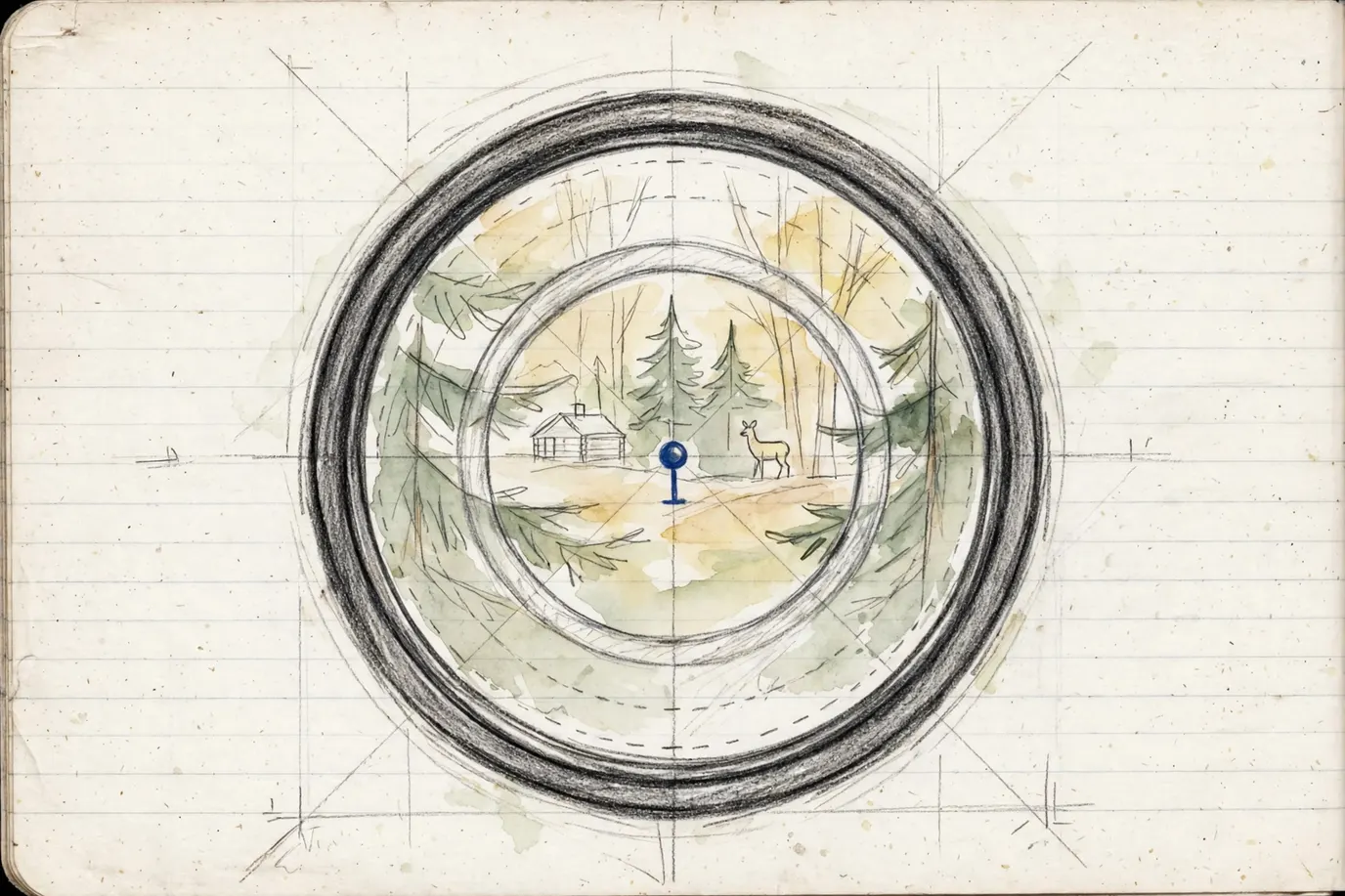
The goal at full draw is simple. Archery 360 says to center the sight housing inside the peep so you see two concentric circles, the peep on the outside. Small head movements change how the housing sits in the ring, which is exactly why the peep helps: it shows you when your head moved.
The table on this page lists every peep sight we track: tube, tubeless, hooded and self-aligning. It shows each peep's aperture, style, string angle, material and weight as the makers list them, with the Amazon listing filling most columns where a maker is silent (the table marks listing values). A dash means neither states it.
What to look at when you pick a peep sight for a bow
Here's what changes from one bow peep to the next, in the order I'd check it.
Aperture size: light and view against precision
The "Aperture" column is the inside diameter of the ring, in inches. Bowhunting.com says peeps run from 1/32 inch to 1/4 inch, and Bowhunter's author mentions models as large as 5/16 inch.
The trade is straightforward:
- Smaller rings: more precise. Bowhunting.com says target archers favor them.
- Larger rings: more field of view and better visibility in low light, which is why hunters lean bigger.
- Most common for bowhunters: 3/16 and 1/4 inch, per Bowhunting.com.
Bowhunter's author notes the cost of any peep: it reduces low-light visibility. Larger apertures reduce that drawback. That matters for deer, because the first and last minutes of legal light are when a lot of them move.
Bowhunting.com also says there's no exact formula linking peep size to sight-housing size. Your anchor, draw length and other factors change how far the peep sits from the housing. Some peeps take interchangeable inserts, so you can change the hole without retying anything. The size question gets its own page: peep sight size.
Quick math on why small sizes feel smaller than they look: 1/4 inch is 4/16, so a 1/4 is a third bigger across than a 3/16. That's a bigger jump in light than the fractions suggest, because the area of the hole grows faster than its width. (The difference between a 3/16 and a 1/4 is the difference between a garden hose and a slightly better garden hose. In the last ten minutes of light, you'll want the better hose.)
Tube or tubeless: who does the aligning
The "Style" column is where peeps differ most.
Tube peeps use a stretchy tube from the peep to the bow's cable. Bowhunting.com says the tube's tension pulls the peep into position at full draw, so it faces your eye the same way every time. One peep maker sells its tube kit with 16 inches of silicone tubing and a small aligner piece.
Tubeless peeps have nothing attached. Bowhunting.com says bowstrings have become stronger and more stable, so rotation has decreased and tubeless peeps have become more popular. No tube means no snap at release and nothing to break, but the string has to hold the peep straight on its own.
The downside of tubes is in the patent record. A US patent for a self-aligning design describes hollow tubing that breaks or slips and stretches, typically within a few months, and says bigger tubing costs arrow speed through drag. That's why some archers check the tube every time they pick up the bow. (I check mine before every sit. It's the same energy as checking that the stove is off. It's always off. I check anyway.)
Self-aligning peeps pivot into line at full draw
"Self-aligning" is a maker's description for a peep built to turn itself toward your eye when you draw. The patent above does it with a thin, solid tether to the cable instead of hollow tubing. When you draw, the tether tightens and pivots the peep in line with your eye, the front sight and the arrow. The patent says the thinner solid tether also creates less drag. Read each maker's description to see how its version aligns.
Hooded or open: glare and lenses
Hooded peeps have a short raised rim around the hole. One peep maker's FAQ says the hood reduces glare on lenses and shields them from dust and moisture, and it recommends a hooded peep if you'll use a lens.
Those lenses come in two kinds. That maker's product page says verifiers sharpen the sight pins, and clarifiers, used with a scope lens on the sight, sharpen the target face. Its FAQ says people in their early 40s can often start with its mildest verifier lenses, and that stronger lenses blur the target downrange. I'm 36. I've bookmarked the page anyway.
String angle has to match your bow
The "String angle" column is the angle of the grooves the string sits in, in degrees. At full draw the string isn't vertical; it bends at an angle set by your bow's geometry. If the peep's grooves don't match that angle, the hole tilts away from your eye.
Bowhunter's install guide says every bow has its own string angle at full draw, based on axle-to-axle length, cam design and brace height. One peep maker's chart picks the angle from your bow's axle-to-axle length and draw length, with brace height rounded to the nearest inch. Its worked example: a 36-inch axle-to-axle bow with a 7-inch brace height and a 27½-inch draw falls on the boundary, so either a 37- or 45-degree housing works.
That maker also notes its largest 1/4- and 5/16-inch housings come only at 37 degrees. Some peeps carry more than one groove angle on one housing. If neither the maker nor the listing states an angle, check its chart before you buy.
Material and weight: small numbers on a fast string
The "Material" and "Weight" columns describe the peep itself. Weight is in grains (437.5 grains to the ounce). One maker lists its hooded aluminum housing at 9.5 grains and its open version at 7.5 grains, with apertures adding about 2.5 grains. Those are tiny numbers, but they ride on the string. The same maker warns that high-powered bows vibrate enough to loosen inserts. It advises tightening apertures before each use and says a buzzing sound is a sign one has worked loose.
Set your peep height for the yards you shoot most
Archery 360 defines peep height as the distance from your string's nocking point to the peep. It suggests setting it for the distances you shoot most. Its example: an archer who shoots out to 60 yards but mostly at 20 or less might set the peep for about 40 yards, to keep alignment steady across that range.
To find the spot on the string, Bowhunter's install guide and Archery 360 describe the same test. Come to full draw with your eyes closed and settle into your anchor. Have a helper mark the string across from your eye. Archery 360 says a well-set peep lets you open your eyes and look straight through it without moving your head. Measurements from another bow are only a rough start, because string angles differ.
How to install a peep sight
Bowhunter's install guide lays out the job. You need a bow press, a marker, serving thread, scissors and a lighter.
- Press the bow. Compress the limbs until the string is relaxed.
- Split the string evenly. Most modern strings are two-colored. If yours isn't, count the strands and divide by two.
- Seat the peep. Sandwich it between the two bundles at your mark, string fibers in its grooves.
- Serve it in. Tie a small serving bundle just above and another just below, each about 3/8 to 1/2 inch thick.
- Shoot and check. Draw, look and see whether the hole faces your eye.
- Fix rotation in the press. One full twist of the string's end loop turns the peep about 1/8 turn; two twists, about 1/4 turn.
- Mark it. Trace the peep's outline on the string with a marker so you'll spot movement later.
The guide says the string should be mostly settled after about 30 shots, and to make all adjustments in the press, since nudging the peep by hand can damage the string. It also describes an extra wrap of serving around the peep as a fail-safe in case the bow is ever dry-fired. If you don't own a press, a pro shop can do this in an afternoon, and a new bow string is the usual time to do it.
How to aim without a peep sight
Plenty of archers aim with no peep at all. A traditional bow has no sights to line up with, so the anchor point does that job: the same spot on your face, every shot. It works fine at close range. I would not bet on it at 40 yards.
That's the honest picture. Recurves and longbows are normally shot off an anchor point with no rear sight. On a compound with sight pins, Bowhunter's author says a kisser button is a useful extra reference but not consistent enough to let serious archers drop the peep. He adds that if the tip of your nose touches the string, a kisser is unnecessary.
My one opinion on this page: on a compound with a pin sight, keep the peep and spend your effort on peep size, not on getting rid of it. The reason is the rifle comparison above. A front sight with no rear sight is half a sighting system, and the low-light cost of a peep shrinks as the aperture gets larger.
Who should skip a peep sight
Skip it if you shoot a traditional recurve or longbow off the shelf; those bows aren't set up for one. Skip shopping for one if your bow came with a peep that already sits at the right height, faces your eye and lets you center the housing. A new peep won't improve that.
Everyone else, check the sight first. The pins and housings you'll be centering are on the bow sight page.
Write the peep height and aperture in the logbook. Walt will ask what a peep is. Tell him it's a rear sight. He'll understand that one.
Brands in this list
Related
Questions people ask
How do you tie in a peep sight?
Put the bow in a bow press so the string relaxes. Split the string into two equal bundles at its natural divide, often marked by two colors, and seat the peep between them at your marked height. Then serve a small bundle of thread just above and below the peep so it can't slide. Bowhunter's guide suggests bundles about 3/8 to 1/2 inch thick.
Can you aim a compound bow without a peep sight?
You can, but you lose your rear sight. Without a peep, every shot depends on an anchor that's identical each time. Bowhunter's author calls a kisser button a useful extra reference but not consistent enough for serious archers to drop the peep. Recurves and longbows are normally shot without one, using anchor points instead.
What size peep sight is best for deer hunting?
Bowhunting.com says the most common bowhunter sizes are 3/16 inch and 1/4 inch, measured across the inside of the ring. Bigger rings let in more light and show more of the woods; smaller rings are more precise and favored by target archers. Pick the size that lets you center your sight housing comfortably at full draw. The peep-size guide goes deeper.
Why does my peep sight keep turning?
Usually the string is still settling or wasn't split evenly. Bowhunter notes that heat, cold and humidity can make a string twist, and that a well-made custom string can be shot in with as few as 30 shots. The fix is done in a bow press: add twist to the string at the end loop, about 1/8 turn of peep for each full twist.
What peep string angle do I need?
It depends on your bow's axle-to-axle length, draw length and brace height. One peep maker's chart lets you find your bow on those numbers and read off the angle. Its own example, a 36-inch bow with a 27½-inch draw and a 7-inch brace height, sits right on the line between 37 and 45 degrees, so either would work.
Sources
- Bowhunting.com: Peep sights — accessed 2026-10-22
- Bowhunter: How to correctly install a peep sight — accessed 2026-10-22
- Bowhunter: How to fix and prevent peep sight rotation — accessed 2026-10-22
- Bowhunter: Accurate reference points — accessed 2026-10-22
- Archery 360 (Archery Trade Association): Focus on the peep, form tips for beginners part 2 — accessed 2026-10-22
- Archery 360 (Archery Trade Association): Making sense of bow specs — accessed 2026-10-22
- Specialty Archery: Frequently asked questions (peep string angle, hoods, apertures) — accessed 2026-10-22
- Specialty Archery: 37 degree Pro Series hooded peep with alignment tubing — accessed 2026-10-22
- US Patent 6,860,021: Self-aligning peep sight system — accessed 2026-10-22