Fire & Lighting · Gear type
Fire Starter Sticks
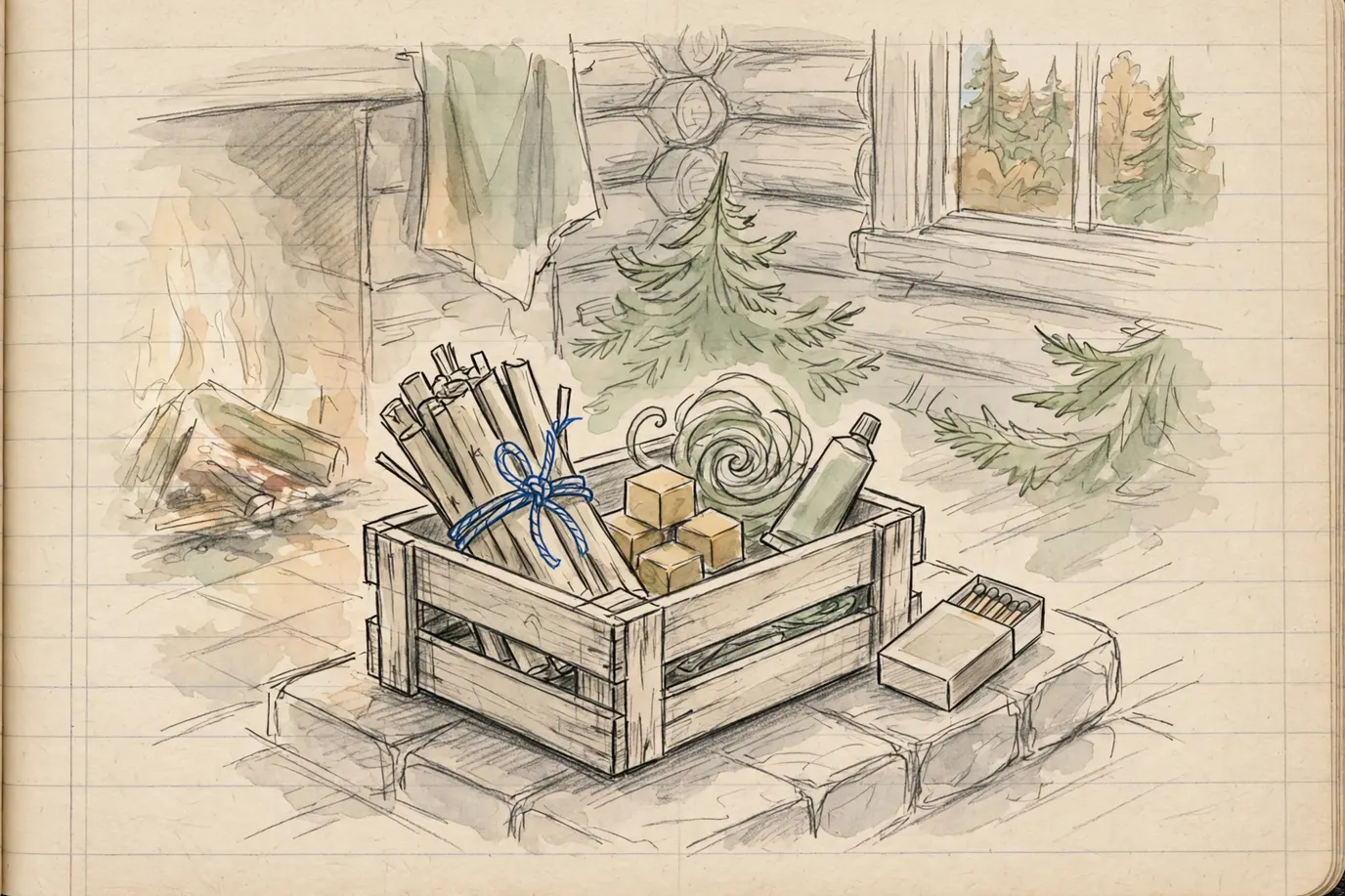
Fire starter sticks are the fuel that sits under your kindling and burns long enough for the wood to catch. A spark or a match is the start; the stick is the bridge. The main choice is what it's made of: wax and wood fiber, resin-rich fatwood, wood wool, gel or a strikeable stick. Then match it to where you're lighting, because a woodstove, a campfire and a charcoal grill ask for different things. (I carry more of these than the fire needs. The fire has never complained.)
We earn a commission if you buy through our links, at no cost to you. Disclosure
| Model | Type | Count | Net weight | Burn time per piece | Amazon |
|---|---|---|---|---|---|
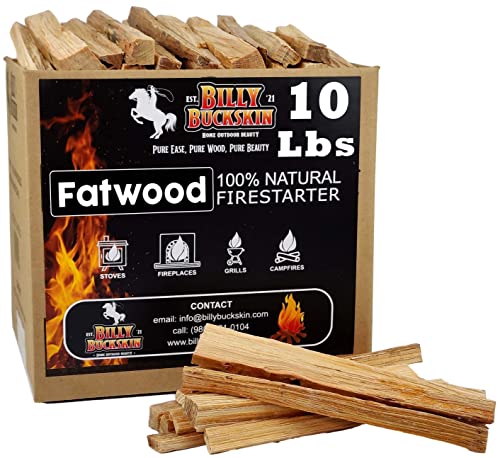
Billy Buckskin Home Beauty Fatwood Fire Starter SticksTinder More specs
| Fatwoodlisting | — | 10 lblisting | — | Check price |
Billy Buckskin Home Beauty Burlap Bag Fatwood Fire Starter SticksTinder More specs
| Fatwoodlisting | — | 8 lblisting | — | Check price |
| Fatwoodlisting | — | 10 lblisting | — | Check price | |
Easygo Products Eco-Stix Fatwood 10 lbTinder More specs
| Fatwoodlisting | — | 10 lblisting | — | Check price |
Easygo Products Eco-Stix Fatwood 120 SticksTinder More specs
| Fatwoodlisting | — | 10 lblisting | — | Check price |
Inflame Fire Starters 24 pcsTinder More specs
| Wax + wood fiber cubes/stickslisting | 24listing | — | 12 minlisting | Check price |
Inflame Fire Starters Set 154 pcsTinder More specs
| Wax + wood fiber cubes/stickslisting | 154listing | — | — | Check price |
Inflame Fire Starters Set 200 pcsTinder More specs
| Wax + wood fiber cubes/stickslisting | 200listing | — | — | Check price |
Inflame Fire Starters Set 94 pcsTinder More specs
| Wax + wood fiber cubes/stickslisting | 94listing | — | — | Check price |
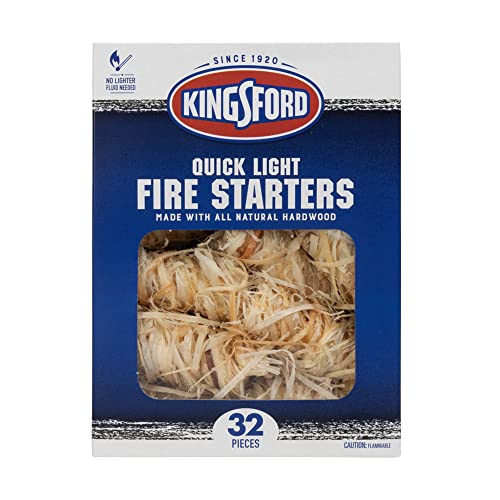
Kingsford Quick Light Fire StartersTinder More specs
| Wax + wood fiber cubes/stickslisting | 16listing | — | 10 minlisting | Check price |
Kingsford Quick Light Fire Starter RollsTinder More specs
| Wax + wood fiber cubes/stickslisting | 32listing | — | — | Check price |
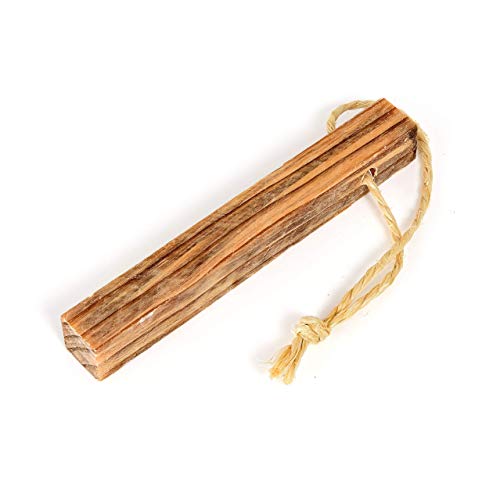
Light My Fire Kindling Wood Tinder-on-a-RopeTinder More specs
| Fatwoodlisting | — | 0.11 lblisting | — | Check price |
| Wax + wood fiber cubes/stickslisting | 144listing | — | 10 minlisting | Check price | |
Midwest Hearth Cedar Fire StartersTinder More specs
| Wax + wood fiber cubes/stickslisting | 36listing | — | — | Check price |
Superior Trading Co. Fire Starter Pods 30 Extra LargeTinder More specs
| Wax + wood fiber cubes/stickslisting | 30listing | 3.2 lblisting | — | Check price |
Superior Trading Co. Fire Starter Pods 50 Extra LargeTinder More specs
| Wax + wood fiber cubes/stickslisting | 50listing | 3 lblisting | — | Check price |
| Wax + wood fiber cubes/stickslisting | 1listing | — | 50 minlisting | Check price | |
Zippo Tinder ShredsTinder More specs
| Wood woollisting | 15listing | — | 8 minlisting | Check price |
| — | 1listing | — | — | Check price | |
| — | 5listing | — | — | Check price | |
| — | 20listing | — | — | Check price | |
| — | 50listing | — | — | Check price | |
| — | 10listing | — | — | Check price | |
| — | 12listing | — | — | Check price | |
Coghlan's Fire LighterTinder | — | 20listing | — | 5 minlisting | Check price |
| — | 12listing | — | — | Check price | |
| — | 12listing | — | — | Check price | |
| — | 12listing | — | — | Check price | |
Exotac TinderZIPTinder | — | — | — | 1 minlisting | Check price |
Exotac quickLIGHT TinderTinder | — | 12listing | — | 2 minlisting | Check price |
Inflame Kindling Wood 9 lbsTinder More specs
| — | — | 9 lblisting | — | Check price |
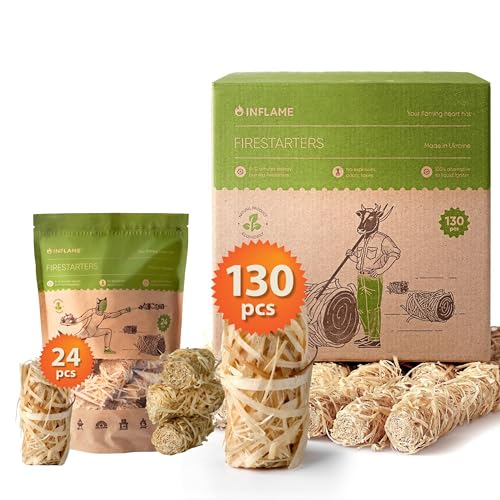
Inflame Fire Starters Set Kindling and 130 pcsTinder More specs
| — | — | 9 lblisting | — | Check price |
Inflame Fire Starters Set Kindling and 24 pcsTinder More specs
| — | — | 9 lblisting | — | Check price |
| — | — | — | — | Check price | |
| — | — | — | — | Check price | |
| — | 3listing | — | 60 minlisting | Check price | |
| — | — | — | — | Check price | |
| — | 20listing | — | 7 minlisting | Check price | |
| — | — | — | — | Check price | |
| — | — | — | — | Check price |








| — | — | — | — | Check price | |
| — | 4listing | — | — | Check price |


What’s in this listFire starter sticks, cubes, fatwood and other tinder we track on Amazon US. Matches are on their own page. “—” means neither the maker nor the Amazon listing states it.
What fire starter sticks are, and what they aren't
A fire starter stick doesn't make the spark. A lighter, a match or a ferro rod does that. The stick is what catches that small flame and keeps it going for minutes instead of seconds, long enough to light kindling.
That's why this page is separate from the main fire starters page, which covers the tools that make the spark. Here it's all about the fuel in the middle: the fire starter tinder, cubes and sticks you light first.
The table on this page lists fire starter sticks, cubes, fatwood and other tinder we track. It shows the type, the piece count, the net weight, the burn time per piece, whether the maker says it's waterproof or stormproof, whether it's natural with no petroleum, and what it's for. The maker's figures come first and the Amazon listing's fill gaps (marked as listing values), except that waterproof is the maker's claim only. A dash means neither states it. Matches have their own page, waterproof matches.
What to look at in fire starter sticks
The columns, in the order I'd read them.
Type: what's actually burning
The Type column is the first thing to read, because it tells you how the starter behaves.
- Wax and wood fiber cubes or sticks: sawdust or wood chips bound with wax
- Fatwood: split pine heartwood full of natural resin
- Wood wool: thin shavings of wood rolled and coated in wax
- Granules: loose fire starter you pour or sprinkle
- Gel or paste: a thick fuel you squeeze onto the wood
Each one has its own section below. The short version: cubes and sticks are the easy all-rounders, fatwood is the purist's choice, wood wool lights fast and burns clean, and gel is a fireplace and fire pit product that asks for more care.
Burn time per piece is the bridge
Burn time is how long one piece keeps a flame going, as the maker or the listing states it. That's the time you have for kindling to catch. Makers rate their own products, so here's the range on the pages I read:
- One pine and wax nugget: up to 15 minutes, with an 8-inch flame
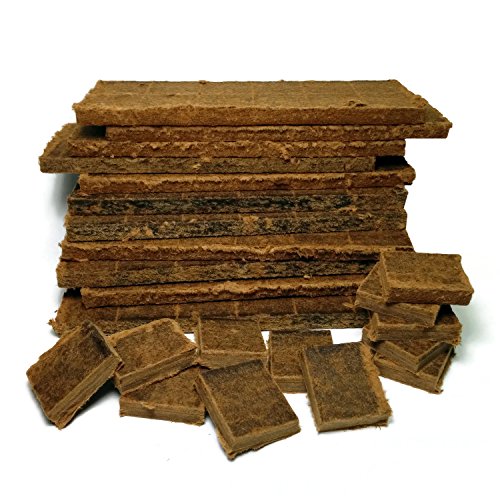
- One wax and wood-chip square: up to 10 minutes
- One wood wool firelighter: up to 10 minutes of strong flame
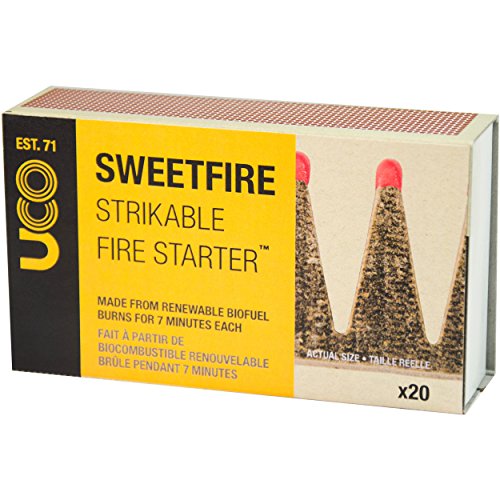
- One strikeable sugarcane stick: up to 7 minutes
Longer helps with damp kindling and bigger wood. Shorter is fine for a dry fireplace with split kindling. The table shows burn time only when the maker or the listing states it, and fewer do than you'd think.
Jess's take: "Burn time is how long the starter lasts, not how long your fire takes." She has a spreadsheet tab for it. Of course she does.
Count and net weight: how many fires in the box
The Count column is the number of pieces in the package as the maker or the listing states it. Net weight shows up instead for products sold by the pound, mostly fatwood. A heavy box of fatwood is a season of fireplace mornings; a pack of individually wrapped sticks is a season of trips in a hunting pack.
Some starters break apart. One maker's directions say to break off one or two squares per fire, so check whether the count means whole bars or single pieces.
Waterproof or stormproof is a maker claim
The Waterproof / stormproof column says yes only when the maker claims it. One maker says its wax and wood squares light even when wet. A fatwood maker calls its sticks water-resistant and says they light easily in damp or windy weather. Outdoor Life explains why: the resin in fatwood makes it almost waterproof and very flammable.
Here's the catch. A waterproof starter still has to light the wood above it. If the kindling is soaked, a starter only buys time. Split your wood to find the dry middle and build small.
Natural, no petroleum
The Natural column marks starters the maker says are free of petroleum. On the pages I read, natural starters are made from things like pine wood with food-grade wax, resin-rich pine heartwood with no additives, wood wool with a thin coat of natural wax, or sugarcane fiber with vegetable wax.
It matters most for cooking. One wood wool maker says its firelighters contain no kerosene and are odorless, so you can cook over the fire from the start. If you light a smoker or a grill, natural is worth a look. The column only says yes when the maker says so, never by guess.
What it's for: campfire, stove, grill or smoker
The For column lists the uses the maker names: campfire, fireplace or wood stove, charcoal grill, fire pit and smoker. Some products name all of them; some name one. Read it, because a starter made for a fireplace grate may not be the one you want in a charcoal chimney under a brisket.
Weber's chimney starter guide uses two lighter cubes on the charcoal grate under the chimney, lit through the holes in the bottom. The coals are ready in about 15 minutes, depending on weather, when the top ones start to turn gray with ash.
Fire starter cubes, fatwood and the rest: which to choose
Wax and wood fire starter cubes for most people
This is the default. Wax binds sawdust or wood chips into a cube, a nugget or a square. One maker uses pine wood and food-grade wax; another uses recycled wood chips, paper fiber and wax. Directions are simple: place one or two under the wood and light an edge. One maker says to put its nugget round side down and light the flat top edge.
They're easy to pack and hard to get wrong. That's the whole pitch.
Fatwood for the fireplace and the purists
Fatwood is pine heartwood soaked with resin. Outdoor Life says it forms when a dead pine stump's resin concentrates in the core, which becomes hard and resists rot, and it smells strongly of turpentine. One maker harvests it from stumps and sells it as split sticks: stack two or three in a crisscross, add wood and light the ends.
You can also shave it. Outdoor Life notes that fatwood shavings catch best from an open flame, not sparks. The fatwood page goes deeper.
Wood wool for quick, clean lighting
Wood wool is thin wood shavings, rolled into a nest and coated with wax. One maker says to build a crisscross tower of kindling with a hollow middle, stand a firelighter upright inside and light it. The same maker says it has no added chemicals or kerosene and no odor, and pitches it for grills and pizza ovens as well as fireplaces.
Gel fire starter for fireplaces and fire pits
A gel fire starter is a thick fuel in a squeeze bottle. One maker sells its gel for fireplaces, wood stoves, pellet stoves, fire pits, chimeneas and ceramic grills. Its directions: wear protective gloves and eyewear, squeeze the gel onto the wood, put more wood over it, then light.
Gel is handy at home. It's the one starter I wouldn't carry in a hunting pack, because it's a liquid you have to handle with care.
Strikeable sticks: the match and the starter in one
A strikeable stick lights itself off the box, like a match, then burns like a starter. One maker's version is sugarcane fiber and vegetable wax, rated up to 7 minutes and said to burn in wind or damp. The maker also says its striker needs to dry before it works again if the box gets wet, so pack it in a zip bag.
How to make a fire starter at home
Plenty of people make their own, and it's a good rainy-afternoon project. The classic is the egg carton starter.
- Fill each cup of a cardboard egg carton with sawdust, dryer lint or both.
- Melt candle stubs or paraffin in a clean can set in a pot of water, a double boiler.
- Pour a layer of wax over each cup once it's melted.
- Let it cool, then cut the carton into twelve starters.
Mother Earth News, which describes this method, says one egg burns for upwards of five minutes. Montana State University Extension's kit lists also include cotton balls with petroleum jelly, a simpler starter that packs in a small tin.
Safety for the wax part is not optional. Mother Earth News warns that wax vapor is extremely flammable. Melt it over an electric burner, not an open gas flame, and always in a double boiler so the wax never touches the heat directly. Lift the hot can with pliers or pot lifters.
(Renee let me do this in her kitchen exactly once. The pot is now "the wax pot" and lives in the garage.)
Using fire starter sticks at a campfire
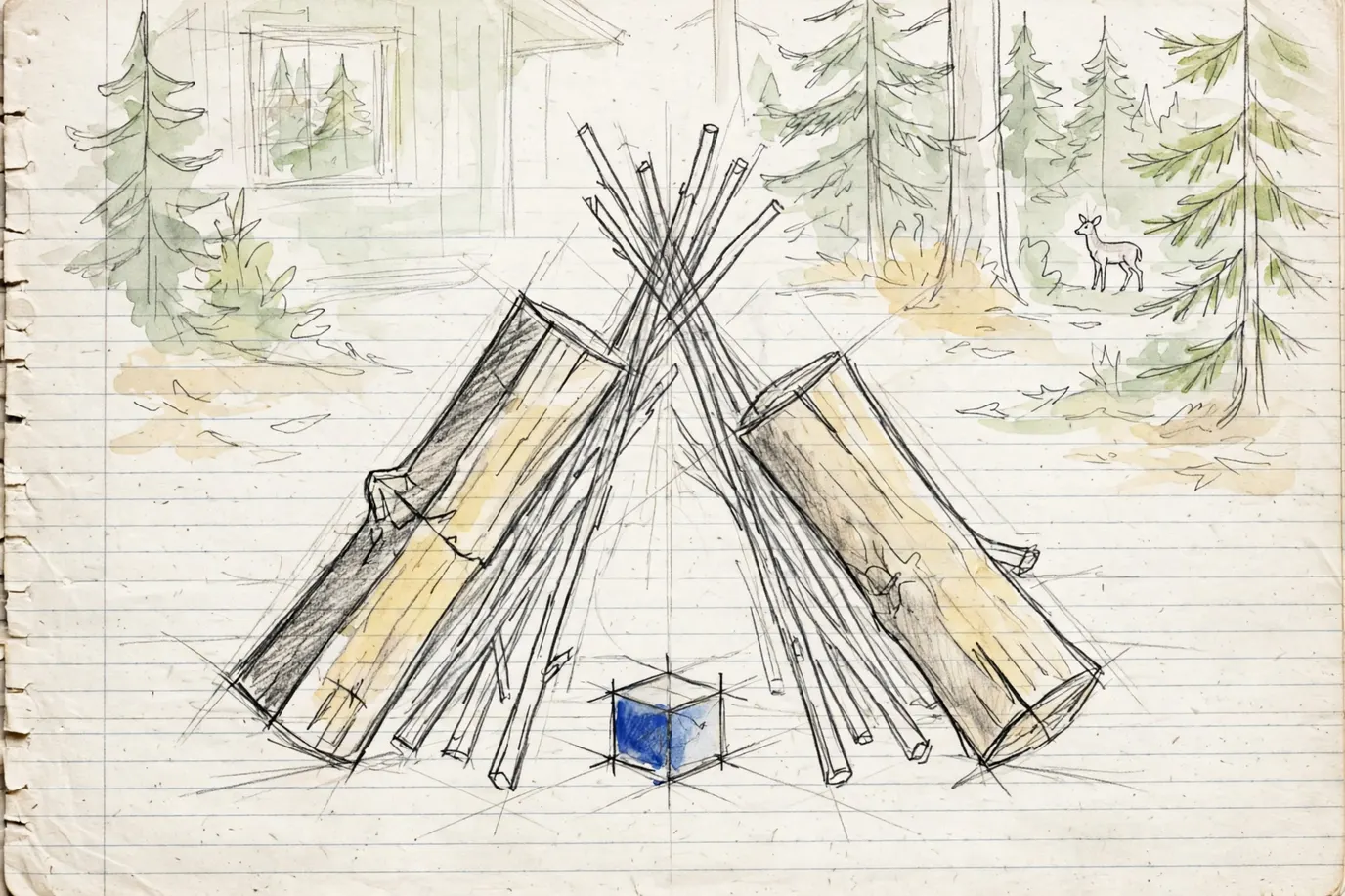
Put the starter at the bottom, in the middle. Build small kindling over it with gaps for air, and keep bigger wood within reach. Light the starter, not the kindling, and don't add big wood until the small stuff is burning well.
My one opinion on this page: at a campfire, a solid fire starter beats any liquid. The reason is Smokey Bear's campfire guide, which says to light with a match or lighter and never use flammable liquids. A stick or a cube does that job without the risk.
Fire starter safety
Treat every fire starter like the fuel it is. Store it dry, away from heat and out of reach of children.
Never add gel, or any starter, to a fire that's already burning. The CPSC recalled pourable gel fuel for fire pots after it ignited unexpectedly and splattered onto people when added to a burning pot, with deaths and serious burns reported.
Keep campfires small. Smokey Bear's guide says to drown the fire with water until the hissing stops, stir it, drown it again and feel for heat with the back of your hand before you leave. If it's too hot to touch, it's too hot to leave.
Whether you can have a fire at all depends on the place and the week, since burn bans come and go. Your state wildlife agency or the landowner will know.
Who should skip fire starter sticks
If you already carry a ferro rod with a good tinder kit and you enjoy the craft, you may not need a box of cubes. If your only fire is a gas grill, skip the lot. And if your cabin fire starts every morning from yesterday's coals, you've already got the best fire starter there is.
For everyone else, a few sticks in the pack and a box by the woodstove is small insurance against a cold, smoky hour. Light the starter, feed it small, and let the wood do the rest.
Brands in this list
Related
Questions people ask
How do you make a fire starter at home?
A common method is the egg carton starter. Mother Earth News describes filling each cup of a cardboard egg carton with sawdust or dryer lint, pouring melted candle wax over it, then cutting the cups apart once cool. Melt the wax in a double boiler on an electric burner, never over an open flame, because wax vapor is extremely flammable.
What is the best natural fire starter?
Look at what the maker says it's made of. Fatwood is resin-rich pine heartwood with no additives, per one maker. Other natural starters blend pine wood with food-grade wax, or wood wool with a thin coat of natural wax. The table's Natural column only says yes when the maker states it.
How long do fire starter cubes burn?
Makers rate burn time per piece. One pine-and-wax starter is rated up to 15 minutes, one wax and wood-chip square up to 10 minutes, and one strikeable sugarcane stick up to 7 minutes. Those are maker claims under good conditions. Damp wood needs the longer end.
Is gel fire starter safe?
Used as directed, on cold wood before lighting. One gel maker says to wear gloves and eye protection, squeeze it onto the wood, cover it with more wood, then light. Never add gel to a fire that's already burning: the CPSC recalled pourable gel fuel for fire pots after flash fires and burns when people added it to burning pots.
Do fire starter sticks work when wet?
Some makers say so. One maker says its wax and wood squares light even when wet, and a fatwood maker calls its sticks water-resistant. The table's Waterproof column only says yes when the maker claims it. The kindling above the stick still has to be dry enough to catch.
Sources
- Lightning Nuggets: Fire starters — accessed 2026-10-22
- Rutland: Safe Lite fire starter squares — accessed 2026-10-22
- Rutland: One Match fire starter gel — accessed 2026-10-22
- Duraflame: Fatwood natural wood firestarters — accessed 2026-10-22
- Outdoor Life: Survival skills, using fatwood to start a fire — accessed 2026-10-22
- Lekto Wood Fuels: Natural wood wool firelighters — accessed 2026-10-22
- UCO Gear: Sweetfire strikeable fire starter — accessed 2026-10-22
- Weber: Chimney starter 101 — accessed 2026-10-22
- Mother Earth News: Homemade fire-starting egg carton kindling — accessed 2026-10-22
- Montana State University Extension: Supply lists for fire starting kits — accessed 2026-10-22
- U.S. Consumer Product Safety Commission: Recall of pourable gel fuel due to burn and flash fire hazards — accessed 2026-10-22
- Smokey Bear (USDA Forest Service): How to maintain and extinguish your campfire — accessed 2026-10-22