Archery & Bowhunting · Gear type
Bow Release
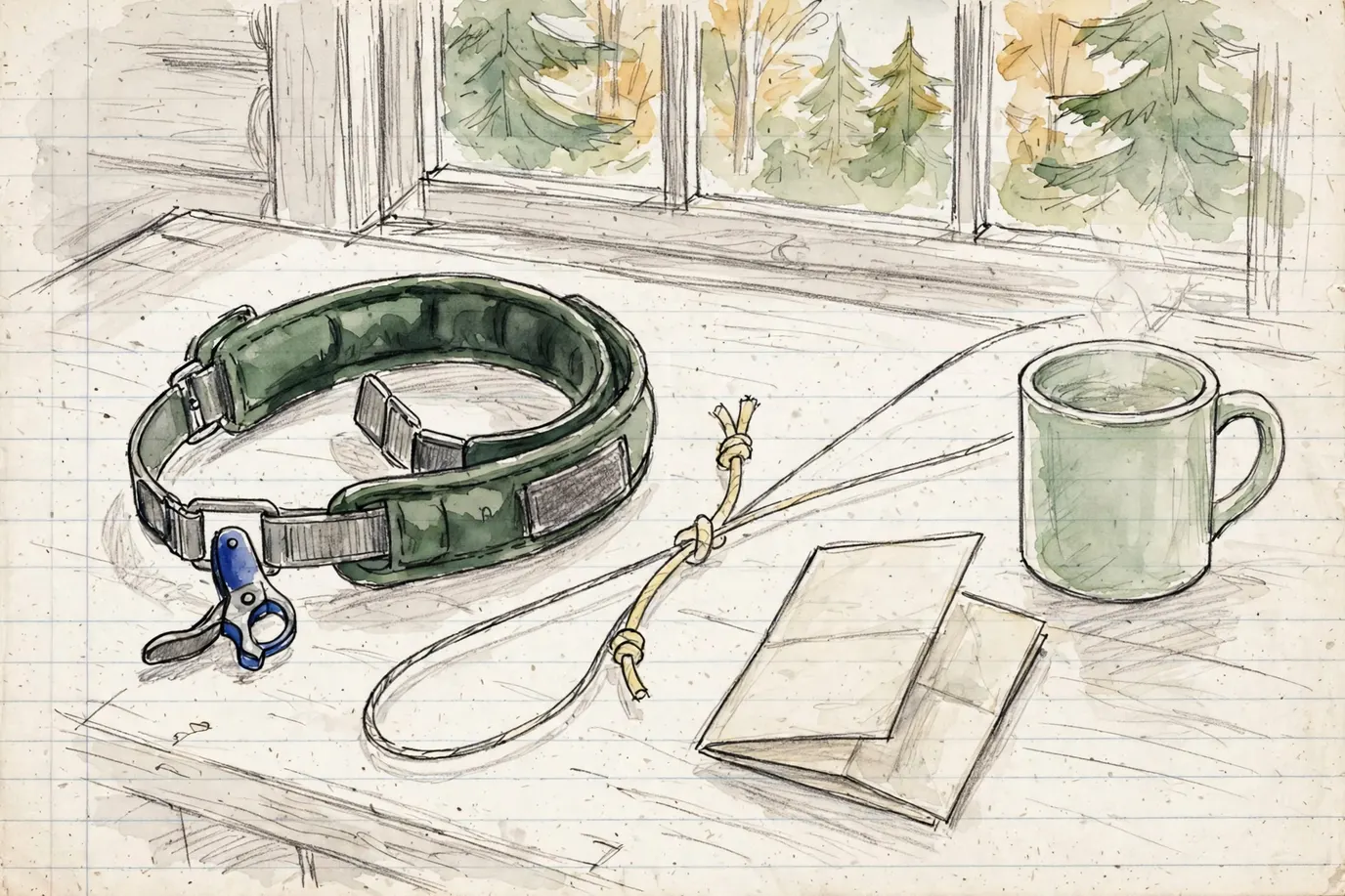
A bow release is a small mechanical trigger that holds a compound bow's string, or the D-loop tied to it, and lets go when you fire it. It replaces your fingers on the string, so the shot breaks the same way every time. The big choice is how it fires: an index-finger trigger on a wrist strap, a thumb button, a hinge you rotate, or a resistance release that fires on pull. Pick that first, then jaws, trigger settings and fit. (Choosing one takes an afternoon. Learning not to flinch at it takes a season.)
We earn a commission if you buy through our links, at no cost to you. Disclosure
| Model | Hand | Type | Jaw / hook | Adjustable trigger | Fingers | Amazon |
|---|---|---|---|---|---|---|
Ameyxgs 3 Finger Thumb Release AidBow release | — | Handheld thumblisting | — | — | 3listing | Check price |
Ameyxgs 3 or 4 Finger Automatic Release AidBow release | Ambidextrouslisting | Handheld thumblisting | — | — | 3/4listing | Check price |
Ameyxgs 4 Finger Caliper Release AidBow release | — | Handheld thumblisting | — | Yeslisting | 4listing | Check price |
Ameyxgs Wrist Strap Release AidBow release More specs
| — | Wrist strap indexlisting | — | — | — | Check price |
| Ambidextrouslisting | Handheld thumblisting | — | — | 3/4listing | Check price | |
Ameyxgs Thumb Trigger 3 Finger ReleaseBow release | — | Handheld thumblisting | — | — | 3listing | Check price |
Ameyxgs 3 Finger Thumb Release GripBow release | — | Handheld thumblisting | — | — | 3listing | Check price |
Ameyxgs 3/4 Finger Thumb Trigger ReleaseBow release | — | Handheld thumblisting | — | — | 3listing | Check price |
Ameyxgs 3 or 4 Finger Thumb Trigger ReleaseBow release | Ambidextrouslisting | Handheld thumblisting | — | — | 3/4listing | Check price |
Ameyxgs 3 Finger Aluminum Release AidBow release | Ambidextrouslisting | Handheld thumblisting | — | — | 3listing | Check price |
Ameyxgs Youth Wrist ReleaseBow release More specs
| Ambidextrouslisting | Wrist strap indexlisting | — | — | — | Check price |
Ameyxgs Adjustable Wrist Strap ReleaseBow release More specs
| Ambidextrouslisting | Wrist strap indexlisting | — | — | — | Check price |
Ameyxgs 4-Finger Thumb Grip ReleaseBow release | Ambidextrouslisting | Handheld thumblisting | — | Yeslisting | 4listing | Check price |
Ameyxgs 360 Rotate Wrist Release AidBow release More specs
| Ambidextrouslisting | Wrist strap indexlisting | — | — | — | Check price |
Ameyxgs 360 Rotate Wrist Release with BuckleBow release More specs
| Ambidextrouslisting | Wrist strap indexlisting | — | — | — | Check price |
Ameyxgs 360 Rotate Caliper Thumb Release with D LoopBow release More specs
| — | Handheld thumblisting | — | Yeslisting | 4listing | Check price |
Ameyxgs 360 Rotate Caliper Thumb Release 3 FingerBow release More specs
| — | Handheld thumblisting | — | — | 3listing | Check price |
B3 Archery King Swivel Single-Caliper ReleaseBow release More specs
| — | Wrist strap indexlisting | Single caliperlisting | Yeslisting | — | Check price |
B3 Archery Alpha Swivel Double-Caliper ReleaseBow release More specs
| — | Wrist strap indexlisting | Dual caliperlisting | Yeslisting | — | Check price |
B3 Archery Nemesis Roller Sear ReleaseBow release | — | — | Single caliperlisting | — | — | Check price |
| — | Hinge back tensionlisting | — | — | 3listing | Check price | |
B3 Archery Exit 3-Finger ReleaseBow release | — | Handheld thumblisting | — | — | 3listing | Check price |
B3 Archery Exit Hunter 3-Finger ReleaseBow release | — | Handheld thumblisting | — | — | 3listing | Check price |
B3 Archery Clash Dual-Caliper ReleaseBow release | — | Wrist strap indexlisting | Dual caliperlisting | Yeslisting | — | Check price |
Lwano X1 Thumb ReleaseBow release More specs
| Ambidextrouslisting | Handheld thumblisting | — | Yeslisting | 3/4listing | Check price |
Lwano Wrist Release TriggerBow release More specs
| — | Wrist strap indexlisting | Single caliperlisting | — | — | Check price |
Lwano Foldback Wrist ReleaseBow release More specs
| Ambidextrouslisting | Wrist strap indexlisting | — | — | — | Check price |
Lwano 3&4 Finger Thumb ReleaseBow release | — | Handheld thumblisting | — | Yeslisting | 3/4listing | Check price |
Lwano 360 Wrist ReleaseBow release More specs
| Ambidextrouslisting | Wrist strap indexlisting | Single caliperlisting | — | — | Check price |
Lwano Adjustable Wrist Strap ReleaseBow release More specs
| Ambidextrouslisting | Wrist strap indexlisting | Single caliperlisting | Yeslisting | — | Check price |
Lwano 3-4 Finger Thumb TriggerBow release | — | Handheld thumblisting | — | — | 3/4listing | Check price |
Lwano Wrist Strap ReleaseBow release | — | Wrist strap indexlisting | Dual caliperlisting | — | — | Check price |
Lwano Aluminum Rod Wrist ReleaseBow release | — | Wrist strap indexlisting | — | — | — | Check price |
Nika Archery Camo Caliper ReleaseBow release More specs
| Ambidextrouslisting | Wrist strap indexlisting | — | Yeslisting | — | Check price |
sanlida Dragon X9Bow release More specs
| — | Wrist strap indexlisting | — | — | — | Check price |
SAS Adjustable Caliper ReleaseBow release More specs
| Ambidextrouslisting | Wrist strap indexlisting | — | — | — | Check price |
SAS Handle Index Caliper ReleaseBow release More specs
| — | Wrist strap indexlisting | — | — | — | Check price |
SAS Youth Swivel Head ReleaseBow release More specs
| Ambidextrouslisting | Wrist strap indexlisting | — | — | — | Check price |
SAS Smoke MaxBow release More specs
| Ambidextrouslisting | Wrist strap indexlisting | — | Yeslisting | — | Check price |
SAS Spark Youth Buckle FoldbackBow release More specs
| — | Wrist strap indexlisting | — | — | — | Check price |








SAS CNC Aluminum Wrist ReleaseBow release More specs
| Ambidextrouslisting | Wrist strap indexlisting | — | — | — | Check price |
|---|---|---|---|---|---|---|
SAS CNC Aluminum Back TensionBow release | — | Hinge back tensionlisting | — | Yeslisting | 3/4listing | Check price |
SAS Bulldog BDBFBow release More specs
| Ambidextrouslisting | Wrist strap indexlisting | — | Yeslisting | — | Check price |
SAS Smoke ExtremeBow release More specs
| Ambidextrouslisting | Wrist strap indexlisting | — | Yeslisting | — | Check price |
Scott Archery Ascent Micro Hinge 3Bow release | — | Hinge back tensionlisting | Searlisting | Yeslisting | — | Check price |
Scott Archery Verge Hybrid HingeBow release | — | Hinge back tensionlisting | Hooklisting | Yeslisting | — | Check price |
Scott Archery Apex Core ThumbBow release | — | Handheld thumblisting | — | Yeslisting | 3/4listing | Check price |
Scott Archery VibeBow release | — | Wrist strap indexlisting | Dual caliperlisting | Yeslisting | — | Check price |
Scott Archery VibeBow release | — | Wrist strap indexlisting | Dual caliperlisting | Yeslisting | — | Check price |
Scott Archery Quickshot JrBow release More specs
| — | Wrist strap indexlisting | Single caliperlisting | — | — | Check price |
Sharrow 3 Finger Thumb ReleaseBow release | — | Handheld thumblisting | — | — | 3/4listing | Check price |
Sharrow 3/4 Finger Thumb ReleaseBow release | Ambidextrouslisting | Handheld thumblisting | — | — | 3/4listing | Check price |
Sharrow 3/4 Finger Thumb ReleaseBow release | Ambidextrouslisting | Handheld thumblisting | — | — | 3/4listing | Check price |
Sharrow 3-Finger Aluminum ReleaseBow release | Ambidextrouslisting | Handheld thumblisting | — | — | 3listing | Check price |
Sharrow 3 Finger Thumb ReleaseBow release | — | Handheld thumblisting | — | — | 3listing | Check price |
Sharrow Wrist Strap ReleaseBow release More specs
| Ambidextrouslisting | Wrist strap indexlisting | — | Yeslisting | — | Check price |
Sharrow 4 Thumb Trigger ReleaseBow release | Ambidextrouslisting | Handheld thumblisting | — | — | 4listing | Check price |
Sharrow Automatic Thumb Trigger 3 FingerBow release | — | Handheld thumblisting | — | Yeslisting | 3listing | Check price |
Sharrow Stainless 3 Finger Thumb ReleaseBow release | — | Handheld thumblisting | — | — | 3listing | Check price |
Sharrow 3-Finger Hand Held CaliperBow release | — | — | — | — | 3listing | Check price |
Sharrow 3-Finger Hand Held CaliperBow release | — | — | — | — | 3listing | Check price |
Sharrow 3-Finger Hand Held CaliperBow release | — | — | — | — | 3listing | Check price |
Sharrow 3-Finger Hand Held CaliperBow release | — | — | — | — | 3listing | Check price |
Sharrow 3-Finger Hand Held CaliperBow release More specs
| Ambidextrouslisting | — | — | Yeslisting | 3listing | Check price |
Sharrow 360 Rotatable Jaw Thumb ReleaseBow release More specs
| — | Handheld thumblisting | — | Yeslisting | 3/4listing | Check price |
Sharrow 3/4-Finger Handheld ReleaseBow release | Ambidextrouslisting | — | — | Yeslisting | 3/4listing | Check price |
Sharrow 360 Rotatable Thumb ReleaseBow release More specs
| Ambidextrouslisting | Handheld thumblisting | — | Yeslisting | 3listing | Check price |
Stan OnneX Clicker ThumbBow release | — | Handheld thumblisting | — | Yeslisting | 3/4listing | Check price |
Stan Axis Thumb ReleaseBow release | — | Handheld thumblisting | — | — | 3listing | Check price |
Stan SX4 Thumb ReleaseBow release | — | Handheld thumblisting | — | Yeslisting | — | Check price |
T.R.U. Ball Bone Collector Scout ReleaseBow release More specs
| — | — | — | — | — | Check price |
T.R.U. Ball Youth Shooter ReleaseBow release More specs
| — | — | — | — | — | Check price |
T.R.U. Ball Bone Collector T-RexBow release | — | Handheld thumblisting | — | — | — | Check price |
T.R.U. Ball Max Hunter 3 FingerBow release More specs
| — | Handheld thumblisting | — | Yeslisting | 3listing | Check price |
T.R.U. Ball Stalk'R 4 FingerBow release | — | Handheld thumblisting | — | — | 4listing | Check price |
T.R.U. Ball Tactical Stalk'R 4 FingerBow release | — | Handheld thumblisting | — | Yeslisting | 4listing | Check price |
T.R.U. Ball Tactical Rave 3 FingerBow release | — | Handheld thumblisting | — | Yeslisting | 3listing | Check price |
T.R.U. Ball Tactical Outlaw XT BuckleBow release More specs
| — | Wrist strap indexlisting | — | — | — | Check price |
T.R.U. Ball Flex Max ProBow release | — | Handheld thumblisting | — | — | 4listing | Check price |
The Pocket Shot Pocket Shot ReleaseBow release More specs
| — | Wrist strap indexlisting | — | — | — | Check price |
Trophy Ridge ArchXBow release More specs
| — | Wrist strap indexlisting | Dual caliperlisting | Yeslisting | — | Check price |
Trophy Ridge DrawPointBow release More specs
| — | Wrist strap indexlisting | — | Yeslisting | — | Check price |
Trophy Ridge Spot-OnBow release More specs
| — | Wrist strap indexlisting | Single caliperlisting | Yeslisting | — | Check price |
Trophy Ridge Precise Pro 3-FingerBow release More specs
| — | Handheld thumblisting | — | Yeslisting | 3listing | Check price |
Trophy Ridge Precise Pro 4-FingerBow release More specs
| — | Handheld thumblisting | — | Yeslisting | 4listing | Check price |
Tru-Fire PatriotBow release More specs
| Ambidextrouslisting | Wrist strap indexlisting | — | Yeslisting | — | Check price |
Tru-Fire Patriot FlexBow release | — | Wrist strap indexlisting | Dual caliperlisting | — | — | Check price |
Tru-Fire Spark Youth FoldbackBow release More specs
| Ambidextrouslisting | Wrist strap indexlisting | — | Yeslisting | — | Check price |
Tru-Fire Bulldog BDBFBow release More specs
| Ambidextrouslisting | Wrist strap indexlisting | — | Yeslisting | — | Check price |
Tru-Fire Sear HingeBow release | — | Hinge back tensionlisting | Searlisting | Yeslisting | — | Check price |
Tru-Fire Spark Extreme YouthBow release | — | Wrist strap indexlisting | — | Yeslisting | — | Check price |
Tru-Fire Synapse Thumb ReleaseBow release | — | Handheld thumblisting | — | Yeslisting | — | Check price |
Tru-Fire Sear-XBow release | Ambidextrouslisting | Hinge back tensionlisting | Searlisting | Yeslisting | 3/4listing | Check price |
Tru-Fire ThruFireBow release More specs
| — | Wrist strap indexlisting | — | Yeslisting | — | Check price |
Tru-Fire Synapse Dual SearBow release | — | Handheld thumblisting | Searlisting | Yeslisting | — | Check price |
Tru-Fire Edge FTBow release More specs
| — | Wrist strap indexlisting | — | Yeslisting | — | Check price |
Tru-Fire Hardcore 2.0 ExtremeBow release More specs
| — | Wrist strap indexlisting | Hooklisting | Yeslisting | — | Check price |
Tru-Fire RivetBow release | — | — | — | — | 3/4listing | Check price |
Tru-Fire Edge BuckleBow release More specs
| Ambidextrouslisting | Wrist strap indexlisting | — | Yeslisting | — | Check price |
TRUGLO Detonator Single-JawBow release | — | — | Single caliperlisting | Yeslisting | — | Check price |
TRUGLO Release Draw CheckBow release More specs
| — | Wrist strap indexlisting | — | — | — | Check price |
TRUGLO Nitrus Dual-JawBow release | — | — | Dual caliperlisting | Yeslisting | — | Check price |
TRUGLO Ready-Shot 3 FingerBow release More specs
| Ambidextrouslisting | Handheld thumblisting | — | Yeslisting | 3listing | Check price |
TRUGLO ActivatorBow release More specs
| — | Wrist strap indexlisting | Single caliperlisting | — | — | Check price |


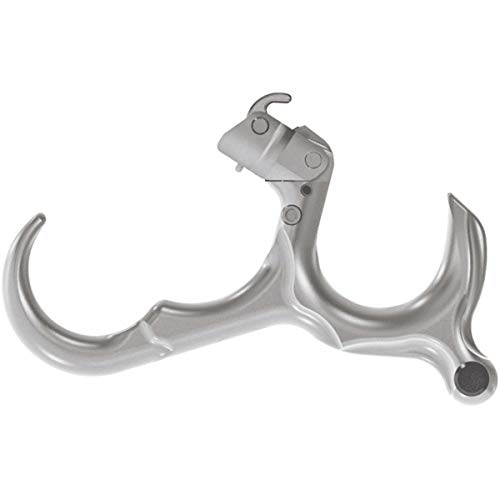


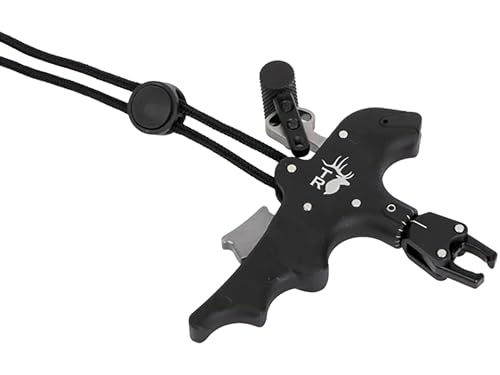


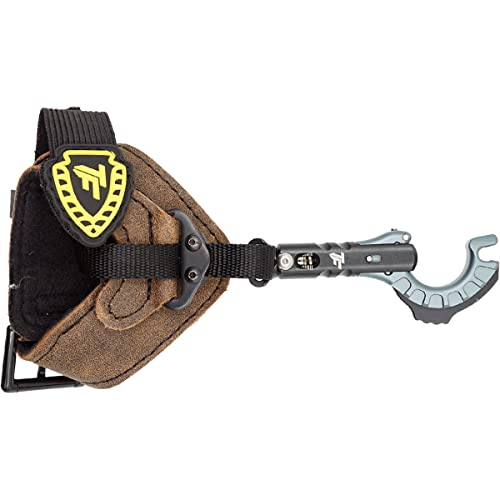


What’s in this listEvery bow release we track on Amazon US — wrist-strap, thumb, hinge and resistance. “—” means neither the maker nor the Amazon listing states it.
What a bow release does
Shooting a compound bow with your fingers works, but your fingers roll the string a little differently on every shot. A bow release takes your fingers out of it. It grabs the string or, more often, a D-loop. That's a short cord tied onto the string above and below the arrow's nock. When the release fires, the jaw or hook opens and the string goes.
A good release does two things: it holds the full draw weight without slipping, and it lets go the same way every time. Everything else is about how you tell it to let go.
Bowhunting.com's D-loop guide gives the reasons most compound archers use one. The loop keeps the arrow from walking up and down the string at the shot. The release never touches the string or serving, so wear lands on a cheap loop instead. A typical loop starts from about 4¼ inches of cord, and it stretches a little over time.
The table on this page shows what the makers or the Amazon listings state for each release: type, jaw or hook, whether the trigger adjusts, finger count for handhelds, strap type for wrist releases, rotating head and hand, plus the maker's weight. A dash means neither the maker nor the listing says. The table marks values that come from the listing.
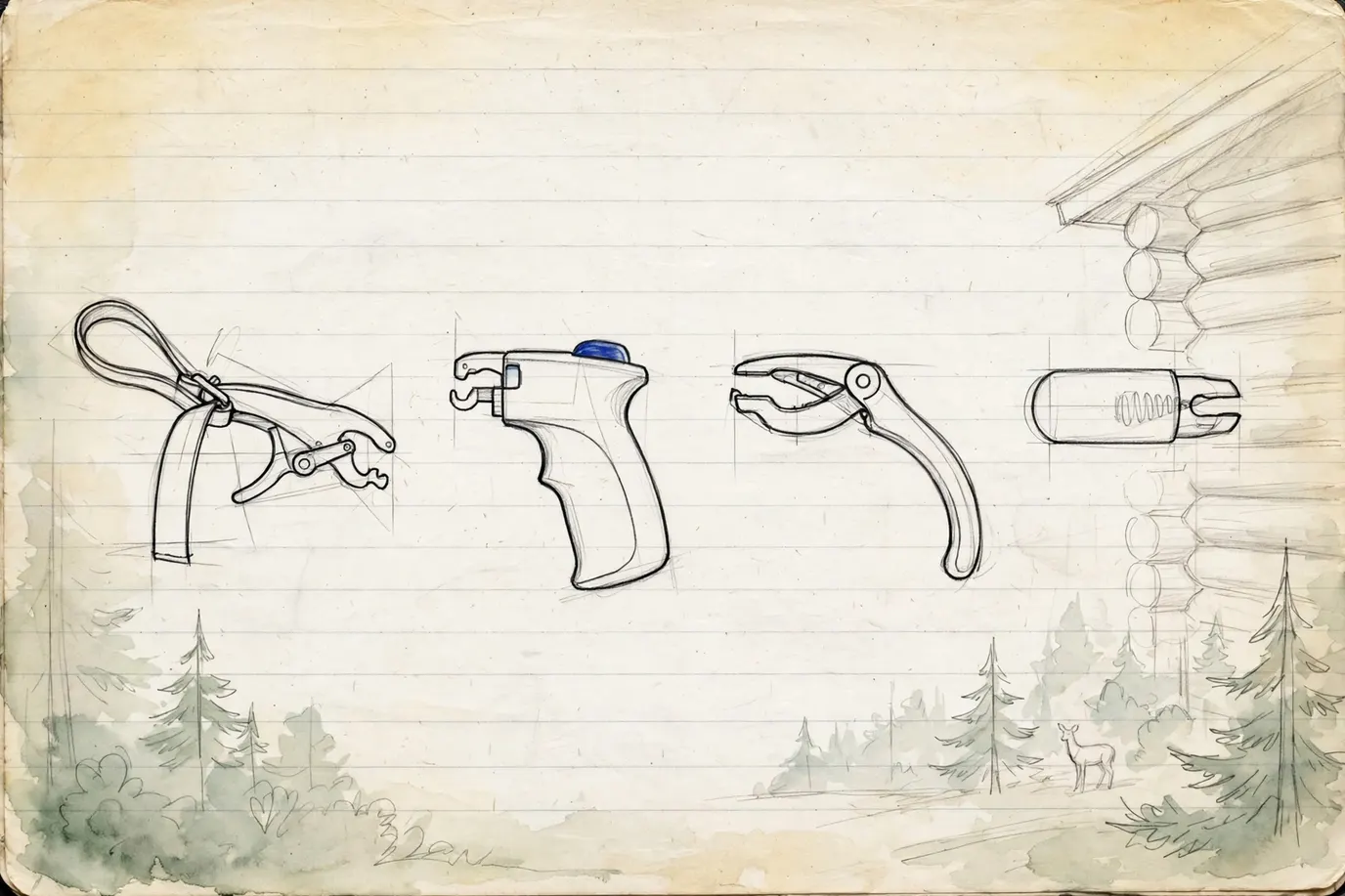
What to look at when you pick a bow release
Pick the type first: how do you want the shot to break
The "Type" column is the decision. Archery 360 sorts releases into four styles, and every other spec depends on which one you pick:
- Wrist strap, index-finger trigger: a strap around your wrist and a trigger you squeeze like a firearm
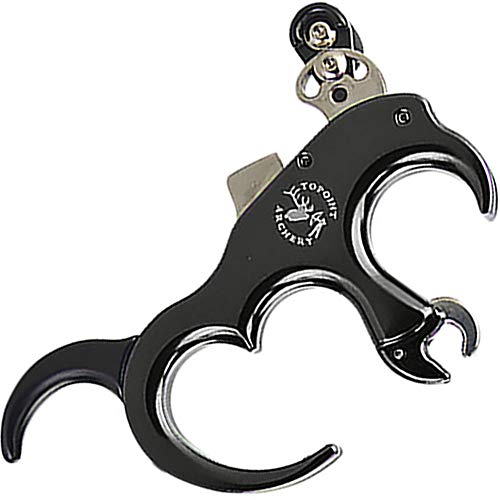
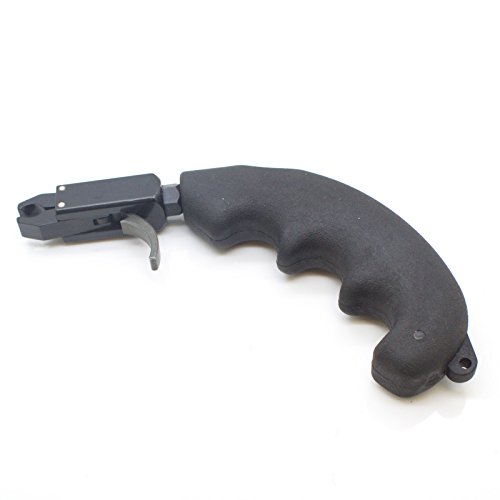
- Handheld thumb button: held in three or four fingers and fired with the thumb
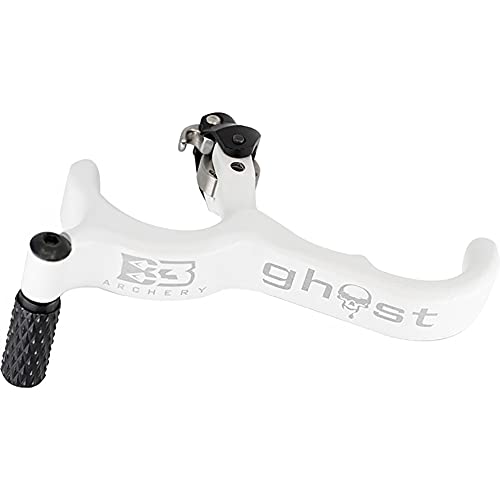
- Hinge (back tension): handheld with no trigger; it fires when the handle rotates
- Resistance (tension-activated): handheld with no trigger; it fires when your pull reaches a set point
The short version: the first two fire when you decide. The last two fire when your form gets there. Each type has its own page with more detail: trigger and wrist-strap releases, thumb releases and hinge releases.
Wrist-strap releases suit long waits on stand
Archery 360's guide explains why this is the common bowhunting choice. The strap carries most of the draw weight, so your trigger finger can relax. It works with gloves. And you can hold at full draw a long time without your fingers tiring, which matters when a deer stops behind the one tree between you.
The trade: your trigger finger's knuckle is also an anchor point, and it moves when the finger moves. Index triggers are also the easiest to punch. Punching means slapping the trigger the moment the pin looks good instead of squeezing through it. One maker's buyer's guide puts it plainly: easiest to learn, easiest to punch.
The strap lives on your wrist all morning. Uncle Walt calls it "the handcuff." He's not wrong; it's just a handcuff that keeps you from dropping a release out of a tree.
Thumb releases trade convenience for a steadier anchor
A handheld thumb release is held with three or four fingers. Your thumb presses a button that opens the jaws. Archery 360 notes it lets the back of your hand sit firmly against your jaw, and that gives a more consistent anchor. A common anchor puts your jawbone in the V between your index and middle knuckles.
That anchor usually sits lower than with an index release. So expect to move your peep sight, and maybe adjust draw length. A pro shop can help with both.
The trade for hunting is handling. A handheld has no strap, so it has to clip to the D-loop, a lanyard or your pocket between shots. Drop it from a tree and your hunt is over. (Tie it to something. Then tie that to something.)
Hinge and resistance releases make the shot a surprise
A hinge fires when you rotate it. Archery 360 describes the motion: draw mostly on the thumb and index finger, then shift the load to the middle and ring fingers until it breaks. The archer doesn't know the exact moment, so there's nothing to anticipate. Archery 360 also reports that most compound archers on World Cup and World Championship podiums use some version of one.
A resistance release has no trigger and doesn't depend on rotation. An internal mechanism holds until your pull into the bow's back wall reaches a set point. Coaches often use it to teach back tension.
For hunting, both take real practice to learn safely. If you want one in the stand, learn it in summer, with a coach, long before the season.
Caliper jaws or an open hook
The "Jaw / hook" column describes the part that holds the string or loop:
- Single caliper: one moving jaw closes around the loop
- Dual caliper: two jaws close from both sides
- Hook: an open hook the loop sits on, with no jaw to close
- Sear: listed when the maker describes the release by its trigger latch, such as a roller sear
One maker's buyer's guide frames the choice simply. Open hooks load fast onto a D-loop and give a smooth release. Closed calipers are more secure and friendlier for beginners. Neither is better for everyone. If you'll be clipping on in the dark with cold hands, a hook is quicker. If you're new, a caliper that closes around the loop gives you one less thing to think about.
One note from a maker's instruction sheet: some releases are made for rope loops only and say not to use them with a metal loop device. The same maker warns against letting the jaws contact a metal nock set. Read the sheet that comes in the box.
An adjustable trigger is a safety spec, not just a comfort spec
The "Adjustable trigger" column says whether the maker or the listing lists trigger travel, tension or sensitivity adjustments. Travel is how far the trigger moves before it fires. Tension is how hard you have to press. One maker's buyer's guide suggests a common starting point: short, crisp travel with tension that needs a deliberate press, not a hair trigger.
Adjust in small steps and test every one. One maker's sheet says to test after each quarter turn, and warns that backing the screw out too far makes the release fire early. Another maker's sheet says to set sensitivity with the bow out of the picture: hold the string in one hand, pull the release with the other and never draw the bow while setting it.
Fingers and fit matter more than looks
The "Fingers" column applies to handhelds. Values like 3, 4 or 3/4 convertible tell you how many fingers wrap the handle. One maker's guide says some handhelds come with two, three or four finger positions, and some hinges come in standard and small sizes.
Fit is personal. A release that's too long or short changes your anchor, and a handle that fights your hand never gets better. If you can, hold a few before you buy. My hands are small. Every shop clerk I've met has handed me the big one first anyway.
Strap type and length adjustment for wrist releases
The "Strap" column covers wrist releases: buckle, hook-and-loop, a dial (BOA-style) or a leather buckle. One maker's guide says leather buckles break in and mold to your wrist and last longer, while hook-and-loop is faster to put on. Hook-and-loop is also loud when you peel it open, so strap on at the truck, not on stand. (That ripping sound at 5:40 a.m. is how the whole cabin knows I'm up.)
Check how the head connects to the strap. Rope connectors adjust length in small steps, and solid connectors set length with a screw. One maker's instruction sheet says not to over-tighten that screw or it can strip the threads. Getting length right is what puts your knuckle in the same place at anchor every time.
Rotating head, hand and weight
The "Rotating head" column shows whether the head swivels. One maker's sheet credits its rotating head with smooth, reliable action, and another says its rope link between head and strap means less torque.
The "Hand" column says whether a release is right-hand, left-hand, sold in both versions or ambidextrous. If you shoot left-handed, read this column before anything else.
"Weight" is listed in ounces when the maker gives it. Heavier releases feel settled in the hand. Lighter ones are easier to forget you're wearing.
Release setup and care
How to set up a new release, in order:
- Tie or have a shop tie a D-loop on your string if you don't have one.
- Set the release length so your hand sits at your normal anchor at full draw.
- Set the trigger to a deliberate setting, off the bow.
- Practice the draw and firing motion on a shot trainer or a loop of string.
- Shoot close to a big target first; focus on the release, not the group.
- Re-check your peep height and anchor if you changed release types.
Care is simple. One maker's sheet says to blow the release out with dry air after use in damp weather, then lightly oil it with light machine oil once it's dry. Another maker recommends replacing the wrist strap yearly and doesn't cover straps under warranty. Inspect the jaws, hook and connector before every session.
Bow release safety
Always draw with an arrow on the string, point the bow at a safe target, and keep your finger or thumb behind the trigger until you're at anchor and ready to shoot. Never pull the release toward your face as you draw.
Those come straight from one maker's warning sheet. It adds: don't let go of the release during the shot, set it to a safe sensitivity before drawing, and inspect it before each use. A release that fires early sends an arrow. A release that fires without one is a dry fire, which can damage the bow and hurt you.
Who can skip a bow release
If you shoot a traditional recurve or longbow with fingers, you don't need one. If you shoot a crossbow, the trigger is built into the stock. And if you're on a compound and happy with your current release, there's no rule that says you have to switch. Change when a habit like punching shows up, not because the catalog did.
Pick the type for how you want the shot to break. Set the trigger so it takes a real press. Then practice until you stop noticing it.
Brands in this list
Questions people ask
Thumb release vs wrist release: which is better for hunting?
Neither is better for everyone. A wrist-strap release carries most of the draw weight on the strap, works with gloves and can stay on your wrist all sit, which is why many bowhunters use one. A handheld thumb release gives a more consistent anchor against the jaw and can help archers who punch an index trigger. It does have to be clipped on or stowed between shots.
Hinge vs thumb release: what's the difference?
A thumb release fires when you press its button, so you decide the moment. A hinge has no trigger at all. It fires when the handle rotates as you shift pressure from your index finger to your middle and ring fingers and keep pulling with your back. That makes the shot a surprise, which helps some archers stop anticipating it, but it takes more practice to learn safely.
Thumb release vs index release: which should a beginner start with?
Most compound archers start with an index-finger wrist-strap release because it's the easiest to learn. The trade is that a finger trigger also makes it easy to punch, meaning to slap the trigger the moment the pin looks good. If that habit sets in, a thumb release or a hinge is a common next step, ideally with a coach's help.
How do you use a bow release?
Set the trigger so it needs deliberate pressure. Clip the release to your D-loop, keep every finger or your thumb behind the trigger, and draw to anchor. Settle the pin, then put your finger or thumb on the trigger and squeeze steadily until it fires. Keep pulling through the shot. Learn the motion first with a shot trainer or a loop of string.
How do you use a hinge release safely?
Start with the release set cold, meaning it needs a lot of rotation to fire, and learn on a shot trainer or a looped string before you use a bow. Hold the thumb peg while drawing so it can't rotate early. Practice drawing and letting down on the bow before you shoot it, and get a coach at an archery shop to watch your first sessions.
Sources
- Archery 360 (Archery Trade Association): Which release aid is right for you? — accessed 2026-10-21
- Archery 360 (Archery Trade Association): Release aids — accessed 2026-10-21
- Archery 360 (Archery Trade Association): A beginner's guide to thumb releases — accessed 2026-10-21
- Archery 360 (Archery Trade Association): How to use a hinge release — accessed 2026-10-21
- Scott Archery: How to choose the right archery release — accessed 2026-10-21
- Scott Archery: Wrist strap release instruction sheet (length, trigger travel, maintenance) — accessed 2026-10-21
- T.R.U. Ball: Caliper release instruction and warning sheet — accessed 2026-10-21
- Bowhunting.com: Installation of a D-loop — accessed 2026-10-21