Blinds & Tree Stands · Gear type
Tree Stands
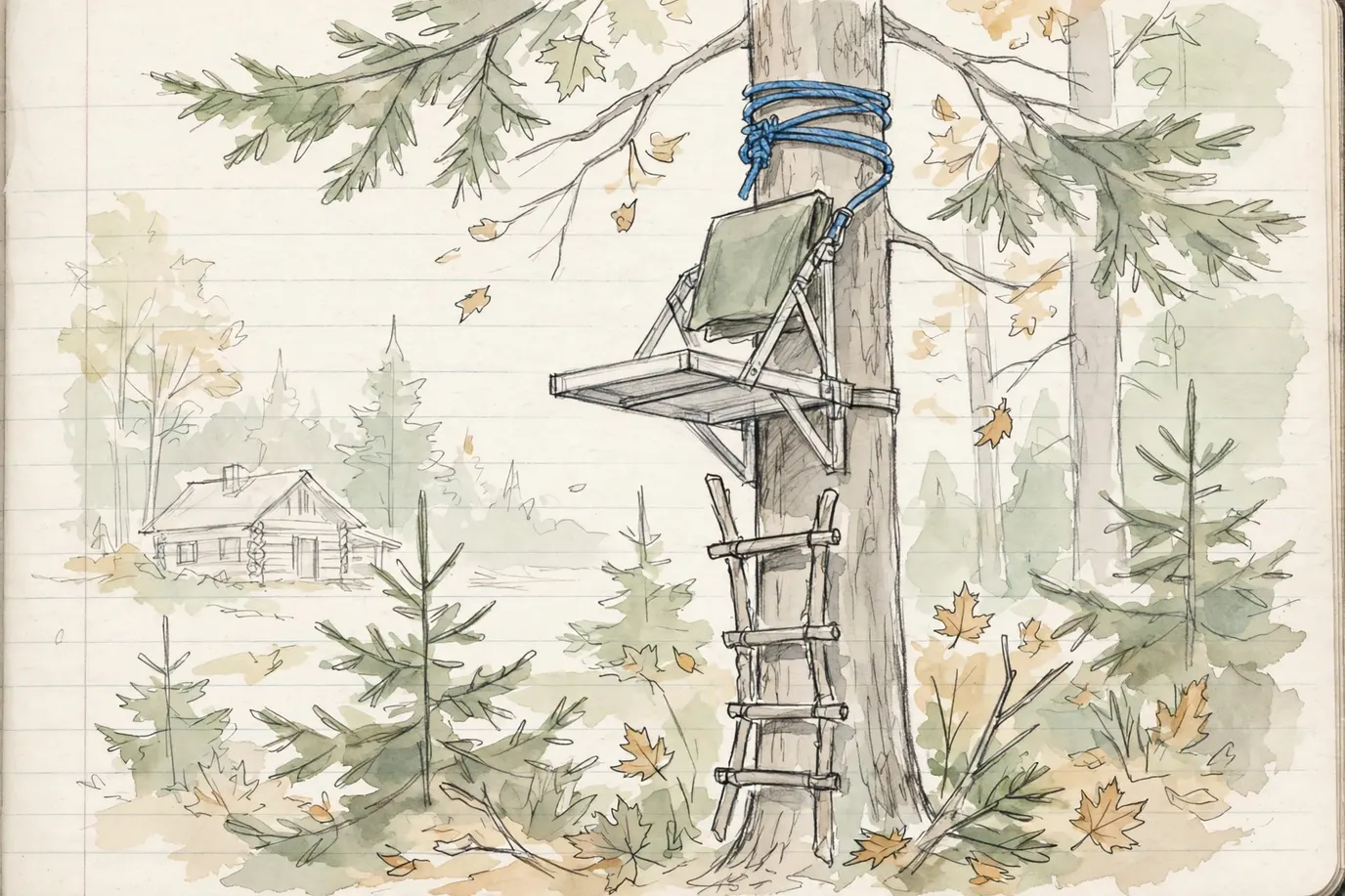
A tree stand is a seat and a platform you fix to a trunk so you can sit above a deer's eye level. This page covers the two portable kinds, hang-on stands and climbing stands; ladder stands have their own page. The main choice is simple: a hang-on goes on almost any tree but needs sticks or steps, and a climber carries its own way up but only fits a straight trunk with no limbs. Here's the thing. Pick the stand that fits your trees.
We earn a commission if you buy through our links, at no cost to you. Disclosure
| Model | Material | Weight capacity | Type | Platform | Amazon |
|---|---|---|---|---|---|
Big Game Captain XC Hang-On StandTree stand More specs
| Steellisting | 300 lblisting | Hang onlisting | — | Check price |
Big Game Captain XC Steel Hang-On 20x30Tree stand More specs
| Steellisting | 300 lblisting | Hang onlisting | — | Check price |
Big Game Captain XC Steel Hang-On 14x8Tree stand More specs
| Steellisting | 300 lblisting | Hang onlisting | — | Check price |
Bolderton Deluxe Hang-On Tree StandTree stand | Steellisting | 300 lblisting | Hang onlisting | — | Check price |
| Steellisting | — | Hang onlisting | — | Check price | |
Guide Gear Extreme Deluxe Climbing Tree StandTree stand More specs
| Steellisting | 300 lblisting | Climbinglisting | — | Check price |
Guide Gear Extreme Deluxe Climbing Tree StandTree stand More specs
| Steellisting | 300 lblisting | Climbinglisting | — | Check price |
| Steellisting | 300 lblisting | Hang onlisting | 24 x 29.5listing | Check price | |
Guide Gear Deluxe XL Climber Tree Stand ChairTree stand More specs
| Steellisting | 300 lblisting | Climbinglisting | 20 x 34.5listing | Check price |
Hawk Helium XL Hang-OnTree stand More specs
| Aluminumlisting | — | Hang onlisting | 24 x 30listing | Check price |
Hawk CRUZR Hang-OnTree stand More specs
| Steellisting | 300 lblisting | Hang onlisting | 34 x 24listing | Check price |
Hawk Helium Kickback LVL XLTree stand More specs
| Aluminumlisting | 300 lblisting | Hang onlisting | 26 x 31.5listing | Check price |
| Steellisting | — | Hang onlisting | — | Check price | |
Hawk Ultra-Lite ClimberTree stand More specs
| Aluminumlisting | 300 lblisting | Climbinglisting | 20 x 27listing | Check price |
Hawk Helium Pro Hang-OnTree stand | Aluminumlisting | — | Hang onlisting | 24 x 30listing | Check price |
Hawk Helium Ultra LiteTree stand More specs
| Aluminumlisting | 300 lblisting | — | 27.25 x 20.5listing | Check price |
| Steellisting | 300 lblisting | Hang onlisting | — | Check price | |
Hawk Warbird ClimberTree stand More specs
| Aluminumlisting | 300 lblisting | Climbinglisting | 21 x 34listing | Check price |
Hawk Rival Lite Hang-OnTree stand More specs
| Aluminumlisting | 300 lblisting | Hang onlisting | 29 x 20.5listing | Check price |
Kalkal Aluminum Hang-On with HarnessTree stand | Aluminumlisting | — | Hang onlisting | 29.92 x 16.69listing | Check price |
| Aluminumlisting | — | Hang onlisting | — | Check price | |
Kalkal Foldable Climbing Tree StandTree stand | — | 300 lblisting | Climbinglisting | — | Check price |
Millennium Treestands M300 Tree SeatTree stand | Aluminumlisting | 400 lblisting | — | — | Check price |
| Aluminumlisting | — | Hang onlisting | — | Check price | |
Millennium Treestands M50 Hang-OnTree stand | Steellisting | — | Hang onlisting | — | Check price |
Millennium Treestands M100U UltraliteTree stand | Aluminumlisting | 300 lblisting | Hang onlisting | — | Check price |
Millennium Treestands M50 Steel Hang-OnTree stand | Steellisting | 300 lblisting | Hang onlisting | 24 x 32.5listing | Check price |
Millennium Treestands M350 Tree SeatTree stand | Aluminumlisting | 300 lblisting | Hang onlisting | — | Check price |
Millennium Treestands Pro-Lite Hang-OnTree stand More specs
| Aluminumlisting | 300 lblisting | Hang onlisting | 20.5 x 20listing | Check price |
| — | — | Hang onlisting | — | Check price | |
Muddy Ultra Tree SeatTree stand | Steellisting | 300 lblisting | Hang onlisting | — | Check price |
Muddy 1-Person XL Hang-OnTree stand More specs
| Aluminumlisting | — | Hang onlisting | 25 x 34listing | Check price |
Muddy 1-Person Hang-On FlexTekTree stand More specs
| Steellisting | 300 lblisting | Hang onlisting | 24 x 30listing | Check price |
Muddy Ultra Tree Seat MTS500 2-PackTree stand More specs
| — | 300 lblisting | Hang onlisting | — | Check price |
Muddy Wide Stance Hang-On with 3 SticksTree stand More specs
| Aluminumlisting | 300 lblisting | Hang onlisting | 24 x 30listing | Check price |
Muddy XL Hang-On with 3 SticksTree stand More specs
| Aluminumlisting | 300 lblisting | Hang onlisting | 25 x 34listing | Check price |
OL'MAN Alumalite CTSTree stand | Aluminumlisting | 300 lblisting | Climbinglisting | 18 x 32listing | Check price |
OL'MAN Stealth Mode Steel ClimberTree stand | Steellisting | — | Climbinglisting | 19.5 x 27listing | Check price |
OL'MAN Steel Hang-OnTree stand More specs
| Steellisting | 300 lblisting | Hang onlisting | 20.5 x 26listing | Check price |
Rivers Edge Ardisam Lounger RE521Tree stand More specs
| — | — | Hang onlisting | 24 x 36listing | Check price |


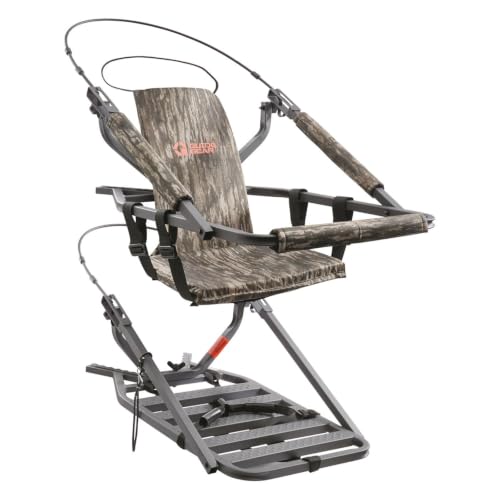
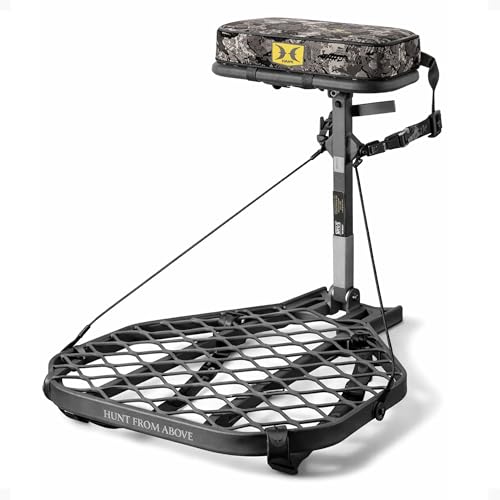


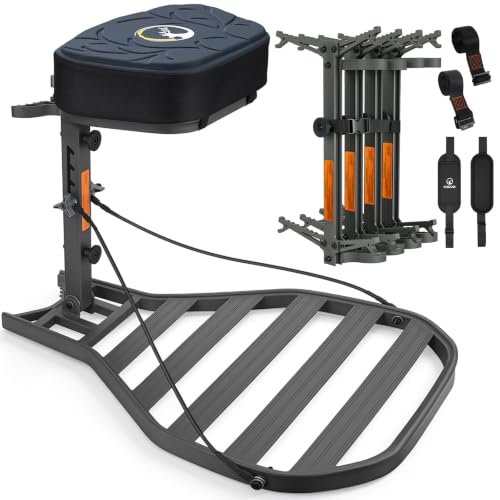


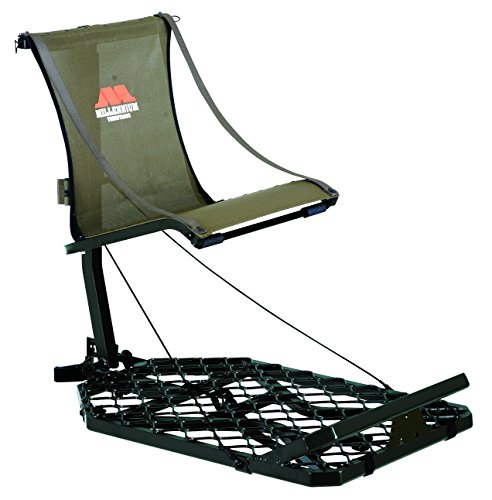
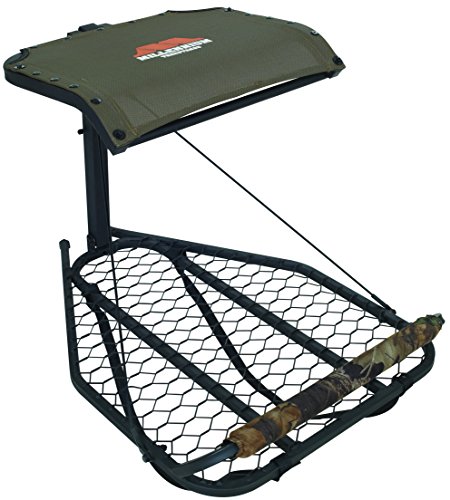


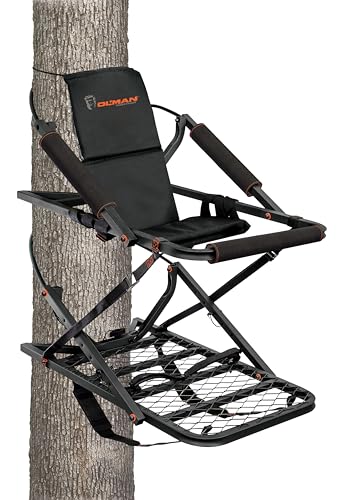


Summit Treestands Viper SDTree stand More specs
| Aluminumlisting | — | Climbinglisting | — | Check price |
|---|---|---|---|---|---|
Summit Treestands Mini Viper SDTree stand More specs
| Aluminumlisting | — | Climbinglisting | — | Check price |
Summit Treestands Goliath SDTree stand | — | 350 lblisting | Climbinglisting | — | Check price |
Summit Treestands OpenShot SDTree stand More specs
| — | — | Climbinglisting | — | Check price |
Summit Treestands Titan SDTree stand | — | 350 lblisting | Climbinglisting | — | Check price |
Summit Treestands 180 Max SDTree stand | — | 350 lblisting | Climbinglisting | — | Check price |
Summit Treestands Viper SteelTree stand | Steellisting | — | Climbinglisting | — | Check price |
Summit Treestands Ledge XTTree stand More specs
| — | — | Hang onlisting | — | Check price |
Summit Treestands Viper Pro SDTree stand | — | — | Climbinglisting | — | Check price |
Summit Treestands Dual Axis Hang-OnTree stand | — | — | Hang onlisting | — | Check price |
Summit Treestands Viper SD + Footrest Kit ComboTree stand More specs
| Aluminumlisting | — | Climbinglisting | — | Check price |
Summit Treestands Dual Threat PRO SDTree stand | — | 350 lblisting | Climbinglisting | — | Check price |
Summit Treestands Viper SD + Pro Harness BundleTree stand More specs
| Aluminumlisting | 300 lblisting | Climbinglisting | — | Check price |
Summit Treestands Viper SD + Backpack System BundleTree stand More specs
| Aluminumlisting | — | Climbinglisting | — | Check price |
| Cast aluminumlisting | — | Hang onlisting | — | Check price | |
XOP-Xtreme Outdoor Products IONTree stand | Cast aluminumlisting | 350 lblisting | Hang onlisting | 31 x 22listing | Check price |
| Cast aluminumlisting | 350 lblisting | Hang onlisting | 21.5 x 31listing | Check price | |
XOP-Xtreme Outdoor Products RubiconTree stand More specs
| Cast aluminumlisting | 350 lblisting | Hang onlisting | 27 x 19listing | Check price |
| Cast aluminumlisting | 350 lblisting | Hang onlisting | 31 x 22listing | Check price | |
XOP-Xtreme Outdoor Products ION 2025Tree stand | Cast aluminumlisting | 350 lblisting | Hang onlisting | 31 x 22listing | Check price |
XOP-Xtreme Outdoor Products FlyTree stand | Aluminumlisting | — | Hang onlisting | — | Check price |
XOP-Xtreme Outdoor Products RevoltTree stand | Aluminumlisting | — | Climbinglisting | — | Check price |
| Aluminumlisting | — | Hang onlisting | — | Check price | |
XOP-Xtreme Outdoor Products ROAMTree stand More specs
| Aluminumlisting | 350 lblisting | Hang onlisting | 26 x 16listing | Check price |
| Cast aluminumlisting | — | Hang onlisting | — | Check price | |
| Cast aluminumlisting | — | Hang onlisting | — | Check price | |
| Cast aluminumlisting | — | Hang onlisting | — | Check price | |
XOP-Xtreme Outdoor Products IONTree stand | Cast aluminumlisting | — | Hang onlisting | 31 x 22listing | Check price |
XOP-Xtreme Outdoor Products SWAYTree stand More specs
| Aluminumlisting | 350 lblisting | Hang onlisting | 30 x 19listing | Check price |


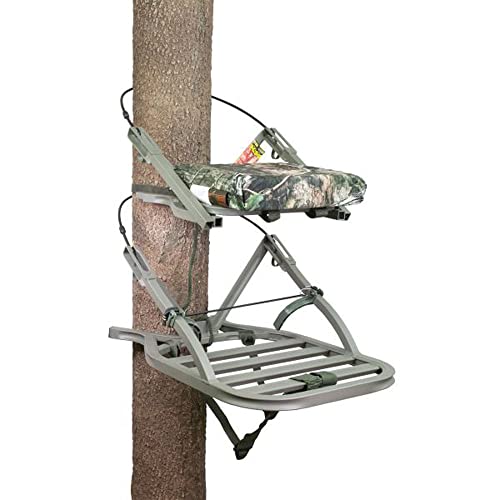


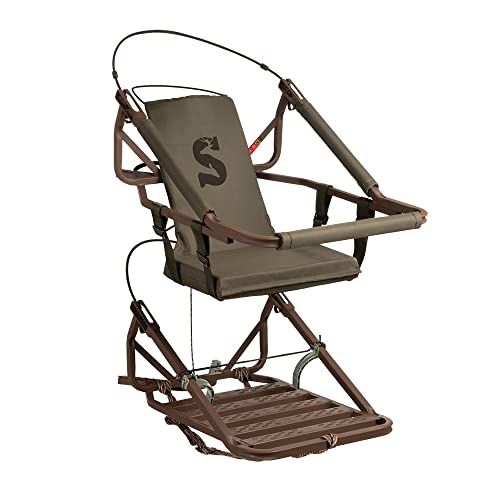


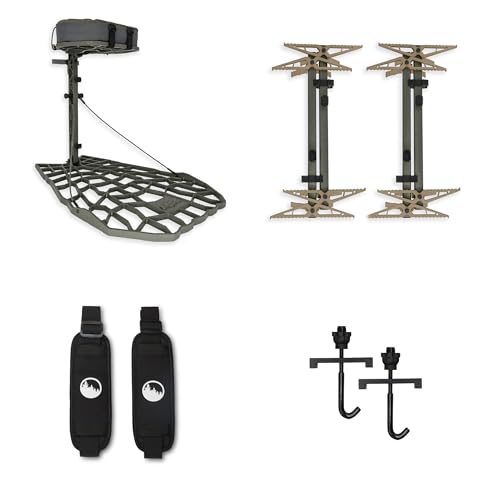


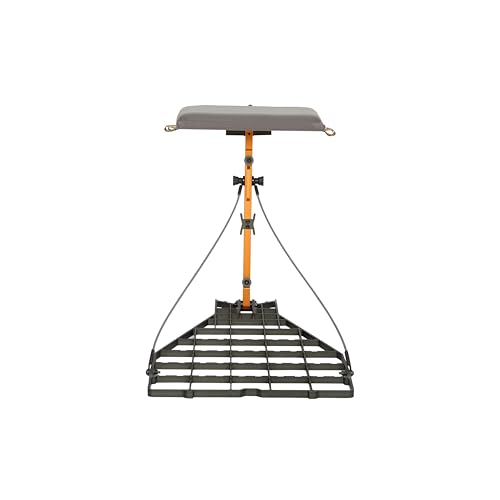


What’s in this listEvery climbing and hang-on tree stand we track on Amazon US, lightest first. Ladder stands have their own page. “—” means neither the maker nor the Amazon listing states it.
What a tree stand is, and what this page covers
A hunting tree stand is a small platform for your boots and a seat for the rest of you, fixed to the trunk with straps, chains or cables. You climb up, sit down, and watch the woods from above a deer's line of sight. The details are what keep you comfortable and on the tree.
Three styles share the name. The hang-on is a fixed-position stand you carry in and strap to the tree, then reach with climbing sticks or steps. The climber is two pieces, a seat section and a foot platform, that you walk up a straight trunk yourself. The ladder stand brings its own ladder and usually stays up all season. onX's tree stand primer calls the hang-on the most commonly used of the three.
This page is about the first two, the portable ones. Ladder stands live on the ladder stand page, and two-person setups on the 2-man ladder stand page.
The table on this page lists climbing and hang-on stands we track, lightest first. It shows the type, carry weight, frame material, weight capacity, platform size, seat style and the tree diameter range where the maker or the listing states one. The table marks values that come from the listing rather than the maker; where neither states a value, you get a dash. A guess has never held anybody up.
Hang-on or climber: the tree stand choice that decides the rest
- Hang-on: goes on crooked or low-limbed trees, can be hung days ahead, needs sticks or steps bought separately
- Climber: needs a straight trunk with no limbs below your hunting height, carries its own way up, goes in and out with you every sit
Union Sportsmen's Alliance puts hang-ons in country full of low-limbed or crooked trees, creek crossings and ridges. Climbers need what onX describes as smooth trees with no branches between you and the ground. So walk your woods before you shop. If your best trees have limbs every few feet, a climber is a very expensive coat rack.
Weight is closer than you'd think. In one Outdoor Life side-by-side, a hang-on kit with sticks came to 23.9 lb and a climber to 24.2 lb. The sticks were 7.5 lb of that hang-on total. The difference is how the weight is spent.
The full breakdowns are on the hang-on tree stand page and the climbing tree stand page. If carry weight is the whole reason you're here, the lightweight versions have pages too: lightweight hang-on stands and lightweight climbers.
What to look at in a hunting tree stand
Shop-class habit: measure the job before you buy the tool.
Type tells you how the stand gets up the tree
The Type column says climbing or hang-on. It decides what else you buy. A hang-on needs a way up (sticks, steps or a ladder section) and a way to stay connected while you climb. A climber is its own way up, but it rides only on trunks it can grip.
Some hunters own one of each: a hang-on for the spot they hunt every year, a climber for fresh sign on a straight poplar. (Danny would call that a good start.)
Weight is what your shoulders carry before daylight
Weight is the stand alone, as the maker lists it. On a portable tree stand you feel that number every sit.
Read it next to the Type column. A hang-on's weight doesn't include the sticks; a climber's is the whole kit, minus the harness.
Rule of thumb: the farther you walk, the more each pound costs. Bowhunting.com notes heavier climbers are fine on easy ground but turn into a liability in mountains and hard-to-reach spots.
Material is aluminum or steel, and it shows in the weight
The Material column lists the frame: aluminum, steel, or a mix. Read it next to Weight and compare stands of the same type.
Don't read the material as a safety grade. The safety number is weight capacity, and the certification is the maker's job. The TMA's guidelines say to use only stands that meet industry standards it recognizes, and never homemade or modified stands.
Weight capacity is a ceiling, not a target
Weight capacity is the most the maker rates the stand to hold. The TMA guidelines say plainly: never exceed the weight limit the manufacturer specifies.
My one opinion on this page: weight ratings are a ceiling, not a target. Leave room for the heavy coat and the pack. In November you weigh what you weigh, plus boots, bibs, parka, pack and bow. Add it up honestly, then pick a stand with room above it.
Platform size decides where your boots can go
Platform is listed as width by depth, in inches, as the maker or the listing states it. That's your floor up there.
A wider, deeper platform gives your feet room to turn for a shot behind you. A smaller one weighs less and packs flatter. Insulated boots need more platform than you'd think, so measure yours with the boots on. (The cabin's back step has opinions about big boots.)
Seat type is the comfort spec
The Seat column shows the style: padded foam, a mesh or sling seat, a maker's own flexible seat, or a flip-up that folds out of the way. Union Sportsmen's writer says most stock seat cushions leave you numb in about an hour. That's a sitting-still-in-November problem.
A flip-up clears space when you stand to shoot, a sling packs light, and padded foam is the kitchen chair of the group. A one-hour evening sit forgives a lot; an all-day rut sit forgives nothing. If the seat that comes with the stand doesn't suit you, there are separate tree stand seats.
Tree diameter range tells you which trunks it fits
Tree diameter is the range of trunk sizes the stand is built to grab, from the maker's own page. Climbers list it most often, because a climber's cable or band has to wrap the trunk and grip it.
The TMA says to pick a live, healthy, straight tree within the size limits the manufacturer recommends, and never a leaning tree. Check the trunk at hunting height, not just at your belt. Trees get thinner as they go up. They don't ask your permission.
Quiet features are a maker's claim
The table quotes what the maker or the listing says about noise: covered straps, coated contact points, that kind of thing. It's marketing text, and we don't rate or filter by it.
What you control is the rest: rattle-free packing and a slow climb.
Camo or color is the last thing to pick
Camo / color lists the finish. It's the least important column. A stand's outline against the sky gives you away faster than its color does, so cover and tree choice come first (see the camouflage section below).
How high should a tree stand be
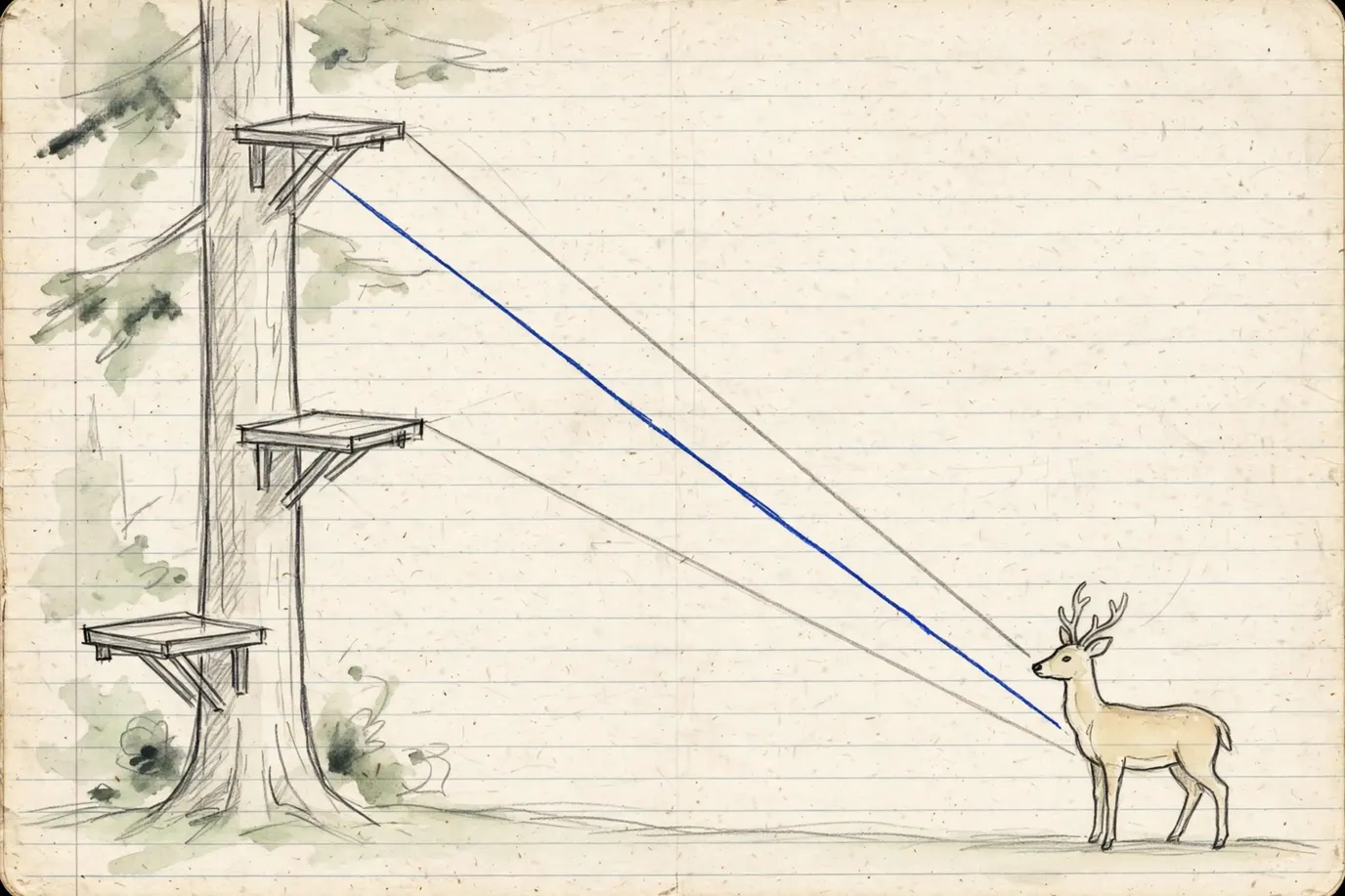
Higher feels safer from a deer's eyes. It also makes the shot harder.
Outdoor Life hung stands at 10, 15, 20 and 25 feet in one tree, with a target at 18 yards, and measured the shot angle. 10 feet gave 15 degrees. 15 feet gave 20. 20 feet gave 25, and 25 feet gave 30. The steeper the angle, the less room you have for a good hit, and the writer found steep shots harder to make with clean form. At 25 feet the tree swayed more, too.
His conclusion: 15 to 18 feet is the sweet spot for bowhunting, with shots at 15 to 20 yards, and 20 feet or lower is the advice. Union Sportsmen's writer lands at 15 to 20 feet as high enough to stay out of a whitetail's line of sight.
Scent doesn't care much about height either. In that test, scent from 25 feet blew over a close deer but still drifted down to deer farther out.
XOP's how-to sorts it by season: hang lower in thick early-season cover, go higher in late season or open hardwoods, and beginners start in the 10 to 12 foot range for an easier climb. Whatever the height, the stand maker's maximum is the ceiling, and the TMA's line on height is worth repeating: if you start thinking about how high you are, don't go any higher.
How to camouflage a tree stand
Most of the hiding happens before the stand goes up. Pick the tree like a seat at a wedding: something behind you, nothing that puts you on display.
Bowhunter's concealment piece lays it out:
- Trunk width: at least as wide as your waist
- Tree shape: multi-trunk trees and conifers break up your outline
- Position: sit on the back side of the trunk so it blocks your movement
- Sun: set morning and evening stands so the sun isn't in an approaching deer's eyes
- Added cover: camo fabric or artificial branches when the natural cover runs out
XOP adds pine boughs or leafy cuttings tied to the platform or seat, a small leafy net behind the seat, and camo tape on shiny buckles and straps. It also says to clear only what blocks your arrow, not a 30-yard runway. Covers built for the job are on the tree stand cover page.
Bowhunter also suggests raking a quiet path in and resting a spot three or four days between sits.
Setting up and caring for a tree stand
The TMA's guidelines read like a shop-class safety poster, which is a compliment. The setup and care parts, in short:
- Read the maker's warnings and instructions every season, and keep them for anyone who borrows the stand.
- Practice installing and using the stand at ground level, with a responsible adult around.
- Inspect the stand and harness for wear or damage before each use.
- Never leave a stand installed for more than two weeks; weather and other things you can't see can damage it.
- Climb with empty hands. Use a haul line to raise your pack and unloaded bow or firearm once you're at height.
- Before you come down, lower your gear on the side of the tree away from your descent.
- Destroy parts the maker can't repair, anything past its expiration date, and products whose maker no longer exists.
onX adds two habits: check straps before you hang, and tie off loose straps and ropes so they don't flap. A flapping strap is a flag that says "over here."
Store the stand dry, with its instructions. In the cabin they live in a shoebox on the shelf, next to a shoebox of bolts nobody can identify.
Tree stand safety
Wear a full-body harness that meets TMA-recognized standards every time your feet leave the ground, and stay connected to the tree from the ground up and back down. Single-strap belts and chest harnesses are no longer allowed as fall-arrest devices.
The CPSC says many incidents happen while hunters step onto or off the platform. Iowa DNR says most falls happen outside the stand. Its ABCs are short: always remove and inspect your equipment, buckle on your full-body harness, connect to the tree before your feet leave the ground.
Keep the tether snug. The TMA says it should have no slack when you sit, or you may hang without a way back into the stand. Wisconsin DNR warns suspension trauma can happen in under 20 minutes and can be fatal, and suggests a foot strap on the harness to take pressure off your legs.
Carry a phone or signal device you can reach while hanging, and tell someone where you are and when you'll be back. Harnesses are on the tree stand harness page, and lifelines on the tree stand lifeline page. Stand rules on public land and leased ground vary, so check your state wildlife agency before you hang anything.
Who should skip a tree stand
The TMA guidelines end the argument for some people: if you can't recover or escape from a fall in a harness, hunt from the ground. A ground blind puts you at eye level with good cover, and it's no worse a way to hunt.
If you want to be up a tree but carry less, a hunting saddle is a harness you sit in instead of a seat, with its own learning curve.
For a first-timer or a kid, look at a ladder stand before a hang-on. Union Sportsmen's writer calls ladder stands typically the safest option for older hunters and children. That's where my grandson spent his first morning, at 12, in a two-man ladder stand next to me. Harnessed, tethered, and asleep by 8:10. I wrote it in the logbook under "what moved." Nothing did. That was fine. He was clipped in, and that was the point of the morning.
Portables earn their keep when you move. If you hunt the same field edge every year, a ladder stand saves you the hanging.
Buy once, cry once. Then wear the harness every time. Plain and simple.
Brands in this list
Related
Questions people ask
How high should a tree stand be?
There's no legal standard height in most places; the stand maker's maximum is the ceiling. In one Outdoor Life test at 18 yards, the shot angle grew from 15 degrees at 10 feet to 30 degrees at 25 feet, and the writer settled on 15 to 18 feet as the sweet spot for bowhunting. Cover around you matters more than a few extra feet.
How much is a tree stand?
We don't print prices, because they change every week; the Check price button shows today's. What moves the price is mostly what the table shows: frame material, carry weight, seat type, platform size and what comes in the box. A full-body harness should be in your budget either way. The TMA says to use one every time you leave the ground.
How do you camouflage a tree stand?
Start with the tree, not the stand. Bowhunter suggests a trunk at least as wide as your waist, multi-trunk trees or conifers, and sitting on the back side of the trunk. Add natural branches or artificial cover behind you, and put camo tape on shiny buckles and straps. Don't block your own shooting lanes.
What size tree stand do I need?
Size it by three numbers in the table. Weight capacity has to cover you plus clothes, pack and bow; the TMA says never exceed it. Platform size decides how much room your boots have to turn for a shot. Tree diameter has to match the trunks where you hunt, which matters most for climbers. Bigger hunters should check all three before carry weight.
Sources
- Treestand Manufacturers Association: Treestand Safety Guidelines — accessed 2026-10-22
- U.S. Consumer Product Safety Commission: Hunting Treestands and Harnesses (Pub. 5200) — accessed 2026-10-22
- Wisconsin DNR: Tree stand safety — accessed 2026-10-22
- Iowa DNR: Bowhunters encouraged to practice the ABCs of tree stand safety — accessed 2026-10-22
- Outdoor Life: What's the best height to hang your treestand? — accessed 2026-10-22
- Outdoor Life: Tree saddle vs climber vs hang-on — accessed 2026-10-22
- onX Hunt: Tree stands, everything you need to know — accessed 2026-10-22
- Union Sportsmen's Alliance: Hang your treestand for comfort and success — accessed 2026-10-22
- Bowhunting.com: Treestand basics, 4 stand styles every hunter should know — accessed 2026-10-22
- Bowhunter: Tree stand concealment — accessed 2026-10-22
- XOP: Shooting lanes, silhouettes, wind and entry routes (maker's how-to) — accessed 2026-10-22