Camp Gear · Gear type
Camping Cot
A camping cot is a folding bed that holds you off the ground on a fabric deck stretched over a frame. Pick one by four numbers: weight capacity, sleeping surface length and width, height off the ground, and what it weighs folded. Then decide whether it rides in a truck or on your back. Here's the thing: a good cot outlasts most of what you pack around it. I have the proof, and it's in the bunk room.
We earn a commission if you buy through our links, at no cost to you. Disclosure
| Model | Weight capacity | Frame | Packed size | Type | Sleeping surface (L x W) | Amazon |
|---|---|---|---|---|---|---|
| 900 lblisting | Steellisting | — | Singlelisting | 78x32listing | Check price | |
| 900 lblisting | Steellisting | — | Singlelisting | 78x32listing | Check price | |
| 900 lblisting | Steellisting | 45.8x10.4listing | Singlelisting | 78x32listing | Check price | |
| 600 lblisting | Steellisting | — | Singlelisting | — | Check price | |
| 600 lblisting | Steellisting | — | Bunklisting | 85x39.5listing | Check price | |
| 600 lblisting | — | — | Singlelisting | — | Check price | |
| 600 lblisting | — | — | Singlelisting | — | Check price | |
| 600 lblisting | Steellisting | 45x7x9listing | Singlelisting | — | Check price | |
| 550 lblisting | Steellisting | 48.6x4.9x9.1listing | Singlelisting | 84.3x41.9listing | Check price | |
| 500 lblisting | — | — | Singlelisting | — | Check price | |
| 500 lblisting | Steellisting | — | Doublelisting | 82x32.5listing | Check price | |
| 500 lblisting | — | — | Singlelisting | 79x28listing | Check price | |
| 500 lblisting | — | — | Singlelisting | 79x35listing | Check price | |
| 500 lblisting | Steellisting | — | Bunklisting | 79x35listing | Check price | |
| 450 lblisting | — | 41x5x9listing | Singlelisting | 75x27.5listing | Check price | |
| 450 lblisting | Steellisting | — | Singlelisting | — | Check price | |
| 450 lblisting | Steellisting | — | Singlelisting | — | Check price | |
| 450 lblisting | Steellisting | — | Singlelisting | — | Check price | |
| 450 lblisting | Steellisting | — | Singlelisting | — | Check price | |
| 400 lblisting | — | — | Singlelisting | — | Check price | |
| 375 lblisting | Steellisting | — | Singlelisting | — | Check price | |
| 375 lblisting | Woodlisting | — | Singlelisting | 84x31listing | Check price | |
| 350 lblisting | — | 37x22x5.5listing | Singlelisting | — | Check price | |
| 330 lblisting | Steellisting | — | Singlelisting | 78x31listing | Check price | |
| 330 lblisting | — | — | Singlelisting | — | Check price | |
iClimb Ultralight Folding CotCot More specs
| 330 lblisting | Aluminumlisting | 16.9x5.9x5.9listing | Ultralight lowlisting | 74.8x27.5listing | Check price |
| 325 lblisting | Aluminumlisting | — | Singlelisting | 80x31listing | Check price | |
Helinox Cot MaxCot More specs
| 320 lblisting | Aluminumlisting | 7x23listing | Ultralight lowlisting | 82.5x29.5listing | Check price |
Helinox Cot One InsulatedCot More specs
| 320 lblisting | Aluminumlisting | 7.5x25listing | Ultralight lowlisting | 75x27listing | Check price |
Helinox Cot One RegularCot More specs
| 320 lblisting | Aluminumlisting | 21x6.5listing | Ultralight lowlisting | 75x26listing | Check price |
Helinox Cot One Regular Coyote TanCot More specs
| 320 lblisting | Aluminumlisting | 21x6.5listing | Ultralight lowlisting | 75x26listing | Check price |
| 300 lblisting | Aluminumlisting | 18x3x8listing | Ultralight lowlisting | — | Check price | |
| 300 lblisting | Steellisting | — | Singlelisting | 80x32listing | Check price | |
| 300 lblisting | Steellisting | — | Singlelisting | — | Check price | |
| 300 lblisting | Steellisting | — | Singlelisting | 72x30listing | Check price | |
| 300 lblisting | Steellisting | — | Singlelisting | — | Check price | |
| 300 lblisting | Steellisting | 41x7x7listing | Singlelisting | — | Check price | |
| 300 lblisting | Steellisting | — | Singlelisting | — | Check price | |
Goplus Folding Camping Cot 300 lbCot More specs
| 300 lblisting | — | — | Singlelisting | 74x26.5listing | Check price |
| 275 lblisting | Aluminumlisting | — | Singlelisting | 74.4x25.2listing | Check price |


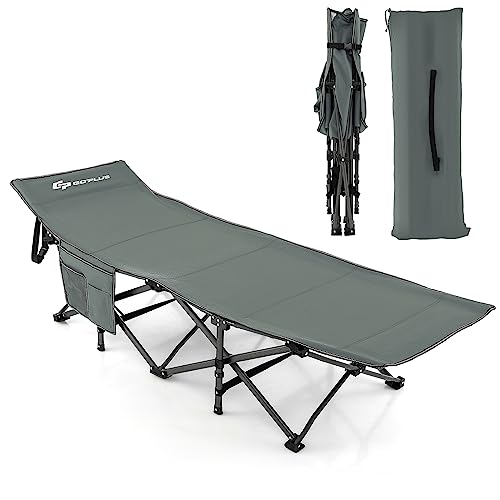


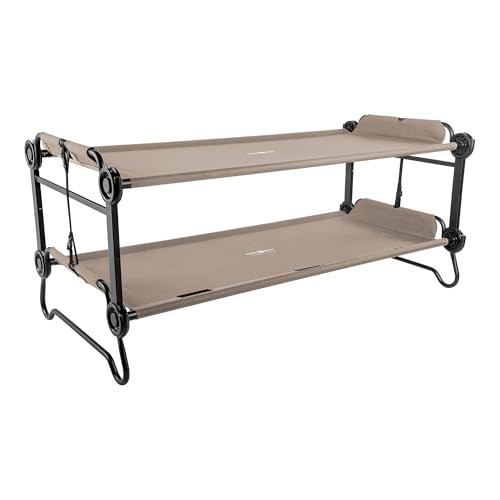
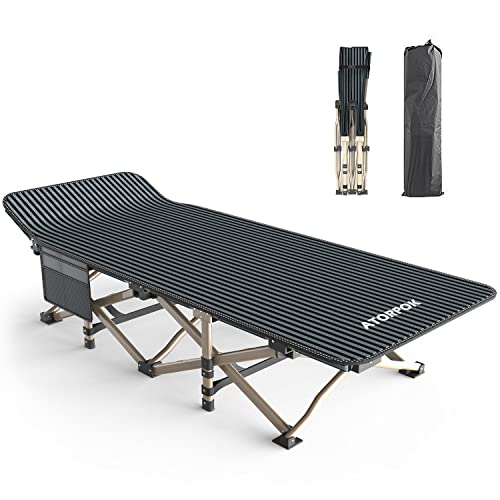
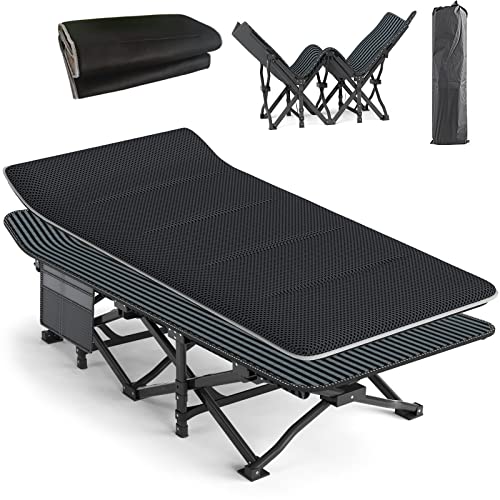

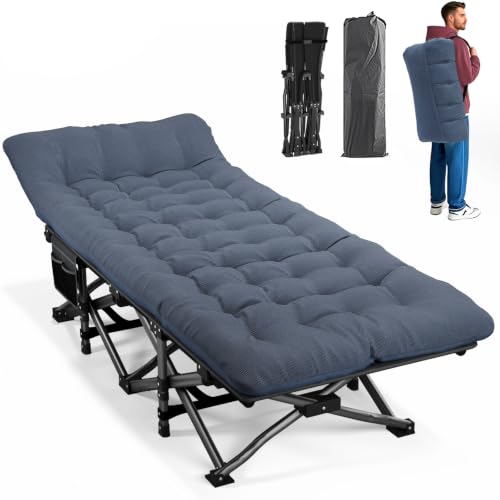


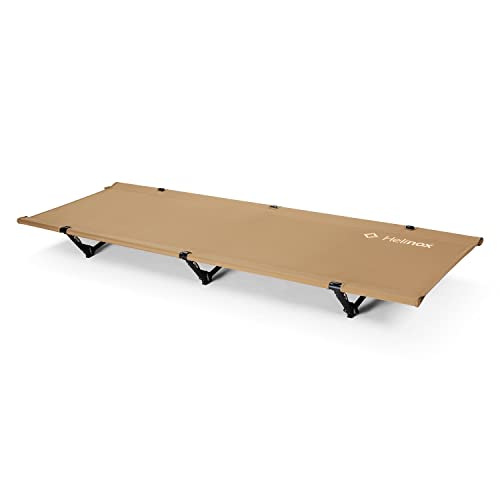
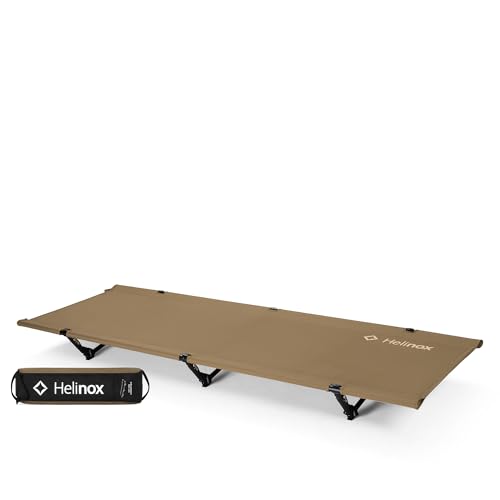



| 275 lblisting | Aluminumlisting | — | Singlelisting | — | Check price | |
Helinox Lite CotCot More specs
| 265 lblisting | Aluminumlisting | 5x21listing | Ultralight lowlisting | 73x23.5listing | Check price |
| 250 lblisting | Steellisting | — | Singlelisting | 74x30listing | Check price | |
| 250 lblisting | Aluminumlisting | — | Ultralight lowlisting | 74x25listing | Check price | |
| 250 lblisting | Aluminumlisting | — | Ultralight lowlisting | 76x30listing | Check price | |
Ever Advanced Ultralight Aluminum Camping CotCot More specs
| 225 lblisting | Aluminumlisting | 19x9x6listing | Ultralight lowlisting | 75x26listing | Check price |
| 200 lblisting | Steellisting | — | Bunklisting | 65x32listing | Check price | |
| 200 lblisting | Steellisting | — | Singlelisting | 62x28listing | Check price | |
| — | — | — | Singlelisting | 75x28listing | Check price | |
| — | — | — | Singlelisting | — | Check price | |
| — | Steellisting | — | Doublelisting | — | Check price | |
| — | Steellisting | — | Singlelisting | — | Check price | |
| — | Steellisting | — | Singlelisting | — | Check price | |
| — | — | — | Tent cotlisting | — | Check price | |
| — | — | — | Singlelisting | — | Check price | |
| — | — | — | Singlelisting | — | Check price | |
| — | — | — | Singlelisting | — | Check price | |
| — | — | — | Tent cotlisting | — | Check price | |
| — | — | — | Tent cotlisting | — | Check price | |
| — | — | — | Singlelisting | 75x28.5listing | Check price | |
| — | — | — | Ultralight lowlisting | — | Check price | |
| — | — | 41x11listing | Singlelisting | 75x28listing | Check price | |
| — | — | — | Tent cotlisting | — | Check price | |
| — | — | — | Tent cotlisting | — | Check price | |
| — | — | — | Doublelisting | — | Check price | |
| — | — | — | Tent cotlisting | — | Check price | |
| — | — | — | Tent cotlisting | — | Check price | |
| — | Steellisting | — | Doublelisting | — | Check price | |
| — | — | — | Singlelisting | — | Check price | |
| — | — | — | Singlelisting | — | Check price | |
| — | Aluminumlisting | — | Ultralight lowlisting | — | Check price | |
| — | Aluminumlisting | — | Ultralight lowlisting | — | Check price | |
KingCamp 551Lbs Camping Cot for AdultsCot More specs
| — | Aluminumlisting | — | Singlelisting | — | Check price |
| — | Steellisting | — | Singlelisting | — | Check price | |
| — | Steellisting | — | Singlelisting | — | Check price | |
| — | Aluminumlisting | — | Singlelisting | — | Check price | |
| — | Aluminumlisting | — | Ultralight lowlisting | — | Check price | |
Marchway Lightweight Folding Camping Cot Bed with Lever LockCot More specs
| — | Aluminumlisting | — | Ultralight lowlisting | — | Check price |
| — | — | — | Singlelisting | — | Check price | |
| — | Steellisting | — | Singlelisting | — | Check price | |
| — | Aluminumlisting | — | Ultralight lowlisting | — | Check price | |
| — | Aluminumlisting | — | Ultralight lowlisting | — | Check price | |
| — | Aluminumlisting | — | Ultralight lowlisting | — | Check price | |
| — | Aluminumlisting | — | Ultralight lowlisting | — | Check price | |
| — | Aluminumlisting | — | Ultralight lowlisting | — | Check price | |
| — | — | — | Doublelisting | — | Check price | |
Naturehike Extra Wide GreenWild Camping CotCot More specs
| — | Aluminumlisting | — | Singlelisting | — | Check price |
| — | Aluminumlisting | — | Ultralight lowlisting | — | Check price | |
| — | Aluminumlisting | — | Ultralight lowlisting | — | Check price | |
| — | Aluminumlisting | — | Singlelisting | — | Check price | |
| — | Aluminumlisting | — | Singlelisting | — | Check price | |
| — | Steellisting | — | Singlelisting | — | Check price | |
| — | Aluminumlisting | — | Singlelisting | — | Check price | |
| — | Aluminumlisting | — | Ultralight lowlisting | — | Check price | |
| — | Aluminumlisting | — | Singlelisting | — | Check price | |
| — | — | — | Tent cotlisting | — | Check price | |
| — | — | — | Tent cotlisting | — | Check price | |
| — | Aluminumlisting | — | Tent cotlisting | — | Check price | |
| — | — | — | Singlelisting | — | Check price | |
| — | Steellisting | — | Doublelisting | — | Check price | |
| — | Aluminumlisting | — | Tent cotlisting | — | Check price | |
| — | Steellisting | — | Tent cotlisting | — | Check price | |
| — | Steellisting | — | Singlelisting | — | Check price | |
| — | — | — | Tent cotlisting | — | Check price | |
| — | — | — | Doublelisting | — | Check price | |
Outsunny Folding Camping Cot with Aluminum FrameCot More specs
| — | Aluminumlisting | — | Singlelisting | — | Check price |
| — | Aluminumlisting | — | Ultralight lowlisting | — | Check price | |
| — | Steellisting | — | Singlelisting | — | Check price | |
| — | Steellisting | — | Singlelisting | — | Check price | |
| — | Steellisting | — | Singlelisting | — | Check price | |
| — | Steellisting | — | Singlelisting | — | Check price | |
| — | Steellisting | — | Singlelisting | — | Check price | |
| — | — | — | Singlelisting | — | Check price | |
| — | Steellisting | — | Singlelisting | — | Check price | |
| — | — | — | Singlelisting | — | Check price | |
| — | Aluminumlisting | — | Singlelisting | — | Check price | |
Timber Ridge 31.8" Extra Wide Camping Cot for AdultCot More specs
| — | — | — | Singlelisting | — | Check price |
Timber Ridge Extra Wide Heavy Duty Camping Cot for AdultCot More specs
| — | — | — | Singlelisting | — | Check price |
Vingli Folding Camping CotCot More specs
| — | Steellisting | — | Singlelisting | — | Check price |
| — | — | — | Singlelisting | — | Check price | |
| — | Steellisting | — | Singlelisting | — | Check price | |
| — | Steellisting | — | Singlelisting | — | Check price | |
| — | Steellisting | — | Singlelisting | — | Check price | |
| — | Steellisting | — | Singlelisting | — | Check price | |
| — | Steellisting | — | Singlelisting | — | Check price | |
| — | Steellisting | — | Singlelisting | — | Check price |








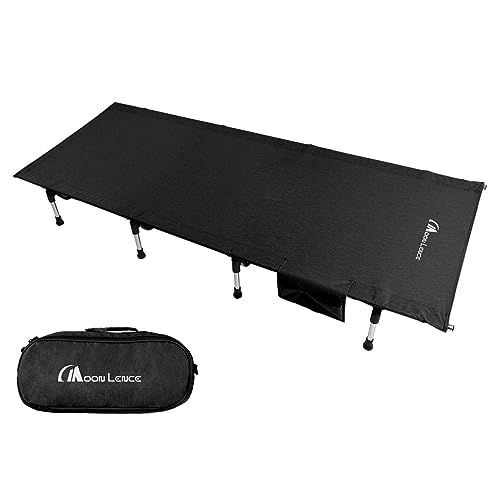


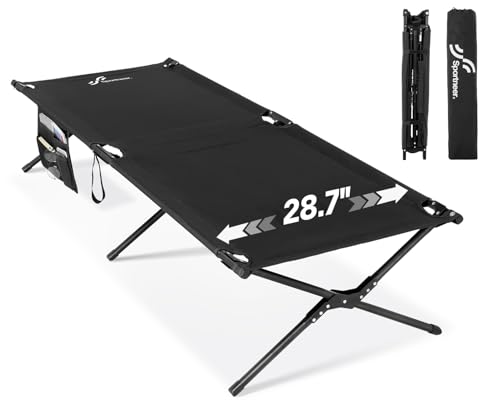


What’s in this listEvery camping cot we track on Amazon US, highest stated weight capacity first. “—” means neither the maker nor the Amazon listing states it.
What a camping cot is, and who it's for
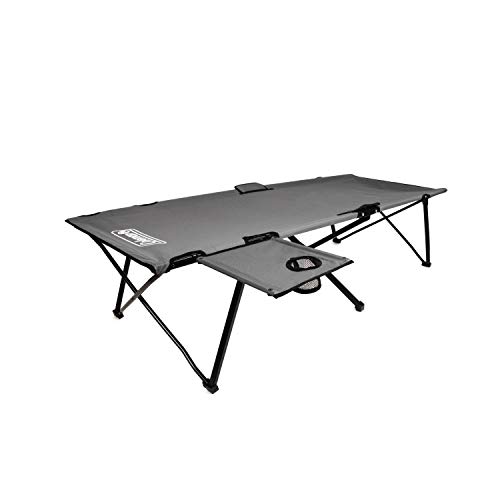
A camping cot is a raised bed: a fabric deck pulled tight over a frame, standing on legs, that folds or breaks down to travel. It keeps you off rocks, roots, wet ground and the slope you didn't notice until midnight. It also gives you a place to sit and pull on boots, and room underneath for a duffel.
Who it's for: anybody who sleeps where they park. Deer camp, a wall tent, a cabin bunk room, a family tent in a state park, the guest who stays over at the house. If you hike in to camp, a cot is usually more frame than you want to carry, and a sleeping pad on the ground is the lighter answer.
The table under this text lists camping cots, highest stated weight capacity first. It shows weight capacity, frame material, sleeping surface, height off the ground, cot weight, packed size and the cot type, as the makers list them, with the Amazon listing filling in where the maker is silent (marked as listing values). When neither gives a number, the table shows a dash. Weight is always the maker's own figure.
Two cousins have their own pages. A tent cot is a cot with a small tent built on top. A double camping cot sleeps two. This page covers the single cot most people mean when they say "camping cot."
What to look at when you pick a camping cot
Weight capacity is the maker's number, read it honestly
Weight capacity is the most a maker says the cot carries. On makers' own pages, single cots land around 300 lb; one lightweight cot lists 320 lb. Oversized cots go higher.
Read the fine print that comes with it. One maker's product guide says its capacity assumes the weight is spread evenly across the frame. The same guide warns that the frame can be damaged by an unbalanced load or a shock. Translation from shop-teacher English: lie on it, don't stand on it, and don't drop onto it from a full stand at the end of a long day. Sitting on the very end of the rail is an uneven load too.
Rule of thumb: count yourself plus the heavy coat and the sleeping bag. Then leave room.
Sleeping surface length and width decide whether you fit
The table lists the sleeping surface as length by width in inches. That's the deck you lie on, not the frame around it.
Makers' own numbers show the spread. One lightweight cot lists 75 by 26 inches, with a long version at 83 inches. One classic folding cot lists 76 by 25. Another lists 79 by 29. One maker's tent cots run from 79 to 90 inches long.
Measure yourself lying down, not standing. Your feet point, and your pillow takes room. If you're over 6 feet, look past the first number in the table. If you sleep on your side with your knees out, width matters more than length.
Height off the ground: low for tents, tall for sitting
The table shows how high the deck sits. This is the spec people skip and then think about every morning.
A low cot fits under sloped tent walls and weighs less. One lightweight cot sits 6.5 inches off the ground, and the same maker sells leg extensions that raise it to 15 inches. A classic folding cot lists 16 inches set up; another lists 19.
A tall cot is easier to sit on and stand up from, and it leaves storage space underneath. A low cot keeps your head clear of a dome tent's ceiling. My knees vote for tall. My old dome tent voted for low. The tent lost.
Frame material: steel for the truck, aluminum for the carry
The frame column shows steel, aluminum or other materials. Steel frames are heavy and stiff. Aluminum frames are lighter. Some cots mix them: one classic cot lists aluminum legs reinforced with steel hinges and supports.
Read the maker's page for this field, because it's where listings disagree. One cot's own page calls its frame aluminum in the introduction and powder-coated steel in the feature list. If the page can't agree with itself, the table may show the more careful value, or a dash.
Cot weight and packed size tell you where it travels
The table lists what the cot weighs and how big it is folded. Those two numbers decide the trip.
From makers' own pages: one lightweight cot packs into a 21 by 6 by 5.5-inch case. One classic folding cot folds to 37 by 7 by 6 inches and weighs 12 or 14 lb, depending on which line of its own page you read. A heavier quick-fold cot folds to 39 by 8 by 7 inches at 19 lb. That's the difference between a cot that rides in a pack and one that rides behind the truck seat.
Measure the space it'll ride in. A cot that doesn't fit the trunk is a cot that stays home.
Type: single, tent cot, double, bunk or low
The type column sorts cots by build: single, tent cot, double, bunkable or ultralight low. Most people want a single. The others are covered below and on their own pages.
Folding cot and camp bed styles, and when each fits
Classic folding cots on scissor legs
The folding cot most of us grew up with. The frame folds in one piece on scissor-action legs, and end bars snap or lever into place to pull the deck tight. One maker lists three scissor legs and two snap-on end braces on its classic cot. They set up fast, and they're heavy and long when folded. Good for the truck and the cabin.
Mine is one of these. My canvas cot came home with me in 1996, and it's still in the bunk room. The frame has been bolted back together twice. It has outlived two trucks and a kitchen stove, and it has never once asked me to download anything. Buy once, cry once. But check the hinges every fall, because a cot that old earns its inspections.
Lightweight pole-frame cots
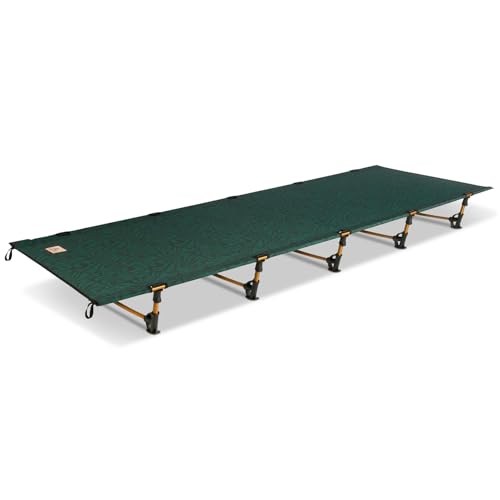
These break down into shock-corded poles, a fabric deck and clip-on legs, and pack small. One maker describes six pieces, a lever-lock that tensions the deck, and legs that take firm force to attach. They sit low unless you add leg extensions. Good for canoe trips, small tents and anybody who carries gear from the car more than a few steps.
Quick-fold and padded cots
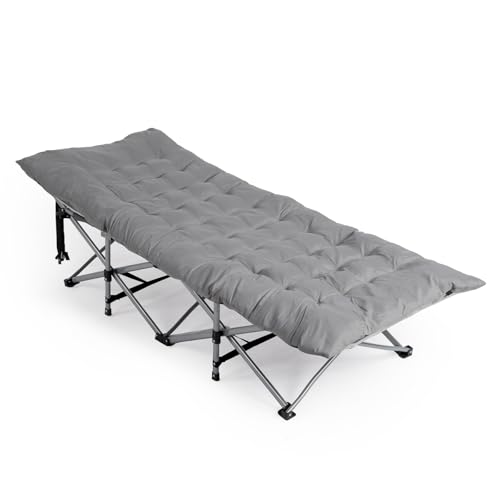
Some cots fold like a camp chair and add a padded head end or a storage hammock underneath. One lists a mesh storage hammock under the deck. They trade packed size and weight for setup speed and comfort. Danny says the space under a cot is the only closet at deer camp, and he's not wrong.
Tent cots, doubles and bunk cots
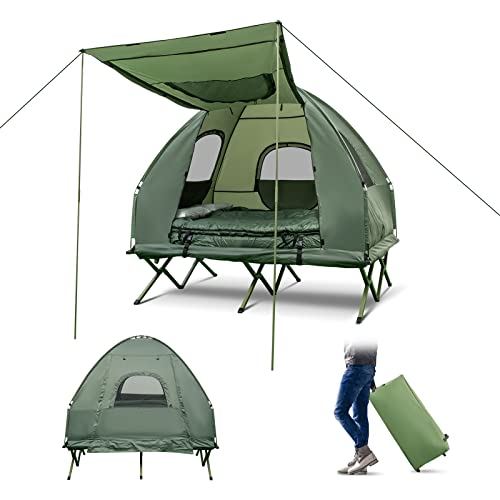
A tent cot adds a small tent on top of the cot, so it's a bed and a shelter in one. A double camping cot is wide enough for two. Bunkable cots stack into bunk beds and suit families short on floor space.
Keep cold out from under your camp bed
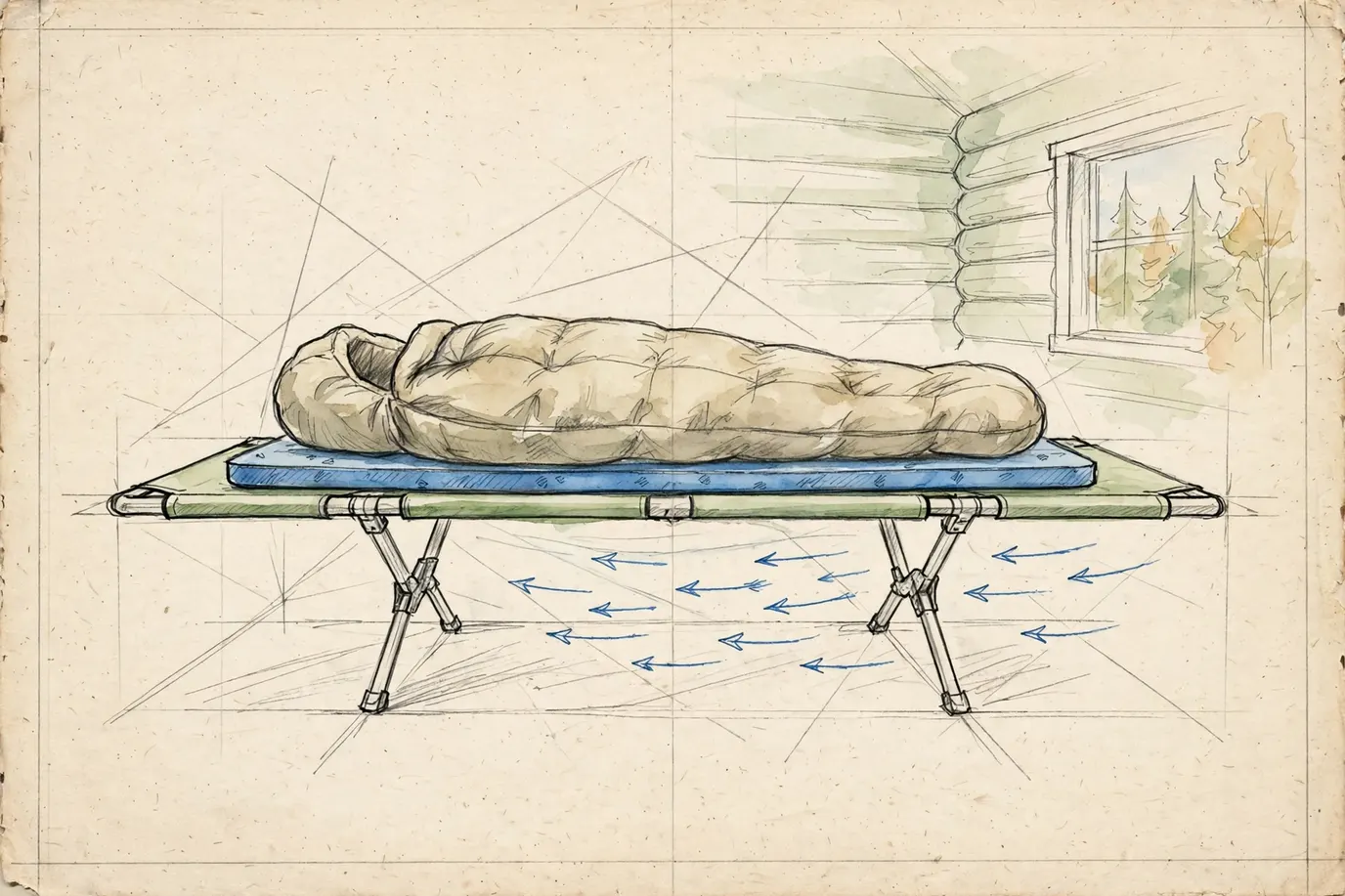
Air under a cot is free to move, and moving air takes heat. CORE's pad guide says it plainly: cold air circulates underneath a cot and can pull heat away from your body. Its fix is a sleeping pad on top of the cot as an insulating layer.
Pads are rated by R-value, which measures how well a pad resists heat loss. CORE's guidelines:
- R 1 to 2: summer trips
- R 3 to 4: spring and fall
- R 5 and up: cold weather and near-freezing nights
CORE also says pads can be layered, foam under an inflatable, to add insulation.
My one opinion on this page: put a pad on any cot you sleep on after Labor Day. The reason is in that guidance. A cot keeps you off the cold ground, and then hands you to the cold air instead. Even one cot maker notes that air moving underneath can feel cool. In November in Pennsylvania, that air has opinions.
Setting up a camping cot
- Pick flat, solid ground. One maker's guide says to use its cot only on a flat, solid surface.
- Clear rocks and sticks where the legs land, so one leg doesn't sink.
- On a classic cot, open the frame fully and seat each end bar. On a pole cot, follow the maker's order; one says start with the middle leg and work outward.
- Keep fingers out of the hinges and levers while the deck goes tight.
- Press down on the middle before you lie on it, and check every leg is seated.
That's a Saturday-afternoon job the first time. Do it once in the yard before the trip, not by headlamp in the rain.
Keep fingers clear of hinges and levers
In 2025 the CPSC announced a recall of a line of convertible camping cots because the backrest fold mechanism could pinch fingers. Keep hands clear of hinges, levers and end bars while you set up, fold or adjust any cot, and keep children away from the frame while it moves.
Who should skip a camping cot
Skip a cot if you backpack to camp. Even a light cot is a frame, and a pad on the ground does the job for less weight.
Skip it if your tent is a small dome and you want to sit up in bed. Measure the tent's height at the side wall first.
And if comfort is the whole goal and you sleep warm, look at the cot vs air mattress guide before you decide.
Care that keeps a cot going for decades
Let the deck dry before you fold it away; damp fabric packed tight is where mildew starts. Keep the cot out of excessive heat, which one maker warns can deform its parts. Check every rivet, hinge and end bar each season. Tighten what's loose, and replace what's bent.
My cot has made it 30 seasons that way. It creaks a little. So do I. Neither one of us is retiring.
Brands in this list
Related
Questions people ask
Are camping cots comfortable?
A cot's deck is a tight sheet of fabric, so it doesn't sag into a hammock or press rocks into your hip. That's the comfort case. The catch is cold: air moves under a cot and pulls heat out of you. One pad maker says to put a sleeping pad on top of the cot for insulation. With a pad, a cot sleeps well into the fall.
How much weight can a camping cot hold?
Whatever the maker states, and no more. Ratings on makers' own pages for single cots run around 300 to 320 lb, and oversized cots go higher. One maker notes its rating assumes the weight is spread evenly and warns the frame can be damaged by uneven loads or shock. So don't stand on it, and don't drop onto it.
What is the difference between a folding cot and a camp bed?
Mostly the name. Both mean a raised bed with a fabric deck on a frame that folds or breaks down for the trip. A folding cot usually folds as one unit on scissor legs. Some lightweight cots break down into poles and legs that pack into a small bag. A camp bed can also mean either one.
Should I use a sleeping pad on a cot?
In anything but warm weather, yes. One pad maker says cold air circulates under a cot and pulls heat from your body, and it suggests a pad on top. It lists R-value 1 to 2 for summer, 3 to 4 for spring and fall, and 5 and up for cold weather. Pads can be layered to add insulation.
Will a camping cot fit in my tent?
Check three numbers before you buy: the cot's length and width set up, its height, and your tent's height at the side wall where the cot will sit, not at the peak. A tall cot near a sloped wall leaves no room to sit up. Low cots fit small tents better; tall ones suit cabin tents and wall tents.
Sources
- Helinox: Cot One Convertible (product page) — accessed 2026-10-22
- Helinox Product Guide: High Cot One (assembly, warnings, care) — accessed 2026-10-22
- Kamp-Rite: Military style folding cot (product page) — accessed 2026-10-22
- Kamp-Rite: Standard Kwik-Cot (product page) — accessed 2026-10-22
- Kamp-Rite: Original tent cot (product page) — accessed 2026-10-22
- CORE Equipment: R-value explained, how to choose the right sleeping pad for camping — accessed 2026-10-22
- U.S. Consumer Product Safety Commission: Recall of convertible camping cots and suspension stretchers (2025) — accessed 2026-10-22