Camp Gear · Gear type
Camping Tents
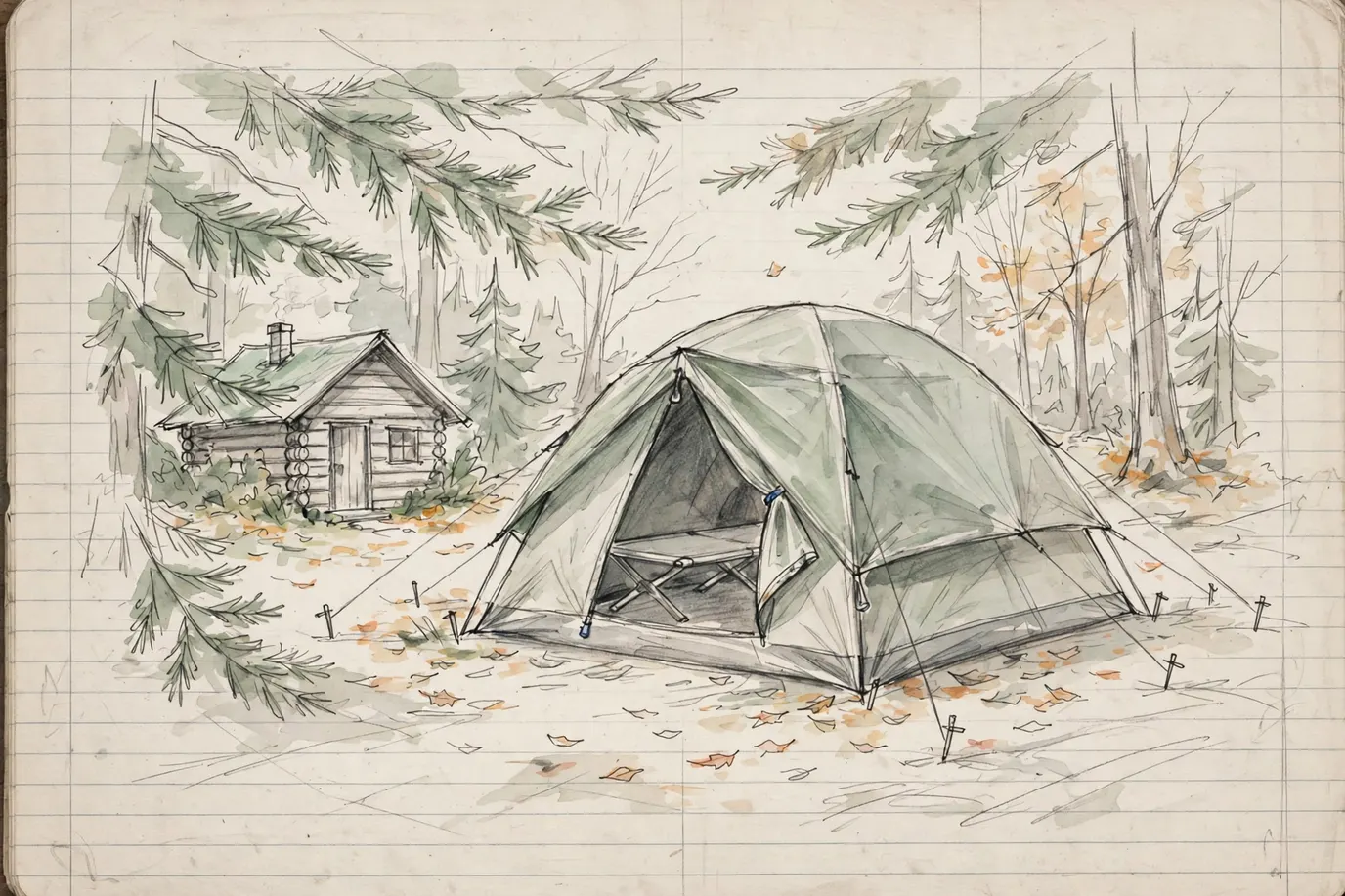
A camping tent is a portable shelter you sleep in, and picking one comes down to three questions: how many people and how much gear, what weather, and how you get it to camp. Answer those and the specs on this page sort themselves out. Size first, seasons second, the details third. Here's the thing: the number on the box is the start of the math, not the end of it. (I learned that the year I put a cot in a tent that "sleeps four.")
We earn a commission if you buy through our links, at no cost to you. Disclosure
| Model | Weight | Center height | Sleeps | Floor length | Floor width | Floor area | Amazon |
|---|---|---|---|---|---|---|---|
ALPS Mountaineering Lynx 1-PersonTent More specs
| — | — | 1 personslisting | — | — | — | Check price |
| — | — | 1 personslisting | — | — | — | Check price | |
| — | — | 1 personslisting | — | — | — | Check price | |
Big Agnes Copper Spur UL1Tent More specs
| — | — | 1 personslisting | — | — | — | Check price |
| — | — | 1 personslisting | — | — | — | Check price | |
| — | — | 1 personslisting | — | — | — | Check price | |
Clostnature 1 Person Backpacking TentTent More specs
| — | — | 1 personslisting | — | — | — | Check price |
Geertop BlazerTent More specs
| 2.7 lbmaker | 36 inlisting | 1 personslisting | — | — | — | Check price |
Geertop BivyIITent More specs
| 2.9 lbmaker | 24 inmaker | 1 personslisting | — | — | — | Check price |
Geertop BlazerTent More specs
| 2.7 lbmaker | 36 inmaker | 1 personslisting | — | — | — | Check price |
| — | 36 inlisting | 1 personslisting | — | — | — | Check price | |
| — | 36 inlisting | 1 personslisting | — | — | — | Check price | |
Geertop BlazerTent More specs
| 2.7 lbmaker | 36 inlisting | 1 personslisting | — | — | — | Check price |
Geertop BivyIITent More specs
| 2.9 lbmaker | 24 inmaker | 1 personslisting | — | — | — | Check price |
Kazoo Waterproof Backpacking Tent Ultralight 1 Person Lightweight Tent More specs
| — | — | 1 personslisting | — | — | — | Check price |
| — | — | 1 personslisting | — | — | — | Check price | |
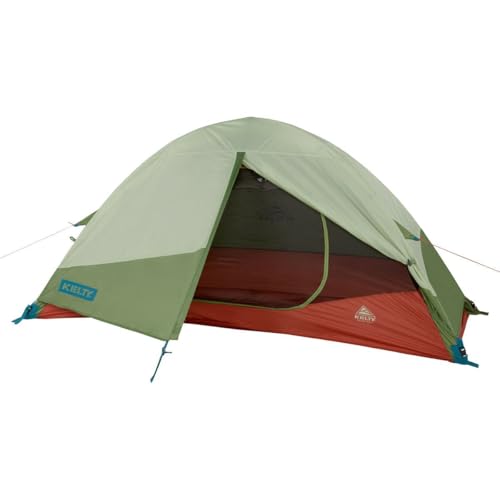
Kelty Late Start 1P Backpacking TentTent More specs
| — | — | 1 personslisting | — | — | — | Check price |
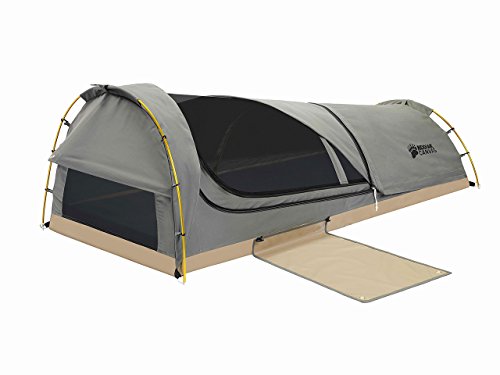
Kodiak Canvas 1-Person Canvas Swag Tent with Sleeping PadTent More specs
| — | — | 1 personslisting | — | — | — | Check price |
| — | — | 1 personslisting | — | — | — | Check price | |
| — | — | 1 personslisting | — | — | — | Check price | |
Naturehike Bikepacking 1 Person TentTent More specs
| — | — | 1 personslisting | — | — | — | Check price |
Naturehike Cloud-Up 1 Person TentTent More specs
| — | — | 1 personslisting | — | — | — | Check price |
NEMO Equipment Hornet OSMO Backpacking TentTent More specs
| — | — | 1 personslisting | — | — | — | Check price |
NEMO Equipment Hornet Elite OSMO TentTent More specs
| — | — | 1 personslisting | — | — | — | Check price |
NEMO Equipment Dragonfly OSMO Backpacking TentTent More specs
| — | — | 1 personslisting | — | — | — | Check price |
NEMO Equipment Dragonfly OSMO Bikepacking TentTent More specs
| — | — | 1 personslisting | — | — | — | Check price |
| — | — | 1 personslisting | — | — | — | Check price | |
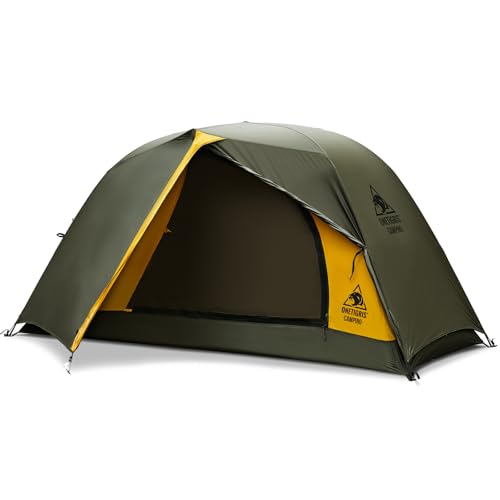
Onetigris Stella 4 Season Camping Tent Backpacking 1 Person WaterproofTent More specs
| — | — | 1 personslisting | — | — | — | Check price |
| — | — | 1 personslisting | — | — | — | Check price | |
| — | — | 1.5 personslisting | — | — | — | Check price | |
ALPS Mountaineering Taurus 2 OutfitterTent More specs
| — | — | 2 personslisting | — | — | — | Check price |
Ayamaya San Gabriel 4STent More specs
| 5.7 lbmaker | 49 inmaker | 2 personslisting | — | — | — | Check price |
| — | — | 2 personslisting | — | — | — | Check price | |
Ayamaya San Gabriel 4STent More specs
| 5.7 lbmaker | 49 inmaker | 2 personslisting | — | — | — | Check price |
| — | — | 2 personslisting | — | — | — | Check price | |
| — | — | 2 personslisting | — | — | — | Check price | |
| — | — | 2 personslisting | — | — | — | Check price | |
| — | — | 2 personslisting | — | — | — | Check price | |
Big Agnes Copper Spur UL 2-Person XLTent More specs
| — | — | 2 personslisting | — | — | — | Check price |
Big Agnes Copper Spur UL2Tent More specs
| — | — | 2 personslisting | — | — | — | Check price |


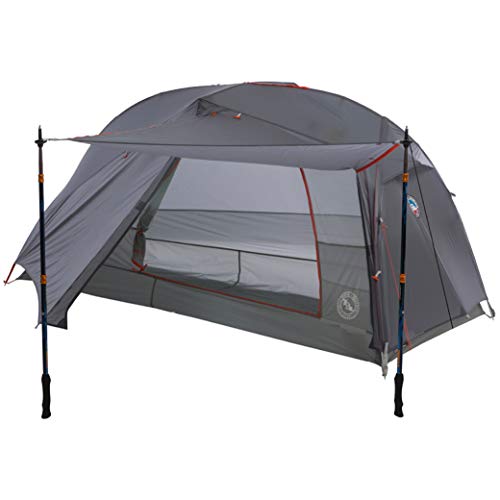


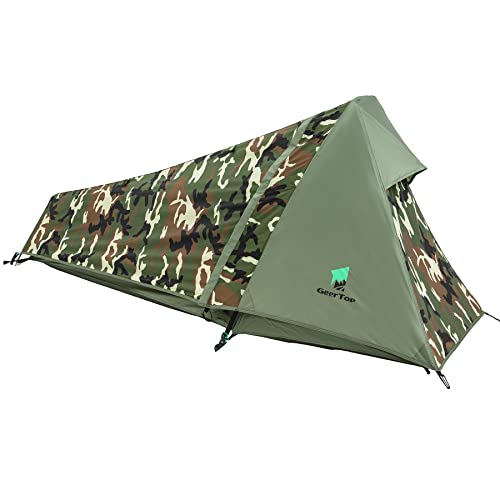

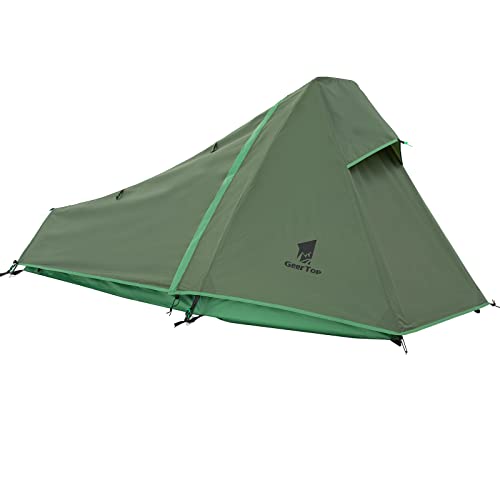









Big Agnes Fly Creek UL2Tent More specs
| — | — | 2 personslisting | — | — | — | Check price |
|---|---|---|---|---|---|---|---|
| — | — | 2 personslisting | — | — | — | Check price | |
Big Agnes Blacktail 2Tent More specs
| — | — | 2 personslisting | — | — | — | Check price |
Big Agnes Tiger Wall UL2Tent More specs
| — | — | 2 personslisting | — | — | — | Check price |
| — | — | 2 personslisting | — | — | — | Check price | |
Clostnature 2 Person Backpacking TentTent More specs
| — | 46 inlisting | 2 personslisting | — | — | — | Check price |
Clostnature 4 Season 2 Person Backpacking TentTent More specs
| — | 46 inlisting | 2 personslisting | — | — | — | Check price |
Clostnature 2 Person Waterproof Camping TentTent More specs
| — | 46 inlisting | 2 personslisting | — | — | — | Check price |
Geertop Toproad2Tent More specs
| 6.9 lbmaker | — | 2 personslisting | — | — | — | Check price |
Geertop NavigatorTent More specs
| — | 39.4 inmaker | 2 personslisting | — | — | — | Check price |
Geertop Toproad2Tent More specs
| 6.9 lbmaker | — | 2 personslisting | — | — | — | Check price |
Geertop Toproad2Tent More specs
| 6.9 lbmaker | — | 2 personslisting | — | — | — | Check price |
Geertop 2-Person Blackout Camping TentTent More specs
| — | — | 2 personslisting | — | — | — | Check price |
| — | — | 2 personslisting | — | — | — | Check price | |
Kelty Wireless Freestanding Camping TentTent More specs
| — | — | 2 personslisting | — | — | — | Check price |
Kelty Grand Mesa 2P Backpacking TentTent More specs
| — | — | 2 personslisting | — | — | — | Check price |
Kelty Ashcroft 2P TentTent More specs
| — | — | 2 personslisting | — | — | — | Check price |
| — | — | 2 personslisting | — | — | — | Check price | |
Kelty Late Start 2P Backpacking TentTent More specs
| — | — | 2 personslisting | — | — | — | Check price |
Klymit Cross Canyon 2 TentTent More specs
| — | — | 2 personslisting | — | — | — | Check price |
Marmot Thor 2-Person TentTent More specs
| — | — | 2 personslisting | — | — | — | Check price |
Marmot Crane Creek 2P TentTent More specs
| — | — | 2 personslisting | — | — | — | Check price |
Marmot Limelight Backpacking Tent w/RainflyTent More specs
| — | — | 2 personslisting | — | — | — | Check price |
| — | — | 2 personslisting | — | — | — | Check price | |
| — | — | 2 personslisting | — | — | — | Check price | |
MSR Freelite 2-Person Ultralight Backpacking TentTent More specs
| — | — | 2 personslisting | — | — | — | Check price |
| — | — | 2 personslisting | — | — | — | Check price | |
| — | — | 2 personslisting | — | — | — | Check price | |
| — | — | 2 personslisting | — | — | — | Check price | |
Napier Sportz Camo Truck TentTent More specs
| — | — | 2 personslisting | — | — | — | Check price |
Napier Backroadz Truck TentTent More specs
| — | — | 2 personslisting | — | — | — | Check price |
Napier Backroadz Truck TentTent More specs
| — | — | 2 personslisting | — | — | — | Check price |
Napier Sportz Truck TentTent More specs
| — | — | 2 personslisting | — | — | — | Check price |
Napier Backroadz Truck Bed Tent 6'-6.3' Compact Regular Bed 2 PersoTent More specs
| — | — | 2 personslisting | — | — | — | Check price |
| — | — | 2 personslisting | — | — | — | Check price | |
Naturehike Cloud-Up 2 Person Tent Lightweight Backpacking Tent with FooTent More specs
| — | — | 2 personslisting | — | — | — | Check price |
Naturehike UL Star River 2 Person Backpacking TentTent More specs
| — | — | 2 personslisting | — | — | — | Check price |
Naturehike Mongar 2 Person Backpacking TentTent More specs
| — | — | 2 personslisting | — | — | — | Check price |
| — | — | 2 personslisting | — | — | — | Check price | |
| — | — | 2 personslisting | — | — | — | Check price | |
| — | — | 2 personslisting | — | — | — | Check price | |
| — | — | 2 personslisting | — | — | — | Check price | |
NEMO Equipment Hornet OSMO Backpacking TentTent More specs
| — | — | 2 personslisting | — | — | — | Check price |
NEMO Equipment Dagger OSMO Backpacking TentTent More specs
| — | — | 2 personslisting | — | — | — | Check price |
NEMO Equipment Dragonfly OSMO Bikepacking TentTent More specs
| — | — | 2 personslisting | — | — | — | Check price |
NEMO Equipment Dragonfly OSMO Backpacking TentTent More specs
| — | — | 2 personslisting | — | — | — | Check price |
Onetigris COSMITTO 2 Person Backpacking Tent Shelter- Free Standing LiTent More specs
| — | — | 2 personslisting | — | — | — | Check price |
Onetigris Mesh TentTent More specs
| — | — | 2 personslisting | — | — | — | Check price |
Onetigris Stella 4 Season Camping Tent Backpacking 2 Person WaterproofTent More specs
| — | — | 2 personslisting | — | — | — | Check price |
Onetigris SMOKEY HUT Hot Tent with Stove JackTent More specs
| — | 72 inlisting | 2 personslisting | — | — | — | Check price |
Onetigris Stella 4 Season Camping Tent Backpacking 2 Person WaterproofTent More specs
| — | — | 2 personslisting | — | — | — | Check price |
Onetigris SMOKEY HUT Hot Tent with Stove Jack & FloorTent More specs
| — | 72 inlisting | 2 personslisting | — | — | — | Check price |
Onetigris RAVEN NEST Hot Tent with Stove JackTent More specs
| — | — | 2 personslisting | — | — | — | Check price |
onewind 2 Person Mesh Tent with Camping PillowTent More specs
| — | — | 2 personslisting | — | — | — | Check price |
Pomoly Canvas Hot Tent Tipi TentTent More specs
| — | — | 2 personslisting | — | — | — | Check price |
Pomoly Openvista 2 Tunnel Tent 2P Camping Hot Tent Wood Stove TentTent More specs
| — | — | 2 personslisting | — | — | — | Check price |
| — | — | 2 personslisting | — | — | — | Check price | |
unp 2 Person Camping Tent Waterproof Family Dome Tent OutdoorTent More specs
| — | — | 2 personslisting | — | — | — | Check price |
unp Pop-up TentTent More specs
| — | — | 2 personslisting | — | — | — | Check price |
unp Dome TentTent More specs
| — | — | 2 personslisting | — | — | — | Check price |
Wakeman Outdoors 2 Person Camping Tent with Rain Fly and Carrying BaTent More specs
| — | — | 2 personslisting | — | — | — | Check price |
Wakeman 2 Person Camping Tent with Rain Fly and Carrying BagTent More specs
| — | — | 2 personslisting | — | — | — | Check price |
| — | — | 2 personslisting | — | — | — | Check price | |
Wakeman 2 Person Camping Tent with Rain Fly and Carrying BagTent More specs
| — | — | 2 personslisting | — | — | — | Check price |
ALPS Mountaineering Taurus 3 OutfitterTent More specs
| — | — | 3 personslisting | — | — | — | Check price |
Ayamaya 2-4 Person Dome TentTent More specs
| — | 53.1 inlisting | 3 personslisting | — | — | — | Check price |
Big Agnes Copper Spur HV UL 3-PersonTent More specs
| — | — | 3 personslisting | — | — | — | Check price |
| — | — | 3 personslisting | — | — | — | Check price | |
| — | — | 3 personslisting | — | — | — | Check price | |
Big Agnes Crag Lake SL3Tent More specs
| — | — | 3 personslisting | — | — | — | Check price |
Big Agnes Copper Spur UL 3-Person XLTent More specs
| — | — | 3 personslisting | — | — | — | Check price |
Big Agnes Copper Spur UL3Tent More specs
| — | — | 3 personslisting | — | — | — | Check price |
| — | — | 3 personslisting | — | — | — | Check price | |
| — | — | 3 personslisting | — | — | — | Check price | |
Campros CP CP 3 Person Dome TentTent More specs
| — | 47 inlisting | 3 personslisting | — | — | — | Check price |
Clostnature 3 Person Backpacking TentTent More specs
| — | 47 inlisting | 3 personslisting | — | — | — | Check price |
Core 3 Person Dome TentTent More specs
| — | 42 inlisting | 3 personslisting | — | — | — | Check price |
East Oak Pop Up Bubble Tent 2-3 PersonTent More specs
| — | 82.7 inlisting | 3 personslisting | — | — | — | Check price |
FanttikOutdoor Zeta C3 3 PersonTent More specs
| — | — | 3 personslisting | — | — | — | Check price |
Gazelle Tents T3X Hub TentTent More specs
| 28 lbmaker | 82 inlisting | 3 personslisting | — | — | 43 sq ftmaker | Check price |
Gazelle Tents T3X Hub Tent Overland EditionTent More specs
| 30 lbmaker | 82 inlisting | 3 personslisting | — | — | — | Check price |
| — | — | 3 personslisting | — | — | — | Check price | |
Goplus Pop-Up Camping Tent 2-3 PersonTent More specs
| — | — | 3 personslisting | — | — | — | Check price |
| — | — | 3 personslisting | — | — | — | Check price | |
Klymit Cross Canyon Tents 3-personTent More specs
| — | — | 3 personslisting | — | — | — | Check price |
Marmot Crane Creek 3P TentTent More specs
| — | — | 3 personslisting | — | — | — | Check price |
| — | — | 3 personslisting | — | — | — | Check price | |
Marmot Limelight Backpacking Tent w/RainflyTent More specs
| — | — | 3 personslisting | — | — | — | Check price |
| — | — | 3 personslisting | — | — | — | Check price | |
| — | — | 3 personslisting | — | — | — | Check price | |
| — | — | 3 personslisting | — | — | — | Check price | |
Naturehike Cloud Up 3 Person Backpacking Tent with FootprintTent More specs
| — | — | 3 personslisting | — | — | — | Check price |
Naturehike Cloud Up 3 Person Backpacking Tent with FootprintTent More specs
| — | — | 3 personslisting | — | — | — | Check price |
| — | — | 3 personslisting | — | — | — | Check price | |
NEMO Equipment Dagger OSMO Backpacking TentTent More specs
| — | — | 3 personslisting | — | — | — | Check price |
| — | — | 3 personslisting | — | — | — | Check price | |
NEMO Equipment Hornet OSMO Backpacking TentTent More specs
| — | — | 3 personslisting | — | — | — | Check price |
NEMO Equipment Dragonfly OSMO Backpacking TentTent More specs
| — | — | 3 personslisting | — | — | — | Check price |
Outsunny Camping Tents 3 Person Pop Up Tent Quick Setup Automatic BluTent More specs
| — | — | 3 personslisting | — | — | — | Check price |
Pomoly Openvista 3 Tunnel Tent 3P Camping Hot Tent Wood Stove TentTent More specs
| — | — | 3 personslisting | — | — | — | Check price |
Ayamaya 4-Person Tunnel TentTent More specs
| — | 51.6 inlisting | 4 personslisting | — | — | — | Check price |
Ayamaya 4-Person Pop Up Tent with SkylightTent More specs
| — | 49.2 inlisting | 4 personslisting | — | — | — | Check price |
Ayamaya 4-Person Dome TentTent More specs
| — | 53.1 inlisting | 4 personslisting | — | — | — | Check price |
Big Agnes Copper Spur UL4Tent More specs
| — | — | 4 personslisting | — | — | — | Check price |
Big Agnes Bunk House 4Tent More specs
| — | — | 4 personslisting | — | — | — | Check price |
| — | — | 4 personslisting | — | — | — | Check price | |
Big Agnes Big House 4Tent More specs
| — | 70 inlisting | 4 personslisting | — | — | — | Check price |
Campros CP CP Dome Tent 2/4/6 PersonTent More specs
| — | 50 inlisting | 4 personslisting | — | — | — | Check price |
Clostnature 4 Person Backpacking TentTent More specs
| — | 55 inlisting | 4 personslisting | — | — | — | Check price |
Clostnature 4 Person Waterproof Camping TentTent More specs
| — | 55 inlisting | 4 personslisting | — | — | — | Check price |
Coleman Stranger Things 4-Person Dome TentTent More specs
| — | — | 4 personslisting | — | — | — | Check price |
Core 4 Person Dome TentTent More specs
| — | 54 inlisting | 4 personslisting | — | — | — | Check price |
EchoSmile Instant Pop Up Tent 4 PersonTent More specs
| — | 47.24 inlisting | 4 personslisting | — | — | — | Check price |
FanttikOutdoor Alpha C4 Ultra 4 PersonTent More specs
| — | — | 4 personslisting | — | — | — | Check price |
FanttikOutdoor Zeta C4 Pro 4 PersonTent More specs
| — | — | 4 personslisting | — | — | — | Check price |
Gazelle Tents T4 Hub TentTent More specs
| 30 lbmaker | 78 inlisting | 4 personslisting | — | — | 61 sq ftmaker | Check price |
Gazelle Tents T4 Overland Edition GT401GRTent More specs
| — | 78 inlisting | 4 personslisting | — | — | — | Check price |
| — | 78 inlisting | 4 personslisting | — | — | — | Check price | |
Geertop Toproad4Tent More specs
| 9.1 lbmaker | — | 4 personslisting | — | — | — | Check price |
Geertop 4-6 Person Inflatable Tent With Stove JackTent More specs
| 33 lbmaker | 78.7 inmaker | 4 personsmaker | 9.8 ftmaker | — | — | Check price |
Goplus 4-Person Automatic Cabin TentTent More specs
| — | — | 4 personslisting | — | — | — | Check price |
Kazoo 4 Person Camping Tent Outdoor Waterproof Family Large Tents Tent More specs
| — | — | 4 personslisting | — | — | — | Check price |
Kelty Rumpus 4P Camping TentTent More specs
| — | — | 4 personslisting | — | — | — | Check price |
| — | — | 4 personslisting | — | — | — | Check price | |
Kelty Grand Mesa 4 Person Tent + Tent Footprint BundleTent More specs
| — | — | 4 personslisting | — | — | — | Check price |
| — | — | 4 personslisting | — | — | — | Check price | |
| — | — | 4 personslisting | — | — | — | Check price | |
Klymit Cross Canyon 4 TentTent More specs
| — | — | 4 personslisting | — | — | — | Check price |
Kodiak Canvas 9 x 8 ft. Flex-Bow Deluxe Canvas Camping TentTent More specs
| — | 73 inlisting | 4 personslisting | — | — | — | Check price |
Marmot Halo Family Camping Tent w/RainflyTent More specs
| — | — | 4 personslisting | — | — | — | Check price |
Marmot Limestone Family Camping Tent with RainflyTent More specs
| — | — | 4 personslisting | — | — | — | Check price |
| — | — | 4 personslisting | — | — | — | Check price | |
| — | — | 4 personslisting | — | — | — | Check price | |
Onetigris TEGIMEN Hammock Hot TentTent More specs
| — | — | 4 personslisting | — | — | — | Check price |
Onetigris TEGIMEN Hammock Hot TentTent More specs
| — | — | 4 personslisting | — | — | — | Check price |
Onetigris COZSHACK Hot Tent with Stove JackTent More specs
| — | — | 4 personslisting | — | — | — | Check price |
Onetigris JOVIAN 4 Person Camping Tent 3 Season Family Shelter Easy SeTent More specs
| — | — | 4 personslisting | — | — | — | Check price |
| — | — | 4 personslisting | — | — | — | Check price | |
Onetigris Tower M 4 Season Tent with Stove JackTent More specs
| — | 57.1 inlisting | 4 personslisting | — | — | — | Check price |
Onetigris ORBITIS 4 Season Tent with Stove Jack & Detachable FootprintTent More specs
| — | — | 4 personslisting | — | — | — | Check price |
| — | — | 4 personslisting | — | — | — | Check price | |
| — | — | 4 personslisting | — | — | — | Check price | |
Timber Ridge 4 Person Instant Pop Up Hub Tent for CampingTent More specs
| — | — | 4 personslisting | — | — | — | Check price |
Timber Ridge 4 Person Instant Pop Up Hub TentTent More specs
| — | — | 4 personslisting | — | — | — | Check price |
Timber Ridge Camping TentTent More specs
| — | — | 4 personslisting | — | — | — | Check price |
unp 4-Person Tent Portable Cabin TentTent More specs
| — | — | 4 personslisting | — | — | — | Check price |
Big Agnes Copper Spur UL5Tent More specs
| — | — | 5 personslisting | — | — | — | Check price |
Goplus 3-5 Person Cabin Camping TentTent More specs
| — | 90 inlisting | 5 personslisting | — | — | — | Check price |
Napier Sportz SUV TentTent More specs
| — | — | 5 personslisting | — | — | — | Check price |
Napier Backroadz SUV TentTent More specs
| — | — | 5 personslisting | — | — | — | Check price |
Timber Ridge 5 Person Truck-Bed-Tents SUV Camping TentTent More specs
| — | — | 5 personslisting | — | — | — | Check price |
Timber Ridge 5 Person Tent for Car CampingTent More specs
| — | — | 5 personslisting | — | — | — | Check price |
Wakeman Camping TentTent More specs
| — | — | 5 personslisting | — | — | — | Check price |
Ayamaya 6-Person Pop Up TentTent More specs
| — | 53.5 inlisting | 6 personslisting | — | — | — | Check price |
Ayamaya 6-Person Pop Up TentTent More specs
| — | — | 6 personslisting | — | — | — | Check price |
Big Agnes Bunk House 6Tent More specs
| — | 78 inlisting | 6 personslisting | — | — | — | Check price |
Campros CP CP Dome Tent 2/4/6 PersonTent More specs
| — | 72 inlisting | 6 personslisting | — | — | — | Check price |
| — | 72 inlisting | 6 personslisting | — | — | — | Check price | |
| — | — | 6 personslisting | — | — | — | Check price | |
| — | — | 6 personslisting | — | — | — | Check price | |
Core 6 Person Instant Cabin TentTent More specs
| — | 72 inlisting | 6 personslisting | — | — | — | Check price |
Core 6 Person Instant Cabin TentTent More specs
| — | 72 inlisting | 6 personslisting | — | — | — | Check price |
Core Blackout 6 Person Instant Cabin TentTent More specs
| — | 72 inlisting | 6 personslisting | — | — | — | Check price |
Core Blackout 6 Person Dome TentTent More specs
| — | 72 inlisting | 6 personslisting | — | — | — | Check price |
Core 6 Person Lighted Dome TentTent More specs
| — | — | 6 personslisting | — | — | — | Check price |
Ever Advanced 6 Person Blackout Instant Cabin TentTent More specs
| — | 73 inlisting | 6 personslisting | — | — | — | Check price |
Ever Advanced Blackout 6 Person Cabin TentTent More specs
| — | 77 inlisting | 6 personslisting | — | — | — | Check price |
| — | 81 inlisting | 6 personslisting | — | — | — | Check price | |
FanttikOutdoor Zeta C6 Pro 6 PersonTent More specs
| — | — | 6 personslisting | — | — | — | Check price |
FanttikOutdoor Zeta C6 Pro 6 PersonTent More specs
| — | — | 6 personslisting | — | — | — | Check price |
FanttikOutdoor Beta C6 Apex SUV Tent 6 PersonTent More specs
| — | — | 6 personslisting | — | — | — | Check price |
FanttikOutdoor Alpha C6 Pro 6 PersonTent More specs
| — | 90.5 inlisting | 6 personslisting | — | — | — | Check price |
Goplus 4-6 Person Cabin Tent with PorchTent More specs
| — | 69 inlisting | 6 personslisting | — | — | — | Check price |
Kelty Rumpus 6P Camping TentTent More specs
| — | — | 6 personslisting | — | — | — | Check price |
| — | — | 6 personslisting | — | — | — | Check price | |
| — | — | 6 personslisting | — | — | — | Check price | |
Klymit Cross Canyon 6-Person Camping TentTent More specs
| — | — | 6 personslisting | — | — | — | Check price |
Kodiak Canvas Flex-Bow Canvas Tent Deluxe 10x10 ftTent More specs
| — | 78 inlisting | 6 personslisting | — | — | — | Check price |
Kodiak Canvas 10x10 Cabin Lodge Tent SRTent More specs
| — | 90 inlisting | 6 personslisting | — | — | — | Check price |
Kodiak Canvas 10 x 10 ft. Flex-Bow VX Canvas Camping TentTent More specs
| — | 78 inlisting | 6 personslisting | — | — | — | Check price |
Kodiak Canvas 12x9 Canvas Cabin Camping TentTent More specs
| — | — | 6 personslisting | — | — | — | Check price |
| — | — | 6 personslisting | — | — | — | Check price | |
Marmot Halo Family Camping Tent w/RainflyTent More specs
| — | — | 6 personslisting | — | — | — | Check price |
Marmot Limestone Family Camping Tent with RainflyTent More specs
| — | — | 6 personslisting | — | — | — | Check price |
Napier Sportz SUV Tent with Screen RoomTent More specs
| — | — | 6 personslisting | — | — | — | Check price |
Onetigris 6 Person Teepee TentTent More specs
| — | — | 6 personslisting | — | — | — | Check price |
| — | — | 6 personslisting | — | — | — | Check price | |
Timber Ridge 6 Person Blackout Design Camping TentTent More specs
| — | — | 6 personslisting | — | — | — | Check price |
Timber Ridge 6 Person Cabin TentTent More specs
| — | — | 6 personslisting | — | — | — | Check price |
Timber Ridge 6 Person Blackout Design Camping TentTent More specs
| — | — | 6 personslisting | — | — | — | Check price |
Timber Ridge Inflatable Tent 6 Person Hot Tent with Skylight & Stove JackTent More specs
| — | 78 inlisting | 6 personslisting | — | — | — | Check price |
unp 6 Person Tents for Camping Waterproof Family Cabin Tent withTent More specs
| — | — | 6 personslisting | — | — | — | Check price |
unp SUV Dome Tent for Camping Outdoor 6 Person Car Camping TentTent More specs
| — | — | 6 personslisting | — | — | — | Check price |
VEVOR Canvas Tent Bell TentTent More specs
| — | — | 6 personslisting | — | — | — | Check price |
| — | — | 8 personslisting | — | — | — | Check price | |
| — | 78 inlisting | 8 personslisting | — | — | — | Check price | |
| — | 72 inlisting | 8 personslisting | — | — | — | Check price | |
| — | 76 inlisting | 8 personslisting | — | — | — | Check price | |
Campros CP CP 4-8 Person TentTent More specs
| — | — | 8 personslisting | — | — | — | Check price |
| — | 72 inlisting | 8 personslisting | — | — | — | Check price | |
| — | 72 inlisting | 8 personslisting | — | — | — | Check price | |
| — | 74 inlisting | 8 personslisting | — | — | — | Check price | |
Ever Advanced 8 Person Blackout Cabin TentTent More specs
| — | 84 inlisting | 8 personslisting | — | — | — | Check price |
Ever Advanced 8 Person Blackout TentTent More specs
| — | 80 inlisting | 8 personslisting | — | — | — | Check price |
| — | 78 inlisting | 8 personslisting | — | — | — | Check price | |
| — | 78 inlisting | 8 personslisting | — | — | — | Check price | |
| — | 78 inlisting | 8 personslisting | — | — | — | Check price | |
Gazelle Tents T4 Tandem Hub TentTent More specs
| 56 lbmaker | 78 inlisting | 8 personslisting | — | — | 110 sq ftmaker | Check price |
| — | 78 inlisting | 8 personslisting | — | — | — | Check price | |
Goplus 6-8 Person Cabin Tent with PorchTent More specs
| — | 73 inlisting | 8 personslisting | — | — | — | Check price |
Kazoo Family Camping Tent Large Waterproof Tipi Tents 8 Person RooTent More specs
| — | — | 8 personslisting | — | — | — | Check price |
Kodiak Canvas Flex-Bow Canvas Tent Deluxe 10x14 ftTent More specs
| — | 78 inlisting | 8 personslisting | — | — | — | Check price |
Kodiak Canvas 12x12 Cabin Lodge Tent SRTent More specs
| — | — | 8 personslisting | — | — | — | Check price |
Kodiak Canvas 10 x 14 ft. Flex-Bow VX Canvas Camping TentTent More specs
| — | 78 inlisting | 8 personslisting | — | — | — | Check price |
| — | — | 8 personslisting | — | — | — | Check price | |
Timber Ridge 8 Person Camping Tent with Large PorchTent More specs
| — | — | 8 personslisting | — | — | — | Check price |
Timber Ridge 8 Person Instant Pop Up Cabin TentTent More specs
| — | — | 8 personslisting | — | — | — | Check price |
Timber Ridge 8 Person Family Camping Tent with Screen PorchTent More specs
| — | — | 8 personslisting | — | — | — | Check price |
unp 8 Person Tents for Camping Waterproof Family Cabin Tent withTent More specs
| — | — | 8 personslisting | — | — | — | Check price |
unp Camping Tent 8 Person Waterproof Big Tunnel Tent with ScreenTent More specs
| — | — | 8 personslisting | — | — | — | Check price |
Whiteduck PROTA Canvas TentTent More specs
| — | — | 8 personslisting | — | — | — | Check price |
Core 9 Person Instant Cabin TentTent More specs
| — | 78 inlisting | 9 personslisting | — | — | — | Check price |
Core 9 Person Dome TentTent More specs
| — | 72 inlisting | 9 personslisting | — | — | — | Check price |
Core 9 Person Instant Lighted Cabin TentTent More specs
| — | 78 inlisting | 9 personslisting | — | — | — | Check price |
Core Blackout 9 Person Instant Cabin TentTent More specs
| — | 78 inlisting | 9 personslisting | — | — | — | Check price |
Core 9 Person Dark Room TentTent More specs
| — | 72 inlisting | 9 personslisting | — | — | — | Check price |
Ayamaya 10-Person Multi Room TentTent More specs
| — | 78 inlisting | 10 personslisting | — | — | — | Check price |
Campros CP CP 10/12 Person Cabin TentTent More specs
| — | 72 inlisting | 10 personslisting | — | — | — | Check price |
Campros CP CP 10 Person Cabin TentTent More specs
| — | 82 inlisting | 10 personslisting | — | — | — | Check price |
| — | — | 10 personslisting | — | — | — | Check price | |
Core 10 Person Cabin TentTent More specs
| — | 86 inlisting | 10 personslisting | — | — | — | Check price |
Core 10 Person Cabin TentTent More specs
| — | 86 inlisting | 10 personslisting | — | — | — | Check price |
Core 10 Person Instant Cabin Tent with LED LightsTent More specs
| — | — | 10 personslisting | — | — | — | Check price |
Core 10 Person Instant Cabin TentTent More specs
| — | 78 inlisting | 10 personslisting | — | — | — | Check price |
Ever Advanced 10 Person Blackout TentTent More specs
| — | 84 inlisting | 10 personslisting | — | — | — | Check price |
FanttikOutdoor Zeta C10 Pro 10 PersonTent More specs
| — | — | 10 personslisting | — | — | — | Check price |
FanttikOutdoor Zeta C10 Pro Max 10 PersonTent More specs
| — | 80 inlisting | 10 personslisting | — | — | — | Check price |
Kodiak Canvas 12x16 Cabin Lodge Tent SRTent More specs
| — | — | 10 personslisting | — | — | — | Check price |
KTT Extra Large Tent 10 PersonTent More specs
| — | 74.4 inlisting | 10 personslisting | — | — | — | Check price |
Outsunny 10-Person Yurt Tent with Spacious Interior 16' x 16' x 10'Tent More specs
| — | — | 10 personslisting | — | — | — | Check price |
| — | — | 10 personslisting | — | — | — | Check price | |
Timber Ridge 10 Person Instant Cabin TentTent More specs
| — | — | 10 personslisting | — | — | — | Check price |
unp 10 Person Tents for Camping Family Outdoor Camping TentTent More specs
| — | — | 10 personslisting | — | — | — | Check price |
Whiteduck Alpha Pro Canvas Wall Tent Waterproof 4 Season Outdoor CampiTent More specs
| — | — | 10 personslisting | — | — | — | Check price |
Whiteduck Alpha Pro Canvas Wall Tent Waterproof 4 Season Outdoor CampiTent More specs
| — | — | 10 personslisting | — | — | — | Check price |
Core 11 Person Cabin Tent with Screen RoomTent More specs
| — | 86 inlisting | 11 personslisting | 17 ftlisting | 12 ftlisting | — | Check price |
Campros CP CP 12 Person TentTent More specs
| — | 72 inlisting | 12 personslisting | — | — | — | Check price |
| — | — | 12 personslisting | — | — | — | Check price | |
Core 12 Person Instant Cabin TentTent More specs
| — | 80 inlisting | 12 personslisting | — | — | — | Check price |
Core 12 Person Instant Cabin Tent with LED LightsTent More specs
| — | 80 inlisting | 12 personslisting | — | — | — | Check price |
Core 12 Person Cabin TentTent More specs
| — | 86 inlisting | 12 personslisting | — | — | — | Check price |
Core 12 Person Cabin TentTent More specs
| — | 86 inlisting | 12 personslisting | — | — | — | Check price |
Core 12 Person Instant Cabin TentTent More specs
| — | 80 inlisting | 12 personslisting | — | — | — | Check price |
FanttikOutdoor Zeta C12 Pro Max 12 PersonTent More specs
| — | 80 inlisting | 12 personslisting | — | — | — | Check price |
KTT Extra Large Tent 12 PersonTent More specs
| — | 79 inlisting | 12 personslisting | — | — | — | Check price |
KTT Extra Large Tent 12 PersonTent More specs
| — | 79 inlisting | 12 personslisting | — | — | — | Check price |
KTT Extra Large Tent 12 PersonTent More specs
| — | 79 inlisting | 12 personslisting | — | — | — | Check price |
KTT Extra Large Tent 12 PersonTent More specs
| — | 79 inlisting | 12 personslisting | — | — | — | Check price |
KTT Extra Large Tent 12 PersonTent More specs
| — | 79 inlisting | 12 personslisting | — | — | — | Check price |
KTT Extra Large Tent 12 PersonTent More specs
| — | — | 12 personslisting | — | — | — | Check price |
KTT Extra Large Tent 12 PersonTent More specs
| — | 79 inlisting | 12 personslisting | — | — | — | Check price |
KTT Extra Large Tent 12 PersonTent More specs
| — | 79 inlisting | 12 personslisting | — | — | — | Check price |
unp 12 Person Tents for Camping Waterproof Family Cabin Tent witTent More specs
| — | — | 12 personslisting | — | — | — | Check price |
KTT Extra Large Tent 14 PersonTent More specs
| — | 88.8 inlisting | 14 personslisting | — | — | — | Check price |
KTT Extra Large Tent 14 PersonTent More specs
| — | 88.8 inlisting | 14 personslisting | — | — | — | Check price |
KTT Extra Large Tent 14 PersonTent More specs
| — | 88.8 inlisting | 14 personslisting | — | — | — | Check price |
Ozark Trail Spacious Family Sized 16-Person Weather Resistant Ozark TraiTent More specs
| — | — | 16 personslisting | — | — | — | Check price |
| — | — | — | — | — | — | Check price | |
Coleman SundomeTent More specs
| — | — | — | — | — | — | Check price |
Coleman Instant Camping Tent 4/6/8/10 PersonTent More specs
| — | 72 inlisting | — | — | — | — | Check price |
Coleman Instant Camping Tent 4/6/8/10 PersonTent More specs
| — | — | — | — | — | — | Check price |
Coleman Skydome 4/6 Person with VestibuleTent More specs
| — | — | — | — | — | — | Check price |
Coleman Skydome Dark Room 4/6 PersonTent More specs
| — | — | — | — | — | — | Check price |
Coleman Skydome 2/4/6/8 PersonTent More specs
| — | — | — | — | — | — | Check price |
Coleman Skylodge Instant Tent 4/6/8 PersonTent More specs
| — | — | — | — | — | — | Check price |
Coleman Instant Camping Tent 4/6/8/10 PersonTent More specs
| — | — | — | — | — | — | Check price |
Coleman Sundome 2/3/4/6 PersonTent More specs
| — | — | — | — | — | — | Check price |
| — | 59 inlisting | — | — | — | — | Check price | |
| — | 72 inlisting | — | — | — | — | Check price | |
Coleman Skydome 4/6/8 Person with Screened PorchTent More specs
| — | — | — | — | — | — | Check price |
Coleman Instant Camping Tent 4/6/8/10 PersonTent More specs
| — | 59 inlisting | — | — | — | — | Check price |
Coleman Skydome 2/4/6/8 PersonTent More specs
| — | — | — | — | — | — | Check price |
Coleman Skydome Dark Room 4/6/8/10 PersonTent More specs
| — | — | — | — | — | — | Check price |
Coleman Skydome 2/4/6/8 PersonTent More specs
| — | — | — | — | — | — | Check price |
Coleman Sundome 2/3/4/6 PersonTent More specs
| — | — | — | — | — | — | Check price |
Coleman Skydome XL 8/12 PersonTent More specs
| — | — | — | — | — | — | Check price |
Erommy Family Inflatable Tent 8-10 PersonTent More specs
| — | — | — | — | — | — | Check price |
Gazelle Tents Backcountry T5 All-Season Hub TentTent More specs
| — | — | — | — | — | — | Check price |
| — | — | — | — | — | — | Check price | |
| — | — | — | — | — | — | Check price | |
Kelty Grand Mesa Backpacking TentTent More specs
| — | — | — | — | — | — | Check price |
| — | — | — | — | — | — | Check price | |
| — | — | — | — | — | — | Check price | |
Kelty Wireless Camping TentTent More specs
| — | — | — | — | — | — | Check price |
Kelty Wireless Camping TentTent More specs
| — | — | — | — | — | — | Check price |
KingCamp Canvas Bell TentTent More specs
| — | — | — | — | — | — | Check price |
KingCamp SUV TentTent More specs
| — | — | — | — | — | — | Check price |
KingCamp Canvas Bell Yurt Tents for 4 SeasonsTent More specs
| — | 117.6 inlisting | — | — | — | — | Check price |
KingCamp Camping Tent with Floor 6-8 PersonTent More specs
| — | 82.8 inlisting | — | — | — | — | Check price |
KingCamp SUV Tent for CampingTent More specs
| — | — | — | — | — | — | Check price |
KingCamp Insulated Winter Hot Tent with Stove Jack 5-6 Person QuiltedTent More specs
| — | — | — | — | — | — | Check price |
Kodiak Canvas Canvas Truck Tent 6 ft.Tent More specs
| — | 60 inlisting | — | — | — | — | Check price |
Kodiak Canvas Long Truck Bed Full-Size TentTent More specs
| — | 60 inlisting | — | — | — | — | Check price |
Kodiak Canvas 12x9 Canvas Cabin TentTent More specs
| — | 90 inlisting | — | — | — | — | Check price |
Kodiak Canvas Truck Tent: Midsize TruckTent More specs
| — | 60 inlisting | — | — | — | — | Check price |
Kodiak Canvas Glamping TentTent More specs
| — | — | — | — | — | — | Check price |
Kodiak Canvas 8.5 x 6 ft. Flex-Bow VX Canvas Camping TentTent More specs
| — | — | — | — | — | — | Check price |
KTT Extra Large Tent 10-12 PersonTent More specs
| — | 79 inlisting | — | — | — | — | Check price |
KTT Family Cabin Tent 6-8 PersonTent More specs
| — | — | — | — | — | — | Check price |
KTT Family Cabin Tent 6-8 PersonTent More specs
| — | 74.4 inlisting | — | — | — | — | Check price |
KTT Extra Large Tent 10-12 PersonTent More specs
| — | 79 inlisting | — | — | — | — | Check price |
| — | — | — | — | — | — | Check price | |
| — | — | — | — | — | — | Check price | |
Napier Sportz Truck Tent Blue/Grey for Compact Short BedTent More specs
| — | — | — | — | — | — | Check price |
Napier Sportz Truck Tent Blue/Grey for Full Size Long BedTent More specs
| — | — | — | — | — | — | Check price |
Napier Outdoors Sportz Truck Tent Blue/GreyTent More specs
| — | — | — | — | — | — | Check price |
Napier Sportz Truck Tent Blue/Grey for Full Size Crew CabTent More specs
| — | — | — | — | — | — | Check price |
Napier Enterprises Sportz Truck Tent III for Full Size Crew Cab TruTent More specs
| — | — | — | — | — | — | Check price |
Napier Backroadz Truck TentTent More specs
| — | — | — | — | — | — | Check price |
Napier Backroadz Truck TentTent More specs
| — | — | — | — | — | — | Check price |
Napier Backroadz Truck TentTent More specs
| — | — | — | — | — | — | Check price |
Naturehike Massif Hot Tent with Stove JackTent More specs
| — | — | — | — | — | — | Check price |
| — | — | — | — | — | — | Check price | |
| — | — | — | — | — | — | Check price | |
Naturehike Village Instant TentTent More specs
| — | — | — | — | — | — | Check price |
Naturehike Dune Hot Tent with Stove JackTent More specs
| — | — | — | — | — | — | Check price |
Naturehike Ranch Fire Teepee TentTent More specs
| — | — | — | — | — | — | Check price |
Naturehike Village Instant TentTent More specs
| — | — | — | — | — | — | Check price |
Naturehike Village Instant TentTent More specs
| — | — | — | — | — | — | Check price |
Naturehike Cape 4/6/8 Person Camping TentTent More specs
| — | — | — | — | — | — | Check price |
Naturehike Village Instant TentTent More specs
| — | — | — | — | — | — | Check price |
Naturehike Dune Hot Tent with Stove JackTent More specs
| — | — | — | — | — | — | Check price |
Naturehike Village Instant TentTent More specs
| — | — | — | — | — | — | Check price |
Naturehike Mongar Upgraded 1/2/3 Person Backpacking TentTent More specs
| — | — | — | — | — | — | Check price |
| — | — | — | — | — | — | Check price | |
| — | — | — | — | — | — | Check price | |
Naturehike Village Lite Camping TentTent More specs
| — | — | — | — | — | — | Check price |
Naturehike Village Instant TentTent More specs
| — | — | — | — | — | — | Check price |
Onetigris ROCDOMUS Hot Tent with Stove JackTent More specs
| — | — | — | — | — | — | Check price |
Onetigris COSMITTO 2.0 1P/2P Person Backpacking Tent Shelter- Free StaTent More specs
| — | — | — | — | — | — | Check price |
Onetigris Bastion 2P/4P Camping TentTent More specs
| — | — | — | — | — | — | Check price |
Onetigris Bastion 2P/4P Camping TentTent More specs
| — | — | — | — | — | — | Check price |
onewind Penumbra Hot TentTent More specs
| — | — | — | — | — | — | Check price |
| — | — | — | — | — | — | Check price | |
| — | — | — | — | — | — | Check price | |
onewind Ultralight One Person Bivy TentTent More specs
| — | — | — | — | — | — | Check price |
onewind One Person Tent with PillowTent More specs
| — | — | — | — | — | — | Check price |
onewind Ultralight One Person Camping Tent with Bugnet Rainfly PolesTent More specs
| — | — | — | — | — | — | Check price |
onewind One Person Backpacking Tent 2.0Tent More specs
| — | — | — | — | — | — | Check price |
OutdoorMaster Camping TentsTent More specs
| — | — | — | — | — | — | Check price |
OutdoorMaster Camping TentsTent More specs
| — | — | — | — | — | — | Check price |
OutdoorMaster Updated Pop Up Camping TentTent More specs
| — | — | — | — | — | — | Check price |
Outsunny 15.4'x15.4'x8.5' Teepee Tent Waterproof Camping 2-3 Person BTent More specs
| — | — | — | — | — | — | Check price |
Outsunny SUV Tent 2000mm Waterproof 7.5' L x 6.9' W x 6.9' H Gray andTent More specs
| — | — | — | — | — | — | Check price |
Pomoly Camping Hot Tent Bushcraft TentsTent More specs
| — | — | — | — | — | — | Check price |
Pomoly Tunnel Tent for 1-2P CampingTent More specs
| — | — | — | — | — | — | Check price |
Pomoly Dome Tent Camping Hot TentTent More specs
| — | — | — | — | — | — | Check price |
Pomoly Camping Hot Tent Cabin TentTent More specs
| — | — | — | — | — | — | Check price |
Pomoly Hot Tent Bushcraft TentTent More specs
| — | — | — | — | — | — | Check price |
Pomoly Camping Hot Tent Cabin Tent Plus-SizedTent More specs
| — | — | — | — | — | — | Check price |
Pomoly Dome Tent Freestanding Camping Hot TentTent More specs
| — | — | — | — | — | — | Check price |
Pomoly Dome X6 TC Dome Tent Tetron Cotton Freestanding Camping Hot Tent More specs
| — | — | — | — | — | — | Check price |
Pomoly Barracuda 2 Camping Dome Tent Hot Tent and Dagger Ti CampingTent More specs
| — | — | — | — | — | — | Check price |
Reactive Outdoor TentTent More specs
| — | — | — | — | — | — | Check price |
Reactive Outdoor TentTent More specs
| — | — | — | — | — | — | Check price |
Reactive Outdoor TentTent More specs
| — | — | — | — | — | — | Check price |
Rengue Pop Up Camping Tent Automatic Setup Rainproof Sun ProtectionTent More specs
| — | — | — | — | — | — | Check price |
Rengue Pop Up Camping Tent Automatic Setup Rainproof Sun ProtectionTent More specs
| — | — | — | — | — | — | Check price |
| — | — | — | — | — | — | Check price | |
Timber Ridge 4-5 Person Instant Pop Up Cabin Hub TentTent More specs
| — | — | — | — | — | — | Check price |
Timber Ridge 4-6 Person Instant Pop Up Hub TentTent More specs
| — | — | — | — | — | — | Check price |
Timber Ridge 4-6 Person Pop Up Hub TentTent More specs
| — | — | — | — | — | — | Check price |
Timber Ridge 5-9 Person SUV Tent with Screen Porch and Awning for CampingTent More specs
| — | — | — | — | — | — | Check price |
unp 8-10 Person Tents for Camping Waterproof Family Cabin Tent wTent More specs
| — | — | — | — | — | — | Check price |
| — | — | — | — | — | — | Check price | |
| — | — | — | — | — | — | Check price | |
Whiteduck Avalon Canvas Bell TentTent More specs
| — | — | — | — | — | — | Check price |
Whiteduck Avalon Canvas Bell TentTent More specs
| — | — | — | — | — | — | Check price |
Whiteduck Avalon Canvas Bell TentTent More specs
| — | — | — | — | — | — | Check price |
Whiteduck Avalon Canvas Bell TentTent More specs
| — | — | — | — | — | — | Check price |
Whiteduck Regatta Canvas Bell Tent w/Stove JackTent More specs
| — | — | — | — | — | — | Check price |
Whiteduck Regatta Canvas Bell Tent w/Stove JackTent More specs
| — | — | — | — | — | — | Check price |
Whiteduck Regatta Canvas Bell Tent w/Stove JackTent More specs
| — | — | — | — | — | — | Check price |
Whiteduck Avalon Canvas Bell TentTent More specs
| — | — | — | — | — | — | Check price |
Whiteduck Avalon Canvas Bell TentTent More specs
| — | — | — | — | — | — | Check price |
Whiteduck Alpha Canvas Wall Tent Waterproof 4 Season Outdoor Camping &Tent More specs
| — | — | — | — | — | — | Check price |
Whiteduck Alpha Canvas Wall Tent Waterproof 4 Season Outdoor Camping &Tent More specs
| — | — | — | — | — | — | Check price |
Whiteduck Avalon Canvas Bell TentTent More specs
| — | — | — | — | — | — | Check price |
Whiteduck Altimus Canvas Tent with Stove JackTent More specs
| — | — | — | — | — | — | Check price |
Whiteduck Altimus Canvas Tent with Stove JackTent More specs
| — | — | — | — | — | — | Check price |
Whiteduck Regatta Canvas Bell Tent w/Stove JackTent More specs
| — | — | — | — | — | — | Check price |
Whiteduck Regatta Canvas Bell Tent w/Stove JackTent More specs
| — | — | — | — | — | — | Check price |
Whiteduck Rover Canvas Scout TentTent More specs
| — | — | — | — | — | — | Check price |
Whiteduck Regatta Canvas Bell Tent w/Stove JackTent More specs
| — | — | — | — | — | — | Check price |


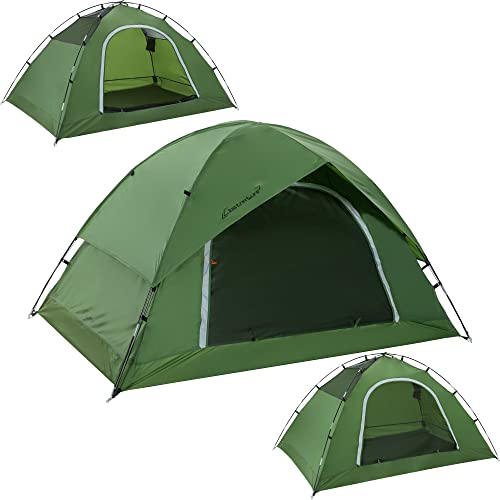
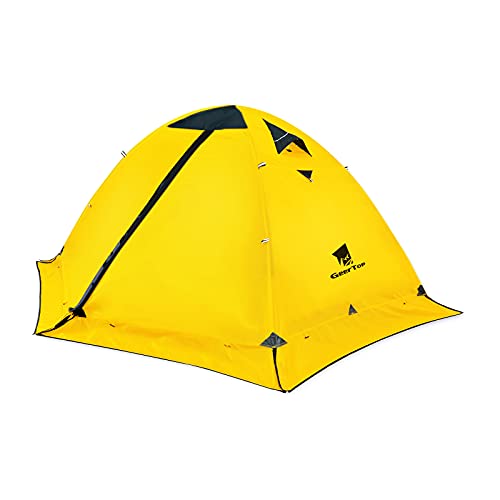
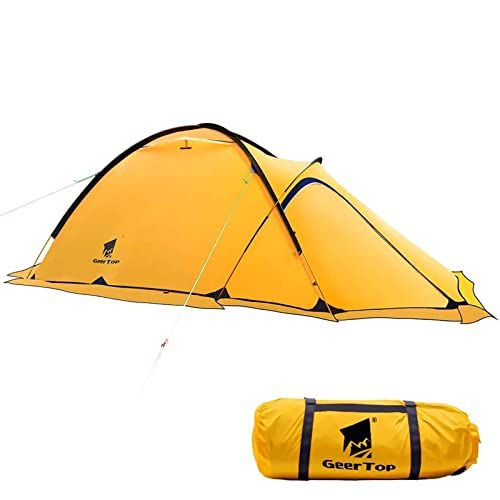


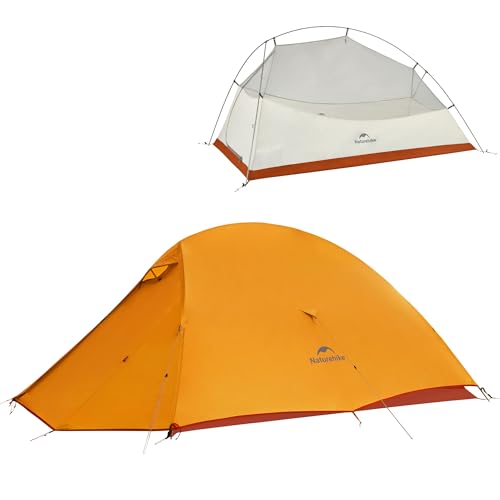
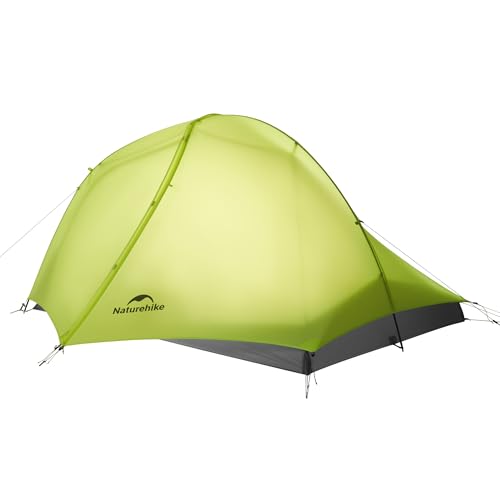


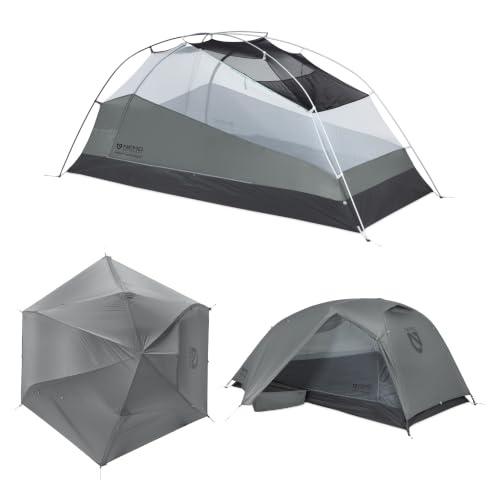


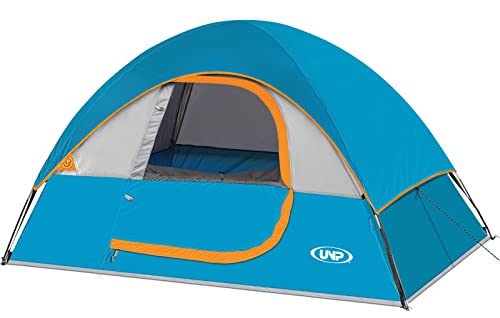


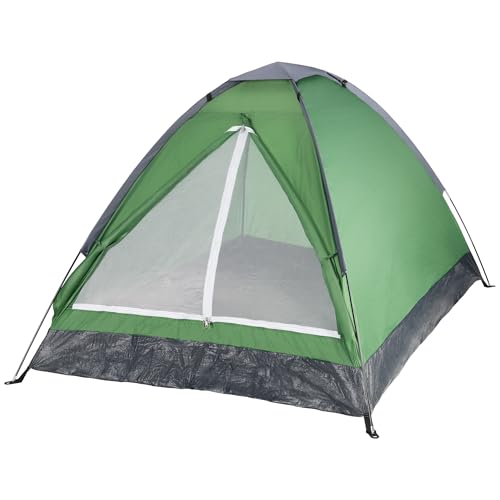


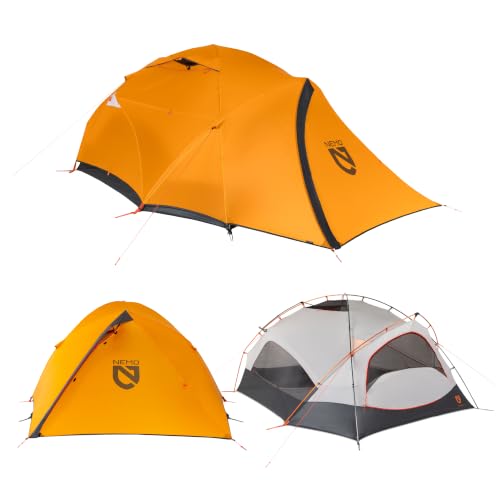


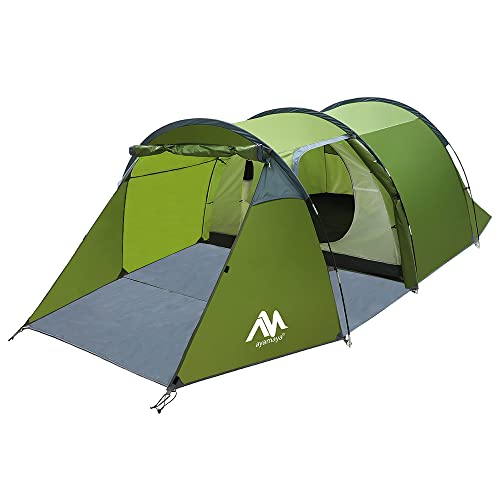


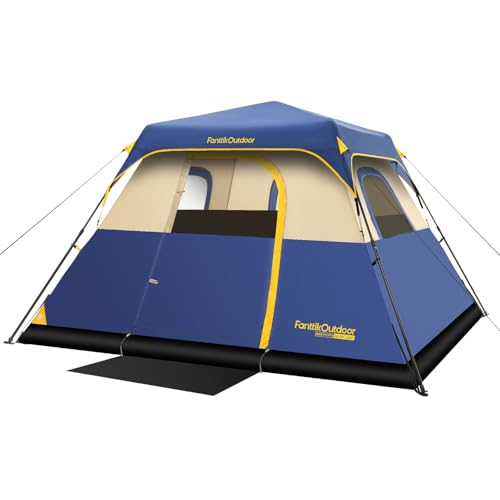


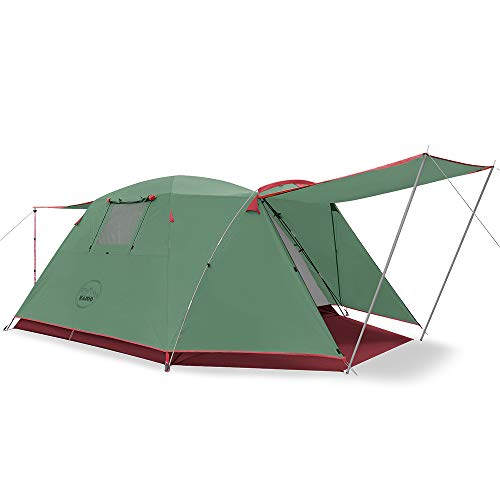

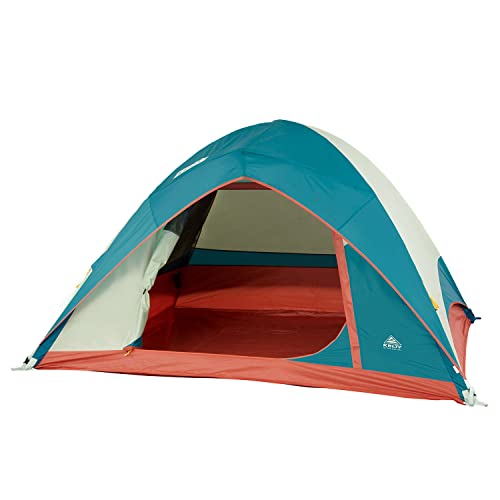


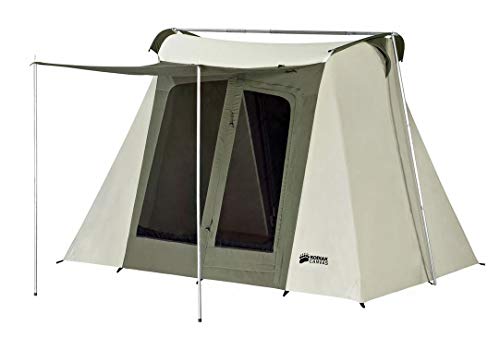
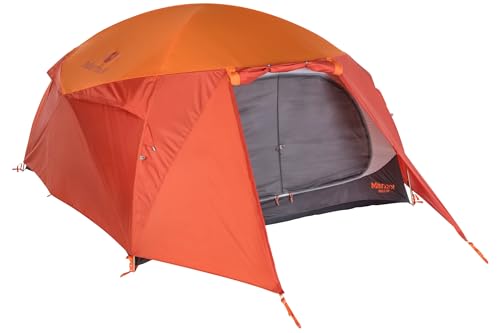


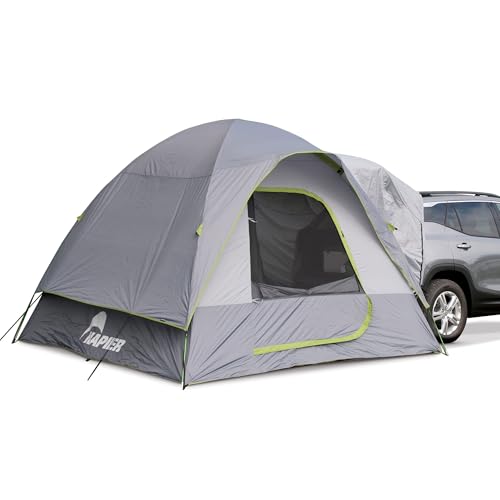


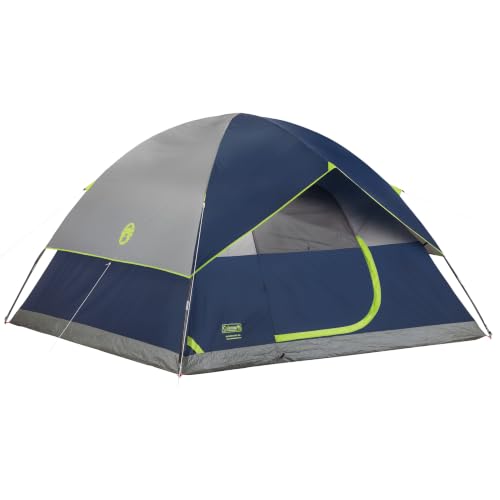

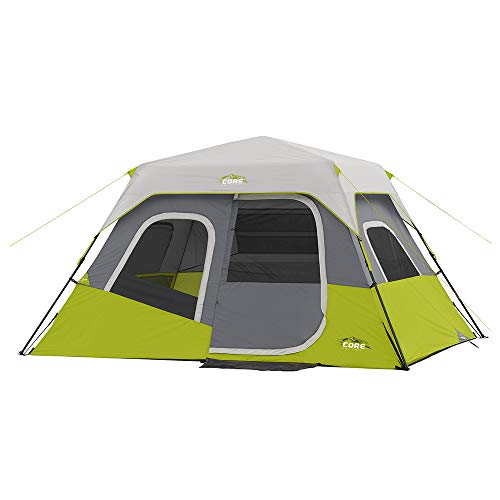


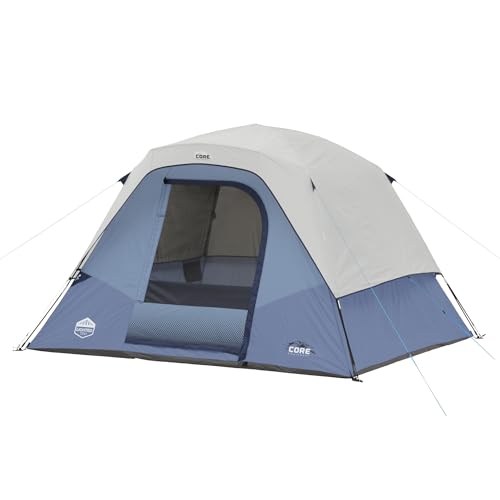


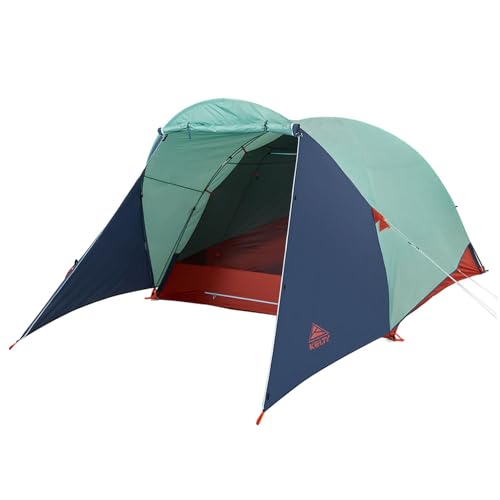


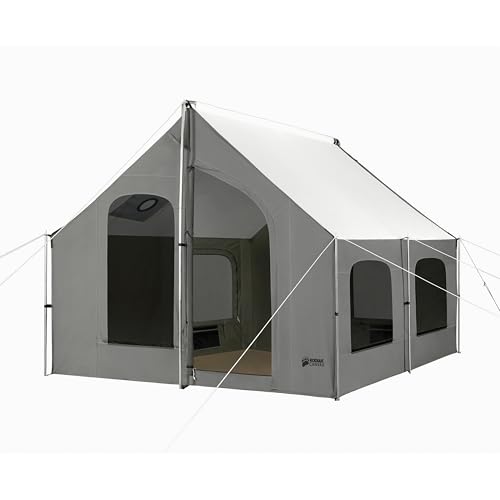


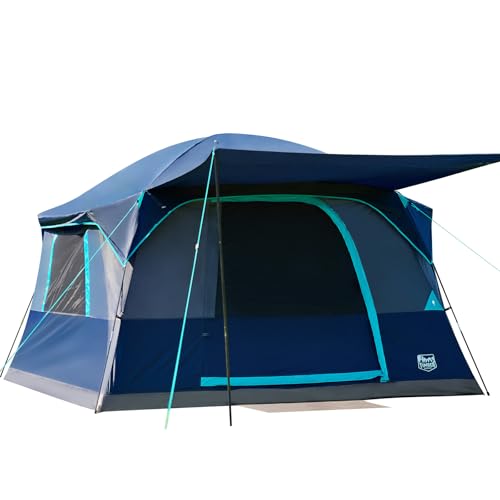

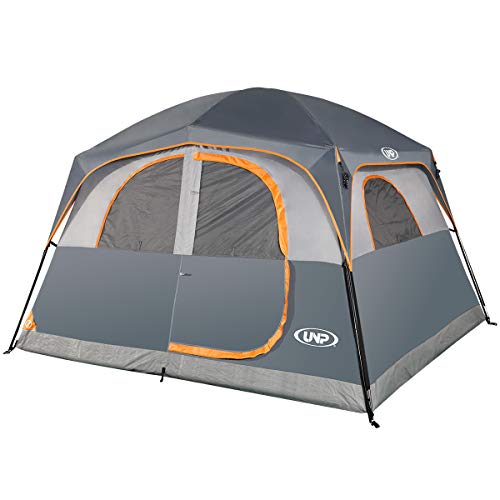


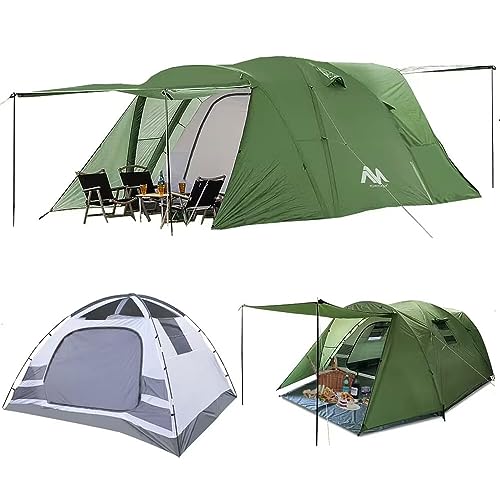


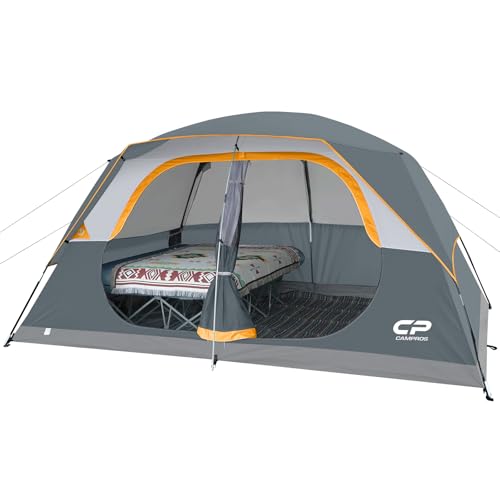


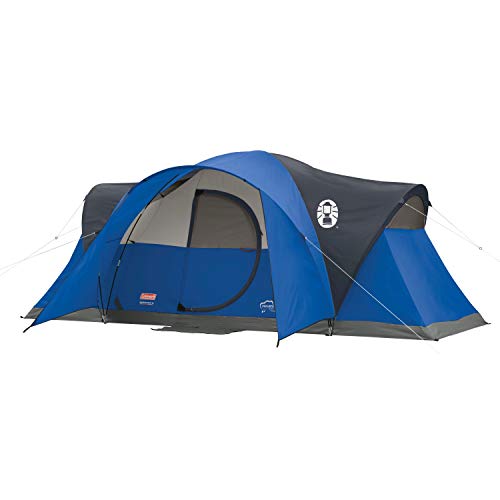


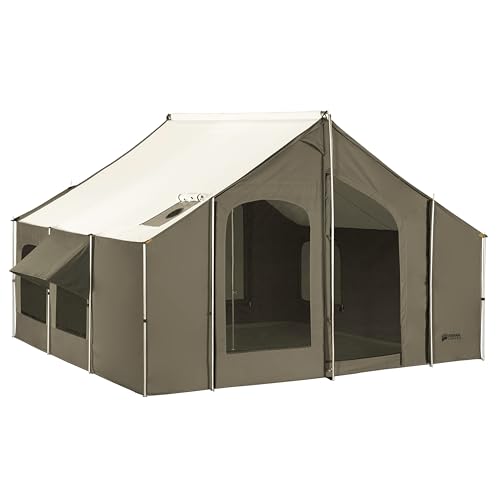


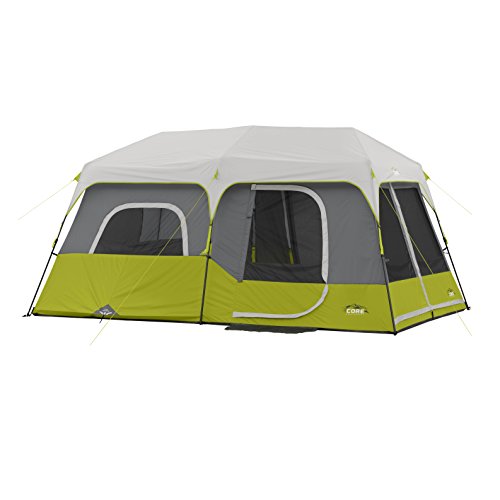
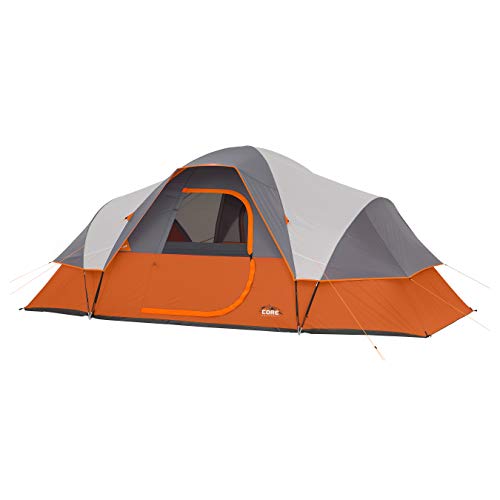


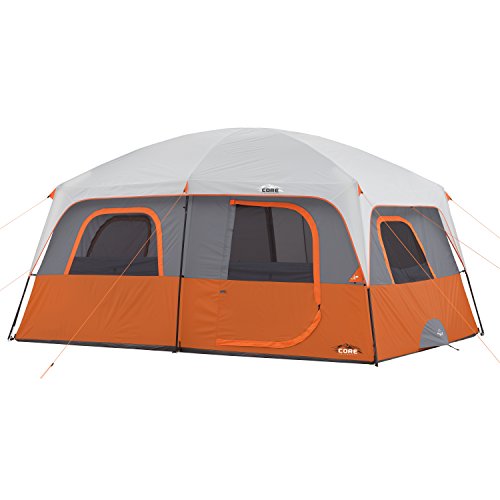


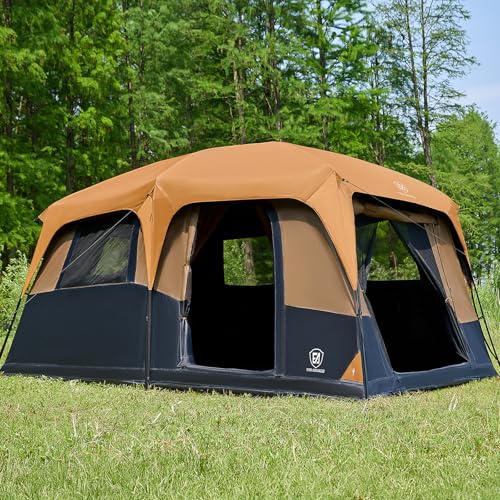

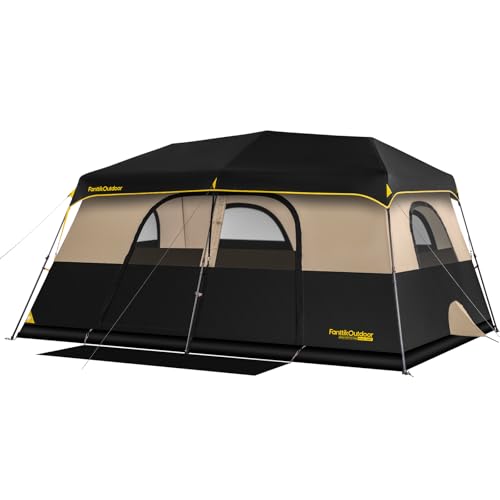

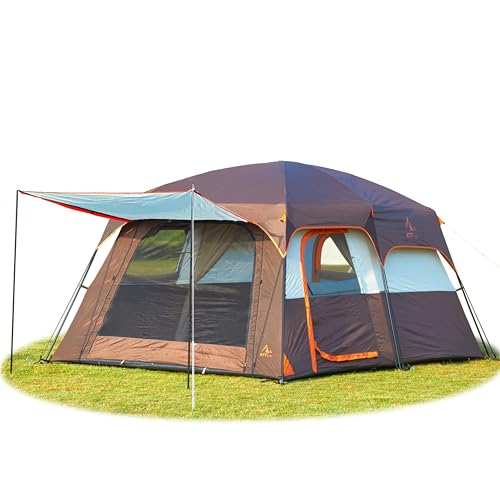
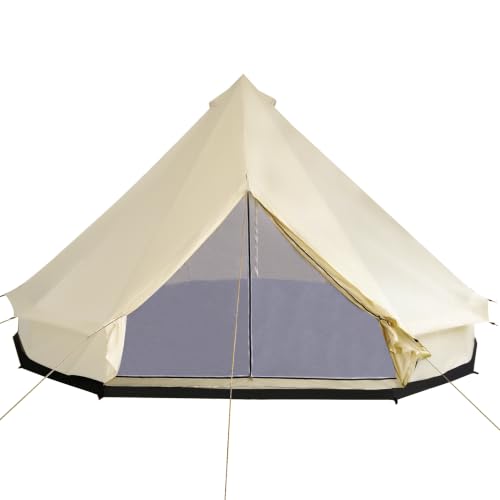
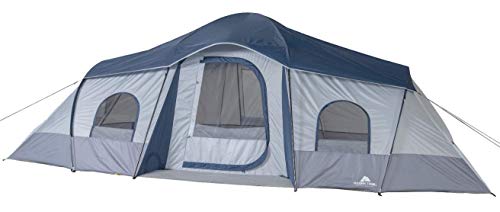
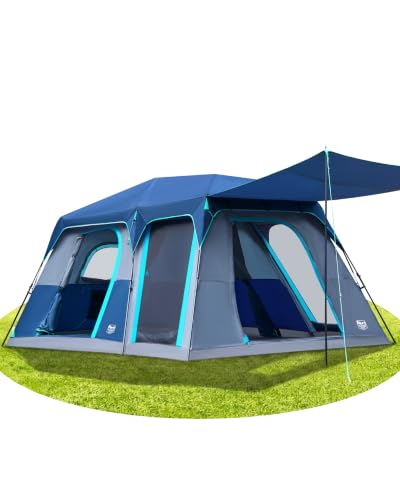


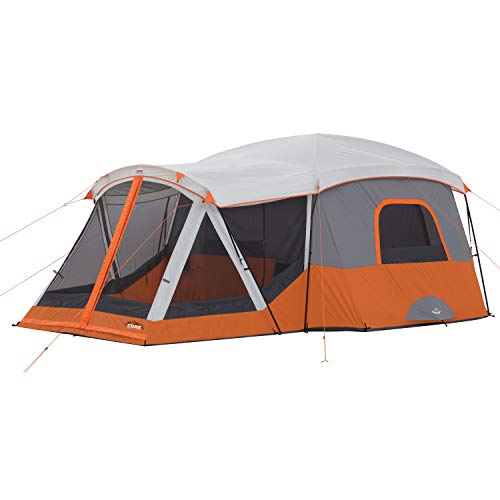


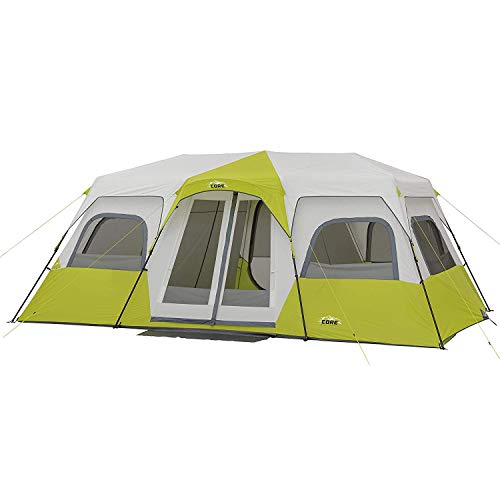

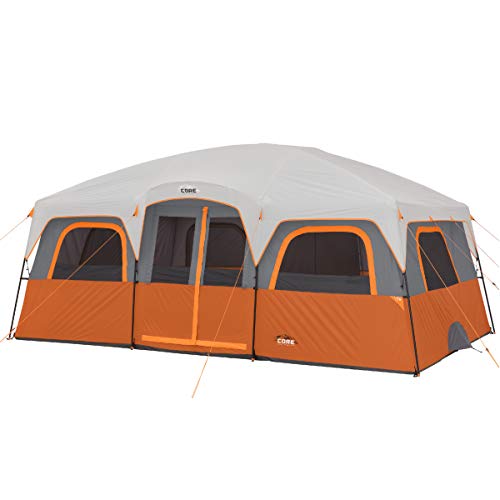


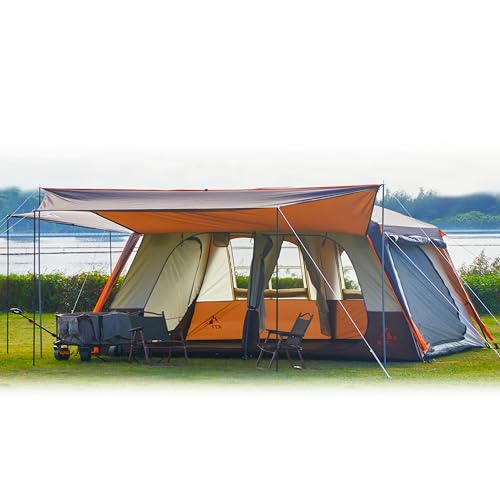


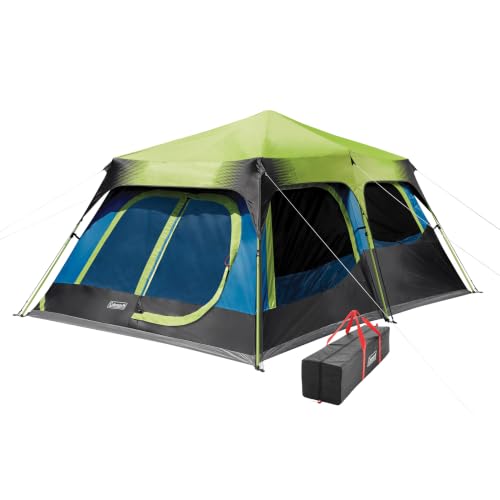


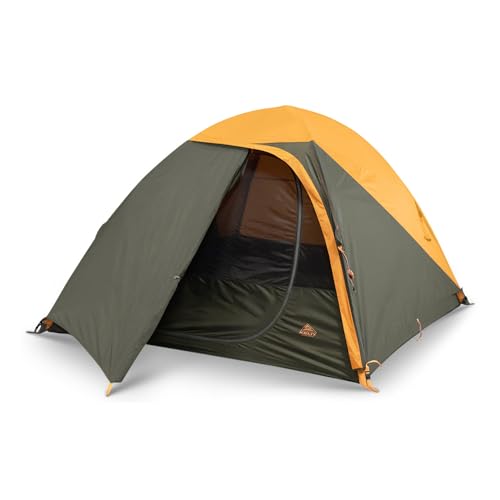


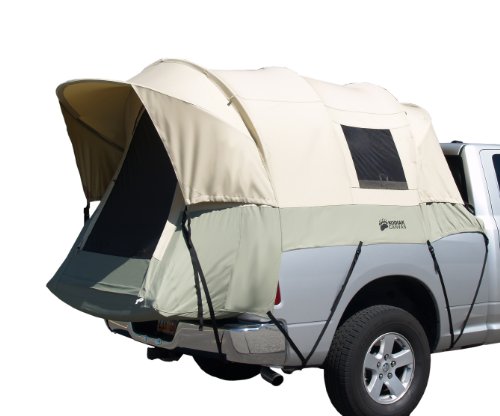
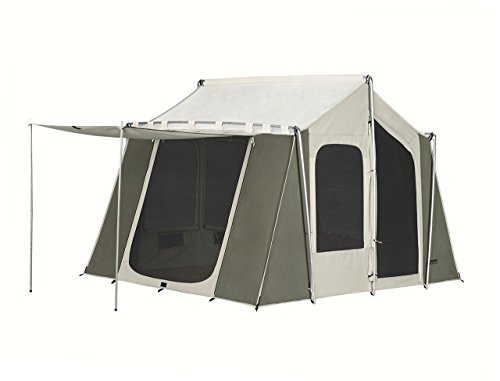
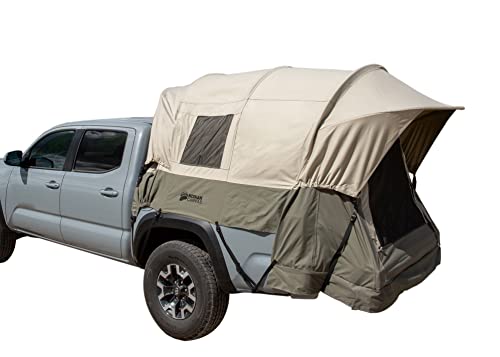


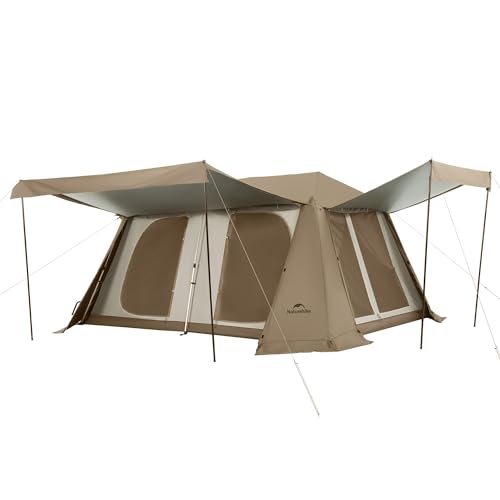


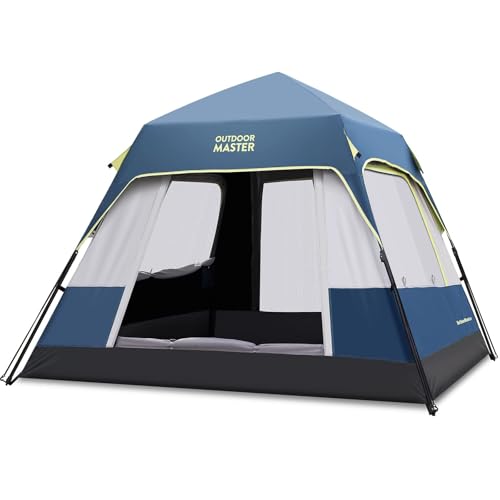


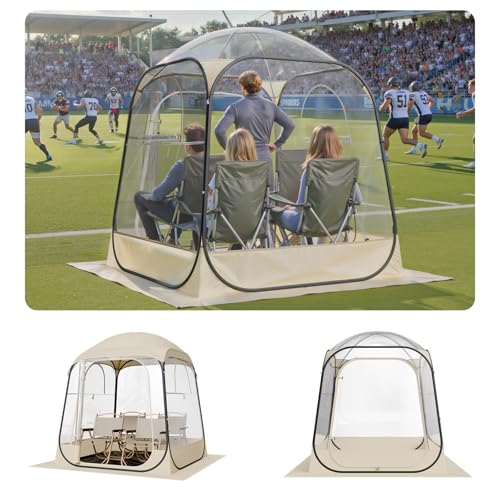


What’s in this listEvery camping tent we track on Amazon US, by stated capacity. “—” means neither the maker nor the Amazon listing states it.
What counts as a camping tent
A camping tent is the sleeping shelter you carry to a campsite by car, truck or a short walk, as opposed to an ultralight tent you carry on your back for days. Weight still matters, but floor space, headroom and weather protection usually win the argument.
This is the main page for the whole tent family on the site. The rest of the tent pages cut the same group by one feature: how it sets up, how many it sleeps, what it's made of, or what season it's built for. This page covers the specs every tent shares and how to read them.
The table on this page lists camping tents by stated capacity, the "sleeps" number the maker prints. It shows the specs the maker or the Amazon listing states, such as capacity, setup type, seasons, floor area and center height; values read from the listing are marked. When neither lists a value, you'll see a dash, not a guess. Claims like "4-season" or "waterproof" show up only when the maker says so about that exact model.
What to look at when you pick a camping tent
Here's the order I'd read a spec sheet in. Measure twice, pitch once.
Read "sleeps" as sleeping pads, not people with luggage
The capacity rating counts how many standard-width sleeping pads fit side by side on the floor. Four pads, four-person tent. One tent maker's sizing guide is plain that the number favors floor efficiency over comfort. It doesn't leave room for gear, elbows or anybody over six feet.
A tent's "sleeps six" is like a 2x4. The name and the real measurement are on speaking terms, but they aren't married.
Jess's take: "'Sleeps six' is a packing problem, not a promise." She made a floor plan on graph paper for her first tent. It was correct, and nobody thanked her.
Floor area beats the capacity number
Floor area, in square feet, is the number that tells you what fits. Two tents with the same capacity rating can feel very different if one has a longer floor or straighter walls.
Lay out what will actually go on the floor: pads or cots, duffels, boots, maybe a cooler on a rainy night. The same sizing guide points out that a queen air mattress uses about two campers' worth of floor, and that a cot lets you store gear underneath instead of beside you. Taller sleepers should check floor length too, so their feet and head aren't pressed against sloped walls.
Center height decides whether you can stand up
Center height is the peak, measured inside at the tallest point. It tells you if you can stand, change clothes or just sit up without wearing the ceiling like a hat. One maker's backpacking guide adds a detail worth borrowing: steeper, more vertical sidewalls let you sit near a wall without hunching. The peak only helps if it isn't one small spot in the middle.
Style: dome or cabin shape
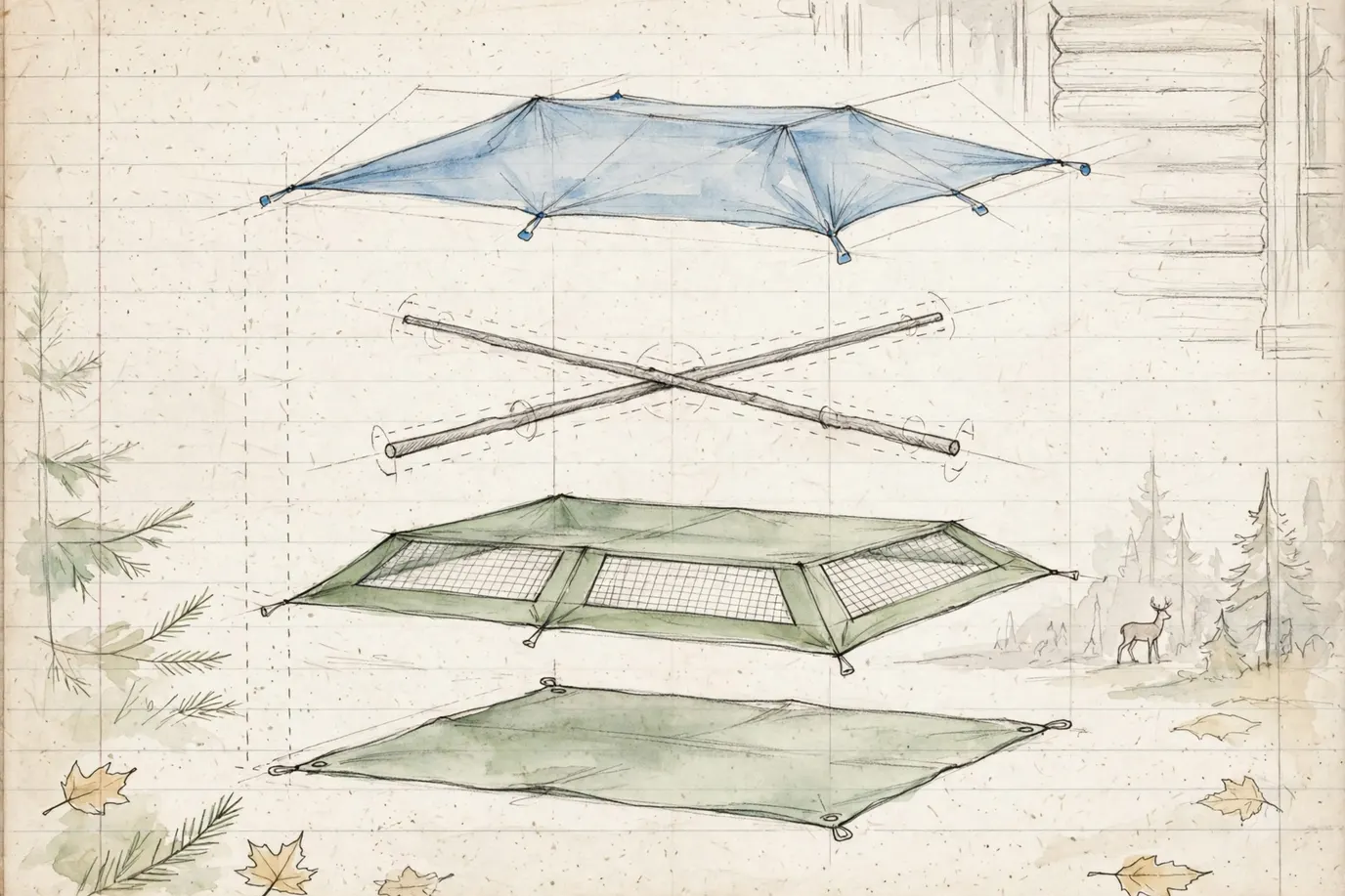
Style is the tent's shape. Dome tents use crossing poles that curve from corner to corner. They shed wind well, and the walls slope in. Cabin tents have near-vertical walls and more usable headroom across the floor. They feel like a room, and they catch more wind. The dome tent and cabin tent pages go deeper on each.
Setup type: loose poles, pre-attached frames or air
The setup field says how the tent goes up. Freestanding tents stand on their poles alone. Semi-freestanding tents need staked points or guy lines to hold their shape, per one maker's tent guide. Beyond that, there are instant tents with frames already attached, pop-up tents that spring open on their own, and inflatable tents held up by air beams.
Each of those has its own page: instant tents, pop-up tents and inflatable tents. The "setup time (claimed)" column is the maker's number for a practiced setup. Your first time in the dark won't match it. Nobody's does.
Seasons tell you what weather the tent was built for
Three-season tents are the common choice for spring through fall. One maker describes them as lighter and more versatile. Four-season tents are designed to keep snow and cold air out, which usually means stronger frames, heavier fabric and less mesh. They can feel stuffy on a mild night.
My one opinion on this page: a cheap tent is fine for one fair-weather weekend; for November in the mountains, buy for the worst night, not the average one. The reason is in that definition. A tent is designed for a weather range, and the night that tests it is the one outside the range. If your camp gets snow or hard wind, start on the winter camping tent page.
Before you decide what an "average" night is, look up the real lows for where and when you camp. Your own notes count, and so does your state's weather history. November nights are where tents go to be honest.
Rainfly: full coverage or a cap
The rainfly is the waterproof outer layer that goes over the tent body. Most camping tents are double-wall: a breathable inner tent with mesh, and a waterproof fly over it. A full fly reaches close to the ground on every side. A partial fly covers the roof and leaves walls exposed. The table shows the rainfly as the maker or the listing describes it. When neither says, it's a dash.
A fly that comes off is a plus in August. You get airflow on dry nights and protection when it rains.
Waterproof rating is about the fabric, not the whole tent
Some makers list a waterproof rating in millimeters. That's hydrostatic head: in a lab, a tube of water sits over a fabric sample and fills until water pushes through, and the height of the water column is recorded in millimeters. Higher holds back more pressure.
Two cautions. First, it's a lab number for the fabric. Seams, zippers, door design and how tight you pitch the fly all matter as much. Second, floors are often rated higher than flies, because kneeling on a wet floor pushes water through. One maker lists its fly, body and floor all at 1,500 mm; others rate floor and fly differently. Compare like with like, and expect plenty of dashes: many makers don't state this number at all. The waterproof tent page covers it in detail.
Fabric: polyester, nylon or canvas
Most camping tents are polyester or nylon with a waterproof coating on the fly and floor. Canvas and poly-cotton tents are heavier, and they're their own page: canvas tents. The table shows fabric as the maker or the listing lists it, sometimes with a denier number (thread thickness) in the notes.
Poles: what they're made of and how many
The poles field shows the material the maker states, usually fiberglass, steel or aluminum. More poles and pole crossings usually mean a stiffer frame. Replacement parts matter too. A pole you can replace is a Saturday-afternoon fix. A pole you can't is a new tent.
Doors and rooms
Doors are about traffic. Two doors means nobody climbs over anybody at 2 a.m. Rooms are counted the way the maker counts them, and a removable divider counts as two rooms in our data. A divider gives privacy, not soundproofing. The multi-room tent page has more on it.
Weight and stove jacks
Weight matters if you carry the tent any distance from the truck. Take the maker's number, since marketplace weights are often wrong in our data. A stove jack, a fire-safe opening for a stove pipe, appears on very few tents in this group. It defines a different kind of tent with its own rules, covered on the hot tent page.
What size tent do I need for camp
Start with the rating and adjust for real life. One tent maker's "rule of two" is simple: number of campers times two equals a comfortable tent rating. Two people, a 4-person tent. Four people, an 8-person tent. For 10 or more, the same guide suggests several smaller tents instead of one giant one.
Then adjust:
- Air mattresses: a queen takes about two campers' worth of floor
- Cots: more floor used, but gear fits underneath
- Gear inside: duffels, boots, coolers on a rainy night
- Kids and dogs: they take more room than their size suggests
- The site itself: some campgrounds have tent pads with size limits
My cot is longer than a sleeping pad and it doesn't fold small, so I size the tent for the cot, not for me. Plan for whatever you actually sleep on.
Which kind of camping tent fits your camp
The tent family splits a lot of ways. Here's the short map:
- Family tents and large camping tents: more floor, more height, more rooms
- Car camping tents: weight matters less because the truck carries it
- Instant tents: pre-attached frame, fast setup
- Pop-up tents: the frame springs open on its own
- Inflatable tents: air beams instead of poles
- Truck bed tents: pitched in the pickup bed
- Wall tents and hunting tents: long stays and cold weather
By capacity there are pages for 4-person, 6-person, 8-person, 10-person and 12-person tents.
Pitch it where the ground helps you
A good tent pitched in a bad spot is a bad tent. The National Park Service advice is short and right:
- Pick a large, flat spot and clear sticks, rocks and pinecones, which can puncture the floor.
- Stay out of low spots. Sunken ground gets very wet when it rains.
- Keep the tent away from the fire ring and cooking area, since sparks can melt or ignite the fabric.
- Avoid dead trees, ravines that might flood and cliff edges.
- Sleep with your head on the uphill side.
- Fold any extra groundcloth under, so it doesn't collect water.
The Bureau of Land Management adds two more. Lie on your pad before you pitch to find the rock you missed. And keep the tent about 200 feet from the water's edge, both for flash floods and to keep the water clean.
Then practice at home. The NPS says that too, and it's the cheapest advice on this page. (The backyard is a fine test site. The neighbors already think you're odd.)
Keep it dry, keep it working
Most tents don't wear out. They get put away wet. One maker warns mildew can start on a wet, crumpled tent in as little as 24 hours, and long exposure to moisture can break down the waterproof coating until it turns soft and sticky.
- Dry it fully before storage, even if that means pitching it in the yard on Monday
- Store it loose in a big breathable bag, not packed tight in the stuff sack
- Keep it cool: one maker warns against hot spots like a car trunk or attic
- Clean gently: warm water, a sponge, mild non-detergent soap; no bleach, no washing machine
- Fold it differently each time to avoid permanent creases
Condensation inside isn't always a leak. Breath and wet clothes put water in the air. One maker says to keep the lower vents open and to avoid open-cell foam mats directly on the floor, since moisture gets trapped underneath. More is on the how to clean a tent and how to waterproof a tent pages.
Heat and light inside a tent
Never use a fuel-burning heater, lantern or stove while sleeping in a tent, camper or vehicle. Carbon monoxide builds up, and the first signs (headache, dizziness, nausea, sleepiness) are easy to mistake for a cold. The Consumer Product Safety Commission says the risk is higher at high altitude. Bring warmer bedding and a battery light instead; tent lights have their own page.
Who doesn't need a camping tent
If you sleep in the cabin, the truck or a camper, skip all of this. If you hike in and carry everything on your back for days, look at backpacking tents instead. They trade floor space and headroom for weight, and a car camping tent is the wrong tool for a long walk. And if your camp runs a wood stove for a week in November, a regular nylon tent isn't it. Look at hot tents and wall tents.
For everyone else: count the sleepers, size up for the gear, buy for your worst night and dry it before you store it. Write the setup time in the logbook the first time. It's humbling, and it gets better.
Brands in this list
Related
Questions people ask
What size tent do I need?
Start from the industry rating, which counts how many standard sleeping pads fit side by side on the floor. One tent maker suggests a rule of two: number of campers times two equals a comfortable tent rating. Size up further for a queen air mattress, which takes about two campers' worth of floor, or for coolers, duffels and kids' gear inside.
Do I need a 4-season tent for fall camping?
Not always. Three-season tents are lighter and more versatile, and they cover spring through fall in most places. Four-season tents are built to keep snow and cold air out, with stronger frames and less mesh. If your fall camp sees snow or hard wind, look at the winter tents; if it's a mild October weekend, a well-pitched three-season tent is fine.
What does the waterproof rating in mm mean on a tent?
It's a hydrostatic head rating: how tall a column of water the fabric holds back in a lab before water pushes through, recorded in millimeters. Higher holds more pressure. It rates the fabric, not the whole tent, so seams, zippers and how you pitch it still decide whether you stay dry. Floors are often rated higher than flies because you kneel on them.
Should I put a tarp under my tent?
A groundcloth or footprint protects the floor and is worth having. The National Park Service says to fold any excess tarp under so it sits inside the tent's outline. A tarp that sticks out past the walls catches rain and channels it right under your floor.
How do I keep my tent from getting moldy?
Dry it before it goes in the bag. One tent maker notes mildew can start forming on a wet, crumpled tent in as little as 24 hours. If you pack up wet, pitch or hang it at home the same day, then store it loose in a breathable bag somewhere cool and dry, not in a hot trunk or attic.
Sources
- CORE Equipment: How to choose the right tent size for camping — accessed 2026-10-22
- MSR (Cascade Designs): How to choose the best backpacking tent — accessed 2026-10-22
- MSR (Cascade Designs): Tent care 101, keeping your tent clean and dry — accessed 2026-10-22
- Big Agnes: Big House 4 (specs and tent care instructions) — accessed 2026-10-22
- Highlander Outdoor: What does hydrostatic head actually mean? — accessed 2026-10-22
- National Park Service: Finding and setting up a campsite — accessed 2026-10-22
- Bureau of Land Management: Selecting the best tent site — accessed 2026-10-22
- U.S. Consumer Product Safety Commission: Portable heaters and camping equipment (carbon monoxide) — accessed 2026-10-22
- Zempire: Tent care frequently asked questions — accessed 2026-10-22