Camp Gear · Gear type
Cabin Tent
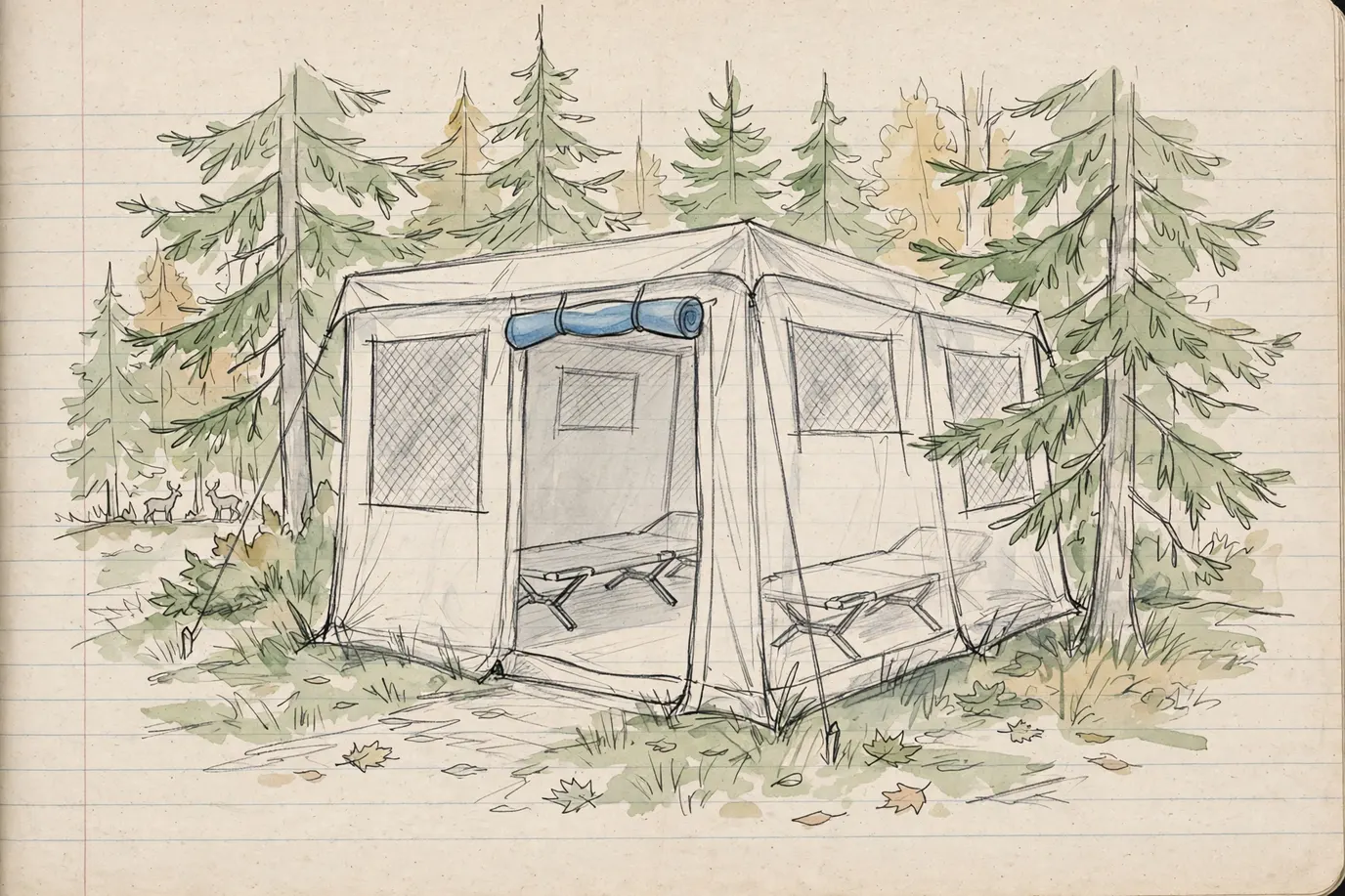
A cabin tent is a tent with tall, nearly vertical walls and a high, flat-ish roof, so you can stand up across most of the floor, not just in the middle. You pay for that room in weight, packed size and wind. Pick one for standing height and usable floor, then check the fly and how you'll guy out those walls. (I spent my working life in a shop classroom telling kids to keep things square. A cabin tent is the first tent that listened.)
We earn a commission if you buy through our links, at no cost to you. Disclosure
| Model | Center height | Sleeps | Floor length | Floor width | Amazon |
|---|---|---|---|---|---|
FanttikOutdoor Zeta C4 Pro 4 PersonTent More specs
| — | 4 personslisting | — | — | Check price |
Goplus 4-Person Automatic Cabin TentTent More specs
| — | 4 personslisting | — | — | Check price |
Timber Ridge 4 Person Instant Pop Up Hub Tent for CampingTent More specs
| — | 4 personslisting | — | — | Check price |
Timber Ridge 4 Person Instant Pop Up Hub TentTent More specs
| — | 4 personslisting | — | — | Check price |
Timber Ridge Camping TentTent More specs
| — | 4 personslisting | — | — | Check price |
unp 4-Person Tent Portable Cabin TentTent More specs
| — | 4 personslisting | — | — | Check price |
Goplus 3-5 Person Cabin Camping TentTent More specs
| 90 inlisting | 5 personslisting | — | — | Check price |
Wakeman Camping TentTent More specs
| — | 5 personslisting | — | — | Check price |
Core 6 Person Instant Cabin TentTent More specs
| 72 inlisting | 6 personslisting | — | — | Check price |
Core 6 Person Instant Cabin TentTent More specs
| 72 inlisting | 6 personslisting | — | — | Check price |
Core Blackout 6 Person Instant Cabin TentTent More specs
| 72 inlisting | 6 personslisting | — | — | Check price |
Ever Advanced 6 Person Blackout Instant Cabin TentTent More specs
| 73 inlisting | 6 personslisting | — | — | Check price |
Ever Advanced Blackout 6 Person Cabin TentTent More specs
| 77 inlisting | 6 personslisting | — | — | Check price |
FanttikOutdoor Zeta C6 Pro 6 PersonTent More specs
| — | 6 personslisting | — | — | Check price |
FanttikOutdoor Zeta C6 Pro 6 PersonTent More specs
| — | 6 personslisting | — | — | Check price |
Goplus 4-6 Person Cabin Tent with PorchTent More specs
| 69 inlisting | 6 personslisting | — | — | Check price |
Kodiak Canvas 10x10 Cabin Lodge Tent SRTent More specs
| 90 inlisting | 6 personslisting | — | — | Check price |
Kodiak Canvas 12x9 Canvas Cabin Camping TentTent More specs
| — | 6 personslisting | — | — | Check price |
Timber Ridge 6 Person Blackout Design Camping TentTent More specs
| — | 6 personslisting | — | — | Check price |
Timber Ridge 6 Person Cabin TentTent More specs
| — | 6 personslisting | — | — | Check price |
Timber Ridge 6 Person Blackout Design Camping TentTent More specs
| — | 6 personslisting | — | — | Check price |
unp 6 Person Tents for Camping Waterproof Family Cabin Tent withTent More specs
| — | 6 personslisting | — | — | Check price |
Ever Advanced 8 Person Blackout Cabin TentTent More specs
| 84 inlisting | 8 personslisting | — | — | Check price |
Ever Advanced 8 Person Blackout TentTent More specs
| 80 inlisting | 8 personslisting | — | — | Check price |
Goplus 6-8 Person Cabin Tent with PorchTent More specs
| 73 inlisting | 8 personslisting | — | — | Check price |
Kodiak Canvas 12x12 Cabin Lodge Tent SRTent More specs
| — | 8 personslisting | — | — | Check price |
Timber Ridge 8 Person Camping Tent with Large PorchTent More specs
| — | 8 personslisting | — | — | Check price |
Timber Ridge 8 Person Instant Pop Up Cabin TentTent More specs
| — | 8 personslisting | — | — | Check price |
unp 8 Person Tents for Camping Waterproof Family Cabin Tent withTent More specs
| — | 8 personslisting | — | — | Check price |
Core 9 Person Instant Cabin TentTent More specs
| 78 inlisting | 9 personslisting | — | — | Check price |
Core 9 Person Instant Lighted Cabin TentTent More specs
| 78 inlisting | 9 personslisting | — | — | Check price |
Core Blackout 9 Person Instant Cabin TentTent More specs
| 78 inlisting | 9 personslisting | — | — | Check price |
Ayamaya 10-Person Multi Room TentTent More specs
| 78 inlisting | 10 personslisting | — | — | Check price |
Campros CP CP 10/12 Person Cabin TentTent More specs
| 72 inlisting | 10 personslisting | — | — | Check price |
Campros CP CP 10 Person Cabin TentTent More specs
| 82 inlisting | 10 personslisting | — | — | Check price |
Core 10 Person Cabin TentTent More specs
| 86 inlisting | 10 personslisting | — | — | Check price |
Core 10 Person Cabin TentTent More specs
| 86 inlisting | 10 personslisting | — | — | Check price |
Core 10 Person Instant Cabin Tent with LED LightsTent More specs
| — | 10 personslisting | — | — | Check price |
Core 10 Person Instant Cabin TentTent More specs
| 78 inlisting | 10 personslisting | — | — | Check price |
Ever Advanced 10 Person Blackout TentTent More specs
| 84 inlisting | 10 personslisting | — | — | Check price |
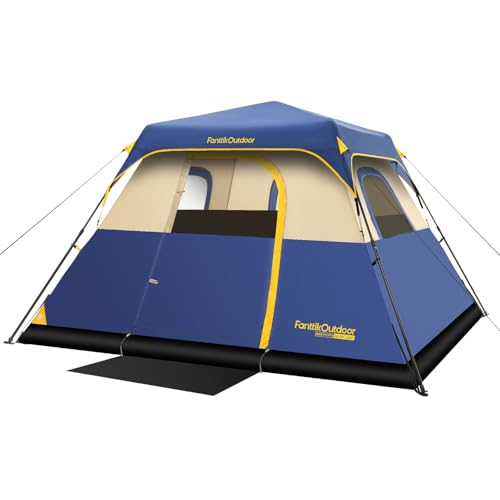


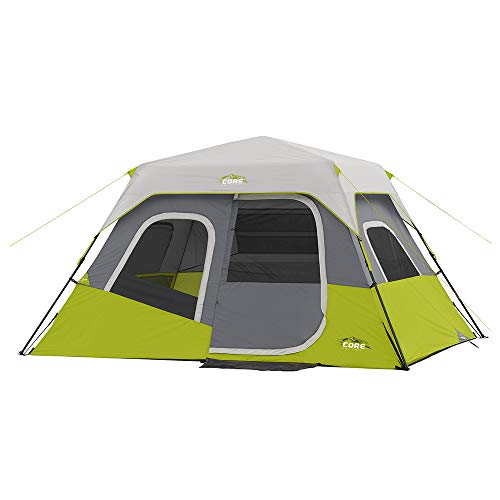


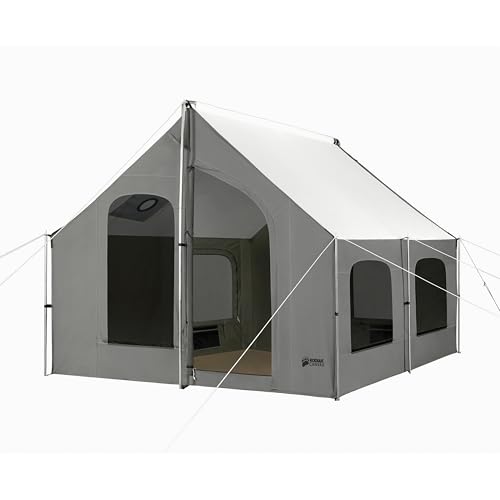


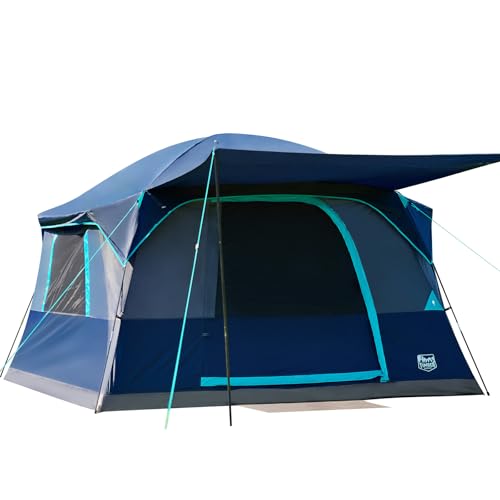
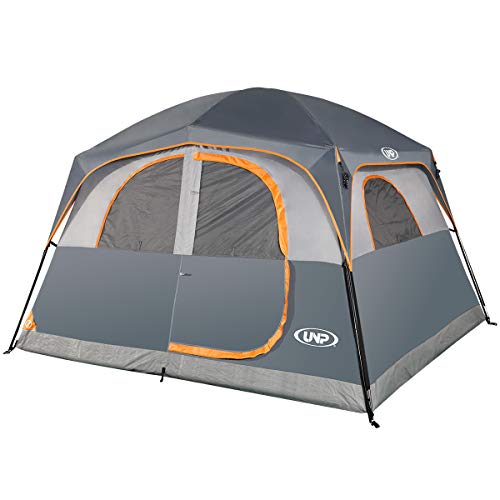


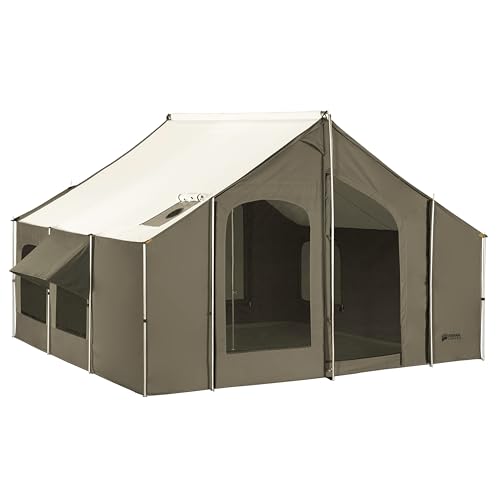


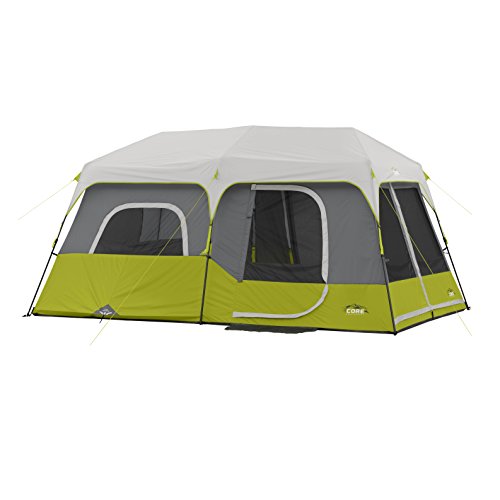


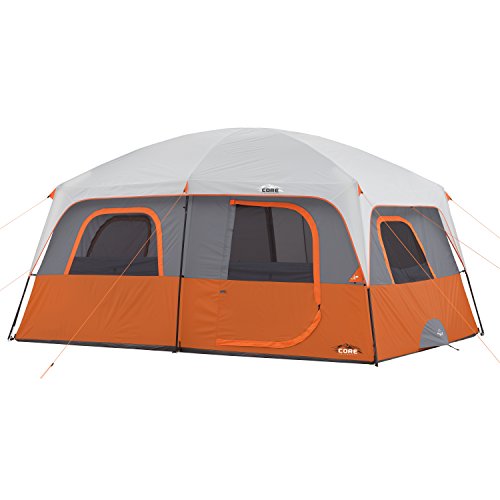


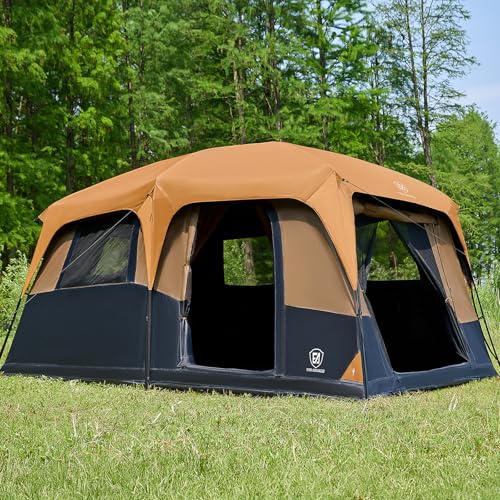
FanttikOutdoor Zeta C10 Pro 10 PersonTent More specs
| — | 10 personslisting | — | — | Check price |
|---|---|---|---|---|---|
FanttikOutdoor Zeta C10 Pro Max 10 PersonTent More specs
| 80 inlisting | 10 personslisting | — | — | Check price |
Kodiak Canvas 12x16 Cabin Lodge Tent SRTent More specs
| — | 10 personslisting | — | — | Check price |
KTT Extra Large Tent 10 PersonTent More specs
| 74.4 inlisting | 10 personslisting | — | — | Check price |
Timber Ridge 10 Person Instant Cabin TentTent More specs
| — | 10 personslisting | — | — | Check price |
Core 11 Person Cabin Tent with Screen RoomTent More specs
| 86 inlisting | 11 personslisting | 17 ftlisting | 12 ftlisting | Check price |
Core 12 Person Instant Cabin TentTent More specs
| 80 inlisting | 12 personslisting | — | — | Check price |
Core 12 Person Instant Cabin Tent with LED LightsTent More specs
| 80 inlisting | 12 personslisting | — | — | Check price |
Core 12 Person Cabin TentTent More specs
| 86 inlisting | 12 personslisting | — | — | Check price |
Core 12 Person Cabin TentTent More specs
| 86 inlisting | 12 personslisting | — | — | Check price |
Core 12 Person Instant Cabin TentTent More specs
| 80 inlisting | 12 personslisting | — | — | Check price |
FanttikOutdoor Zeta C12 Pro Max 12 PersonTent More specs
| 80 inlisting | 12 personslisting | — | — | Check price |
KTT Extra Large Tent 12 PersonTent More specs
| 79 inlisting | 12 personslisting | — | — | Check price |
KTT Extra Large Tent 12 PersonTent More specs
| 79 inlisting | 12 personslisting | — | — | Check price |
KTT Extra Large Tent 12 PersonTent More specs
| 79 inlisting | 12 personslisting | — | — | Check price |
KTT Extra Large Tent 12 PersonTent More specs
| 79 inlisting | 12 personslisting | — | — | Check price |
KTT Extra Large Tent 12 PersonTent More specs
| — | 12 personslisting | — | — | Check price |
KTT Extra Large Tent 12 PersonTent More specs
| 79 inlisting | 12 personslisting | — | — | Check price |
KTT Extra Large Tent 12 PersonTent More specs
| 79 inlisting | 12 personslisting | — | — | Check price |
unp 12 Person Tents for Camping Waterproof Family Cabin Tent witTent More specs
| — | 12 personslisting | — | — | Check price |
KTT Extra Large Tent 14 PersonTent More specs
| 88.8 inlisting | 14 personslisting | — | — | Check price |
KTT Extra Large Tent 14 PersonTent More specs
| 88.8 inlisting | 14 personslisting | — | — | Check price |
KTT Extra Large Tent 14 PersonTent More specs
| 88.8 inlisting | 14 personslisting | — | — | Check price |
Ozark Trail Spacious Family Sized 16-Person Weather Resistant Ozark TraiTent More specs
| — | 16 personslisting | — | — | Check price |
KingCamp Camping Tent with Floor 6-8 PersonTent More specs
| 82.8 inlisting | — | — | — | Check price |
KingCamp Insulated Winter Hot Tent with Stove Jack 5-6 Person QuiltedTent More specs
| — | — | — | — | Check price |
Kodiak Canvas 12x9 Canvas Cabin TentTent More specs
| 90 inlisting | — | — | — | Check price |
KTT Extra Large Tent 10-12 PersonTent More specs
| 79 inlisting | — | — | — | Check price |
KTT Family Cabin Tent 6-8 PersonTent More specs
| — | — | — | — | Check price |
KTT Family Cabin Tent 6-8 PersonTent More specs
| 74.4 inlisting | — | — | — | Check price |
KTT Extra Large Tent 10-12 PersonTent More specs
| 79 inlisting | — | — | — | Check price |
Naturehike Village Instant TentTent More specs
| — | — | — | — | Check price |
Naturehike Village Instant TentTent More specs
| — | — | — | — | Check price |
Naturehike Village Instant TentTent More specs
| — | — | — | — | Check price |
Naturehike Village Instant TentTent More specs
| — | — | — | — | Check price |
Naturehike Village Instant TentTent More specs
| — | — | — | — | Check price |
Naturehike Village Instant TentTent More specs
| — | — | — | — | Check price |
OutdoorMaster Camping TentsTent More specs
| — | — | — | — | Check price |
OutdoorMaster Camping TentsTent More specs
| — | — | — | — | Check price |
Pomoly Camping Hot Tent Cabin Tent Plus-SizedTent More specs
| — | — | — | — | Check price |
Timber Ridge 4-5 Person Instant Pop Up Cabin Hub TentTent More specs
| — | — | — | — | Check price |
Timber Ridge 4-6 Person Instant Pop Up Hub TentTent More specs
| — | — | — | — | Check price |
Timber Ridge 4-6 Person Pop Up Hub TentTent More specs
| — | — | — | — | Check price |
unp 8-10 Person Tents for Camping Waterproof Family Cabin Tent wTent More specs
| — | — | — | — | Check price |

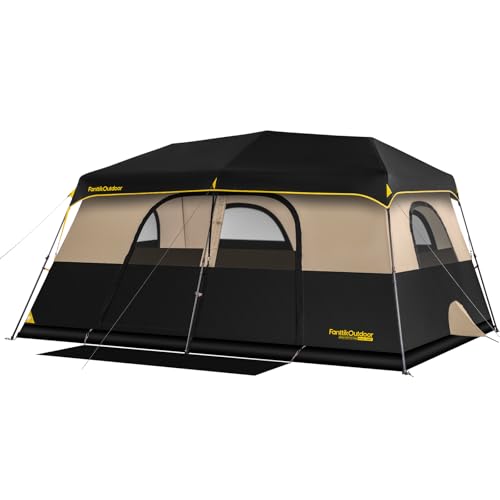

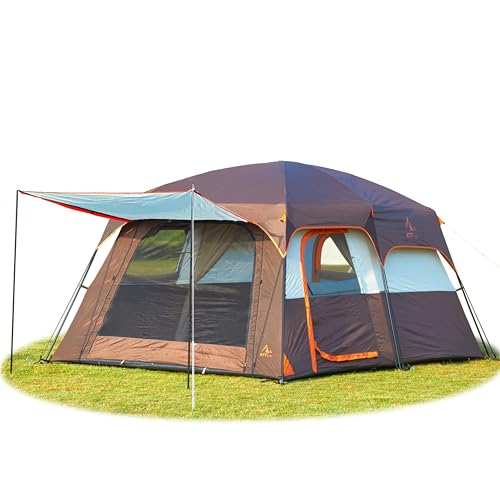
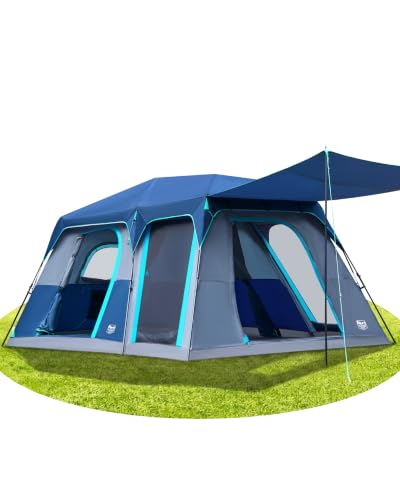
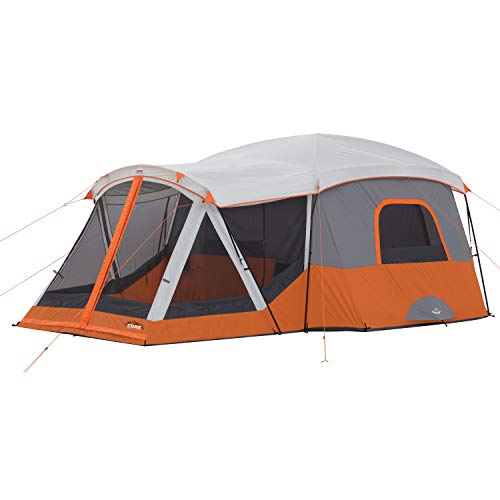
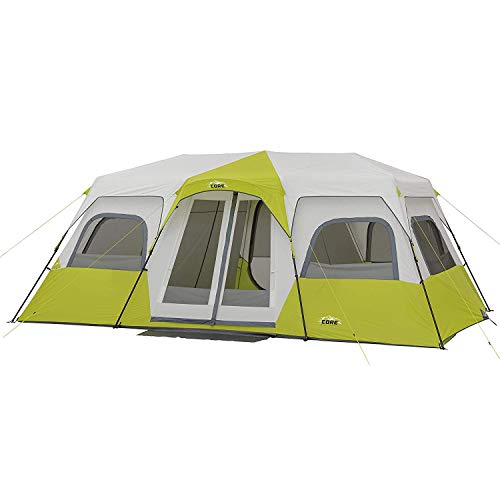

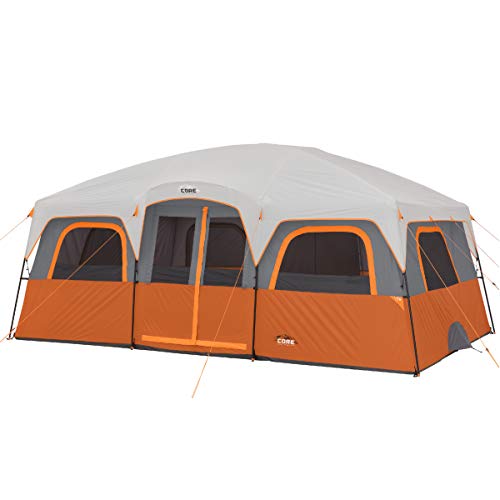


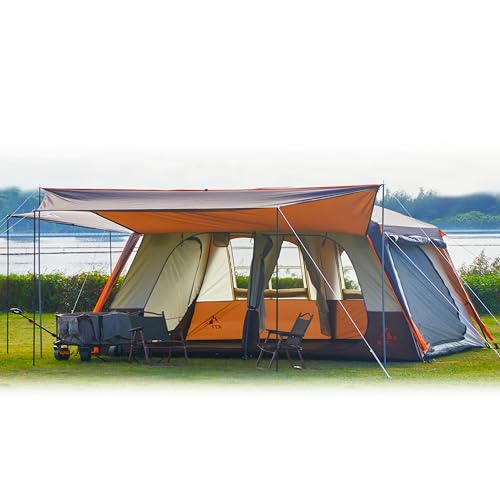


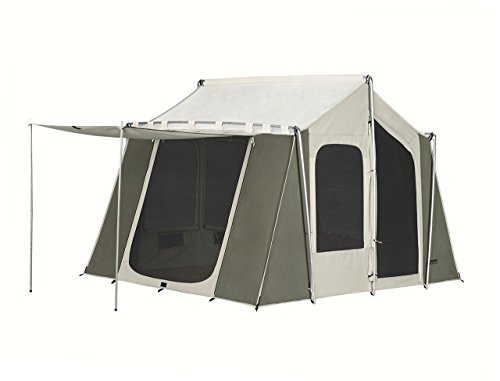


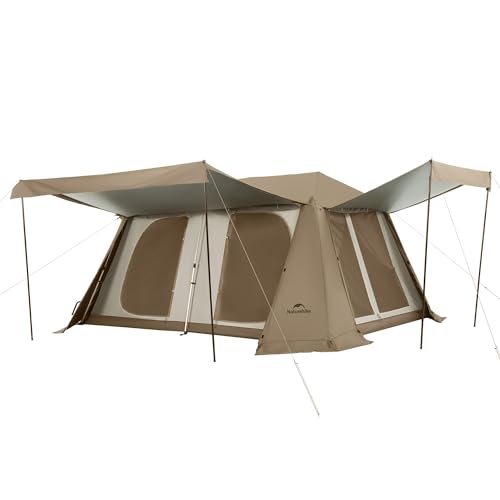


What’s in this listCabin-style tents with near-vertical walls, as described by the maker or the Amazon listing. “—” means neither the maker nor the Amazon listing states it.
What a cabin tent is
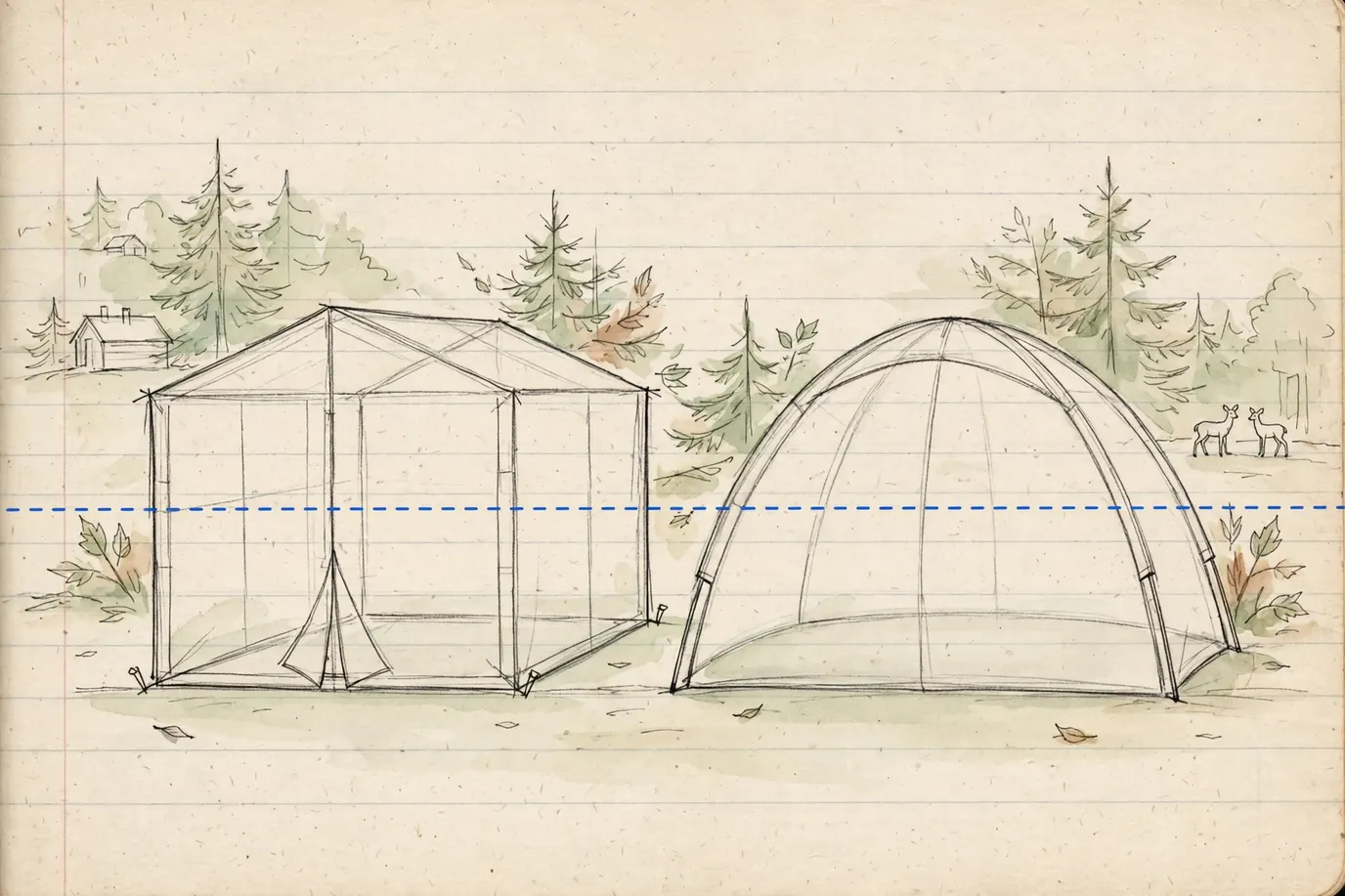
A cabin tent is shaped like a small building. CORE, which makes both cabins and domes, describes it plainly: tall, upright walls and a high ceiling. The near-vertical walls keep usable floor space right up to the edges, and standing height runs through most of the tent.
That's the whole idea. A dome is a bubble you crawl around in. A cabin is a room you walk around in.
The trade-offs come from the same shape. The same maker says cabins use more fabric and heavier poles, so they're heavier and bulkier when packed. They also give wind a big flat wall to push on. You buy a cabin for living space, and you pay for it at the trunk and in the wind.
Our table lists tents their maker or listing describes as cabin-style with near-vertical walls. Shared tent basics (fly, floor, seams) are on the camping tent page.
Cabin tent vs dome tent
That maker's comparison lines up like this:
| Cabin tent | Dome tent | |
|---|---|---|
| Shape | Tall, upright walls, high ceiling | Two or more flexible poles crossing overhead, curved |
| Standing room | Through most of the tent | Mostly at the center peak |
| Wind | Upright walls, so guy it out fully | Curved shape sheds wind |
| Packed | Heavier and bulkier | Smaller and lighter |
| Setup | Color-coded poles, or instant with pre-attached poles | Fewer parts, simple crossing poles |
| Best for | Families, groups of about 4 to 12 or more, base camps | Couples, groups of about 2 to 6, exposed sites |
The guide puts the dome's headroom problem bluntly: anyone over five feet tall will notice it immediately. I'm well over five feet. I noticed.
It also notes that for car camping, the cabin's extra weight matters less because the vehicle carries it. That's the real dividing line. If the tent rides in a truck to a drive-in site and stays up for days, a cabin earns its weight. If you carry it, or camp on an exposed ridge, a dome is the better tool. Domes are on the dome tent page.
Who a cabin tent is for
- Families who want to stand up to change clothes
- Groups at one campsite for several nights
- Cot sleepers, because cots fit against vertical walls
- Anyone with a bad back or bad knees
Jess's take, and she's a physical therapist: "Standing up to put your pants on is the cheapest back care there is." I'd add that it's also the most dignified.
The kinds of cabin tent
Cabins come in a few builds, and the table's setup and fabric columns sort them out:
- Instant cabin: poles pre-attached to the tent body, the fastest to pitch
- Pole-and-sleeve cabin: separate color-coded poles, more steps
- Cabin with an awning: a front awning on its own poles (fiberglass, on one 12-person model)
- Canvas wall tent: the old hunting-camp cabin in heavy canvas, on the wall tent page
The first three are campground tents. The fourth is a different purchase, made by people with a trailer to haul it.
What to look at when you pick a cabin tent
The table under this page shows each maker's stated sleeps, floor length, width and area, center height, style, setup and claimed setup time, seasons, waterproof rating, rainfly, rooms, doors, fabric, poles and stove jack. Values come from the maker, or from the Amazon listing where the maker is silent (marked as listing values); a dash means neither lists that value.
Center height and the walls under it
Center height is the number makers print, and on a cabin it's the one that matters most. The maker's guide gives center heights up to 86 inches on larger cabins, and one 12-person straight-wall cabin lists exactly that.
Here's the thing: center height is the tallest point, and a cabin's value is how far that height holds toward the walls. That straight-wall page describes straight walls and gives the center height, but no wall measurement. So look at the side-view drawing or the photos. A wall that goes straight up for a good stretch before it bends in is the cabin you're paying for.
Rule of thumb: compare center height to the tallest person in your group, then look at how square the corners are.
Floor size counts for more in a cabin
On a dome, the edges of the floor are under a sloping wall, and you can only lie there. On a cabin, the vertical walls keep the floor usable right to the edges. So the same floor area gives you more room you can actually use.
The same maker's sizing guide notes that a tent with straight walls and a tall peak feels much more spacious than one with sloped walls on the same floor. Read floor length and width off the table, then picture furniture against the walls. That's how a cabin gets used.
Cots and the vertical wall
Vertical walls let a cot sit right against the side without the fabric pressing on your face. That sizing guide adds that a cot lets you store gear underneath, which frees up floor. A cabin is the tent where cots make the most sense. Cots are on the camping cot page, and tent-and-cot combinations are on the tent cot page.
Setup: instant cabin or color-coded poles
The table lists setup type and claimed time. The cabin-vs-dome guide says traditional cabins use color-coded poles and step-by-step assembly, while instant cabins with pre-attached poles go up in about two minutes.
Pre-attached poles stay on the tent body between trips, so there's no pole bag to forget. A traditional cabin is a kit you assemble. Neither claimed time includes staking and guy lines, and on a cabin those are the part that keeps it standing. Instant designs are on the instant tent page.
Seasons: tall walls and snow don't mix
MSR's team describes 4-season tents as built with rigid shapes and pole layouts that bear heavy snow loads and strong winds. A broad, flat cabin roof is the opposite of that. The table marks a tent 4-season only when its maker says so.
For cold-weather hunting camps, look at canvas wall tents and stove-ready tents instead: the wall tent page and the hot tent page.
Rainfly and windows on a tall wall
Cabins come with big windows. The guide lists large windows, doors and an electrical port among their usual features. Big windows on a vertical wall are great for air and light, and they're also big openings facing the weather.
That's why the rainfly field matters more on a cabin. A full fly covers the walls; a partial fly covers the roof and leaves the walls to the tent fabric. The same guide recommends a full-coverage rainfly for wind-driven rain, plus sealed seams and fabric rated at least 1,200 mm. Rain ratings are explained on the waterproof tent page.
Rooms and doors
Cabins are where room dividers live. Larger cabin models may include dividers, per the guide, and one 12-person straight-wall cabin splits into two spaces with one removable divider. The table counts rooms the way makers and listings do. Layouts are on the multi-room tent page.
Fabric, poles and frame care
The table shows fabric and pole material as the maker or the listing states them. That straight-wall cabin lists 68D polyester walls, a P.E. sheet floor, steel base poles and fiberglass awning poles.
A cabin frame works hard, so treat it well. Eureka's manual for its large family tents says:
- Never let poles snap together: it damages the pole ends
- Don't drop or bounce the bag on its end: it can cut the shock cord
- Store poles assembled when you can: less tension on the shock cord
- A slight bend is normal: aluminum frames can take a "set" with use
That last one saves a lot of worry. A frame with a little curve in it isn't broken. It's broken in.
Pitching a cabin tent in wind
My one opinion on this page: guy out a cabin tent every time you pitch it, even on a calm evening. Eureka's manual says not to depend on staking alone in high wind, and that extra time spent guying out can save the tent in bad weather. A cabin has more wall than any other shape, and the wind doesn't send a schedule.
The manual has one instruction written for exactly this kind of tent. If the tent has no loops or rings for guy lines, attach them a third to halfway up the frame on the main sidewalls. That supports the lower section of the pole while the upper section can still flex with gusts. Run two cords at an angle from each point, so they work against each other and the wall can only move toward the anchors.
The manual's staking order and stake choices for different ground are laid out on the 12 person tent page. One more line from it that cabin owners forget: make sure the fly is attached firmly to the frame before you tension anything.
Pick the site with the wind in mind, too. A cabin pitched behind a line of hemlocks has an easier night than one in the middle of a field. That's free, and it's the cheapest wind gear you'll ever own.
Safety in a cabin tent
Standing room makes a cabin feel like a house. It isn't one. Don't use portable heaters or lanterns while sleeping in it. The U.S. Consumer Product Safety Commission warns that carbon monoxide from camping equipment can kill, and the early symptoms (headache, dizziness, nausea) are easy to mistake for a cold.
The National Weather Service says the tent and the picnic shelter are not safe places in a thunderstorm. Sit the storm out in your vehicle until 30 minutes have passed since the last thunder. Camping rules on hunting land vary, and your state wildlife agency can point you to them.
Who should skip a cabin tent
- Backpackers: heavier and bulkier than a dome, per the makers
- Exposed, windy sites: a dome sheds wind better
- Small tent pads: big cabins need big, flat ground
- Snow camping: flat roofs and snow loads don't mix
- Two people and a weekend: a smaller dome sets up faster
If you drive to camp and stay a while, though, a cabin is the closest a tent gets to a real room. Square corners, a door you can walk through, and a place to hang your hat. Measure twice, guy it out once.
Brands in this list
Related
Questions people ask
What is a cabin tent?
A cabin tent is a large tent with tall, upright walls and a high ceiling, shaped more like a small building than a bubble. The near-vertical walls keep the floor usable right to the edges, and you can stand through most of it. One maker lists center heights up to 86 inches on larger models. Cabins are heavier and bulkier to pack than domes.
Cabin tent vs dome tent: which is better?
It depends on the site. A cabin gives standing room across the floor and suits families, larger groups and longer stays at one drive-in site. A dome uses crossing flexible poles, sheds wind with its curved shape, packs smaller and weighs less, so it suits small groups and exposed sites. You only stand near the center of a dome.
Are cabin tents good in wind?
A dome is the better wind shape: one tent maker notes that the dome's curved shape is what sheds wind, and a cabin's upright walls don't do that. On a cabin, use every guy-out point. A large-tent manual says that if there are no loops, attach guy lines a third to halfway up the main sidewalls, running two cords at an angle.
Is an instant cabin tent worth it?
If fast setup matters, yes. Instant cabins have poles pre-attached to the tent body, and one maker says its instant models go up in about two minutes. Traditional cabins use separate color-coded poles and step-by-step assembly. Either way, staking and guy lines aren't included in the claimed time.
How tall is a cabin tent?
Tall enough to stand in is the point. One maker lists center heights up to 86 inches on its larger cabin models, and its 12-person straight-wall cabin is exactly that tall. Smaller cabins are lower. Check the center height in the table against the tallest person in your group, then look at the side view to see how far the height holds toward the walls.
Sources
- CORE Equipment: Cabin tent vs dome tent — accessed 2026-10-22
- CORE Equipment: How to choose the right tent size for camping — accessed 2026-10-22
- CORE Equipment: 12 Person Straight Wall Cabin Tent 16' x 11' (specifications) — accessed 2026-10-22
- Eureka (Johnson Outdoors): Assembly instructions for the Suite 4 and Suite 6 camping tents (guy lines, staking, pole care) — accessed 2026-10-22
- Cascade Designs (MSR): 3-season vs 4-season tent, which is right for you? — accessed 2026-10-22
- U.S. Consumer Product Safety Commission: CPSC warns of carbon monoxide poisoning hazard with camping equipment — accessed 2026-10-22
- National Weather Service: Lightning safety outdoors — accessed 2026-10-22