Fire & Lighting · Gear type
Electric Lighters
An electric lighter makes heat with a battery instead of fuel. Press the button and a high-voltage arc jumps between two small metal tips, and whatever you hold in that arc catches. Arc lighter, plasma lighter, rechargeable lighter and tesla lighter all mean the same thing. There's no butane to buy and no flame for the wind to bend. The trade is a battery that needs charging and tips that have to touch what you light. (I'm a union electrician. My workday is keeping arcs from happening. On weekends I carry one on purpose.)
We earn a commission if you buy through our links, at no cost to you. Disclosure
| Model | Length | Pack of | Flame | Amazon |
|---|---|---|---|---|
Black Beard Fire Starter Black Beard Arc LighterLighter More specs
| — | — | Arclisting | Check price |
Black Beard Fire Starter Black Beard Arc LighterLighter More specs
| — | — | Arclisting | Check price |
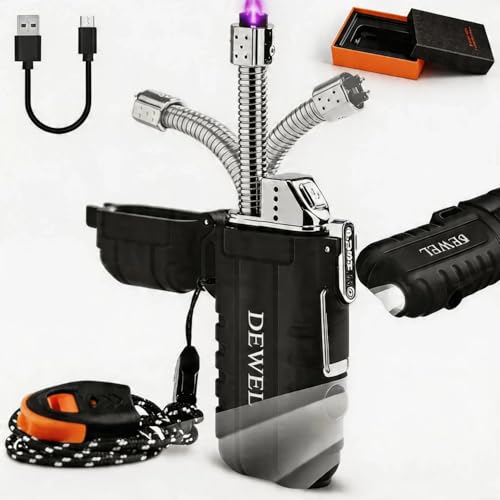
Dewel Rechargeable Electric Arc LighterLighter More specs
| — | — | Arclisting | Check price |
fukkuda Electric Candle LighterLighter More specs
| — | — | Arclisting | Check price |
LcFun Dual Arc Plasma LighterLighter More specs
| — | — | Plasmalisting | Check price |
LcFun Dual Arc Plasma LighterLighter More specs
| — | — | Plasmalisting | Check price |
LcFun Dragon Dual Arc Plasma LighterLighter More specs
| — | — | Plasmalisting | Check price |
LcFun Plasma Arc Lighter with FlashlightLighter More specs
| — | — | Plasmalisting | Check price |
LcFun Ace Dual Arc Plasma LighterLighter More specs
| — | — | Plasmalisting | Check price |
LcFun Rechargeable Candle Lighters 2-PackLighter More specs
| — | 2listing | — | Check price |
LcFun Plasma Arc Candle Lighter 2-PackLighter More specs
| — | 2listing | Plasmalisting | Check price |
Meiruby USB Arc Candle LighterLighter More specs
| — | — | Arclisting | Check price |
Meiruby USB Arc Candle LighterLighter More specs
| — | — | Arclisting | Check price |
Meiruby LED Electric Arc Candle LighterLighter More specs
| — | — | Arclisting | Check price |
Reidea S4 Electric Arc Candle LighterLighter More specs
| — | — | Arclisting | Check price |
Reidea R1 Pro Electric Arc Candle LighterLighter More specs
| — | — | Arclisting | Check price |
Ronxs Gooseneck Electric Candle LighterLighter More specs
| — | — | Plasmalisting | Check price |
Ronxs Gooseneck Electric Arc LighterLighter More specs
| — | — | Plasmalisting | Check price |
Scotte Plasma Arc Lighter and FlashlightLighter More specs
| — | — | Plasmalisting | Check price |
Suprus Electric Plasma Candle LighterLighter More specs
| — | — | Plasmalisting | Check price |
Suprus Flexible Neck Electric Candle LighterLighter More specs
| — | — | Arclisting | Check price |
Suprus Dual Arc Plasma Flashlight LighterLighter More specs
| — | — | Plasmalisting | Check price |
Suprus Electric Arc LighterLighter More specs
| — | — | Arclisting | Check price |
Suprus Electric Arc Candle LighterLighter More specs
| — | — | Arclisting | Check price |
Suprus Flexible Neck Arc LighterLighter More specs
| — | — | Arclisting | Check price |
Suprus Flexible Neck Arc LighterLighter More specs
| — | — | Arclisting | Check price |
Suprus Arc Plasma Lighter USB-CLighter More specs
| — | — | Plasmalisting | Check price |
Suprus Dual Arc Plasma Flashlight LighterLighter More specs
| — | — | Plasmalisting | Check price |
Suprus Luminous Dual Arc Plasma LighterLighter More specs
| — | — | Plasmalisting | Check price |
Suprus Electric Arc Candle LighterLighter More specs
| — | — | Arclisting | Check price |
Suprus Rechargeable Arc Candle LighterLighter More specs
| — | — | Arclisting | Check price |
Suprus Electric Arc LighterLighter More specs
| — | — | Arclisting | Check price |
Suprus Arc Candle LighterLighter More specs
| — | — | Arclisting | Check price |
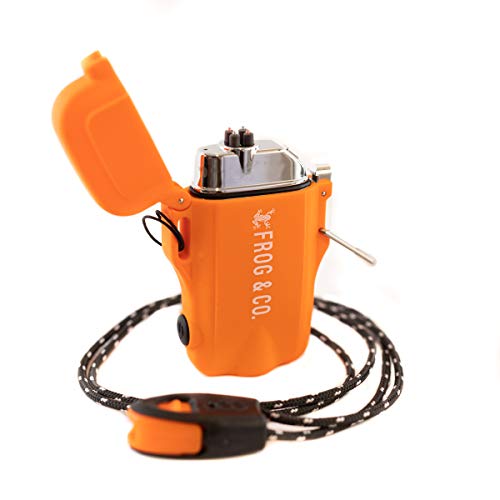
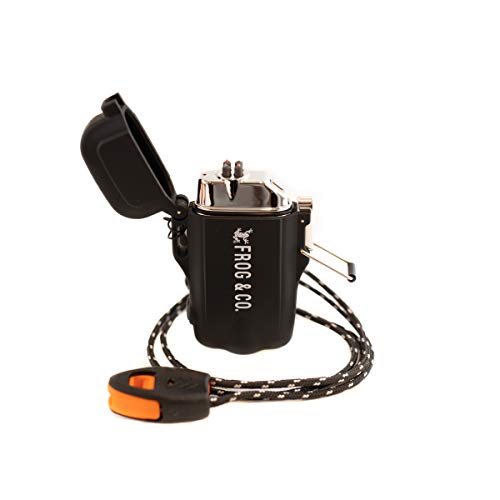
Survival Frog Tough Electric Lighter 2.0Lighter More specs
| — | — | Plasmalisting | Check price |
Survival Frog Tough Electric Lighter 2.0Lighter More specs
| — | — | Plasmalisting | Check price |
Survival Frog Tough Electric Lighter 2.0Lighter More specs
| — | — | Plasmalisting | Check price |
Tomolo Long Neck Electric Candle LighterLighter More specs
| — | — | Plasmalisting | Check price |
Tomolo Electric Candle Lighter 2-PackLighter More specs
| — | 2listing | — | Check price |
Vehhe USB-C Arc Candle LighterLighter More specs
| — | — | Plasmalisting | Check price |
Vehhe Extended Handle Electric Candle LighterLighter More specs
| — | — | — | Check price |




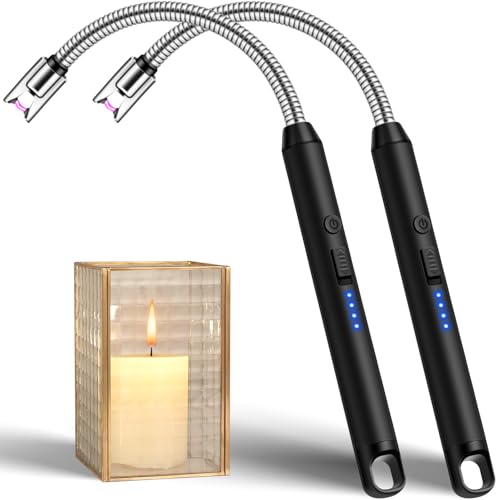




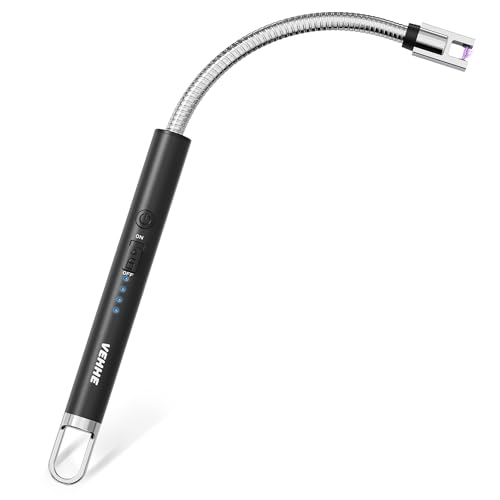

Vehhe Flexible Neck Arc Candle LighterLighter More specs
| — | — | Arclisting | Check price |
|---|---|---|---|---|
VVAY Electric Arc Lighter USB-CLighter More specs
| — | — | Plasmalisting | Check price |
Zippo Rechargeable Candle LighterLighter More specs
| 10.2 inmaker | — | — | Check price |


What’s in this listRechargeable arc and plasma lighters that use no fuel, as stated by the maker or the Amazon listing. “—” means neither the maker nor the Amazon listing states it.
What makes an electric lighter different
Every other lighter on this site burns something. Butane, lighter fluid, a wick. An electric lighter burns nothing. It stores energy in a rechargeable battery and turns it into heat as an electric arc.
Here's the physics, and it's the part I like. Air is normally an insulator. The Physics Factbook puts air's dielectric strength at about 3 kV per millimeter, which means it takes thousands of volts to push current across even a tiny gap. Once the field is strong enough, the air molecules ionize and the air changes from an insulator to a conductor. A small circuit inside the lighter boosts the battery to that kind of voltage and aims it at two metal tips, the electrodes. The air between them breaks down, and you get a glowing arc you can hold a wick in.
That ionized air is what makers mean by plasma. So "plasma lighter" and "arc lighter" are the same tool, and "tesla lighter" is a nickname for it. "Rechargeable lighter" usually means one too, since the battery is charged from a USB cable.
Real talk from an electrician: the arc is the hot part, not the case. The heat lives in the small gap between the tips, and nothing reaches past them. That single fact decides most of what an electric lighter is good and bad at.
What the table on this page shows
The table under this page lists lighters their maker or listing sells as electric arc or plasma, using no fuel. It shows what the maker or the Amazon listing states (values from the listing are marked; weight is the maker's alone):
- Fuel / ignition: electric (arc/plasma), or butane plus electric on hybrids
- Flame: arc or plasma
- Rechargeable (USB): yes when the maker says it charges by USB
- Windproof and Waterproof: yes only when the maker uses those words
- Body, Length, Weight and Pack of: as listed
When neither the maker nor the listing states a value, you get a dash, not a guess. The Jets column stays empty here; jets belong to butane torches.
What to look at when you pick an electric lighter
Here's how I'd read the table, in the order I'd check it.
Confirm Fuel / ignition says electric, not butane
Some lighters sold as "electric" are butane lighters with an electric spark. The flame still comes from gas, and the gas still behaves like gas in the cold. The Fuel / ignition column tells you which kind you're looking at. If it says electric (arc/plasma), there's no tank. If it says butane plus electric, it's a hybrid with a fuel side, and butane rules apply to that side. Hybrids get their own section further down.
Charge the battery before the first trip
Every arc lighter in the table is rechargeable, and that's the whole fuel system. One maker says its arc lighters ship with a partial charge and must be fully charged before the first use. The same maker's instructions say to use only the charging cable that came with the lighter, to avoid overheating, leaking or explosion, and not to charge with a damaged cable.
Most have a small indicator light. On one maker's arc insert, a solid light means charging, no light means done, and a flashing light means it needs a charge. Learn your lighter's signals at home. Reading a blinking light by headlamp at the fire ring is how I learned mine. (Ask me how I know. Actually, don't. Renee already has the story.)
Check the safety lock and auto shut-off
An arc lighter has no lid snapping shut over a flame, so the lock matters. One maker's long candle-style lighter uses a safety lock button plus a sliding ignition switch, pressed within two seconds of each other. Its pocket arc insert wants a double press, then a hold.
Both of that maker's designs cut the arc after 10 seconds of continuous use. That's a feature, not a fault. If your arc quits mid-light, let go and start again.
A good lock is also what makes an electric lighter flyable. More on that below.
Single arc or dual arc
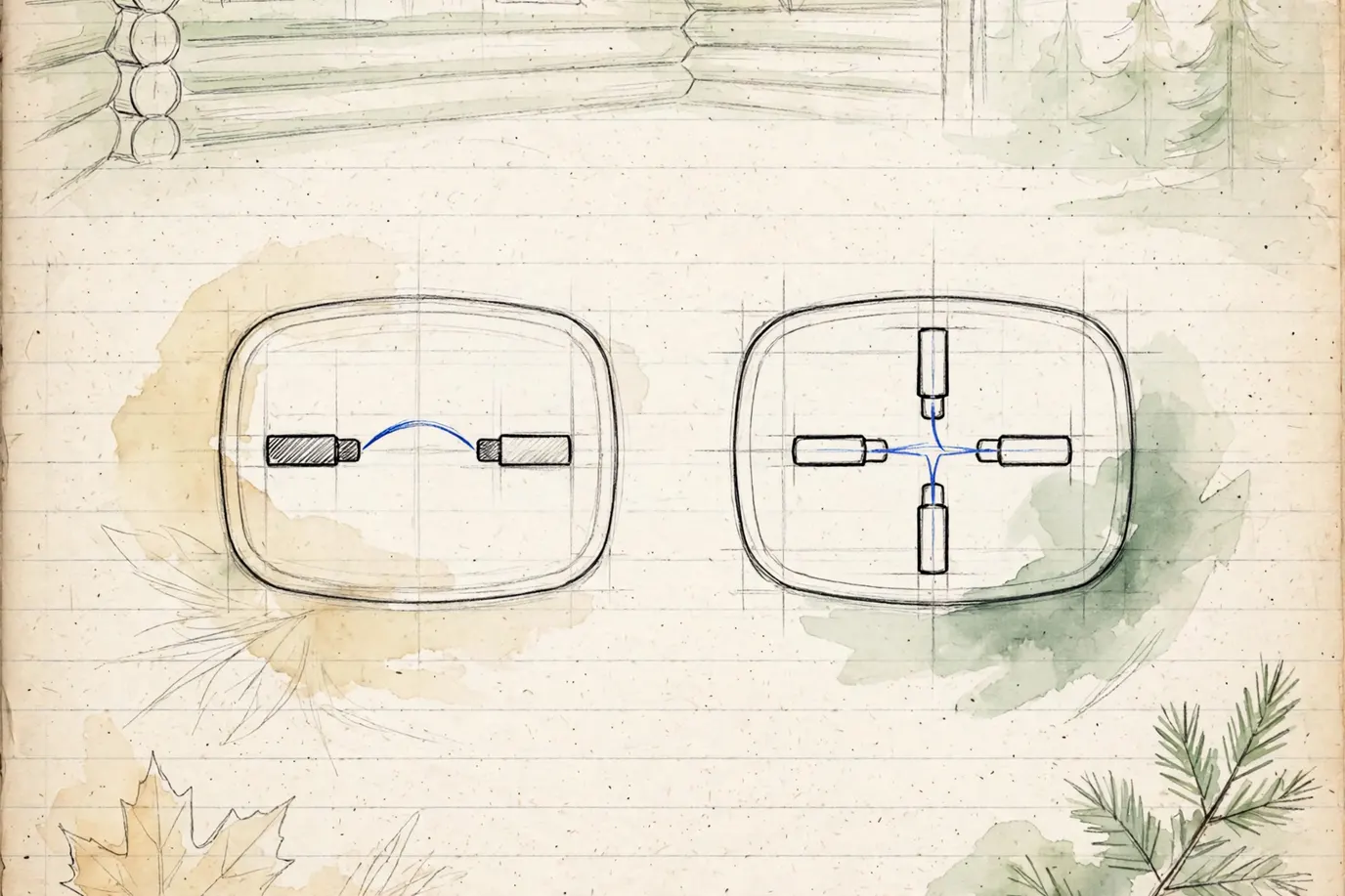
Pocket arc lighters come with one pair of electrodes or two pairs set in a cross. One maker sells a double arc insert by that name. More arcs give you a wider hot spot to push a wick or a curl of bark into. They also mean more electrodes to keep clean, and the arcs have to connect for it to work.
The product name usually says single or dual.
Windproof is a claim, and the arc has no flame to bend
A butane flame is gas burning in open air, so wind pushes it around. An arc is current crossing a gap, with no flame riding on top of it. That's why makers sell so many of these for wind, and why the Windproof column shows yes on a lot of them. The column only fills in when the maker says windproof in writing.
Wind still matters to the thing you're lighting. A candle wick or a pinch of tinder can blow out after it catches. Cup your hand anyway.
Waterproof is rare, so plan to keep it dry
This is the column hunters skip and shouldn't. One maker's instructions say plainly not to expose its arc lighter to moisture or submerge it in liquid. The Waterproof column says yes only where a maker claims it, and most lighters in this group won't have that claim.
So an electric lighter rides in a dry pocket or a zip bag. In a downpour, the lighter is fine in your coat. It just isn't the lighter you pull out first.
Length splits pocket arcs from long arcs
The Length column sorts them. Short ones are pocket lighters, often flip-lid, sometimes built as inserts that slide into a classic lighter case. Long ones are built like a candle or grill lighter, so your hand stays back from a deep jar or a stove burner. More reach on the butane side is on the long lighter page.
Electric lighters in the cold
Here's the good news first. One maker rates its arc lighter's battery for use and storage between -4 and 120°F. Butane, by NOAA's numbers, boils at 31.1°F, so a butane lighter starts to struggle at a temperature an arc lighter shrugs off. On a 20-degree morning in a ladder stand, that difference is real.
Now the fine print. The U.S. Fire Administration says not to charge lithium-ion batteries below 32°F or above 105°F. So the arc lighter works on a cold morning, but you charge it back at the cabin, not in a truck that sat overnight. The same maker says storing or using it outside that range can damage the battery and shorten its life.
Batteries also drain on their own. That maker says self-discharge runs faster in heat, recommends charging at least every three months when you're not using it, and says to fully charge it before long storage. Mine gets a calendar reminder in August, right after "find the blaze orange."
Keep the electrodes clean
The most common "it's dead" on an arc lighter is dirty tips. One maker's troubleshooting page says that if the arc won't connect, debris may be on the electrodes. Clear it gently with something non-metal, like a toothpick, and take care not to damage the electrodes.
Candle wax and soot are the usual culprits, because you light wicks by pushing them into the arc. Look at the tips after a weekend of lighting lanterns and the cabin candles. If it worked Friday and won't arc Sunday, clean first, charge second.
Sub-types: pocket, long, inserts and hybrids
Electric lighters come in four shapes:
- Pocket arc lighters: flip-lid or slide-cover, single or dual arc
- Long arc lighters: candle-lighter shape, for jars, stoves and grills
- Arc inserts: a battery and electrode unit that drops into a fluid lighter's metal case
- Hybrids: one body with a butane side and an arc side
Inserts are a neat trick if somebody in camp has a fluid lighter case they won't part with. One maker's arc insert slides into its classic case once you flip the insert's cam down; check the insert maker's install notes for yours. Wick-and-fluid lighters themselves are on the windproof lighter page.
Hybrids give you a flame when you need reach and an arc when you don't. They also give you both chores: a can of butane and a charging cable. The butane side is covered on the refillable butane lighter page.
Where an electric lighter fits at deer camp
My one opinion on this page: buy an electric lighter for the candles, the stove and the cabin, and keep a flame lighter for the fire ring. The reason is the gap. The arc only lights what touches it. A butane torch throws a flame past its head, and a multi-jet one spreads heat over a wider patch of bark and kindling. An arc does one wick at a time.
At Hemlock Run, that splits the jobs neatly. The arc lighter lives by the propane stove and the lantern, where there's always a wick or a burner to push into it. The fire kit gets the torch and a ferro rod, and the reasons for that are on the torch lighters page and the fire starters page.
Walt's take on the arc lighter is that a lighter you plug in is "a flashlight that lost its way." He also uses it every night to light the stove, so I'm counting that as a review.
Electric lighter safety
An arc is high voltage. Don't touch the electrodes while it's on, and keep it away from your face and clothes. One maker warns that ignoring its instructions can cause electric shock, fire or serious injury, and says not to take the lighter apart, repair or modify it.
Stop using it if the lighter gets very hot, smells odd, swells, changes shape or acts strangely. The U.S. Fire Administration lists the same warning signs for any lithium-ion battery, and says not to leave batteries in direct sunlight or a hot car. When it's done, recycle the battery; don't put it in the trash.
The CPSC's child-resistance rules for lighters are written around lighters that burn fuel, so don't assume an arc lighter has a child lock just because disposables must. One maker labels its arc lighter not intended for children. Store it where kids can't reach it, the way the U.S. Fire Administration asks for every lighter.
Before you light a campfire, check for local fire restrictions, keep water and a shovel close, and drown it until it's cool, as the Forest Service's campfire guidance says.
Flying to camp with an electric lighter
This is the one lighter that can fly with you. TSA allows arc, plasma and electronic lighters in carry-on bags and not in checked bags. You have to prevent accidental activation, for example by removing the battery, using a protective case or using a lock on the button. Each lithium-ion battery must be 100 Wh or less, and you can't recharge it on board. Torch lighters, by contrast, aren't allowed in either bag. The TSA officer has the final say.
Don't mail one, either. One maker says not to ship its arc lighter for repair, because shipping rules can restrict products that contain batteries; it uses a repair form instead.
Who should skip an electric lighter
Skip it if you go days without a place to charge. A dead battery is a paperweight, and a backup battery pack is one more thing to keep charged.
Skip it as your only fire tool on a wet hunt. No waterproof claim on most of them, and a soaked one may not work.
And skip it if you mostly build campfires from kindling up. A flame reaches more tinder at once. For that job, look at the torch.
For everybody else, an electric lighter by the cabin stove is the easiest lighter in camp to live with. Charge it on Sunday night, clean the tips once a month, and keep the cable in the same drawer every time. The drawer part is the hard part.
Brands in this list
Related
Questions people ask
What is a plasma lighter?
It's another name for an electric arc lighter. A rechargeable battery feeds a circuit that pushes the voltage high enough to break down the air between two electrodes, so a glowing arc of ionized air forms across the gap. That ionized air is what the word plasma refers to. There's no fuel and no flame; you light a wick or tinder by holding it in the arc.
Are plasma lighters good for camping?
They're good at small, close jobs: a candle, an oil lantern's wick, a stove burner, a twist of birch bark. They don't throw a flame, so the thing you light has to touch the arc. One maker rates its lighter's battery for -4 to 120°F and says not to expose it to moisture. Carry one with a backup that needs no charge, like matches or a ferro rod.
Plasma lighter vs butane: which is better?
Neither wins everything. Butane makes a flame that reaches past the lighter and lights kindling, but the gas struggles below about 31°F and the can is one more thing to carry. An arc lighter needs no fuel and has no flame to blow out, but it needs a charged battery, a dry pocket and direct contact with what you light.
Plasma lighter vs jet lighter: what's the difference?
A jet lighter, also called a torch lighter, burns butane through a nozzle, so it makes a hot, narrow flame that sticks out past the head. A plasma lighter burns nothing. Its heat sits in the small arc between its electrodes. The jet can reach tinder past the end of the lighter; the arc lights only what you put right into it.
Can you take an electric lighter on a plane?
In carry-on bags only, according to TSA, and not in checked bags. TSA says you must prevent accidental activation, for example with the battery removed, a protective case or a lock on the button. Each lithium-ion battery must be 100 Wh or less, and you can't recharge it on board. The TSA officer at the checkpoint has the final say.
Sources
- Zippo: Rechargeable candle lighter (use, charging, battery and safety) — accessed 2026-10-22
- Zippo: Arc insert repair FAQs and guidance — accessed 2026-10-22
- The Physics Factbook: Dielectric strength of air — accessed 2026-10-22
- TSA: What can I bring? Lighters (arc, plasma, electronic, e-lighters) — accessed 2026-10-22
- TSA: What can I bring? Lighters (Torch) — accessed 2026-10-22
- U.S. Fire Administration: Battery fire safety (lithium-ion) — accessed 2026-10-22
- U.S. Consumer Product Safety Commission: Lighters FAQ — accessed 2026-10-22
- NOAA CAMEO Chemicals: Butane — accessed 2026-10-22
- U.S. Fire Administration: Fire safety for children — accessed 2026-10-22
- Smokey Bear (USDA Forest Service): How to build your campfire — accessed 2026-10-22