Brand · Fire & Lighting
Reidea Electric Arc Lighters
Reidea makes rechargeable electric arc lighters, the long-necked kind built for candles. On this site that's two models, the S4 and the R1 Pro, both listed as arc lighters you charge over USB instead of filling with butane. Because the lineup is short, the alternatives below the grid fill in torch lighters and pocket arc lighters from other makers. Real talk: an arc lighter is the one fire tool I own that needs the same thing as my phone. (Renee says that explains why it's always dead.)
We earn a commission if you buy through our links, at no cost to you. Disclosure
Reidea on Amazon US
2 models- Lighter
Reidea S4 Electric Arc Candle Lighter
- Fuel / ignition
- Electric (arc/plasma)
- Flame
- Arc
- Lighter
Reidea R1 Pro Electric Arc Candle Lighter
- Fuel / ignition
- Electric (arc/plasma)
- Flame
- Arc


Alternatives to Reidea
- Lighter · Tomolo
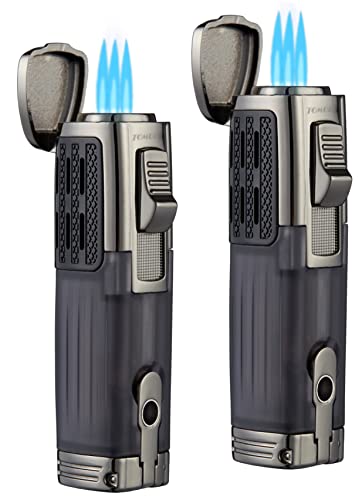
Tomolo Triple Jet Torch Lighter 2-Pack
- Pack of
- 2
- Fuel / ignition
- Butane
- Flame
- Torch/jet
- Lighter · Tomolo
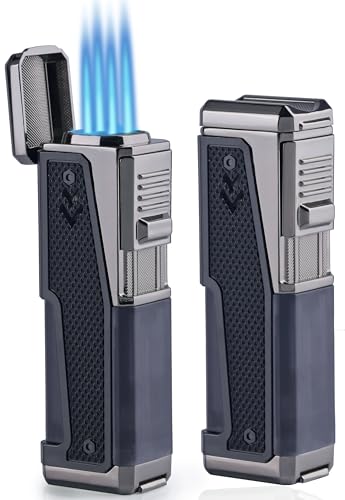
Tomolo Quad Jet Torch Lighter
- Fuel / ignition
- Butane
- Flame
- Torch/jet
- Jets
- 4
- Lighter · Tomolo
Tomolo Quad Jet Torch Lighter 2-Pack
- Pack of
- 2
- Fuel / ignition
- Butane
- Flame
- Torch/jet
- Lighter · Xikar
Xikar ELX Double Jet
- Fuel / ignition
- Butane
- Flame
- Torch/jet
- Jets
- 2
- Lighter · Vertigo
Vertigo Cyclone Triple Torch 3-Pack
- Pack of
- 3
- Fuel / ignition
- Butane
- Flame
- Torch/jet
- Lighter · Vertigo
Vertigo Cyclone Triple Torch 3-Pack
- Pack of
- 3
- Fuel / ignition
- Butane
- Flame
- Torch/jet
- Lighter · Guevara
Guevara Butane Torch Lighter with Punch
- Fuel / ignition
- Butane
- Flame
- Torch/jet
- Jets
- 2
- Lighter · Guevara
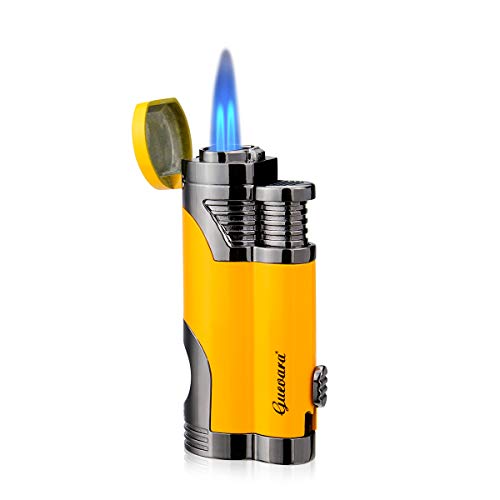
Guevara 2-Jet Cigar Torch Lighter
- Fuel / ignition
- Butane
- Flame
- Torch/jet
- Jets
- 2
- Lighter · Guevara
Guevara 4-Jet Torch Lighter with Punch
- Fuel / ignition
- Butane
- Flame
- Torch/jet
- Jets
- 4
- Lighter · Guevara
Guevara Triple Jet Cigar Torch with Punch
- Fuel / ignition
- Butane
- Flame
- Torch/jet
- Jets
- 3
- Lighter · Black Beard Fire Starter
Black Beard Fire Starter Black Beard Arc Lighter
- Fuel / ignition
- Electric (arc/plasma)
- Flame
- Arc
- Lighter · Black Beard Fire Starter
Black Beard Fire Starter Black Beard Arc Lighter
- Fuel / ignition
- Electric (arc/plasma)
- Flame
- Arc
- Lighter · Urgrette
Urgrette Triple Jet Torch Lighter 2-Pack
- Pack of
- 2
- Fuel / ignition
- Butane
- Flame
- Torch/jet






How alternatives are pickedSame type of gear from other brands, closest first: same price tier as Reidea’s own listings at our last check, then the most maker-published specs. No popularity, no paid placement.
What Reidea makes
Reidea makes electric arc lighters. On this site, its lineup is two models in the lighter type: the S4 and the R1 Pro. Both listings describe the same basics:
- Ignition: an electric arc, sold as "plasma" or "flameless"
- Power: a built-in rechargeable battery, charged over USB
- Shape: a long neck, made to reach down into a jar candle
- Fuel: none, so no butane to buy, carry or refill
Because the brand has only two models here, the theme shows alternatives under the grid: butane torch lighters with two to four jets, and pocket arc lighters from other makers. I'll cover how to choose between those types further down.
The specs in the grid came from Amazon listings, and the grid marks them. Where a listing doesn't say, the grid shows a blank. I'm not filling it with a guess. A guess about a fire tool is how somebody ends up blowing on a lighter that was never going to work.
Reidea S4 and R1 Pro: what the listings say
The S4
The S4's listing calls it an electric arc candle lighter with flameless plasma technology and a rechargeable battery. The main listing is champagne gold, and other variants sit under the same model. It's the shape most people picture for a candle lighter: a handle with the switch, then a long thin neck with the electrodes at the tip.
The R1 Pro
The R1 Pro is listed the same way: electric arc, USB rechargeable, for candles. Its listing title adds a retractable top, sold as a safety feature. It also comes in more than one color and size under one model.
What the two share
On the spec fields this site tracks, the two models read the same: arc ignition, rechargeable, no refill. The differences are in design, the retractable top on the R1 Pro and the color and size options on each listing. Pick by which neck and switch layout you'd rather use, and read the listing of the exact color you're buying, since pack sizes vary.
The type itself, across brands, is on the electric lighter page.
How an arc lighter works
An arc lighter makes a small electric spark that jumps between two electrodes. There's no flame in the lighter itself. The heat of the arc lights whatever you touch it to: a candle wick, a curl of paper, a pinch of dry tinder.
Zippo's help page for its own rechargeable candle lighter walks through the steps, and most arc lighters follow a similar order:
- Press the safety lock.
- Slide or press the ignition switch within a couple of seconds.
- Hold it to keep the arc running.
- Let go to stop it.
Zippo's lighter also shuts off by itself after 10 seconds of continuous use. Many arc lighters have some kind of auto-off. If yours stops mid-light, that's usually the timer, not a dead battery. Let go and start over.
That safety lock is the reason the first try often fails. I've watched grown men at deer camp squeeze an arc lighter like a stress ball, then announce it's broken. It isn't. It's waiting for the button.
Arc, torch or ferro rod: which fire tool for which job
This is the part that matters for the grid, because the alternatives below Reidea are different tools.
Arc candle lighters, like Reidea's
- Good at: candles in jars, anything with a wick, tinder you can reach with the tip
- Needs: a charged battery
- Doesn't need: fuel
The long neck is the point. It keeps your knuckles out of the jar and away from the wick. For a cabin full of candles on the night the generator quits, that's the right tool.
Butane torch lighters
The torch lighters in the alternatives run on butane and are refillable per their listings, with two, three or four jets. A torch lighter throws a focused jet of flame. It's the tool for a stubborn piece of kindling or a damp corner of the fire lay. You refill it from a butane can instead of a USB cable. The torch lighter page and the refillable butane lighter page cover the type, and the best torch lighter page has picks across brands.
Pocket arc lighters
Some alternatives are pocket arc lighters built for the outdoors. Black Beard's own page, for example, calls its arc lighter windproof, waterproof and rechargeable, and pitches it for camping and emergency kits. If your arc lighter is going in a pack instead of a kitchen drawer, read what the maker claims for weather. The Black Beard Fire Starter brand page has that lineup.
Ferro rods and fire starters
A ferro rod needs no battery and no fuel. UCO's guide explains that a ferro rod only throws sparks, so it has to land on fine dry tinder: dried grass, birch bark, fine wood shavings. It's the backup that works when everything with a battery or a valve doesn't. The ferro rod page, the fire starters page and the fire starter sticks page cover those.
Using an arc lighter on a campfire
An arc lighter lights tinder, not logs. Smokey Bear's campfire guide lays out the order: tinder in the center (small twigs, dry leaves, grass, pine needles), kindling over it in a teepee or lean-to, then larger fuel once the kindling is burning. Light the tinder with a match or lighter, and never use flammable liquids.
With an arc lighter, the trick is reach. Put the tip right into the tinder, under the kindling, and hold it there for a second or two. The long neck of a candle lighter like the S4 or R1 Pro helps here. It gets to the bottom of the fire lay without your hand going in after it.
Don't try to light a damp log with one. You'll run the battery down and the log will just look at you.
Before you leave a fire, Smokey Bear's rule is drown, stir, drown again, then feel the ashes with the back of your hand. If it's too hot to touch, it's too hot to leave.
How to choose an electric lighter
Neck length and where you'll use it
A candle lighter's long neck is made for jars and fire lays. A short pocket arc lighter fits a pocket or a fire kit. If it lives in the cabin kitchen drawer, the long neck wins. If it lives on you, look at the pocket ones in the alternatives.
The safety lock
Every arc lighter needs a way to stop it firing by accident: a lock button, a switch, a cover. The R1 Pro's listing adds a retractable top. Learn the lock before the night you need it.
Charging and battery
Both Reidea models are USB rechargeable. Check what cable comes with the lighter and keep that cable with it. Zippo's guidance for its own arc lighters says to use only the included cable and to inspect it, and not to charge with a damaged one.
Know what the charge light means
Most rechargeable lighters have some kind of indicator, and they don't all speak the same language. On Zippo's arc inserts, a solid blue light means charging, no light means done, and a flashing light means it needs a charge. Other makers use different colors or a row of dots. The spec fields this site tracks don't cover the indicator on the Reidea models, so read the manual in the box the first night, not the night the candles matter. Then tape a one-line note inside the drawer. Future you, in the dark, will appreciate it.
Weather claims
Read the maker's words, not the color of the box. If a listing or maker page says windproof or waterproof, that's the maker's claim. If it doesn't say, don't assume it.
Care and charging
My one opinion on this page: charge an arc lighter the day you put it away, not the day you need it. Zippo's page for its candle lighter says batteries self-discharge over time, to charge at least every three months when the lighter isn't in use, and to charge it fully before long storage. A candle lighter that sat in a drawer since last November is a stick with a switch on it.
Other care, from Zippo's help pages on arc lighters:
- Electrodes: clean gently with a non-metallic item like a toothpick if the arc won't connect
- Cable: inspect it, store it untangled, keep it away from sharp edges
- Heat and moisture: keep the lighter away from intense heat, sunlight, moisture and liquids
- Temperature: Zippo lists -4°F to 120°F for its own lighter's battery; check your model's range
For any lithium battery, the U.S. Fire Administration says not to charge below 32°F or above 105°F, to store it at room temperature when you can, and to stop using it if it swells, leaks, smells or overheats. So don't charge one in a truck at 5 a.m. in November. Bring it in the cabin and plug it in by the coffee.
When it's done, a lighter with a built-in battery doesn't go in the trash. The EPA says lithium-ion batteries never go in household garbage or recycling bins, and devices with built-in batteries go to certified electronics recyclers or takeback programs.
Travel
TSA allows arc and electronic lighters in carry-on bags if you take steps against accidental activation, like a protective case, a safety latch or removing the battery. They aren't allowed in checked bags, and you can't charge them on board. The officer at the checkpoint makes the final call.
Safety
Treat the arc tip like a flame. Keep it away from your hands and face, and never point it at anyone.
Keep lighters where children can't reach them. The U.S. Fire Administration says never to leave lighters or matches where children can get to them. A long-necked candle lighter looks like a toy wand to a kid. Put it up high.
Check local fire restrictions before any campfire, and put every fire all the way out.
Charge it Sunday night, put it back in the drawer, and leave a note on the cooler lid that says where it went. Walt will still ask.
Where Reidea shows up
Questions about Reidea
Is Reidea a good lighter brand?
What can be checked is the listing data. Both Reidea models in the grid list an electric arc, plasma-style ignition and a rechargeable battery, and both are sold as candle lighters with a long neck. No butane to buy or refill. Whether one suits you depends on the job: candles, a stove burner or tinder within reach. For a pocket fire kit, compare the alternatives.
How do you charge a Reidea arc lighter?
Both listings call them USB rechargeable. Use the cable that came with the lighter. Zippo's guidance for its own arc candle lighter is a good general rule: charge it fully before first use, since it ships partly charged, and charge it at least every three months in storage. Don't charge a lithium battery below 32°F or above 105°F, per the U.S. Fire Administration.
Why won't my arc lighter spark?
Three usual reasons: a flat battery, a skipped safety step, or debris on the electrodes. Most arc lighters need a safety button pressed before the trigger works, and many shut off after a few seconds. Zippo's help page for arc lighters suggests cleaning the electrodes gently with a non-metallic item such as a toothpick.
Can you bring an arc lighter on a plane?
TSA allows arc and electronic lighters in carry-on bags if steps prevent accidental activation, such as a protective case, a cover or a safety latch, or removing the battery. They are not allowed in checked bags, and they can't be charged on board. The TSA officer makes the final call at the checkpoint.
Where can I buy Reidea lighters?
The product grid on this page links to Reidea listings on Amazon US, with torch and arc lighter alternatives from other makers below it. Check the model name in the listing: each model comes in more than one color or size, and the specs follow the model, not the color.
Sources
- Zippo: Rechargeable candle lighter — accessed 2026-10-28
- Zippo: Arc repair FAQs and guidance — accessed 2026-10-28
- Black Beard Fire Starter: Arc lighter — accessed 2026-10-28
- TSA: Lighters, arc lighters, electronic lighters — accessed 2026-10-28
- U.S. Fire Administration: Battery fire safety — accessed 2026-10-28
- U.S. Fire Administration: Fire safety for children — accessed 2026-10-28
- U.S. EPA: Used household batteries — accessed 2026-10-28
- Smokey Bear (USDA Forest Service): How to build your campfire — accessed 2026-10-28
- Smokey Bear (USDA Forest Service): How to maintain and extinguish your campfire — accessed 2026-10-28
- UCO Gear: Ferrocerium rods — accessed 2026-10-28