Archery & Bowhunting · Gear type
3D Archery Target
A 3D archery target is a life-size foam animal with the vital zone marked on it, and it's the target that teaches you angles, distance and shot placement instead of just grouping. Pick it by the animal you hunt or shoot at 3D events, then check the point rating, the speed rating and whether the vital insert can be replaced. (The insert matters most. It's the only part of the animal anybody aims at.)

We earn a commission if you buy through our links, at no cost to you. Disclosure
| Model | Stops | Speed rating | Size | Amazon |
|---|---|---|---|---|
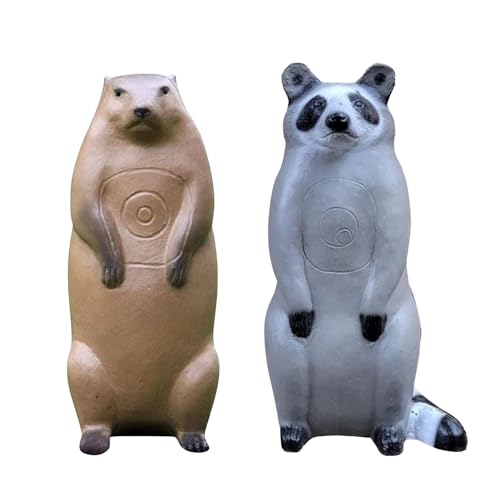
Bigshot Pro Hunter Raccoon and GroundhogArchery target More specs
| Broadheads and field pointslisting | — | — | Check price |
Bigshot Real Wild Armadillo 3DArchery target More specs
| Field points onlylisting | — | — | Check price |
Bigshot Real Wild Raccoon 3DArchery target More specs
| Broadheads and field pointslisting | — | — | Check price |
Bigshot Pro Hunter Javelina 3DArchery target More specs
| — | — | — | Check price |
Bigshot Real Wild Black Boar 3DArchery target More specs
| — | 450 fpslisting | — | Check price |
Bigshot Real Wild Competition Bobcat 3DArchery target More specs
| Broadheads and field pointslisting | 375 fpslisting | 16 x 33 x 7listing | Check price |
Bigshot Real Wild Grey Coyote 3DArchery target More specs
| Broadheads and field pointslisting | 425 fpslisting | — | Check price |
Bigshot Real Wild Bigfoot 3DArchery target More specs
| — | — | — | Check price |
Bigshot Real Wild Boss Rat 3DArchery target More specs
| Broadheads and field pointslisting | 375 fpslisting | — | Check price |
Bigshot Real Wild Hanging Opossum 3DArchery target More specs
| Broadheads and field pointslisting | — | 26 x 8 x 8listing | Check price |
Bigshot Real Wild Mountain Goat 3DArchery target More specs
| Broadheads and field pointslisting | 375 fpslisting | — | Check price |
Bigshot Real Wild Dall Sheep 3DArchery target More specs
| — | 375 fpslisting | — | Check price |
Bigshot Pro Hunter Coyote TargetArchery target More specs
| — | 375 fpslisting | — | Check price |
Delta McKenzie Back Yard 3D Woodchuck TargetArchery target More specs
| Broadheads and field pointslisting | — | — | Check price |
Delta McKenzie Javelina 3D TargetArchery target More specs
| Broadheads and field pointslisting | — | — | Check price |
Delta McKenzie XL Alert Deer 3D Pro TargetArchery target More specs
| Broadheads and field pointslisting | — | — | Check price |
Delta McKenzie Pro 3D Killzone Target 21640Archery target More specs
| Broadheads and field pointslisting | — | — | Check price |
Delta McKenzie Strutting 3D Turkey TargetArchery target More specs
| — | — | — | Check price |
Delta McKenzie Aim Rite Bear 3D TargetArchery target More specs
| Broadheads and field pointslisting | 350 fpslisting | — | Check price |
Delta McKenzie Javelina 3D TargetArchery target More specs
| Broadheads and field pointslisting | — | — | Check price |
Delta McKenzie Pinnacle Elk 3D Target 22540Archery target More specs
| Broadheads and field pointslisting | 350 fpslisting | — | Check price |
Delta McKenzie Intruder 3D Deer TargetArchery target More specs
| Broadheads and field pointslisting | 350 fpslisting | — | Check price |
Delta McKenzie 1/3rd Size Mule Deer 3D TargetArchery target More specs
| Broadheads and field pointslisting | — | — | Check price |
Delta McKenzie Strutter Turkey 3D TargetArchery target More specs
| Broadheads and field pointslisting | — | 20 x 22 x 28listing | Check price |
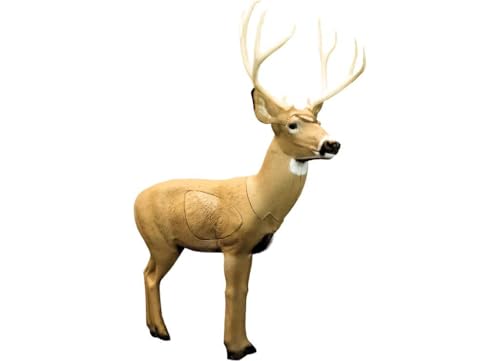
Morrell Transformer Buck 3DArchery target More specs
| — | — | — | Check price |
Rinehart Targets Signature Tom TurkeyArchery target More specs
| — | — | — | Check price |
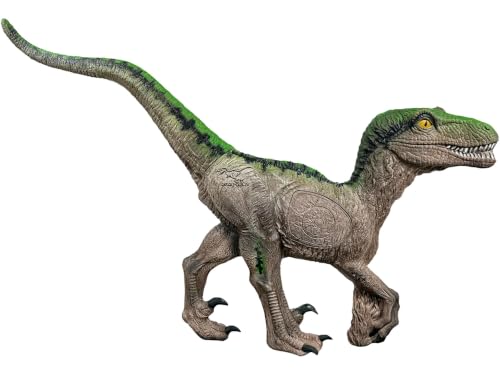
Rinehart Targets Signature VelociraptorArchery target More specs
| — | — | — | Check price |
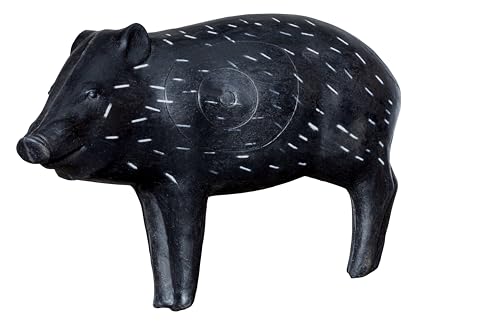
Rinehart Targets Signature JavelinaArchery target More specs
| — | — | — | Check price |
Rinehart Targets Signature Big JimArchery target More specs
| — | — | — | Check price |
Rinehart Targets Competition 3D GrouseArchery target More specs
| Broadheads and field pointslisting | — | — | Check price |
Rinehart Targets Signature AntelopeArchery target More specs
| — | — | — | Check price |
Rinehart Targets Signature Mule DeerArchery target More specs
| — | — | — | Check price |
Rinehart Targets Signature Strutting TurkeyArchery target More specs
| — | — | — | Check price |
Rinehart Targets 1/3 Scale Woodland ElkArchery target More specs
| — | — | — | Check price |
Rinehart Targets Signature CoyoteArchery target More specs
| — | — | — | Check price |
Rinehart Targets Signature Black BearArchery target More specs
| — | — | — | Check price |
Rinehart Targets 1/2 Scale Bighorn RamArchery target More specs
| — | — | — | Check price |
Rinehart Targets Standing Dahl SheepArchery target More specs
| — | — | — | Check price |
Rinehart Targets Signature GroundhogArchery target More specs
| — | — | — | Check price |
Shooter Shooter Buck 3DArchery target More specs
| Broadheads and field pointslisting | — | — | Check price |








Shooter Shooter Bear 3DArchery target More specs
| — | 375 fpslisting | — | Check price |
|---|---|---|---|---|
Shooter Shooter Hog 3DArchery target More specs
| — | — | — | Check price |
Shooter Shooter Turkey 3DArchery target More specs
| — | — | — | Check price |


What’s in this list3D animal-shaped targets. “—” means neither the maker nor the Amazon listing states it.
What makes a 3D archery target different
A bag or block gives you a dot to aim at. A 3D archery target gives you an animal, standing at an angle, with no dot at all. You have to find the vitals on a body, judge how far away it is, and pick a spot. That's the whole point of it.
Archery 360, the Archery Trade Association's consumer site, describes 3D targets as life-size animal shapes, from dinosaurs to grizzly bears, built for hunting practice and 3D tournament practice. The vital area carries molded scoring rings, and on many targets that section is a separate insert you can replace.
The shared basics of every target (how foam and bags stop arrows, backstops, buffer zones) are on the main archery target page. This page sticks to what changes when the target has legs.
The table under this page lists 3D animal targets we track, with the animal, point rating, speed rating and size the maker or the listing states. Where neither states a field, the cell stays empty rather than guessed.
Who a 3D target is for
- Bowhunters who want to practice the shot they'll get: quartering, uphill, partly hidden.
- 3D archers getting ready for club or tournament courses.
- Families who want something more fun to shoot at than a square. (A foam turkey also holds a kid's attention far longer than a dot. So does a foam dinosaur, which Archery 360 says exists.)
Archery 360 adds one caution for backyard shooters: 3D targets are usually smaller than bales and easier to miss. If you're still learning to group, a big block first and a 3D animal second is the cheaper order of mistakes.
What to look at when you pick a 3D archery target
The table shows the fields the makers or the listings state. Here's how I'd read them.
Animal: match it to what you hunt
The Animal column is deer, turkey, bear or other. Start with the animal you actually hunt, because the reason to buy a 3D is to learn where its vitals sit inside its shape.
One 3D target maker's backyard-course advice starts with a deer, then adds smaller animals (turkey, coyote, raccoon) for precision and larger ones (elk, bear, antelope) for longer shots. That's a sensible order for a backyard course too. Deer get a page of their own: the deer archery target page.
Size: the animal's size changes how far it looks
Size is height × width × depth in inches, as the maker or the listing lists it. On a 3D target, size isn't only about how much foam you get. It changes your eye.
Tournament 3D archers judge distance partly by body size. A 3D shooter writing on a bow maker's blog described keeping "mental pictures" of each animal at each distance, and found his pictures stopped matching when the course switched to targets from a different maker. Big animals look closer than they are; small ones look farther. So a full-size target is better practice than a scaled-down one, if your yard has the room.
Stops: field points, or broadheads too
The Stops column is the maker's point rating: field points only, or broadheads and field points. A broadhead's blades cut foam instead of pushing it aside, so a 3D target rated for field points only isn't the place to tune broadheads.
Even on a broadhead-rated target, one 3D maker's advice is not to leave broadheads buried in the foam, and to keep separate targets for broadhead tuning and field points. If you tune broadheads every September, a dedicated broadhead target saves the expensive animal.
Speed rating: check it if you shoot fast
On a 3D animal the speed rating, in FPS (feet per second), is often missing; plenty of 3D makers don't print one. That's no worry for a 50-lb recurve. If you shoot a fast compound or a crossbow, pick an animal whose maker or listing states a rating above your arrow speed, and skip the ones that leave it blank.
Replaceable insert: the part that wears out first
On a 3D target, nearly every arrow lands in the same small area: the vitals. That section wears out long before the legs and head. Many 3D targets solve it with a replaceable insert, a foam block that slides out of the body and gets swapped for a new one.
One maker describes locking inserts held in with internal tubes, and some of its inserts carry score lines for both 45° and broadside shot practice. Its backyard-course advice is to inspect inserts regularly and replace them when worn, because steady penetration and easy pulls depend on it. If the table or listing shows a replaceable insert, that target's life is the life of the body, not of the vitals.
Type: 3D targets are foam, usually solid
Every target on this page is the 3d_animal type. The foam is usually solid, and one maker calls its foam self-healing and says holes close within 10 seconds after the arrow comes out. That's the maker's claim about its own foam; the table shows the type, not the claim.
Scoring rings on a 3D archery target
If you shoot 3D events, the rings on the insert are worth knowing before you show up. Archery 360 lays out the two biggest organizations, the IBO (International Bowhunting Organization) and the ASA (Archery Shooters Association).
| Where the arrow lands | IBO points | ASA points |
|---|---|---|
| Small center circle | 11 | 12 (two 12 rings inside the 10; the bottom one by default) |
| Next ring (the 10) | 10 | 10 |
| Largest scoring ring (the 8) | 8 | 8 |
| Anywhere else on the animal | 5 | 5 |
| Miss | 0 | 0 |
ASA adds two called shots. You can shoot for the upper 12 ring if you call it to your group first, and some courses put a 14 ring in the upper corner of the 8 ring, also called before the shot. Ask the shoot organizer if it's in play.
Courses run about 30 targets, per Archery 360, shot in groups of four, one arrow each per target. Two archers keep score, one calls the scores and one pulls arrows. The shooting order is drawn from shuffled scorecards and rotates every target, so the last shooter gets to aim with the group's arrows already in the foam. (That's the 3D version of copying off the smart kid. It's legal.)
The scoring is a nice side effect for hunters too: the 10 and the 11 or 12 sit where you'd want a hunting arrow to go.
Best 3D archery target setups for a backyard course
A 3D target earns its keep when you stop shooting it from the same spot. One 3D maker's backyard-course advice is worth stealing whole:
- Vary the distance, from about 10 to 60 yards, so you practice judging range.
- Turn the animal to quartering angles, not only broadside.
- Shoot downhill from a deck to practice shots from above.
- Add partial cover, like branches or tall grass, in front of some targets for realistic shot windows.
- Space the stations at least 10 to 15 yards apart on a multi-target course, so lanes don't cross.
- Back every lane with a berm, hillside or commercial backstop.
If you practice from a tree stand, wear your full-body harness and stay connected the whole time, the same as on a hunt.
The buffer rules don't change because the target is shaped like a bear. A 3D course stretches distances, so the ATA's longer-range numbers matter here: from 31 to 50 yards, keep 25 yards clear to each side and 25 behind, and past 50 yards the space behind grows to half the shot distance (an 80-yard shot needs 40 yards behind the target). Oregon's wildlife department adds: don't shoot over a ridge if you can't see what's past it.
Moving a 3D course around is half the fun and all the work. A full-size bear isn't light. (Danny carries ours. I tell him it's for his own good. He tells Walt it's for the cardio.)
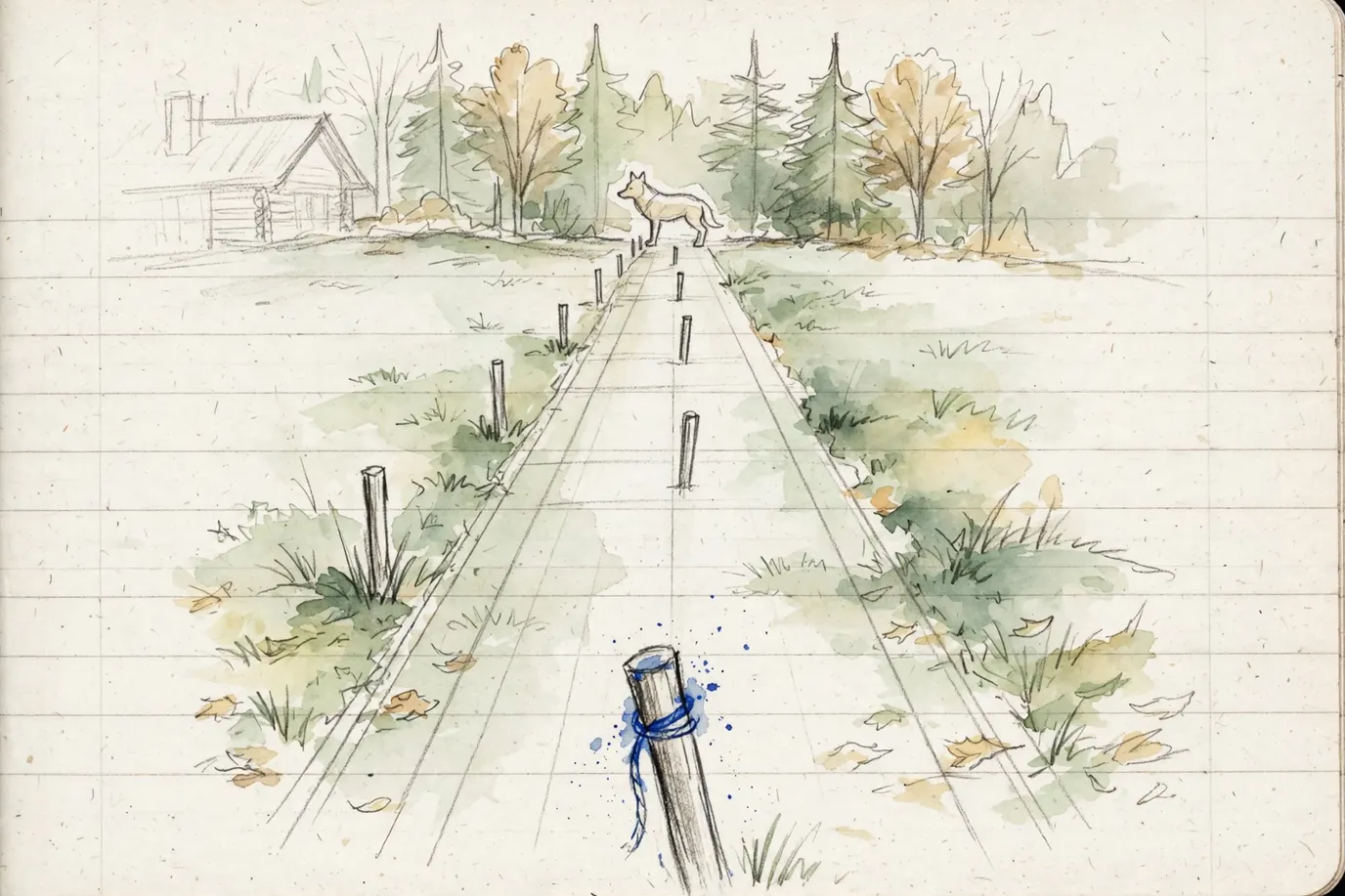
Judge distance before you trust your pins
Unknown distances are what make 3D hard, and what make it good hunting practice. Two methods come up again and again in 3D shooters' writing.
Recall judging. You look at the animal and match it to a mental picture of how that animal looks at each distance. It works, until the animal is a size you haven't seen.
Ground judging. You step the distance off in your head, working out from a distance you know well, like 10, 15 or 20 yards. One variation is to find the halfway point and double it.
The 3D shooter on the bow maker's blog kept notes and found he under-judged one specific animal by an average of 2 yards at any distance. So he set his sight 2 yards long for it. That's the kind of thing you only learn by writing it down.
My one opinion on this page: a 3D target earns its keep as a yardage-judging trainer more than as a place to stack arrows. The reason is in that 2-yard habit. A consistent judging error lands every arrow low by the same amount, and a bag target at a known distance will never show it to you. Practice judging on the 3D target, then confirm with the rangefinder, and you'll find your own habit.
Make a 3D target last
- Shade it. One 3D maker advises against direct sun all day, or rotating the target periodically.
- Keep it dry. Cover it with a tarp or canopy in rain.
- Pull broadheads right away. Don't leave them sitting in the foam.
- Swap the insert when pulls get easy in a bad way or arrows go deeper than they used to.
- Move the aim point. Practice quartering shots so arrows land across the insert, not in one hole.
The legs and head will outlast several inserts. That's the design.
Who should skip a 3D archery target
- Ring-only target archers. If you shoot formal target faces, a block or bale does more for you.
- Beginners still learning to group. Archery 360 notes 3D targets are smaller and easier to miss. Start with a big block.
- Small yards with no room to vary distance or angle. A 3D shot from one fixed spot is just a lumpy block.
- Fast crossbows with a target that lists no speed rating. Pick one rated above your speed, or see the crossbow target page.
Buy the animal you hunt, put it somewhere you have to think about the shot, and write down how far you guessed. The foam bear doesn't care, but your logbook will.
Brands in this list
Related
Questions people ask
What is a 3D archery target used for?
Two things. Bowhunters use it to practice shot placement from real angles and distances, and 3D archers use it on tournament-style courses. Archery 360 describes 3D courses as woodland trails with about 30 animal targets set at varying angles and distances, each one mimicking a bowhunting shot. The same target works for both.
Can you shoot broadheads into a 3D target?
Only if the maker or the listing rates that target for broadheads; the Stops column shows it. Even then, one 3D maker's range advice is not to leave broadheads sitting in the foam and to keep a separate target for broadhead tuning. Field points are what most 3D targets see most of the time.
How far should you shoot a 3D archery target?
As far as you'd shoot at an animal, and then a little past it for practice. One 3D maker suggests varying backyard distances from about 10 to 60 yards so you learn to judge range. At events, Archery 360 says stakes are placed at different distances for different equipment and age classes, and you learn which stake is yours at registration.
Can I shoot a crossbow at a 3D target?
Yes, if the target's speed rating covers your crossbow. Many 3D targets state none, so expect a dash in the table. Crossbows are faster than most vertical bows, so read the rating before the first bolt, not after it, and pick a different target if neither the maker nor the listing gives one.
What is the best 3D archery target?
The one that matches your animal, your point and your speed. Start with the animal you hunt, then confirm the maker's point rating covers broadheads if you'll shoot them, and the speed rating covers your bow. A replaceable vital insert keeps the target in use after the scoring zone wears out.
Sources
- Archery 360 (Archery Trade Association): Archery Targets: Know the Options — accessed 2026-10-21
- Archery 360 (Archery Trade Association): Scoring 3D Targets — accessed 2026-10-21
- Archery 360 (Archery Trade Association): Is it Safe to Shoot in My Yard? — accessed 2026-10-21
- Archery 360 (Archery Trade Association): How to Build a DIY Target and Backstop for Your Home Range — accessed 2026-10-21
- Rinehart Targets: Backyard bow range, setting up a 3D target course — accessed 2026-10-21
- Rinehart Targets: Why Rinehart — accessed 2026-10-21
- Elite Archery: Judging yardage — accessed 2026-10-21
- TenPoint Crossbows: What target will work best with my crossbow — accessed 2026-10-21
- Oregon Department of Fish and Wildlife: Bow shooting safety — accessed 2026-10-21