Brand · Trail Cameras & Optics
Cuddeback Trail Cameras
A Cuddeback trail camera comes in one of two systems. CuddeLink cameras pass photos by radio to a single Cell Home, so only one unit needs cell signal. Tracks cameras are conventional LTE cameras, each with its own connection. After that, you pick a flash: low-glow IR, no-glow Black Flash or a white strobe for color night photos. (Uncle Walt tracks his cameras on a sticky note that says 'the camera by the oak.' I use a few more columns.)
We earn a commission if you buy through our links, at no cost to you. Disclosure
Cuddeback on Amazon US
4 models- Trail camera
Cuddeback Tracks LTC-2A LTE
- Connectivity
- Cellular
- Trigger speed
- 0.25 s
- Night/flash range
- 100 ft
- Trail camera
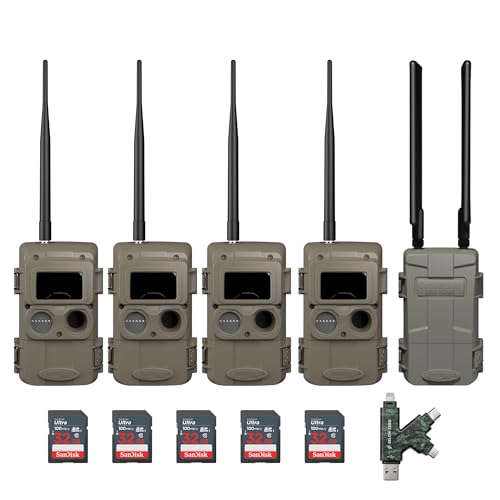
Cuddeback CuddeLink Wireless Trail Camera Sensor Bundle
- Units in pack
- 4
- Trail camera
Cuddeback CuddeLink Strobe LL-1A
- Units in pack
- 1
- Trail camera
Cuddeback CuddeLink Wireless 3rd Gen Trail Camera
Check price


Alternatives to Cuddeback
- Trail camera · GardePro
GardePro X50S
- Connectivity
- Cellular
- Photo resolution
- 48 MP
- Video
- 1296p
- Trail camera · Stealth Cam
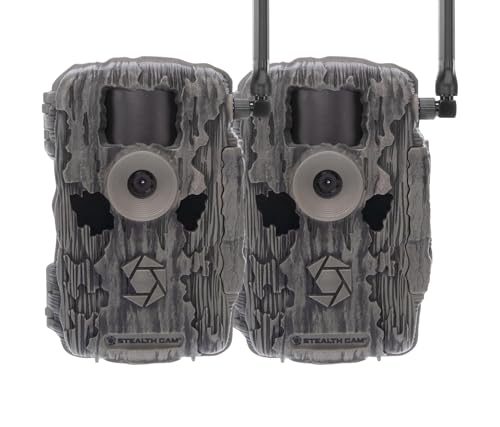
Stealth Cam Fusion X-Pro 2 Pack
- Units in pack
- 2
- Connectivity
- Cellular
- Photo resolution
- 36 MP
- Trail camera · Meidase
Meidase P300 Pro
- Connectivity
- Wifi bluetooth
- Photo resolution
- 64 MP
- Video
- 1296p
- Trail camera · SPYPOINT
SPYPOINT Flex-M2 Twin Pack
- Units in pack
- 2
- Connectivity
- Cellular
- Photo resolution
- 32 MP
- Trail camera · Moultrie
Moultrie Edge 3 Solar Power Pack
- Connectivity
- Cellular
- Photo resolution
- 40 MP
- Video
- 1080p
- Trail camera · Moultrie
Moultrie Edge Solar 40MP
- Connectivity
- Cellular
- Photo resolution
- 40 MP
- Video
- 1080p
- Trail camera · Sehmua
Sehmua Dual Lens 180 2K Cellular
- Connectivity
- Cellular
- Photo resolution
- 24 MP
- Video
- 1440p 2k
- Trail camera · Sehmua
Sehmua Dual Lens 180 2K Cellular
- Connectivity
- Cellular
- Photo resolution
- 24 MP
- Video
- 1440p 2k
- Trail camera · Meidase
Meidase P80 Pro
- Connectivity
- Wifi bluetooth
- Photo resolution
- 48 MP
- Video
- 1296p
- Trail camera · GardePro
GardePro E6 WiFi
- Connectivity
- Wifi bluetooth
- Photo resolution
- 64 MP
- Video
- 1296p
- Trail camera · Wildgame Innovations
Wildgame Innovations Wraith 2.0
- Photo resolution
- 26 MP
- Video
- 720p
- Trigger speed
- 0.7 s



How alternatives are pickedSame type of gear from other brands, closest first: same price tier as Cuddeback’s own listings at our last check, then the most maker-published specs. No popularity, no paid placement.
What Cuddeback makes for hunters
Cuddeback makes trail cameras and the parts that keep them running: solar panels, battery packs, power cables, mounts and a lockable camera box. On this site, Cuddeback covers one type, trail cameras, and the grid above shows the Cuddeback cameras listed on Amazon right now.
Because Cuddeback has only a few cameras listed, the theme adds "Alternatives to Cuddeback" below them, from other trail camera makers. Those are mostly SD-card and cellular cameras with their own specs, so read them as a separate list.
The listings change as models come and go, so I'll write about the systems and what separates them, not about this week's count.
Two systems: CuddeLink and Tracks
Here's what actually changes from one Cuddeback camera to the next. The first question isn't the flash or the photo size. It's the system.
- CuddeLink: cameras that pass photos by radio to one Cell Home, which has the cell connection
- Tracks: conventional LTE cameras, each with its own cell connection
Cuddeback lists Tracks as conventional LTE cameras, and it lists CuddeLink compatibility only on the CuddeLink cameras. So pick the system first, and then everything you buy after that has to match it.
Lineup notes: CuddeLink network cameras
How a CuddeLink network works
Cuddeback describes CuddeLink in four steps:
- Each camera takes photos and saves them to its own SD card.
- The camera sends those photos by radio to the CuddeLink Cell Home.
- Cameras daisy-chain, passing photos along to reach the Cell Home from a mile or more away.
- The Cell Home sends the photos to you over LTE.
The maker calls this a patented mesh network. In kitchen terms, it's a bucket brigade. Each camera hands the photo to the next one in line until it reaches the one with the phone signal. (Uncle Walt said that's how the camp gets firewood to the stove. Close enough, and he's never at the front of the line.)
The practical result: only the Cell Home needs LTE coverage. Cuddeback says the cameras can sit anywhere, even in dead zones. On the property behind Hemlock Run, that's the difference between a camera on the ridge with signal and a camera down in the hollow where the deer actually are.
Cell Home and the cameras
A CuddeLink network needs one Cell Home. Cuddeback says it collects images from up to 23 CuddeLink cameras and sends them over LTE, and adding cameras doesn't raise the monthly data fee. The data plans are tiered by photo count per month, from a few thousand to unlimited, and the higher tiers let you choose full-size photos.
Cuddeback also sells an AC adapter for 120V power (USA and Canada only), and says it's mostly used when the Cell Home sits inside a building. A Cell Home on the barn wall, cameras out in the woods: that's the setup the maker describes.
The CuddeLink cameras on Cuddeback's site come in four versions:
- CuddeLink IR (LL-2A): 24 low-glow 850 nm LEDs, range over 100 feet
- CuddeLink Black Flash: no-glow 940 nm LEDs
- CuddeLink Strobe (LL-1A): xenon strobe flash for color photos day and night, over 100 feet
- CuddeLink Zoom: a long-range animal detector, an illuminator the maker calls Power House and a telephoto lens, for fields and food plots
In the grid, you'll see the Strobe LL-1A, a CuddeLink 3rd Gen camera and a 4-camera bundle. Their flash types come from the listings.
What CuddeLink cameras share
Per the maker's IR and Strobe pages, the CuddeLink cameras share a feature list:
- Trigger speed: 1/4 second
- Animal detector: third generation, with 7 sensitivity levels
- Time lapse: day only, night only, all day, first hours of daylight, last hours of daylight
- Setup: a built-in screen on the camera, plus the app or a web browser
- Power: four D alkaline batteries, not included
- Storage: SD cards up to 256 GB, not included
- Updates: date and time set automatically, firmware updated over the air
Trigger speed is how long the camera takes from detecting motion to taking the photo. The maker's own line for it is that you "get the deer, and not the blanks." (A slow trigger is how you end up with a lovely photo of a tail. I have a folder of those from other people's cameras. Walt's, mostly.)
Lineup notes: Tracks LTE cameras
Tracks is Cuddeback's conventional cellular camera. The grid lists the Tracks LTC-2A, with cellular connectivity, a 0.25-second trigger, a 100-foot flash range, low-glow IR and four D cells.
Cuddeback's Tracks page lists:
- Battery life: up to a year on four D batteries
- Photos: full-size photos sent every time, the same file that's saved on the SD card
- Cell service: dual SIM cards pre-installed for Verizon and AT&T, switchable in the app
- Coverage area: works in the United States, Canada and Mexico
- Antennas: two high-gain cell antennas, which the maker says help in fringe areas
- Activation: scan a QR code with a phone, or use a web browser
- Flash: IR (850 nm, over 100 feet) or Black Flash (940 nm)
It shares the 1/4-second trigger, the 7-level animal detector and the time-lapse modes with CuddeLink. The maker also lists a patented Auto Camera Delay on the Tracks.
How to choose within the Cuddeback lineup
Decide how many cameras you'll run first
My one opinion on this page: count your cameras before you choose between CuddeLink and Tracks. The reason is in Cuddeback's own plan structure. A CuddeLink network runs on one Cell Home and one data plan for up to 23 cameras. Tracks cameras each have their own cell connection and their own plan. One or two cameras near good signal fits the Tracks model. Several cameras spread over a property, some in dead zones, is the job CuddeLink was built for.
Write the number down. Then write where the signal is. Those two lines decide the system.
The cellular trail camera page compares cell cameras across brands, and best cellular trail camera has a ranked list.
Then pick the flash type
Cuddeback offers three flash types, and the wavelength numbers tell you most of the story:
- IR, 850 nm: the maker calls it low glow, and says it takes higher quality photos with longer range than Black Flash
- Black Flash, 940 nm: the maker calls it completely invisible
- Strobe: a visible xenon flash, the only Cuddeback option for color photos at night
No-glow IR means a flash you can't see. On paper, the maker's own trade is plain: Black Flash for invisibility, IR for the better night photo and longer range, strobe for color. If the camera sits where people walk by, the invisible flash makes sense. If you want the clearest black-and-white night photo, IR. If you want color, strobe. More on flash types is on the trail camera page.
Then check the power plan
Every Cuddeback camera on the maker's site runs on four D cells. Cuddeback also sells ways to keep one running longer:
- Solar panels: a standard panel and a Sun and Shade panel the maker says works under a canopy
- Power Bank: adds six more D batteries
- Dual Power Cord: runs two Power Banks on one camera, which the maker says doubles the runtime
- Battery Power Cable: connects a 12-volt battery you supply
Fewer trips to swap batteries means fewer trips into the spot. That's the only thing I'll say about scent here, and I'll say it with a straight face.
Then mounting and security
Cuddeback sells Genius mounts that pan, tilt and lock with your padlock, a post mount for spots without a tree, and a lockable box it calls the CuddeSafe. (The maker says it protects against bears and Bigfoot. I have no data on Bigfoot. My spreadsheet has a column ready.) A locking cable is in the accessory list too.
Setup notes before the season
A few things from Cuddeback's pages that save a trip:
- Batteries and card: neither ships with the camera, so buy four D cells and an SD card (up to 256 GB) with it
- Settings: you can set up at the camera with the built-in screen, then change settings later from the app
- Time lapse: the first-hours and last-hours modes shoot on a schedule around dawn and dusk, photos taken on a clock instead of waiting for motion, handy where deer stay far from the lens
- Firmware: updates over the air, so you don't have to pull the camera
Trail camera rules differ by state and by land type, and some public lands limit cameras or cellular cameras. Check your state wildlife agency before you hang one on public ground.
Cuddeback warranty and company facts
Cuddeback calls its warranty "5.2.1":
- 1 year: standard warranty
- 2 years: with online registration
- 5 years: reduced-cost replacement
Register the camera online the day it arrives. It's the cheapest year of coverage you'll ever get, and it takes less time than finding the SD card you dropped in the truck.
What I could verify on the maker's site: Cuddeback lists a physical address in De Pere, Wisconsin, and a mailing address in Green Bay. Its product pages say the cameras and the Tracks app are designed in the USA by Cuddeback. I couldn't verify a founding year, an owner or where the cameras are manufactured, so those are left out.
System, flash, power. Write all three on the inside of the camera door, next to the date you put the batteries in.
Where Cuddeback shows up
Questions about Cuddeback
Are Cuddeback trail cameras good?
What the maker states is checkable: its CuddeLink and Tracks pages list a 1/4-second trigger speed, a flash range over 100 feet on the IR and strobe models, power from four D cells, and SD cards up to 256 GB. Whether one suits you depends on how many cameras you'll run, where your signal is, and which flash type you want.
How does CuddeLink work?
Per Cuddeback, CuddeLink cameras save photos to their SD cards and send them by radio to a CuddeLink Cell Home, which sends them to you over LTE. Cameras can relay photos through each other from a mile or more away, and up to 23 cameras can share one Cell Home without raising the data fee. Only the Cell Home needs LTE.
What is the difference between CuddeLink and Tracks?
Tracks cameras are conventional LTE cameras that each connect on their own. Cuddeback lists dual SIM cards for Verizon and AT&T, full-size photos sent every time, and up to a year of battery life on four D cells. CuddeLink cameras share one Cell Home and one data plan, and the maker lists CuddeLink compatibility only on CuddeLink cameras.
Which Cuddeback flash type should I pick?
Cuddeback offers three. IR uses 850 nm LEDs, which the maker calls low glow, with range over 100 feet. Black Flash uses 940 nm LEDs, which it calls completely invisible. Strobe uses a xenon flash for color night photos over 100 feet, and it's visible. The maker says IR takes higher quality, longer-range photos than Black Flash.
Where is Cuddeback located?
Cuddeback's site lists a physical address in De Pere, Wisconsin, and a mailing address in Green Bay. Its product pages say the cameras are designed in the USA by Cuddeback. I couldn't verify where they're manufactured or a founding year, so those are left out.
Where can I buy Cuddeback trail cameras?
The product grid on this page links to the Cuddeback listings on Amazon US. Cuddeback also sells cameras, power accessories and mounts on its own site. Check that a CuddeLink listing names the parts you need, since a network needs a Cell Home as well as cameras.
Sources
- Cuddeback: CuddeLink network trail cameras — accessed 2026-10-23
- Cuddeback: Tracks LTE trail cameras — accessed 2026-10-23
- Cuddeback: Trail cameras and accessories — accessed 2026-10-23
- Cuddeback: CuddeLink IR camera, model LL-2A — accessed 2026-10-23
- Cuddeback: CuddeLink Strobe camera, model LL-1A — accessed 2026-10-23
- Cuddeback: Tracks IR and Black Flash LTE cameras, model LTC-2A — accessed 2026-10-23