Archery & Bowhunting · Gear type
Crossbow Bolts
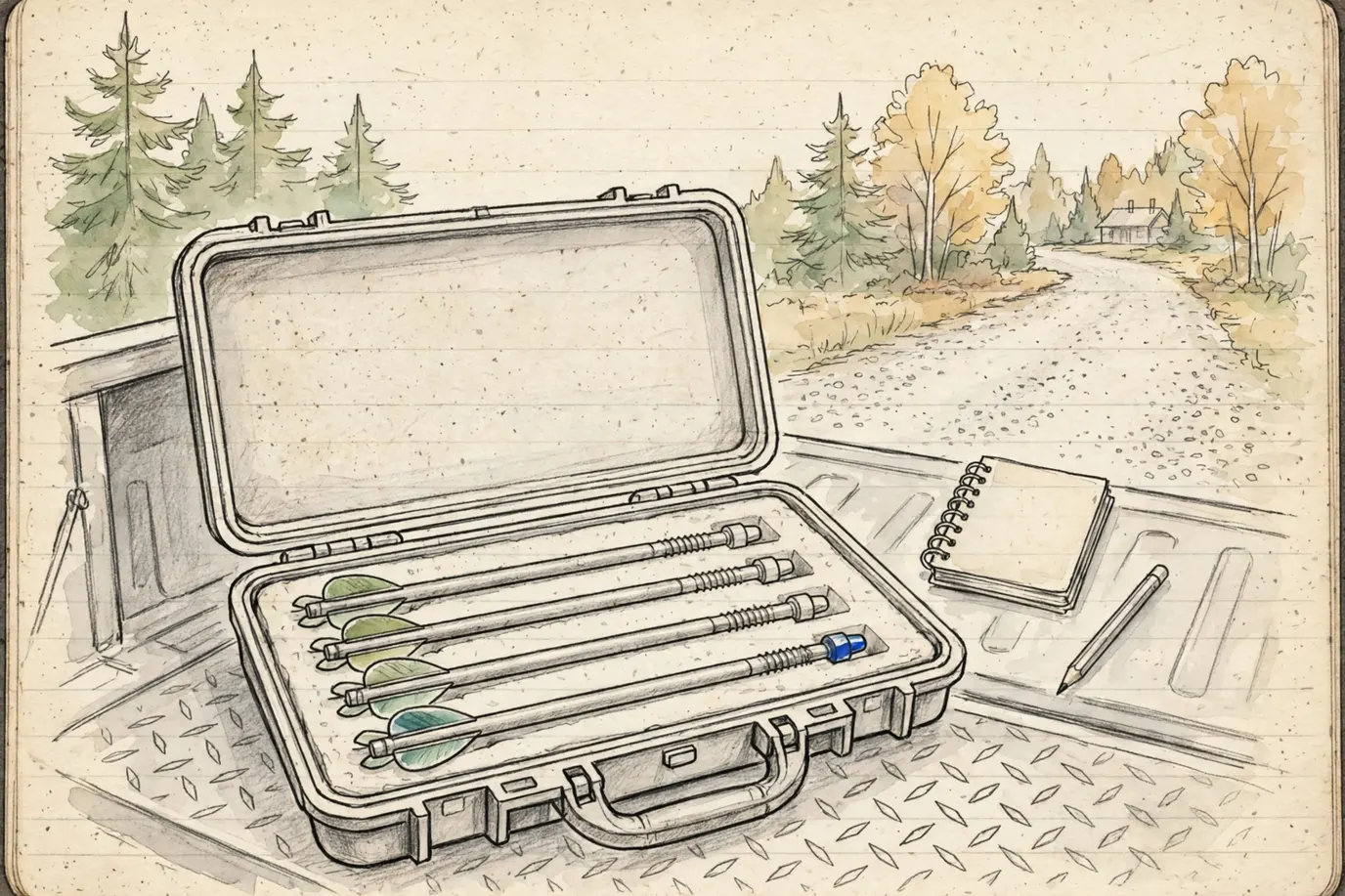
Crossbow bolts are the short, heavy arrows a crossbow shoots, and the right ones are the ones your crossbow's maker specifies. Start with three numbers from the owner's manual: minimum length, minimum finished weight and nock style. Everything else (straightness, shaft material, lighted nocks) only matters after those three line up. The short version: a bolt that's too light, too short or wearing the wrong nock is a safety problem, not a tuning problem. (I keep a spreadsheet tab for bolts. It's shorter than the arrow tab, which feels right.)
We earn a commission if you buy through our links, at no cost to you. Disclosure
| Model | Length | Shaft | Diameter (ID) | Straightness | Bolt weight | Nock | Amazon |
|---|---|---|---|---|---|---|---|
Black Eagle ExecutionerCrossbow bolt More specs
| 16 inmaker | — | — | 0.003 inlisting | — | Half moonmaker | Check price |
Black Eagle ExecutionerCrossbow bolt More specs
| 16 inmaker | Carbonlisting | — | 0.003 inlisting | — | Half moonmaker | Check price |
Excalibur QuillCrossbow bolt More specs
| 16.5 inmaker | Carbonlisting | — | 0.003 inmaker | 250 grlisting | — | Check price |
Black Eagle ExecutionerCrossbow bolt More specs
| 18 inmaker | — | — | 0.001 inlisting | — | Half moonmaker | Check price |
Black Eagle Zombie SlayerCrossbow bolt More specs
| 18 inmaker | Carbonlisting | — | 0.003 inlisting | — | Half moonmaker | Check price |
Excalibur DiabloCrossbow bolt More specs
| 18 inmaker | Carbonlisting | — | 0.003 inlisting | 250 grlisting | — | Check price |
Excalibur ProFlight IlluminatedCrossbow bolt More specs
| 18 inmaker | Carbonlisting | — | 0.001 inlisting | — | Flatmaker | Check price |
Excalibur ProFlightCrossbow bolt More specs
| 18 inmaker | Carbonlisting | — | 0.001 inlisting | — | Flatmaker | Check price |
Excalibur ProFlightCrossbow bolt More specs
| 18 inmaker | — | — | 0.001 inmaker | — | Flatmaker | Check price |
Barnett HeadhunterCrossbow bolt More specs
| 20 inmaker | Carbonlisting | — | 0.006 inmaker | — | Half moonlisting | Check price |
Barnett HyperfliteCrossbow bolt More specs
| 20 inmaker | — | 0.204 inlisting | 0.001 inlisting | — | Capturemaker | Check price |
Black Eagle ExecutionerCrossbow bolt More specs
| 20 inmaker | — | — | 0.001 inlisting | — | Half moonmaker | Check price |
Black Eagle ExecutionerCrossbow bolt More specs
| 20 inmaker | — | — | 0.003 inlisting | — | Half moonmaker | Check price |
Black Eagle ExecutionerCrossbow bolt More specs
| 20 inmaker | — | — | 0.003 inlisting | — | Half moonmaker | Check price |
Black Eagle ExecutionerCrossbow bolt More specs
| 20 inmaker | — | — | 0.003 inlisting | — | Half moonmaker | Check price |
Black Eagle Zombie SlayerCrossbow bolt More specs
| 20 inmaker | Carbonlisting | — | 0.003 inlisting | — | Half moonmaker | Check price |
Black Eagle Zombie SlayerCrossbow bolt More specs
| 20 inmaker | — | — | 0.001 inlisting | — | Half moonmaker | Check price |
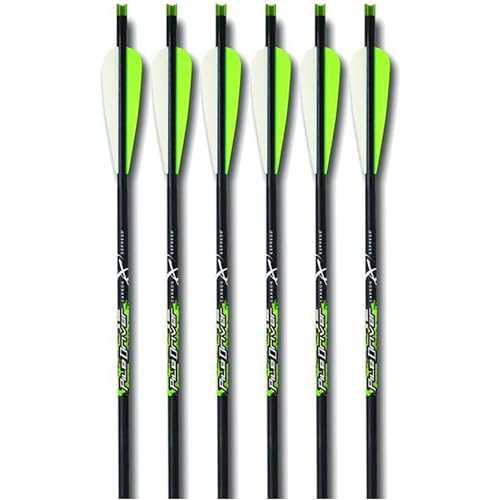
Carbon Express PileDriver CrossboltCrossbow bolt More specs
| 20 inmaker | Carbonlisting | — | 0.004 inmaker | — | Universalmaker | Check price |
Carbon Express Mayhem CrossboltCrossbow bolt More specs
| 20 inmaker | Carbonlisting | — | 0.003 inmaker | 420 grlisting | Universalmaker | Check price |
Carbon Express D-Stroyer 380 CrossboltCrossbow bolt More specs
| 20 inmaker | Carbonmaker | — | 0.003 inmaker | — | Universalmaker | Check price |
Easton XX75 MagnumCrossbow bolt More specs
| 20 inmaker | Aluminumlisting | 0.306 inmaker | — | — | Half moonlisting | Check price |
Easton 9MMCrossbow bolt More specs
| 20 inmaker | — | 0.3 inmaker | — | — | Half moonlisting | Check price |
Excalibur FireboltCrossbow bolt More specs
| 20 inmaker | Carbonlisting | 0.3 inlisting | 0.003 inmaker | 250 grlisting | — | Check price |
Excalibur FireboltCrossbow bolt | 20 inmaker | Carbonlisting | — | 0.003 inlisting | 250 grlisting | — | Check price |
Barnett Hyperflite LightedCrossbow bolt More specs
| 22 inmaker | — | — | 0.001 inmaker | — | Half moonlisting | Check price |
Black Eagle ExecutionerCrossbow bolt More specs
| 22 inmaker | Carbonlisting | — | 0.001 inlisting | — | Half moonmaker | Check price |
Black Eagle Zombie SlayerCrossbow bolt More specs
| 22 inmaker | — | — | 0.001 inlisting | — | Half moonmaker | Check price |
Black Eagle ExecutionerCrossbow bolt More specs
| 22 inmaker | — | — | 0.001 inlisting | — | Half moonmaker | Check price |
Black Eagle Zombie SlayerCrossbow bolt More specs
| 22 inmaker | Carbonlisting | — | 0.003 inlisting | — | Half moonmaker | Check price |
Carbon Express PileDriver CrossboltCrossbow bolt More specs
| 22 inmaker | Carbonlisting | — | 0.004 inmaker | — | Universalmaker | Check price |
Easton 9MMCrossbow bolt More specs
| 22 inmaker | — | 0.3 inmaker | — | — | Half moonlisting | Check price |
Gold Tip BallisticCrossbow bolt More specs
| 22 inmaker | Carbonlisting | 0.3 inmaker | 0.005 inlisting | — | — | Check price |
Gold Tip NitroCrossbow bolt More specs
| 22 inmaker | Carbonlisting | — | 0.005 inlisting | — | Half moonlisting | Check price |
Ameyxgs Carbon Crossbow Bolts with Replaceable TipsCrossbow bolt More specs
| — | Carbonlisting | 0.299 inlisting | — | — | — | Check price |
Ameyxgs Carbon Crossbow Bolts with Arrow QuiverCrossbow bolt | — | Carbonlisting | — | — | — | — | Check price |
Ameyxgs Crossbow Bolts with 3 Fixed Blade BroadheadsCrossbow bolt | — | Carbonlisting | 0.299 inlisting | — | — | — | Check price |
Ameyxgs Carbon Crossbow Bolts with Hunting TipsCrossbow bolt More specs
| — | Carbonlisting | — | — | — | — | Check price |
Ameyxgs Carbon Crossbow Bolts 12-PackCrossbow bolt More specs
| — | Carbonlisting | 0.299 inlisting | — | — | — | Check price |
Ameyxgs Carbon Crossbow Bolts with Arrow QuiverCrossbow bolt | — | Carbonlisting | — | — | — | — | Check price |
Ameyxgs Carbon Crossbow Bolts with Arrow QuiverCrossbow bolt | — | Carbonlisting | — | — | — | — | Check price |




Ameyxgs 6.7in Aluminum Crossbow Bolts 12-PackCrossbow bolt More specs
| — | Aluminumlisting | — | — | — | — | Check price |
|---|---|---|---|---|---|---|---|
Ameyxgs 6.2in Aluminum Crossbow BoltsCrossbow bolt More specs
| — | Aluminumlisting | — | — | — | — | Check price |
Ameyxgs 6.8in Aluminum Crossbow Bolts with BroadheadsCrossbow bolt More specs
| — | Aluminumlisting | — | — | — | — | Check price |
Ameyxgs Carbon Crossbow Bolts 7.5in and 15inCrossbow bolt More specs
| — | Carbonlisting | — | — | — | — | Check price |
Ameyxgs Carbon Crossbow Bolts 12-Pack with Shield FeathersCrossbow bolt More specs
| — | Carbonlisting | 0.299 inlisting | — | 125 grlisting | — | Check price |
Ameyxgs Camo Carbon Crossbow Bolts 12-PackCrossbow bolt More specs
| — | Carbonlisting | — | — | — | — | Check price |
Ballista Sting 13 in Micro-Diameter BoltsCrossbow bolt More specs
| — | Carbonlisting | 0.165 inlisting | — | 250 grlisting | Half moonlisting | Check price |
Ballista 12.8 in Carbon Mini BoltsCrossbow bolt More specs
| — | Carbonlisting | — | — | 140 grlisting | Half moonlisting | Check price |
Ballista 10.5 in Crossbow BoltsCrossbow bolt More specs
| — | Carbonlisting | — | — | 140 grlisting | Half moonlisting | Check price |
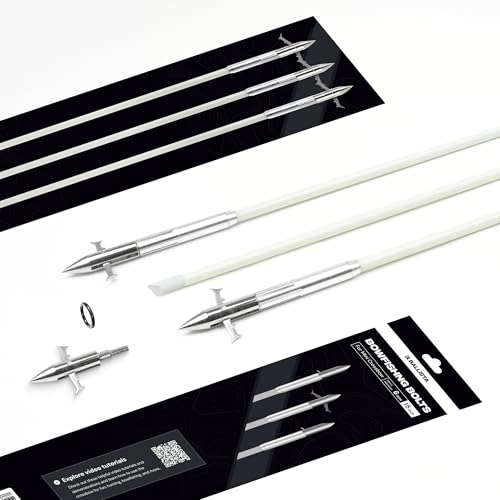
Ballista 15 in Mini Bowfishing Arrows 6mmCrossbow bolt More specs
| — | Fiberglasslisting | — | — | 476 grlisting | Half moonlisting | Check price |
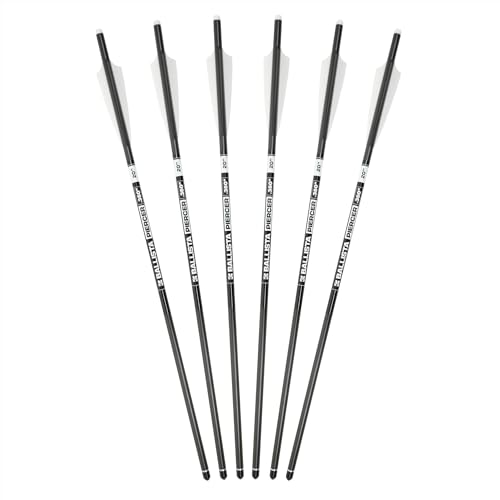
Ballista Piercer 20 in 2-Vane BoltsCrossbow bolt More specs
| — | Carbonlisting | — | 0.003 inlisting | 355 grlisting | Half moonlisting | Check price |
Ballista Piercer 20 in 3-Vane BoltsCrossbow bolt More specs
| — | Carbonlisting | — | 0.003 inlisting | 360 grlisting | Half moonlisting | Check price |
Ballista 10.5 in Broadhead BoltsCrossbow bolt More specs
| — | Carbonlisting | — | — | 151 grlisting | Half moonlisting | Check price |
Barnett Demun Hyperbolt 3FCrossbow bolt More specs
| — | — | — | — | — | — | Check price |
Barnett C7 Carbon Hyperbolts 7 inCrossbow bolt More specs
| — | Carbonlisting | — | — | — | — | Check price |
Bear Archery Desire Mini BoltsCrossbow bolt More specs
| — | — | — | — | — | — | Check price |
Bear X Truex Crossbow Arrows ACBK20Crossbow bolt More specs
| — | — | — | — | — | Proprietarylisting | Check price |
Black Eagle X-Impact 300Crossbow bolt More specs
| — | Carbonlisting | — | 0.001 inlisting | — | — | Check price |
Black Eagle Executioner Crossbow Shafts .001-22Crossbow bolt More specs
| — | — | — | 0.001 inlisting | — | — | Check price |
Carbon Express Maxima Contour CrossboltCrossbow bolt More specs
| — | — | — | 0.002 inlisting | 390 grlisting | Universallisting | Check price |
CenterPoint AXCCA203PK Carbon Crossbow ArrowsCrossbow bolt More specs
| — | Carbonlisting | — | 0.003 inlisting | 400 grlisting | Half moonlisting | Check price |
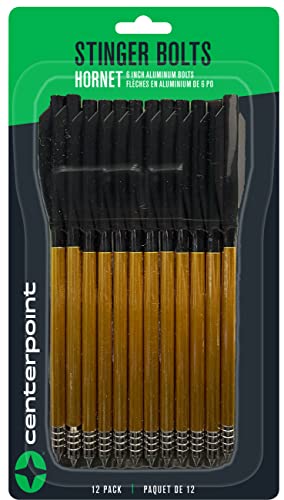
CenterPoint C1002 Hornet Stinger BoltsCrossbow bolt More specs
| — | Aluminumlisting | — | — | 146.6 grlisting | — | Check price |
Dead Ringer Nutralyzer Crossbow Bolts 5-PackCrossbow bolt More specs
| — | Carbonlisting | — | — | 307.08 grlisting | — | Check price |
Dead Ringer Nutralyzer 20" Lighted Crossbow BoltsCrossbow bolt More specs
| — | Carbonlisting | — | — | 325.6 grlisting | — | Check price |
Excalibur Diablo Carbon ArrowsCrossbow bolt More specs
| — | Carbonlisting | — | — | — | — | Check price |
Excalibur Quill Micro Bolt 16.5"Crossbow bolt More specs
| — | — | — | — | — | — | Check price |
Gold Tip Nitro 22 in Flat NocksCrossbow bolt More specs
| — | Carbonlisting | — | 0.005 inlisting | — | Flatlisting | Check price |
Guide Gear Trophy Hunter Pro Carbon 20-Inch BoltsCrossbow bolt More specs
| — | Carbonlisting | — | — | — | Half moonlisting | Check price |
Guide Gear Trophy Hunter Crossbow Bolts 6-PackCrossbow bolt More specs
| — | Carbonlisting | — | — | — | Half moonlisting | Check price |
Killer Instinct Hypr Lite 20 inCrossbow bolt More specs
| — | Carbonlisting | — | — | — | Half moonlisting | Check price |
Killer Instinct KillerTech 20 inCrossbow bolt More specs
| — | Carbonlisting | — | 0.005 inlisting | 400 grlisting | — | Check price |
Killer Instinct Hypr-V 20 inCrossbow bolt More specs
| — | — | 0.3 inlisting | 0.003 inlisting | 390 grlisting | — | Check price |
Killer Instinct KillerTech Lighted 20 inCrossbow bolt More specs
| — | Carbonlisting | — | 0.005 inlisting | 430 grlisting | — | Check price |
Lumenok Lumen-Arrow 20 inCrossbow bolt More specs
| — | Carbonlisting | — | — | 325 grlisting | Capturelisting | Check price |
Lumenok Lumen-Arrow 22 inCrossbow bolt More specs
| — | Carbonlisting | — | — | 345 grlisting | Capturelisting | Check price |
Lumenok 22 Carbon Bolt Flat Lighted NockCrossbow bolt More specs
| — | Carbonlisting | — | — | — | Flatlisting | Check price |
Lumenok Pink Moon 22 inCrossbow bolt More specs
| — | — | — | — | — | — | Check price |
Lumenok Pink Moon 20 inCrossbow bolt More specs
| — | — | — | — | — | — | Check price |
Lumenok Crescent Lumen-ArrowCrossbow bolt More specs
| — | Carbonlisting | — | — | — | — | Check price |
Mission Lighted Bolt 22 inCrossbow bolt More specs
| — | — | — | — | — | — | Check price |
Mission Bolts 19 in 300grCrossbow bolt More specs
| — | Carbonlisting | — | 0.001 inlisting | 300 grlisting | Half moonlisting | Check price |
Mission Lighted Nocks 19 in 250 SpineCrossbow bolt More specs
| — | — | — | 0.001 inlisting | — | — | Check price |
Nika Archery 16 in Aluminum Bolts Moon NockCrossbow bolt More specs
| — | Aluminumlisting | 0.305 inlisting | — | — | Half moonlisting | Check price |
Nika Archery 16 in Mix Carbon BoltsCrossbow bolt More specs
| — | Carbonlisting | 0.3 inlisting | — | — | Half moonlisting | Check price |
Nika Archery 16 in Fiberglass Bolts Flat NockCrossbow bolt More specs
| — | Fiberglasslisting | 0.236 inlisting | — | — | Flatlisting | Check price |
Nika Archery 16 in Mix Carbon Bolts 4 in VaneCrossbow bolt More specs
| — | Carbonlisting | 0.3 inlisting | — | — | Half moonlisting | Check price |
Nika Archery 6.5 in Aluminum Pistol Bolts Steel Broadhead TipsCrossbow bolt More specs
| — | Aluminumlisting | — | — | — | — | Check price |
Nika Archery 6.3 in Aluminum Mini BoltsCrossbow bolt More specs
| — | Aluminumlisting | — | — | — | — | Check price |
Nika Archery 6.3 in Plastic Pistol BoltsCrossbow bolt More specs
| — | — | — | — | — | — | Check price |
Nika Archery 7.5 in Carbon Mini BoltsCrossbow bolt | — | Carbonlisting | — | — | — | — | Check price |
Nika Archery 7.5 in Carbon Bolts SP350Crossbow bolt More specs
| — | Carbonlisting | — | — | 200 grlisting | — | Check price |
PSE Archery Fang Half Moon Bolt 20 inCrossbow bolt More specs
| — | — | 0.283 inlisting | 0.005 inlisting | 300 grlisting | Half moonlisting | Check price |
PSE Archery Thunder Bolts 20 inCrossbow bolt | — | — | — | — | — | Half moonlisting | Check price |
Ravin R130 400grCrossbow bolt More specs
| — | — | — | — | 400 grlisting | — | Check price |
Ravin R132 400 GrainCrossbow bolt More specs
| — | Carbonlisting | — | 0.001 inlisting | 400 grlisting | — | Check price |
Ravin Carbon Bolts .003Crossbow bolt More specs
| — | Carbonlisting | — | 0.003 inlisting | 400 grlisting | — | Check price |
Ravin R133 LightedCrossbow bolt More specs
| — | — | — | — | — | — | Check price |
Ravin R134 Lighted 400 GrainCrossbow bolt More specs
| — | — | — | 0.001 inlisting | 400 grlisting | — | Check price |
Ravin R133 Match Weight LightedCrossbow bolt More specs
| — | Carbonlisting | — | 0.003 inlisting | — | — | Check price |
Ravin Carbon 400 Grain .003Crossbow bolt More specs
| — | — | — | 0.003 inlisting | 400 grlisting | — | Check price |
Ravin Carbon 400 Grain .003Crossbow bolt More specs
| — | — | — | 0.003 inlisting | 400 grlisting | — | Check price |
Ravin R139 400 GrainCrossbow bolt More specs
| — | Carbonlisting | — | — | 400 grlisting | — | Check price |
Ravin R138 400 GrainCrossbow bolt More specs
| — | — | — | 0.003 inlisting | 400 grlisting | — | Check price |
Ravin XK5 20 inCrossbow bolt More specs
| — | Carbonlisting | — | 0.001 inlisting | 500 grlisting | — | Check price |
sanlida Warpath 24 PackCrossbow bolt More specs
| — | Carbonlisting | — | — | — | Half moonlisting | Check price |
sanlida Warpath 9 and Warpath 8 20 inCrossbow bolt More specs
| — | Carbonlisting | — | — | — | Half moonlisting | Check price |
SAS Pistol Crossbow Bolts 24 PackCrossbow bolt More specs
| — | — | — | — | — | — | Check price |
SAS Perfectline 22 in Carbon BoltsCrossbow bolt More specs
| — | Carbonlisting | — | — | — | Half moonlisting | Check price |
SAS Prophecy Aluminum Pistol BoltsCrossbow bolt More specs
| — | Aluminumlisting | — | — | — | — | Check price |
SAS Troy 20 in Carbon BoltsCrossbow bolt More specs
| — | Carbonlisting | — | — | — | — | Check price |
SAS 6.5 in Aluminum Pistol BoltsCrossbow bolt More specs
| — | Aluminumlisting | — | — | — | — | Check price |
SAS Prophecy X Carbon Pistol BoltsCrossbow bolt More specs
| — | Carbonlisting | — | — | — | — | Check price |
SAS 7.5 in Magnum Carbon BoltsCrossbow bolt More specs
| — | Carbonlisting | — | — | — | Half moonlisting | Check price |
SAS 15 in Manticore Carbon BoltsCrossbow bolt More specs
| — | Carbonlisting | — | — | — | — | Check price |
SAS 6.5 in Aluminum Pistol Bolts with QuiverCrossbow bolt More specs
| — | Aluminumlisting | — | — | — | — | Check price |
SAS 20 in Red Aluminum BoltsCrossbow bolt More specs
| — | Aluminumlisting | — | — | — | — | Check price |
TenPoint Pro Elite 400Crossbow bolt More specs
| — | Carbonlisting | — | 0.003 inlisting | 400 grlisting | Proprietarylisting | Check price |
TenPoint Pro Elite 400Crossbow bolt More specs
| — | Carbonlisting | — | 0.003 inlisting | — | Proprietarylisting | Check price |
TenPoint EVO-X CenterPunch16Crossbow bolt More specs
| — | Carbonlisting | — | 0.001 inlisting | — | Proprietarylisting | Check price |
TenPoint EVO-X CenterPunch16 LightedCrossbow bolt More specs
| — | Carbonlisting | — | — | — | — | Check price |
TenPoint Pro Elite 400 Alpha-BlazeCrossbow bolt More specs
| — | Carbonlisting | — | 0.003 inlisting | — | — | Check price |
TenPoint CenterPunch HPX LightedCrossbow bolt More specs
| — | Carbonlisting | — | — | 445 grlisting | Proprietarylisting | Check price |
TenPoint CenterPunch HPX 20 inCrossbow bolt More specs
| — | Carbonlisting | — | 0.001 inlisting | 445 grlisting | — | Check price |
TenPoint Pro Elite 400 Select 20 inCrossbow bolt More specs
| — | Carbonlisting | — | — | 410 grlisting | — | Check price |
TenPoint ACU-X LightedCrossbow bolt More specs
| — | Carbonlisting | — | — | 440 grlisting | — | Check price |
TenPoint ACU-XCrossbow bolt More specs
| — | Carbonlisting | — | — | 440 grlisting | — | Check price |
TenPoint Pro Elite 400 Select LightedCrossbow bolt More specs
| — | Carbonlisting | — | — | — | — | Check price |
TenPoint ACU-X RD LightedCrossbow bolt More specs
| — | Carbonlisting | — | — | 440 grlisting | — | Check price |
TenPoint ACU-X RDCrossbow bolt More specs
| — | Carbonlisting | — | — | 440 grlisting | — | Check price |
Toparchery 20 in Carbon Crossbow Arrows 4 in VanesCrossbow bolt More specs
| — | Carbonlisting | — | — | — | — | Check price |
Toparchery 20 in Pure Carbon BoltsCrossbow bolt More specs
| — | Carbonlisting | 0.299 inlisting | — | 385.8 grlisting | — | Check price |
Toparchery 20 in Bolts with Lighted NocksCrossbow bolt More specs
| — | Carbonlisting | — | — | — | — | Check price |
Toparchery 6.25 in Mini Aluminum BoltsCrossbow bolt More specs
| — | Aluminumlisting | — | — | — | — | Check price |
Victory Archery XBolt 0.300 22 in LightedCrossbow bolt More specs
| — | Carbonlisting | 0.3 inlisting | — | — | Half moonlisting | Check price |
Victory Archery Voodoo SS 0.166Crossbow bolt | — | Carbonlisting | 0.166 inlisting | — | — | — | Check price |
Victory Archery TKX Elite 20 in LightedCrossbow bolt More specs
| — | Carbonlisting | — | — | 325 grlisting | — | Check price |
Wicked Ridge XX75 2219 AluminumCrossbow bolt More specs
| — | Aluminumlisting | — | 0.003 inlisting | 459 grlisting | Proprietarylisting | Check price |
Wicked Ridge Match 400Crossbow bolt More specs
| — | Carbonlisting | — | 0.004 inlisting | 400 grlisting | Proprietarylisting | Check price |
Wicked Ridge Match 400 LightedCrossbow bolt More specs
| — | Carbonlisting | — | 0.004 inlisting | 400 grlisting | Proprietarylisting | Check price |







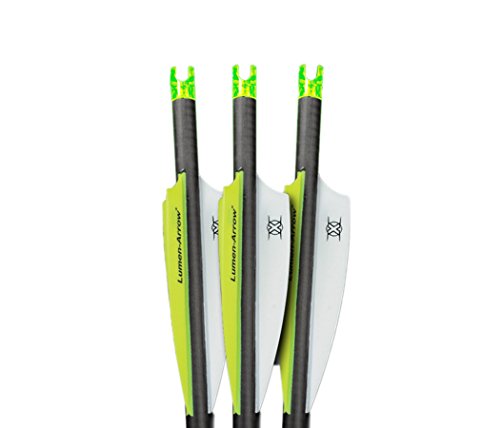

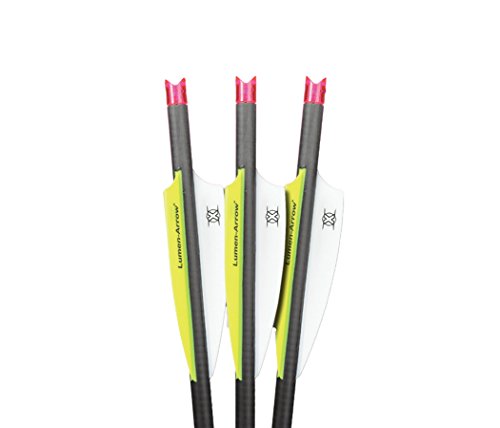


What’s in this listEvery crossbow bolt we track on Amazon US, by length. “—” means neither the maker nor the Amazon listing states it.
Crossbow bolts are short, heavy and built around the rail
A bolt doesn't leave a crossbow the way an arrow leaves a compound. It sits in a groove on top of the barrel with one vane down in that groove. A spring holds it in place, and its nock rests against a string that's already locked back. When the trigger breaks, the string shoves the bolt straight down the barrel.
That changes what matters. On a vertical bow, the bow and the arrow negotiate through spine (shaft stiffness), and you tune your way to a match. On a crossbow, the crossbow maker has already done most of that math and written the answer in the manual. Your job is mostly to obey it. Shared arrow basics like spine, grain weight and FOC are on the hunting arrows page. This page is about what's different on the crossbow side.
Bolts are typically shorter and heavier than arrows for longbows, per Wikipedia's crossbow bolt entry. Hunting bolts usually have three vanes, a threaded insert up front for points and broadheads, and a nock shaped for the crossbow's string. "Bolt" and "crossbow arrow" mean the same thing; makers' manuals tend to say arrow.
The table on this page lists every crossbow bolt we track, sorted by length. It shows length, shaft material, straightness, nock style, pack count and bolt weight where the maker or the listing gives them (the table marks values that come from the listing). When neither states a value, you get a dash.
Read three numbers from your crossbow manual first
Here's my one opinion on this page: buy the bolt your crossbow's manual describes, then argue about everything else. The reason is printed in the manuals themselves.
One crossbow maker's owner's manual sets a minimum finished arrow weight of 420 grains, point included. It warns that lighter arrows can produce a dry-fire effect and may cause the limbs to shatter. It also warns that using the wrong arrow can void the warranty. A separate guide from another outlet says the same about nocks: the wrong one can cause injury to the shooter and the crossbow.
So before you look at a single pack, write down:
- Minimum length, in inches
- Minimum finished weight, in grains, with the point on
- Nock style the crossbow requires
If you can't find the manual, Grand View Outdoors suggests comparing against the bolts that came in the box with the crossbow, and if all else fails, using the ones packaged with it. Not glamorous. Correct.
What to look at when you pick crossbow bolts
With those three numbers written down, here's how the table's specs break down.
Length: almost always 20 or 22 inches, never shorter than the minimum
Grand View Outdoors says most crossbow arrows are 20 or 22 inches long, and that makers set a minimum length for a safety reason. A bolt that's too short can put your hand in the string's path when you load it. That's the whole case against "close enough."
Wikipedia's entry puts the wider range at 15 to 22 inches, with 20 as the common standard. If your crossbow lists 20 inches, buy 20. If it lists 22, buy 22. This isn't a Wawa-versus-Sheetz debate where everyone gets an opinion; the manual already ruled.
Length is a deciding spec, so the table sorts by it. There's a separate page on 20-inch crossbow bolts, the most common size.
Bolt weight: count the whole finished bolt
The weight that matters is the finished bolt, ready to shoot. Grand View Outdoors lists what goes into it: shaft, point or broadhead, insert, nock and fletching. Weigh it as a package. A grain is a tiny unit; Archery 360 puts 437.5 grains in an ounce.
Quick math: shaft weight is length times grains per inch. A 20-inch shaft at 14 grains per inch is 280 grains. Screw on a 100-grain point and you're at 380, before the insert, nock and vanes add theirs. Check that total against your manual's minimum, not the shaft number alone.
One crossbow maker's guide sorts finished bolts into three classes:
- Lightweight, 350 to 400 grains: faster, flatter, but puts more energy back into the limbs, plus more vibration and noise
- Standard, 400 to 435 grains: the choice of most crossbow makers, per the same guide, because it quiets modern crossbows
- Heavyweight, 435 grains and up: the most kinetic energy and deeper penetration, but it drops faster, so yardage matters more
The same guide says light bolts are more easily pushed around by wind, rain and brush. Light bolts buy a flatter path. Heavy bolts buy quiet, energy and a crossbow that isn't absorbing the leftovers.
Some packs list bolt weight with a point, some without. Check which before you compare.
Nock: match the style your crossbow names
The nock is where string meets bolt, so most trouble starts there. The table's Nock column uses these styles:
- Flat: a flat back the string pushes on
- Half-moon: a shallow groove the string seats into
- Capture: a deeper nock with ears that hold the string
- Universal: a pack that ships with more than one nock style
- Proprietary: one maker's own design, for that maker's crossbows
Bowhunter's crossbow guide says flat and half-moon are the two most common styles, and that recommendations vary by crossbow, so check the manual. It adds two details worth knowing. Flat nocks work in most crossbows, but not those with sharp string angles. Half-moon nocks have to be lined up with the string, and one loaded crooked may not fire at all.
A half-moon nock is like a key in a deadbolt: one way works, the others don't.
Capture-style nocks came along as crossbows got narrower and faster. A crossbow maker's article explains why: on a narrow crossbow, the string can slip over or under an older-style nock and cause what it calls a simulated dry-fire, even on crossbows with dry-fire protection.
"Universal" doesn't mean it fits everything. On one maker's product pages, the universal system means moon nocks installed in the bolt, plus a second nock in the box for crossbows that use capture-style nocks. Swap to whichever your manual names, and don't mix styles in one quiver.
Lighted nock: a tracking aid that still has to match
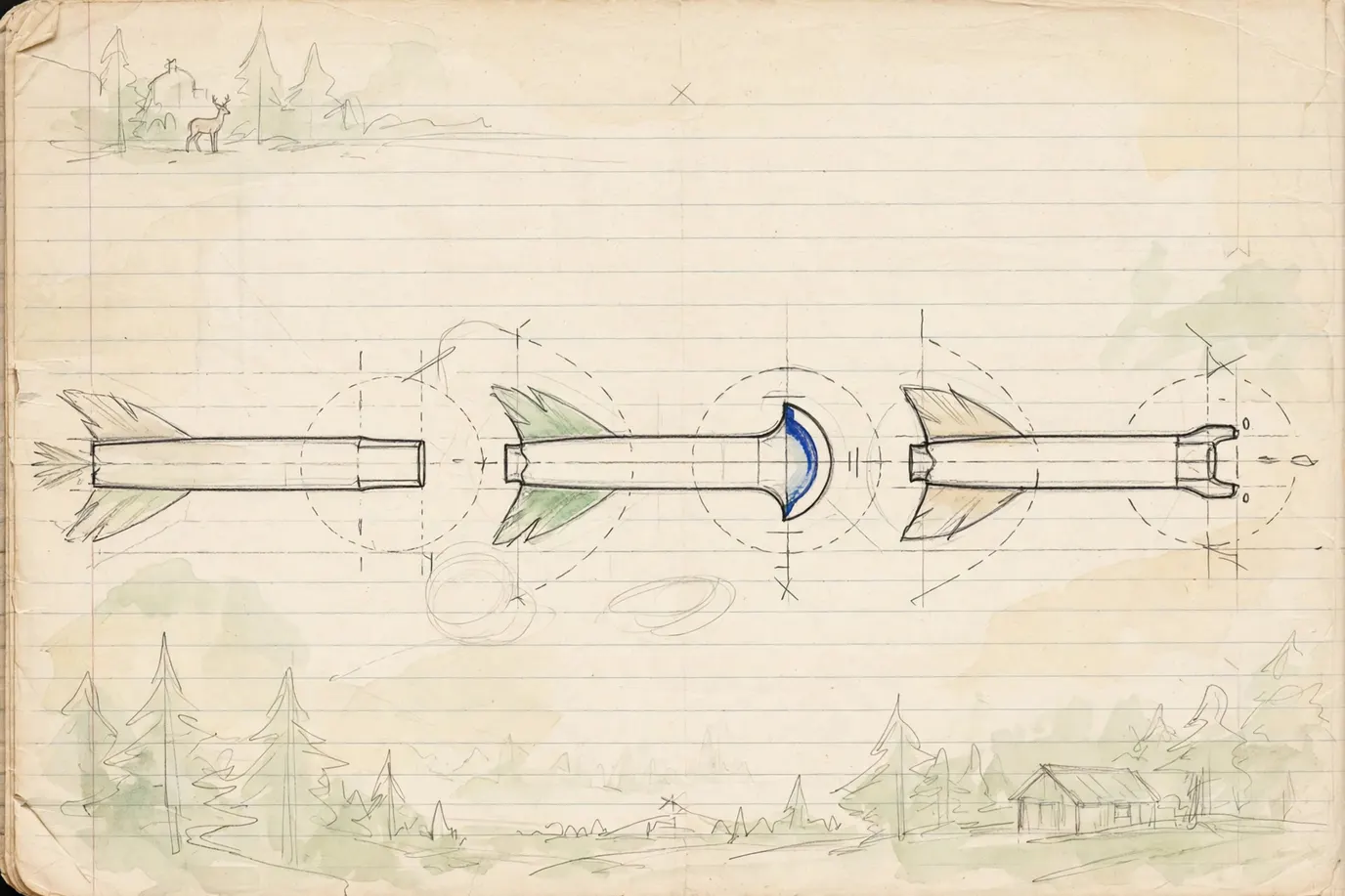
A lighted nock turns on when the string hits it, so you can follow the bolt in low light and see where it went. The table marks whether a pack comes lighted. Most hunting setups add them later, and they have to match your crossbow's nock style the same way a plain nock does.
Any nock swap changes the finished bolt at its back end. Shoot your hunting bolts with the nocks you'll actually hunt with before opening day. Fit and styles are on the crossbow lighted nocks page.
Straightness: a maximum, read in thousandths
Straightness is the most a shaft is allowed to be off true, in inches. Smaller is straighter. The table shows the stated figure for every bolt that has one.
One maker's bolt pages say their figure is a maximum for every shaft, not an average across a batch. A maximum is a promise about every bolt in the pack. An average lets one bad shaft hide behind two good ones. The same pages list how closely each pack is matched for spine and weight, which matters just as much.
Shaft: carbon crossbow bolts or aluminum crossbow bolts
The table's Shaft column shows the stated material. Grand View Outdoors splits it:
- Carbon: more popular, flexes and recovers, so it usually lasts longer; it's straight or it's broken
- Aluminum: cheaper to make, but one wrong bend or kink and it's done
- Carbon-aluminum: an aluminum outer shaft over a carbon core
"Straight or broken" cuts both ways: carbon doesn't quietly take a bend, but a crack can hide in it, so it gets a flex check (below). One older crossbow manual recommends 20-inch aluminum bolts by shaft size right next to carbon ones. If yours does, aluminum is fine.
Diameter (ID): decides fit in the groove and which nocks fit
Inner diameter (ID) is the hole in the back of the shaft. It decides which nocks and lighted nocks slide in. Buy nocks by the bolt's stated ID, not by "looks about right."
Outside diameter matters for the barrel. Grand View Outdoors says a bolt that's too thin sits low in the barrel's groove. One that's too thick sits high and throws the nock out of line with the string. Both are reasons to stay with the size your manual lists.
Arrows per pack: plan for practice, spares and a hunting set
The bolts in the table come in packs of 3 or 6. Quick math for a season: you want a hunting set that's been shot with broadheads, a practice set with field points, and a spare or two for the bolt that finds a rock. (Six disappears faster than you'd think. Ask anyone who's walked to a target and come back with five.)
Point weight and FOC: 100 grains is the usual start
FOC (front of center) is how far the balance point sits ahead of the middle of the bolt. Bowhunter's crossbow guide says most shooters use 100-grain heads, and that a 125-grain head may add a slight edge, depending on the crossbow and bolt. A heavier head keeps more energy and raises FOC, though the article calls the difference small.
One crossbow maker's manual sets a 100-grain minimum for points and broadheads. It says going heavier won't hurt the crossbow and adds energy without giving up much speed. Heavier points do add to finished weight, so redo the quick math.
Hunting crossbow bolts: getting them ready for deer
Crossbow bolts for hunting are your practice bolts with a broadhead, set up so both hit together.
- Sight in with field points that match your broadhead weight.
- Pick a broadhead that's rated for crossbow speed and energy; Bowhunter's guide makes that point plainly.
- Spin each bolt on its broadhead tip. One crossbow maker's manual says it should spin without wobble, and the blades don't need to line up with the vanes.
- Shoot your broadheads at the same aiming spot as your field points and compare groups.
- Mark the bolts that group, and hunt with those.
Bowhunter's guide says mechanical heads usually need no further tuning once field points are sighted in. Fixed blades may need more work. Broadhead types are on the crossbow broadheads page and the main broadheads page. Broadhead and crossbow rules vary by state, so check your state wildlife agency before the season.
Load, carry and unload your crossbow safely
One crossbow maker's manual describes loading this way: set the bolt in the barrel's groove with a vane down in it, then slide it back under the retention spring until it rests solidly against the string. Never let your fore-grip fingers or thumb rise above the barrel into the string's path. Wisconsin DNR adds the rest: check the safety right after cocking, raise and lower the crossbow from a stand uncocked on a haul line, and never fire it without a bolt.
To unload, fire a bolt into a safe target or soft, rock-free ground. The same manual suggests carrying a practice bolt in the quiver for exactly that, where your state allows it.
Check every bolt before you shoot it
A damaged carbon bolt can break when the string hits it and hurt you or someone near you. Inspect each bolt before every session and after any hit on something hard. Keep broadheads covered in the quiver.
Easton's flex test works on carbon bolts the same as arrows. Hold the shaft near the point and near the nock and flex it gently in an arc, away from you and anyone else. Repeat four to six times, turning it a bit each time. Then twist it in opposite directions. If you hear or feel cracking, throw it out. Archery 360 says to check nocks for cracks too, and a cracked nock gets replaced before that bolt goes back on the string.
Who should skip buying bolts right now
Skip it if:
- Your crossbow came with bolts you haven't shot yet; start with those, and the manual
- You don't know your crossbow's specs yet; find the manual first, then shop
- You shoot a compound or recurve; you want the compound bow arrows page instead
- You're still choosing a crossbow; bolts follow the crossbow, so start on the crossbow page
Walt's take: "A bolt's a bolt." It isn't, and the manual in his truck's glovebox agrees with me. Length, weight, nock. Write all three on the inside of the case lid.
Brands in this list
Related
Questions people ask
What are crossbow bolts?
A bolt is the projectile a crossbow shoots. It's shorter and heavier than an arrow for a vertical bow, and it rides in a groove on top of the crossbow's barrel instead of off a rest. Modern hunting bolts are usually carbon or aluminum, with three vanes and a nock shaped for the crossbow's string. Most run 20 or 22 inches.
Are crossbow bolts and crossbow arrows the same thing?
Yes. Crossbow makers often say "arrows" and many hunters say "bolts" for the same thing. What you can't do is swap them with arrows for a compound or recurve. A crossbow arrow is built to the crossbow's length, weight and nock specs, and a vertical-bow arrow won't meet them.
What length crossbow bolts do I need?
Use the length in your crossbow's owner's manual, or match the bolts that came with the crossbow. Most are 20 or 22 inches. Never go shorter than the stated minimum: makers set it partly so your hand stays out of the string's path when you load. Longer than listed can also change how the bolt sits and flies.
How heavy should crossbow bolts be?
At least the minimum finished weight your crossbow maker lists, counted with the point, insert, nock and vanes. One maker sorts bolts into lightweight (350 to 400 grains), standard (400 to 435) and heavyweight (435 and up). Lighter is faster and flatter; heavier carries more energy and is easier on the crossbow.
Can I use lighted nocks on my crossbow bolts?
Usually, if the lighted nock matches the nock style your crossbow requires and fits the bolt's inner diameter. Swapping nocks changes the finished bolt, so shoot your bolts with the nocks you'll hunt with before the season and confirm your scope still lines up.
Sources
- Grand View Outdoors: How to choose the correct crossbow arrow — accessed 2026-10-22
- TenPoint Crossbows: Selecting the right arrow — accessed 2026-10-22
- TenPoint Crossbows: Are you using the best nock for crossbow bolts? — accessed 2026-10-22
- TenPoint: Wicked Ridge crossbow owner's manual (pre-2014) — accessed 2026-10-22
- Bowhunter: Shoot your crossbow better today, part 2 — accessed 2026-10-22
- Feradyne: D-Stroyer 380 crossbolt product page — accessed 2026-10-22
- Feradyne: PileDriver crossbolt product page — accessed 2026-10-22
- Easton: Carbon bolt nocks — accessed 2026-10-22
- Wikipedia: Crossbow bolt — accessed 2026-10-22
- Archery 360 (Archery Trade Association): Archery Lingo: Arrow Weight — accessed 2026-10-22
- Archery 360 (Archery Trade Association): How to inspect your arrows — accessed 2026-10-22
- Easton: Warnings about usage — accessed 2026-10-22
- Wisconsin DNR: Archery and crossbow safety tips — accessed 2026-10-22