Brand · Knives & Tools
Ontario Knife Company
Ontario Knife Company makes three things a hunter or camper will reach for: folding knives led by the RAT series, fixed blades from small bushcraft knives to military patterns, and machetes, plus a camp hatchet. The Ontario knife grid splits cleanly along those lines. Here's the thing: the steel name on the listing tells you more about daily care than the model name does. Carbon steel wants oil, stainless wants less fuss.
We earn a commission if you buy through our links, at no cost to you. Disclosure
Ontario Knife Company on Amazon US
65 models- Fixed blade knife
Ontario Knife Company 8180 498 Marine Combat
- Blade thickness
- 0.17 in
- Blade length
- 7 in
- Overall length
- 12 in
- Fixed blade knife
Ontario Knife Company Moteng Heavy Duty Knife
Check price - Fixed blade knife
Ontario Knife Company Moteng Camper
Check price - Fixed blade knife
Ontario Knife Company Moteng Camper
Check price - Fixed blade knife
Ontario Knife Company Hunting Knife
- Blade length
- 7 in
- Overall length
- 11.75 in
- Blade steel
- 1095 carbon
- Fixed blade knife
Ontario Knife Company Ontario Knives Household Boning Knife
Check price - Fixed blade knife
Ontario Knife Company M9 Bayonet
- Blade length
- 7 in
- Overall length
- 12.25 in
- Blade steel
- 420
- Fixed blade knife
Ontario Knife Company 499 Air Force Survival
- Blade thickness
- 0.1875 in
- Blade length
- 5 in
- Overall length
- 9.5 in
- Fixed blade knife
Ontario Knife Company Nona
- Blade thickness
- 0.154 in
- Blade length
- 2 in
- Overall length
- 7 in
- Fixed blade knife
Ontario Knife Company Model 2 Tactical
- Overall length
- 6.6 in
- Fixed blade knife
Ontario Knife Company Ontario Knife Co Old Hickory Carbon Steel Knife Set 705
Check price - Fixed blade knife
Ontario Knife Company Ontario Knife Company 9425T Trainer, RD Hawk , Black
Check price - Fixed blade knife
Ontario Knife Company TAK-1
- Blade length
- 4.5 in
- Overall length
- 10 in
- Fixed blade knife
Ontario Knife Company 8667 RAT-5
- Blade length
- 5 in
- Fixed blade knife
Ontario Knife Company 8668 RAT-7
- Blade length
- 7 in
- Blade steel
- 1095
- Steel type
- Carbon
- Fixed blade knife
Ontario Knife Company 8665 RAT-3
- Blade length
- 3.9 in
- Overall length
- 7.9 in
- Fixed blade knife
Ontario Knife Company Spec Plus Alpha
- Blade length
- 6.1 in
- Fixed blade knife
Ontario Knife Company TAK 2
Check price - Fixed blade knife
Ontario Knife Company ADK High Peaks
Check price - Fixed blade knife
Ontario Knife Company Old Hickory Hunting Knife
Check price - Fixed blade knife
Ontario Knife Company RAT 3 Utility 8662
Check price - Fixed blade knife
Ontario Knife Company RAT 3 Caper
Check price - Fixed blade knife
Ontario Knife Company RAT 3 Skinner
Check price - Fixed blade knife
Ontario Knife Company S35VN Black Bird
- Blade steel
- S35VN
- Fixed blade knife
Ontario Knife Company Besra ON9002
- Blade steel
- 1095
- Steel type
- Carbon
- Folding knife
Ontario Knife Company Rat I 8848
- Blade length
- 3.5 in
- Blade steel
- AUS-8
- Steel type
- Stainless
- Folding knife
Ontario Knife Company RAT-1 ON8847
- Blade length
- 3.5 in
- Blade steel
- AUS-8
- Steel type
- Stainless
- Folding knife
Ontario Knife Company Rat 1 ON8846
- Blade length
- 3.5 in
- Blade steel
- AUS-8
- Steel type
- Stainless
- Folding knife
Ontario Knife Company RAT 2 ON8828
- Blade length
- 3 in
- Blade steel
- D2
- Steel type
- Tool steel
- Folding knife
Ontario Knife Company Rat 1 ON8846OD
- Blade length
- 3.5 in
- Blade steel
- AUS-8
- Steel type
- Stainless
- Folding knife
Ontario Knife Company RAT II ON8860
- Blade length
- 3 in
- Blade steel
- AUS-8
- Steel type
- Stainless
- Folding knife
Ontario Knife Company RAT I ON8848OR
- Blade length
- 3.75 in
- Blade steel
- AUS-8
- Steel type
- Stainless
- Folding knife
Ontario Knife Company Shikra ON8599
Check price - Folding knife
Ontario Knife Company Ice Series 8798CL
- Blade steel
- AUS-8
- Steel type
- Stainless
- Folding knife
Ontario Knife Company Ice Series Fire 8798RED
- Blade steel
- AUS-8
- Steel type
- Stainless
- Folding knife
Ontario Knife Company Ice Series Glacier 8798SB
- Blade steel
- AUS-8
- Steel type
- Stainless
- Folding knife
Ontario Knife Company Ti22 Equinox ON9805
- Blade length
- 3.15 in
- Blade steel
- CPM S35VN
- Steel type
- Stainless
- Folding knife
Ontario Knife Company RAT II Bone
- Blade length
- 3 in
- Blade steel
- AUS-8
- Steel type
- Stainless
- Folding knife
Ontario Knife Company Old Hickory Outdoors Folder
Check price - Folding knife
Ontario Knife Company RAT II ON8861OR
- Blade length
- 3 in
- Blade steel
- AUS-8
- Steel type
- Stainless
- Folding knife
Ontario Knife Company Camp Plus EDC ON4315
- Blade steel
- 420
- Steel type
- Stainless
- Folding knife
Ontario Knife Company Ontario Knife Company ON4315GREY: Camp Plus Edc Lockback
Check price - Folding knife
Ontario Knife Company Camp Plus EDC White
- Blade steel
- 420
- Steel type
- Stainless
- Folding knife
Ontario Knife Company Rat 1 ON8846OR
- Blade length
- 3.5 in
- Blade steel
- AUS-8
- Steel type
- Stainless
- Folding knife
Ontario Knife Company Traveler ON8901
- Blade length
- 2.25 in
- Steel type
- Stainless
- Folding knife
Ontario Knife Company RAT I ON8867OR D2
- Blade length
- 3.5 in
- Blade steel
- D2
- Steel type
- Tool steel
- Folding knife
Ontario Knife Company Rat 1 ON8991
- Blade length
- 3.5 in
- Blade steel
- S35VN
- Steel type
- Stainless
- Folding knife
Ontario Knife Company Rat 1 ON8992
- Blade length
- 3.5 in
- Blade steel
- S35VN
- Steel type
- Stainless
- Machete
Ontario Knife Company unisex adult 1 18 Military Machete
- Blade steel
- 1095
- Steel type
- Carbon
- Handle
- plastic
- Machete
Ontario Knife Company 6120 1-18SBK Machete Sawback Black
- Blade length
- 18 in
- Blade steel
- high carbon
- Steel type
- Carbon
- Machete
Ontario Knife Company CT-1 12" Machete
- Blade length
- 12 in
- Blade steel
- 1095
- Steel type
- Carbon
- Machete
Ontario Knife Company 18" D-Handle Field Machete for Outdoor Gear
- Blade length
- 18 in
- Blade steel
- 1095
- Steel type
- Carbon
- Machete
Ontario Knife Company 8516 Ontario Field 18" Machete Orange
- Blade length
- 18 in
- Blade steel
- 1095
- Steel type
- Carbon
- Machete
Ontario Knife Company 8513 Camper
- Blade length
- 12 in
- Blade steel
- carbon steel
- Steel type
- Carbon
- Machete
Ontario Knife Company Camp and Trail Fixed Blade Machete for Gardening Supplies
- Blade length
- 12 in
- Blade steel
- high carbon
- Steel type
- Carbon
- Machete
Ontario Knife Company Traditional Machete for Outdoor Gear and Gardening Supplies
- Blade length
- 22 in
- Blade steel
- high carbon
- Steel type
- Carbon
- Machete
Ontario Knife Company 8521 Ontario Orange D-Handle Heavy Duty Machete 22-1/2"
- Blade length
- 22.5 in
- Machete
Ontario Knife Company Traditional Machete
Check price - Machete
Ontario Knife Company Knives CT1 Camp and Trail Machete 17 1/4" Machete.
- Blade length
- 17.25 in
- Machete
Ontario Knife Company 8515 Field Knife
Check price - Machete
Ontario Knife Company Field Machete Orange
Check price - Machete
Ontario Knife Company 6144 Military Machete
- Blade length
- 18 in
- Blade steel
- carbon
- Steel type
- Carbon
- Machete
Ontario Knife Company Camp Plus Machete 12.5 in Blade OD Plastic Handle
- Blade length
- 12.5 in
- Blade steel
- high carbon
- Steel type
- Carbon
- Sheath
Ontario Knife Company BSH 12 Inch Sheath
- Material
- Nylon
- Axe or hatchet
Ontario Knife Company Camp Plus ON4230
- Overall length
- 12 in
- Sheath included
- Yes
- Style
- Hatchet










What Ontario Knife Company makes for hunters and campers
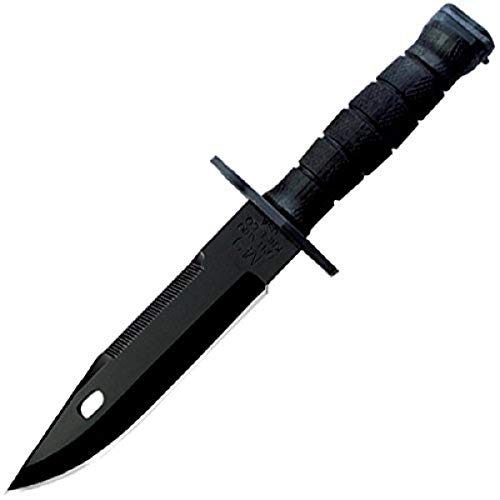
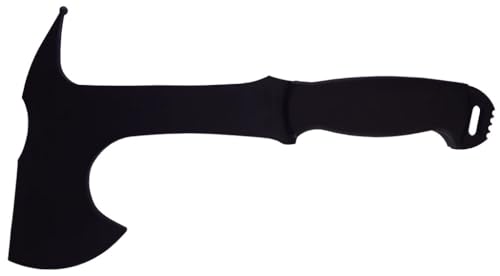
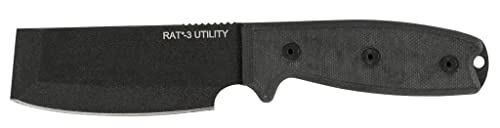
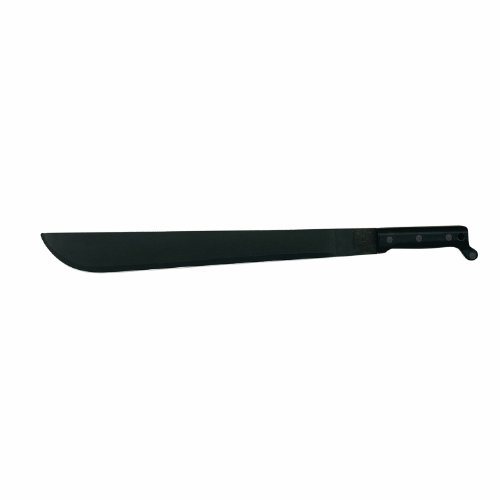
On this site, Ontario Knife Company covers four product types: folding knives, fixed-blade knives, machetes and an axe. A nylon belt sheath for a machete shows up in the grid too. Inside those types the lineup splits into groups you can spot by name:
- RAT folders: liner locks, thumb studs, pocket clips
- Other folders: lockbacks, frame locks and one slip joint
- RAT fixed blades: Micarta handles, nylon sheaths
- Bushcraft and camp fixed blades: Besra, Black Bird, ADK High Peaks, Moteng, a hardwood-handled hunter
- Military-pattern fixed blades: Marine Combat, Air Force Survival, M9, Spec Plus Alpha, TAK
- Machetes: Camper, Field, Heavy Duty, Military, CT series, Camp Plus
- Axe: the Camp Plus hatchet
The maker also sells kitchen cutlery under the Old Hickory and Agilite names, plus industrial and scientific tools. This site doesn't list those. The grid filters by type and changes as listings come and go, so I'll write about the groups and what separates them, not about this week's count.
Most specs here come from Amazon listings, and the grid marks them. Where a listing doesn't say, the grid shows a dash.
Ontario knife lineup notes: the folders
RAT I and RAT II, the core folders
The RAT folders are the part of the Ontario knife lineup people ask about most. The maker's RAT page calls the line "the knife that built a following," and covers folders and fixed blades under the same name. The folders in the grid come in two sizes:
- RAT I: the larger folder, drop point blade, pocket clip
- RAT II: the smaller folder, same layout
Per the listings, both sizes open with a thumb stud and close with a liner lock. Handles are nylon or FRN (fiberglass-reinforced nylon, a hard plastic) on most versions, G10 on others. One RAT I version has a partially serrated edge; the rest are plain.
The steel is what separates the versions. Most list AUS-8 stainless. One RAT I and one RAT II list D2, a tool steel. Two newer RAT I versions list S35VN, a stainless steel. Colors (black, OD green, orange, forest green) are a different matter entirely. They change how fast you find it in the leaves, nothing else. Pocket knives across brands are on the pocket knife page, and everyday-carry picks on the everyday carry knife page.
Lockbacks: Ice Series and Camp Plus EDC
The Ice Series folders list lockbacks with AUS-8 stainless blades and see-through FRN handles in clear, red or blue. The Camp Plus EDC folders are lockbacks too, with 420 stainless blades and FRN handles in green or white.
A lockback closes differently from a liner lock. Benchmade's mechanisms guide describes the lockback as a spring bar along the spine that you press at the back of the handle to release the blade. On a liner lock you push a thin bar inside the handle aside with your thumb. Learn which one you're holding before you're doing it in the dark with cold hands.
Frame locks: Shikra and Ti22 Equinox
Two folders in the grid list frame locks: the Shikra, with Micarta handle scales, and the Ti22 Equinox, with a titanium handle and a tanto blade in CPM S35VN, per its listing. A frame lock works like a liner lock, except the locking bar is part of the handle itself.
Small folders: Traveler and Old Hickory Outdoors
The Traveler is the small one, a plastic-handled slip joint per its listing. A slip joint doesn't lock; Benchmade's guide explains that a back spring holds the blade at its open and closed stops, so it can fold under pressure on the spine. That's fine for string, packaging and apples. The Old Hickory Outdoors folder rounds out the folders; its listing leaves most specs blank, so this page does too.
Ontario knife lineup notes: the fixed blades
RAT fixed blades
The fixed RAT knives step up in size by number:
- RAT-3: the small one, plain edge, nylon sheath
- RAT-3 variants: Caper, Skinner and Utility patterns, per their names
- RAT-5: a mid-size blade, Micarta handle, nylon sheath
- RAT-7: the long one, 1095 carbon steel, drop point, Micarta handle, nylon sheath
Micarta is a layered fabric-and-resin handle material. The RAT-7's 1095 is a plain carbon steel, which matters for care (more below). Fixed blades across brands are on the fixed blade knife page.
Bushcraft and camp knives
This group is for the person who whittles, batons kindling and builds things at camp:
- Besra: sheepsfoot blade (straight edge, rounded spine at the tip), 1095 carbon steel, Micarta handle, sheath included
- Black Bird: S35VN steel per its listing
- ADK High Peaks: listed with few specs
- Moteng Camper and Moteng Heavy Duty: flat-ground blades, plain edges, molded plastic handle on the Heavy Duty
- Hunting Knife: 1095 carbon steel, hardwood handle
- Nona: a very small fixed blade, 420 stainless, Micarta handle, sheath included
The Nona is the kind of knife you forget you're carrying, which is the point of it. The bushcraft knife page and camping knife page cover those jobs across brands. For field dressing, the hunting knife page and skinning knife page are where to start.
Military-pattern fixed blades
Ontario's long history with the military shows in this group. The maker's about page mentions "a long tradition of building knives and tools for the U.S. military." Per the listings:
- Marine Combat (498): saber grind, plain edge
- Air Force Survival (499): 1095 carbon steel, sawback blade, leather handle and leather sheath
- M9: 420 stainless, flat grind, plain edge, sheath included
- Spec Plus Alpha: synthetic rubber handle, nylon sheath
- TAK-1 and TAK 2: the TAK-1 with a nylon sheath
- Model 2 Tactical: anodized aluminum handle, nylon sheath
These are bigger, heavier-built knives than most hunters carry for field dressing. They make sense as a camp and truck knife. Larger patterns across brands are on the survival knife page and the tactical knife page.
Ontario machete lineup
Machetes are the oldest part of the business. The maker's machete page calls them one of the most storied lines in its history, "dating back to our founding in 1889," and says Ontario has built the 1-18 Military Machete to U.S. government specifications for over 70 years. It describes carbon steel blades with a zinc-phosphate finish (a dull gray coating) and molded plastic handles.
The maker sorts its machetes by length, and its product names match what shows up in the grid:
- Camper: the short one
- Field: the mid-length pattern
- Heavy Duty: the long one
- 1-18 Military Machete: the government-spec pattern, black
- Sawback: a Military-style machete with saw teeth on the spine, per its listing
- CT1 and CT5: the Camp and Trail models, the CT5 sold as a traditional machete
- Camp Plus: a shorter machete listed with a sheath
Several come as D-handle versions, where a loop of the handle wraps around your knuckles. Orange or black is your choice. Orange is easier to find after you've set it down in the brush, which I've done more often than I'll admit. The machete page compares lengths and handles across brands.
Several machete listings don't include a sheath. That's what the BSH nylon belt sheath in the grid is for; check that its size matches your blade length.
The Ontario Camp Plus hatchet
The Camp Plus name covers more than the machete and the EDC folders. Ontario's one axe in the grid is the Camp Plus hatchet, model ON4230. Its listing calls it a lightweight hatchet and names tactical, survival, camping and bushcraft use. It doesn't classify the handle material, and it leaves the length and head steel blank, so the grid shows dashes there. I'd rather show a dash than guess.
What that leaves you with is the job. A hatchet is the camp tool for kindling, tent stakes and limbs across the trail. If your camp already has an Ontario machete for brush, the hatchet covers the wood. Read the listing for a sheath before you buy. Rutgers Extension says to sheath an axe when it isn't in use and to keep bystanders well back while you chop. Hatchets across brands are on the hatchet page, and camp axes on the camping axe page.
How to choose within the Ontario lineup
Fixed, folding, machete or hatchet first
Start with the job. A folder rides in a pocket and handles small chores. A fixed blade has no pivot or lock and is easier to keep in a belt sheath on a long day. A machete clears shooting lanes and trims brush around a blind. A hatchet chops kindling and drives stakes. One isn't a substitute for the other, though people try.
Then the steel
The listings name four kinds of steel across the lineup:
- 1095 and other carbon steels: most machetes, the RAT-7, the Besra, the Air Force Survival
- AUS-8 and 420 stainless: most RAT folders, the Ice Series, the Camp Plus EDC, the M9 and the Nona
- D2 tool steel: one RAT I and one RAT II
- S35VN: two RAT I versions, the Ti22 Equinox, the Black Bird
Morakniv's steel guide puts the practical split plainly: carbon steel is easier to resharpen but needs careful drying and oiling after use to prevent rust. Stainless resists rust with less care. The D2 versions list tool steel, not stainless, so treat them to the same wipe-down. S35VN is listed as stainless.
Then the lock and opening
Liner lock and frame lock on the RAT and Equinox folders, lockback on the Ice Series and Camp Plus, slip joint on the Traveler. Thumb studs on most RATs. If you wear gloves, try opening any folder in the gloves you hunt in. A thumb stud that's fine bare-handed can be a two-hand job in insulated gloves.
Then the sheath and the length
The fixed blades list nylon sheaths on most RAT and military models and a leather sheath on the Air Force Survival. For machetes, length is the main choice: the short Camper is easier to control in tight brush around a stand, and the long Heavy Duty reaches more per swing in open thickets.
Rule of thumb: buy the shortest machete that does the job you actually have. My clearing is mostly saplings along one trail. A long blade there just finds more trees to hit on the backswing.
Care for carbon steel and folders
The maker's care page gives a short list that covers the whole lineup:
- Clean the entire knife, including pivots and locks
- Lubricate the working parts after cleaning, especially a folder's pivot
- Wipe the blade with clean oil two or three times a year, more often near water
- Store it dry and out of the sheath
My one opinion on this page is on that last point: don't store a knife or machete in its sheath over the summer. The maker says to store it out of the sheath in a dry place, and a sheath holds moisture against the steel. I hang the camp machete on a nail in the shed with a light coat of oil, and the sheath hangs next to it.
AKTI's maintenance guide adds that water can harm even stainless steel and recommends a cool, dry storage spot, not a damp basement. Whatever finish a blade wears, the sharpened edge is bare steel, so that's where to look first for rust.
Cut away from your body, and keep others well clear of a machete's swing. AKTI warns that once a folder's lock is released, the blade can snap shut, so keep your fingers out of its path.
Ontario Knife Company facts
Here's what I could verify from the maker's own pages:
- Founded: 1889, per the maker's about page
- Where: the maker says it operates out of New York State's Southern Tier
- Military machete: built to U.S. government specifications for over 70 years, per the machete page
- Warranty: a limited lifetime warranty against structural failure on U.S.-made products, and one year on internationally sourced products, per the warranty page
Oil the blade, hang the sheath separately, and the machete will be ready when the brush is.
Where Ontario Knife Company shows up
Questions about Ontario Knife Company
Are Ontario knives good?
What can be checked is what the listings and the maker state. The RAT folders in the grid list AUS-8, D2 or S35VN steel with liner locks, several fixed blades list 1095 carbon steel with Micarta handles and nylon sheaths, and the maker says it has built the 1-18 Military Machete to U.S. government specifications for over 70 years. Whether one suits you depends on the job, so pick the type first.
Where are Ontario knives made?
Ontario Knife Company says it operates out of New York State's Southern Tier. Its warranty page treats U.S.-made products and internationally sourced products differently, so not every model is made in the same place. Read the listing of the exact knife, and the maker's own product page, if the country of manufacture matters to you.
What warranty do Ontario knives have?
The maker's warranty page gives U.S.-made products a limited lifetime warranty against structural failure, with repair or replacement by the same item or one of equal value. Internationally and globally sourced products get a one-year limited warranty against structural defects. Cosmetic wear from use and abuse, misuse, modification or neglect are excluded.
What is the Ontario RAT knife?
RAT is an Ontario Knife Company series of folders and fixed blades. On this site the RAT I and RAT II folders list liner locks, thumb studs and pocket clips, in AUS-8, D2 or S35VN steel per their listings. The fixed RAT III, RAT-5 and RAT-7 list Micarta handles and nylon sheaths. The maker's RAT page also names MagnaCut and 1075 steels in the line.
Which Ontario machete should I get for camp?
The maker's machete line runs from the short Camper through the mid-length Field to the long Heavy Duty, with carbon steel blades and molded plastic handles, per its machete page. A shorter blade is easier to control around a campsite; a longer one reaches more brush per swing. D-handle versions add a guard around your hand.
Where can I buy Ontario knives?
The product grid on this page links to Ontario Knife Company listings on Amazon US, filtered by fixed blade, folding knife, machete and axe. Some knives may not ship to every address; Amazon shows that at checkout. Knife carry rules vary by state, so check your state's rules before you carry one.
Sources
- Ontario Knife Company: About us — accessed 2026-10-28
- Ontario Knife Company: Warranty — accessed 2026-10-28
- Ontario Knife Company: Machetes — accessed 2026-10-28
- Ontario Knife Company: RAT knives — accessed 2026-10-28
- Ontario Knife Company: Knife care and maintenance — accessed 2026-10-28
- Benchmade: Knife mechanisms guide — accessed 2026-10-28
- Morakniv: Steel types and coatings — accessed 2026-10-28
- American Knife & Tool Institute: Knife safety, sharpening and maintenance — accessed 2026-10-28
- Rutgers Cooperative Extension: Cut costs, not fingers, when prepping firewood — accessed 2026-10-28