Knives & Tools · Gear type
Survival Knife
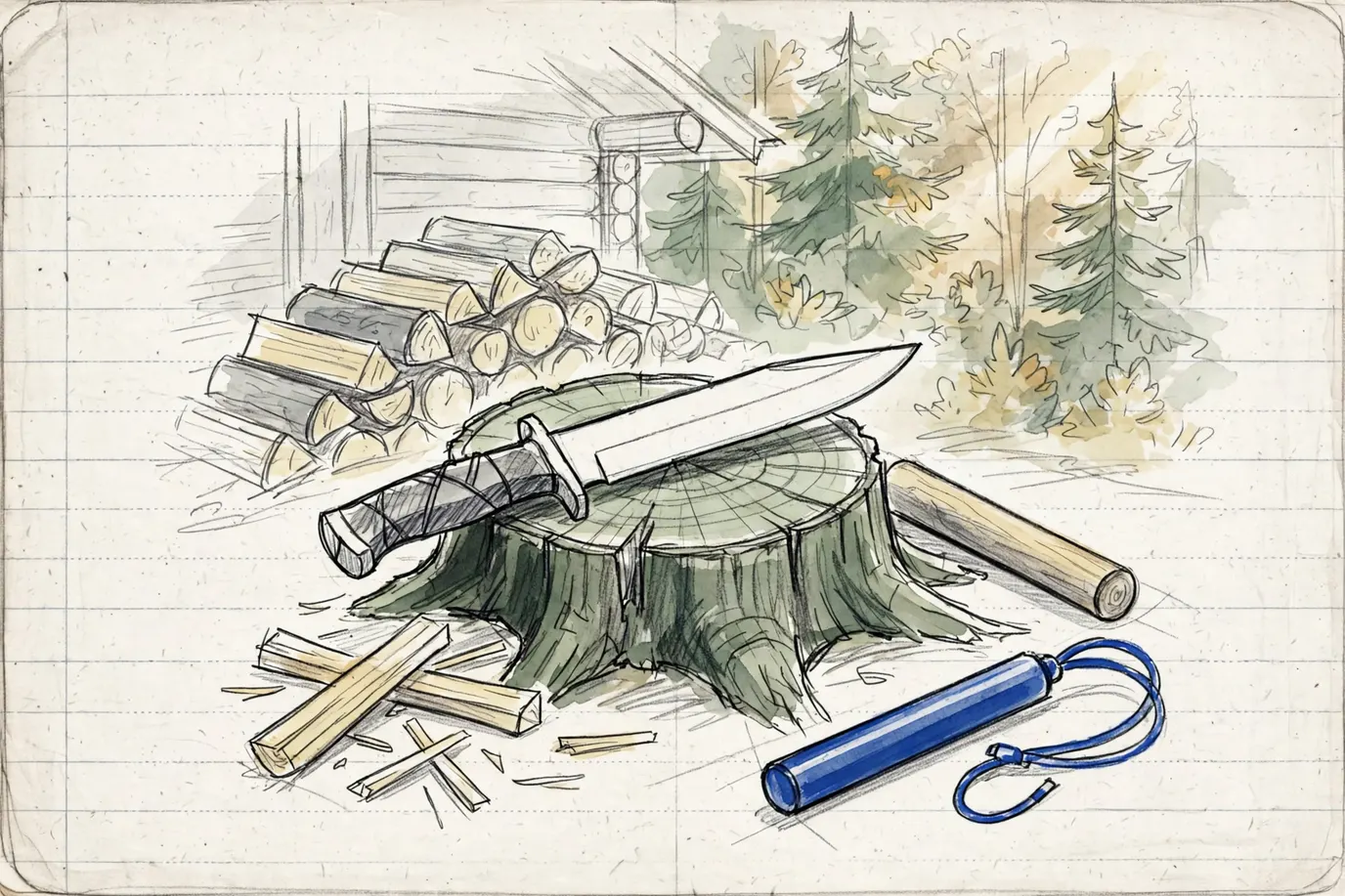
A survival knife is the fixed blade you'd want if the rest of your gear went missing: full tang, a blade of 4 inches or more, thick enough to split kindling and square enough on the spine to throw sparks from a ferro rod. It's built for abuse a hunting knife never sees. Most of us will never need one for real survival. That's fine. It's still the knife that builds the fire when the matches got wet in the truck bed.
We earn a commission if you buy through our links, at no cost to you. Disclosure
| Model | Blade thickness | Blade length | Overall length | Blade steel | Steel type | Amazon |
|---|---|---|---|---|---|---|
Sitivien ST20Fixed blade knife More specs
| 0.315 inlisting | 6.6 inlisting | 12.4 inlisting | N690listing | Stainlesslisting | Check price |
Sitivien ST21Fixed blade knife More specs
| 0.315 inlisting | 7.5 inlisting | 12.9 inlisting | AUS-10listing | Stainlesslisting | Check price |
Sitivien ST42Fixed blade knife More specs
| 0.315 inlisting | 6.3 inlisting | 11.42 inlisting | DC53listing | Tool steellisting | Check price |
Eafengrow EF166Fixed blade knife More specs
| 0.3 inlisting | 7.9 inlisting | 12.9 inlisting | Sleipnerlisting | — | Check price |
Sitivien ST26Fixed blade knife More specs
| 0.276 inlisting | 6.1 inlisting | 11.5 inlisting | N690listing | Stainlesslisting | Check price |
Sitivien ST28Fixed blade knife More specs
| 0.276 inlisting | 7.32 inlisting | 12.52 inlisting | N690listing | Stainlesslisting | Check price |
Sitivien ST30Fixed blade knife More specs
| 0.276 inlisting | 6.3 inlisting | 11.65 inlisting | Sleipnerlisting | — | Check price |
Sitivien ST36Fixed blade knife More specs
| 0.276 inlisting | 7.68 inlisting | 12.99 inlisting | Sleipnerlisting | — | Check price |
Sitivien ST40Fixed blade knife More specs
| 0.276 inlisting | 8.27 inlisting | 13.78 inlisting | VG10listing | — | Check price |
Eafengrow EF131Fixed blade knife More specs
| 0.24 inlisting | 5.7 inlisting | 10.4 inlisting | DC53listing | — | Check price |
Eafengrow EF139Fixed blade knife More specs
| 0.24 inlisting | 5 inlisting | 10.2 inlisting | 154CMlisting | Stainlesslisting | Check price |
Eafengrow EF148Fixed blade knife More specs
| 0.24 inlisting | 7.5 inlisting | 12.9 inlisting | AUS-10listing | Stainlesslisting | Check price |
Eafengrow EF154Fixed blade knife More specs
| 0.24 inlisting | 6.5 inlisting | 12.4 inlisting | Nitro-Vlisting | Stainlesslisting | Check price |
Eafengrow EF135Fixed blade knife More specs
| 0.24 inlisting | 6.4 inlisting | 10.8 inlisting | DC53listing | — | Check price |
Eafengrow EF163Fixed blade knife More specs
| 0.24 inlisting | 8.7 inlisting | 14.4 inlisting | DC53listing | — | Check price |
Eafengrow EF164Fixed blade knife More specs
| 0.24 inlisting | 6.6 inlisting | 12.2 inlisting | DC53listing | — | Check price |
Eafengrow EF170Fixed blade knife More specs
| 0.24 inlisting | 8.3 inlisting | 13.3 inlisting | DC53listing | — | Check price |
SOG Tech Bowie StonewashFixed blade knife More specs
| 0.24 inlisting | 6.4 inlisting | — | AUS-8listing | Stainlesslisting | Check price |
Eafengrow EF149Fixed blade knife More specs
| 0.236 inlisting | 7 inlisting | 12.4 inlisting | N690listing | Stainlesslisting | Check price |
Sitivien ST19Fixed blade knife More specs
| 0.236 inlisting | 5.9 inlisting | 11.4 inlisting | 154CMlisting | Stainlesslisting | Check price |
Sitivien ST12 PlusFixed blade knife More specs
| 0.236 inlisting | 8.19 inlisting | 13.43 inlisting | Sleipnerlisting | — | Check price |
Sitivien ST33Fixed blade knife More specs
| 0.236 inlisting | 6.97 inlisting | 12.68 inlisting | VG10listing | — | Check price |
Sitivien ST35Fixed blade knife More specs
| 0.236 inlisting | 6.89 inlisting | 11.81 inlisting | AUS-10listing | Stainlesslisting | Check price |
Sitivien ST38Fixed blade knife More specs
| 0.236 inlisting | 6.3 inlisting | 11.42 inlisting | AEB-Llisting | Stainlesslisting | Check price |
Sitivien ST37Fixed blade knife More specs
| 0.236 inlisting | 5.51 inlisting | 10.63 inlisting | DC53listing | Tool steellisting | Check price |
Sitivien ST41Fixed blade knife More specs
| 0.236 inlisting | 5.31 inlisting | 10.43 inlisting | VG10listing | — | Check price |
Sitivien ST43Fixed blade knife More specs
| 0.236 inlisting | 6.89 inlisting | 12.2 inlisting | VG10listing | — | Check price |
Eafengrow EF129Fixed blade knife More specs
| 0.23 inlisting | 5.7 inlisting | 10.7 inlisting | DC53listing | — | Check price |
NedFoss Kukri Knife 6 inFixed blade knife More specs
| 0.23 inlisting | 6 inlisting | — | AUS-8listing | Stainlesslisting | Check price |
NedFoss 13.5 in BowieFixed blade knife More specs
| 0.22 inlisting | 7 inlisting | 13.5 inlisting | 8Cr14MoVlisting | Stainlesslisting | Check price |
Mtech USA 14 in Carved G10 Fixed BladeFixed blade knife More specs
| 0.197 inlisting | 8 inlisting | 14 inlisting | — | Stainlesslisting | Check price |
Sitivien ST11Fixed blade knife More specs
| 0.197 inlisting | 6.85 inlisting | 12.3 inlisting | DC53listing | Tool steellisting | Check price |
Sitivien ST14Fixed blade knife More specs
| 0.197 inlisting | 4.09 inlisting | 7.64 inlisting | AUS-10listing | — | Check price |
Sitivien ST17Fixed blade knife More specs
| 0.197 inlisting | 5.28 inlisting | 9.88 inlisting | Sleipnerlisting | — | Check price |
SZCO 9.5 in SeaxFixed blade knife More specs
| 0.197 inlisting | 4.5 inlisting | 9.5 inlisting | — | Stainlesslisting | Check price |
Weyland Bushcraft Tracker KnifeFixed blade knife More specs
| 0.197 inlisting | 6 inlisting | — | 65Mnlisting | — | Check price |
Kizer Drop Bear Fix 7Fixed blade knife More specs
| 0.185 inlisting | 6.51 inlisting | — | AEB-Llisting | Stainlesslisting | Check price |
NedFoss BOARFixed blade knife More specs
| 0.18 inlisting | 4.1 inlisting | — | D2listing | Tool steellisting | Check price |
Eafengrow EF152Fixed blade knife More specs
| 0.16 inlisting | 4.2 inlisting | 8.8 inlisting | K110listing | Stainlesslisting | Check price |
Mtech USA Grey TiNite Fixed BladeFixed blade knife More specs
| 0.157 inlisting | 5 inlisting | 10 inlisting | — | Stainlesslisting | Check price |


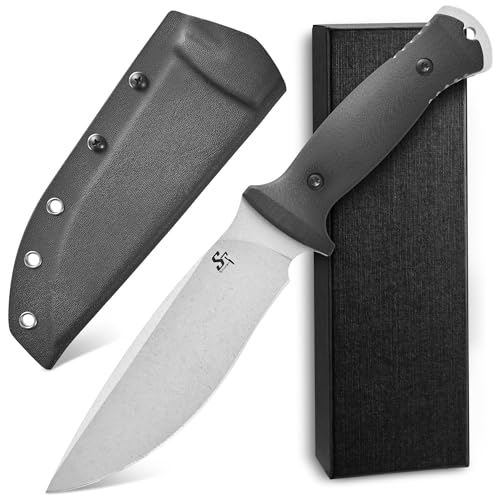


Sitivien ST24Fixed blade knife More specs
| 0.157 inlisting | 4.61 inlisting | 9.29 inlisting | AUS-8listing | — | Check price |
|---|---|---|---|---|---|---|
SZCO 9 in Hand Forged Medieval StyleFixed blade knife More specs
| 0.157 inlisting | 4.25 inlisting | 9.25 inlisting | — | Carbonlisting | Check price |
Mossy Oak 2-Piece Bowie SetFixed blade knife More specs
| 0.156 inlisting | 6 inlisting | 10.5 inlisting | — | Stainlesslisting | Check price |
Joker BS9 Campero CO112Fixed blade knife More specs
| 0.15 inlisting | 4.13 inlisting | — | 14C28Nlisting | Stainlesslisting | Check price |
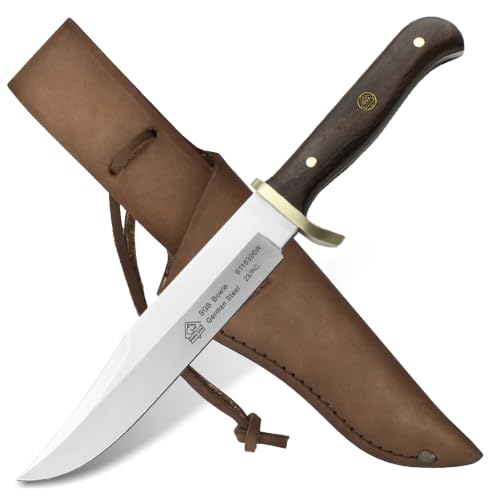
Puma SGB BowieFixed blade knife More specs
| 0.15 inlisting | 6.7 inlisting | 11 inlisting | 1.4116listing | Stainlesslisting | Check price |
Mossy Oak 14 in BowieFixed blade knife More specs
| 0.146 inlisting | 8.5 inlisting | 14 inlisting | 3Cr13listing | Stainlesslisting | Check price |
Morakniv GarbergFixed blade knife More specs
| 0.13 inlisting | 4.3 inlisting | — | — | Stainlesslisting | Check price |
Morakniv Garberg Carbon MOLLEFixed blade knife More specs
| 0.13 inlisting | 4.3 inlisting | — | carbon steellisting | Carbonlisting | Check price |
Morakniv Garberg Survival KitFixed blade knife More specs
| 0.13 inlisting | 4.3 inlisting | — | — | — | Check price |
Condor SBKFixed blade knife More specs
| 0.12 inlisting | 5.3 inlisting | — | 1075listing | Carbonlisting | Check price |
Barebones No. 6 Field FixedFixed blade knife More specs
| — | 6 inlisting | — | — | — | Check price |
BeaverCraft Bushcraft Knife Full Tang 9.8-InchFixed blade knife More specs
| — | 5 inlisting | — | — | — | Check price |
Bone Collector Two Piece Hunting Knife SetFixed blade knife More specs
| — | 7 inlisting | — | — | Stainlesslisting | Check price |
Bone Collector 8 Inch Fixed Blade Bone Handle BlueFixed blade knife More specs
| — | 4 inlisting | 8 inlisting | — | Stainlesslisting | Check price |
Bone Collector 8 Inch Fixed Blade Bone Handle BlackFixed blade knife More specs
| — | 4 inlisting | 8 inlisting | — | Stainlesslisting | Check price |
Bone Collector 8 Inch Fixed Blade Bone HandleFixed blade knife More specs
| — | 4 inlisting | 8 inlisting | — | Stainlesslisting | Check price |
Bone Collector 8 Inch Fixed Blade Bone Handle YellowFixed blade knife More specs
| — | 4 inlisting | 8 inlisting | — | Stainlesslisting | Check price |
Bone Collector BC 885 Bowie 12.5 InchFixed blade knife More specs
| — | 7.5 inlisting | 12.5 inlisting | — | Stainlesslisting | Check price |
Bone Collector BC 886 Bowie 13.25 InchFixed blade knife More specs
| — | 8.25 inlisting | 13.25 inlisting | — | Stainlesslisting | Check price |
Bone Collector BC 882 12 InchFixed blade knife More specs
| — | 7 inlisting | 12 inlisting | — | Stainlesslisting | Check price |
Bone Collector BC 882 12 InchFixed blade knife More specs
| — | 7 inlisting | 12 inlisting | — | Stainlesslisting | Check price |
Bone Collector BC 882 12 InchFixed blade knife More specs
| — | 7 inlisting | 12 inlisting | — | Stainlesslisting | Check price |
Bone Collector 12.25 Inch Fixed BladeFixed blade knife More specs
| — | 7.25 inlisting | 12.25 inlisting | — | Stainlesslisting | Check price |
Bone Collector 8-Inch Utility Fixed BladeFixed blade knife More specs
| — | 4 inlisting | 8 inlisting | — | Stainlesslisting | Check price |
Bone Collector 8-Inch Utility Fixed BladeFixed blade knife More specs
| — | 4 inlisting | 8 inlisting | — | Stainlesslisting | Check price |
Bone Collector 8-Inch Utility Fixed BladeFixed blade knife More specs
| — | 4 inlisting | 8 inlisting | — | Stainlesslisting | Check price |
Bone Collector BC 888 Fixed BladeFixed blade knife More specs
| — | 5.5 inlisting | — | — | Stainlesslisting | Check price |
Bone Collector BC 888 Fixed BladeFixed blade knife More specs
| — | 5.5 inlisting | — | — | Stainlesslisting | Check price |
Bone Collector BC 888 Fixed BladeFixed blade knife More specs
| — | 5.5 inlisting | — | — | Stainlesslisting | Check price |
Bone Collector BC 888 Fixed BladeFixed blade knife More specs
| — | 5.5 inlisting | — | — | Stainlesslisting | Check price |
Bpsknives AdventurerFixed blade knife More specs
| — | 5.33 inlisting | 10 inlisting | — | — | Check price |
Bpsknives Savage Bushcraft KnifeFixed blade knife More specs
| — | 4.25 inlisting | 9 inlisting | — | — | Check price |
Bpsknives CitizenFixed blade knife More specs
| — | 4 inlisting | 8 inlisting | — | — | Check price |
Bpsknives B1 SSH Survival KnifeFixed blade knife More specs
| — | 4.3 inlisting | 9.25 inlisting | — | — | Check price |
Bpsknives HK6Fixed blade knife More specs
| — | 5 inlisting | 9 inlisting | — | — | Check price |
Bpsknives BS2FT CSH Left HandFixed blade knife More specs
| — | 4.25 inlisting | 9 inlisting | — | — | Check price |
Bubba 7 Inch Tapered Flex FilletFixed blade knife More specs
| — | 7 inlisting | 13 inlisting | — | Stainlesslisting | Check price |
Bubba 9 Inch Flex FilletFixed blade knife More specs
| — | 9 inlisting | 15 inlisting | — | Stainlesslisting | Check price |
Bubba 12 Inch Flex Curved FilletFixed blade knife More specs
| — | 12 inlisting | 18 inlisting | — | Stainlesslisting | Check price |
Bubba 9 Inch Tapered Flex FilletFixed blade knife More specs
| — | 9 inlisting | 15 inlisting | — | Stainlesslisting | Check price |
Bubba 8 Inch Ultra Flex TaperedFixed blade knife More specs
| — | 8 inlisting | 14.5 inlisting | 8Cr13MoVlisting | Stainlesslisting | Check price |
Bubba 9 Inch Serrated FlexFixed blade knife More specs
| — | 9 inlisting | 15 inlisting | — | Stainlesslisting | Check price |
Bubba Tapered Flex Fixed FilletFixed blade knife More specs
| — | 8 inlisting | — | — | Stainlesslisting | Check price |
Bubba Utility FixedFixed blade knife More specs
| — | 6 inlisting | — | — | Stainlesslisting | Check price |
Bubba Flex Fixed Fillet 8-InchFixed blade knife More specs
| — | 8 inlisting | — | — | Stainlesslisting | Check price |
Bubba Flex Fixed Fillet 7-InchFixed blade knife More specs
| — | 7 inlisting | — | — | Stainlesslisting | Check price |
Buck Knives 103 SkinnerFixed blade knife More specs
| — | 4 inlisting | — | 420HClisting | Stainlesslisting | Check price |
Buck Knives 692 VanguardFixed blade knife More specs
| — | 4.25 inlisting | — | 420HClisting | Stainlesslisting | Check price |
Buck Knives 119 SpecialFixed blade knife More specs
| — | 6 inlisting | 10.5 inlisting | 420HClisting | Stainlesslisting | Check price |
Buck Knives 105 PathfinderFixed blade knife More specs
| — | 5 inlisting | — | 420HClisting | Stainlesslisting | Check price |
Buck Knives 120 GeneralFixed blade knife More specs
| — | 7.38 inlisting | — | 420HClisting | Stainlesslisting | Check price |
Buck Knives 685 Large BuckLite Max IIFixed blade knife More specs
| — | 4 inlisting | — | 420HClisting | Stainlesslisting | Check price |
Buck Knives 685 Large BuckLite Max IIFixed blade knife More specs
| — | 4 inlisting | 8.875 inlisting | 420HClisting | Stainlesslisting | Check price |
Buck Knives 104 CompadreFixed blade knife More specs
| — | 4.5 inlisting | — | 5160listing | Carbonlisting | Check price |
Buck Knives 657 Large Pursuit GuthookFixed blade knife More specs
| — | 4.5 inlisting | 9.5 inlisting | 420HClisting | Stainlesslisting | Check price |
Buck Knives 117 BrahmaFixed blade knife More specs
| — | 4.5 inlisting | — | 420HClisting | Stainlesslisting | Check price |
Buck Knives 663 Alpha Guide SelectFixed blade knife More specs
| — | 4.375 inlisting | — | 420HClisting | Stainlesslisting | Check price |
Buck Knives 102 WoodsmanFixed blade knife More specs
| — | 4 inlisting | — | 420HClisting | Stainlesslisting | Check price |
Camillus Western CrosstrailFixed blade knife More specs
| — | 4.25 inlisting | — | 420listing | Stainlesslisting | Check price |
Camillus DAGR 10.5"Fixed blade knife More specs
| — | 4.87 inlisting | — | 1095listing | Carbonlisting | Check price |
Camillus SKOL 10.5"Fixed blade knife More specs
| — | 4.87 inlisting | — | 1095listing | Carbonlisting | Check price |
Camillus Swedge 8.75"Fixed blade knife More specs
| — | 4.3 inlisting | — | 420listing | Stainlesslisting | Check price |
CIVIVI Cloud Peak C23044-1Fixed blade knife More specs
| — | 4.6 inlisting | — | Nitro-Vlisting | Stainlesslisting | Check price |
CIVIVI Perfrico C23026-1Fixed blade knife More specs
| — | 4.49 inlisting | — | 14C28Nlisting | Stainlesslisting | Check price |
CIVIVI MDRN HunterFixed blade knife More specs
| — | 4.12 inlisting | — | Nitro-Vlisting | Stainlesslisting | Check price |
Cold Steel Warcraft Tanto 5.5"Fixed blade knife More specs
| — | 5.5 inlisting | 10.13 inlisting | 4034SSlisting | Stainlesslisting | Check price |
Condor Bushlore Bushcraft KnifeFixed blade knife More specs
| — | 4.3 inlisting | — | 1075listing | Carbonlisting | Check price |
Condor Hudson Bay Camp KnifeFixed blade knife More specs
| — | 8.4 inlisting | — | 1075listing | Carbonlisting | Check price |
Condor Swamp RomperFixed blade knife More specs
| — | 4.5 inlisting | — | 1075listing | Carbonlisting | Check price |
Condor Mini Hudson Bay KnifeFixed blade knife More specs
| — | 4.9 inlisting | — | 1075listing | Carbonlisting | Check price |
Condor CaveloreFixed blade knife More specs
| — | 4.31 inlisting | 9.32 inlisting | — | — | Check price |
Condor PictusFixed blade knife More specs
| — | 6.1 inlisting | — | 1095listing | Carbonlisting | Check price |
Condor WayfinderFixed blade knife More specs
| — | 5.3 inlisting | — | 1095listing | Carbonlisting | Check price |
Condor BisonteFixed blade knife More specs
| — | 4.7 inlisting | — | 1095listing | Carbonlisting | Check price |
CRKT HZ6 2927Fixed blade knife More specs
| — | 6.5 inlisting | — | SK-5listing | Carbonlisting | Check price |
Elk Ridge ER-052Fixed blade knife More specs
| — | 5 inlisting | 9.5 inlisting | 3Cr13listing | Stainlesslisting | Check price |
Elk Ridge ER-012Fixed blade knife More specs
| — | 7 inlisting | 12.25 inlisting | 3Cr13listing | Stainlesslisting | Check price |
Elk Ridge ER-555Fixed blade knife More specs
| — | 5.5 inlisting | 10.5 inlisting | 3Cr13listing | — | Check price |
Elk Ridge 12-Inch Leather Handle Fixed BladeFixed blade knife More specs
| — | 6.25 inlisting | 12 inlisting | 3Cr13listing | Stainlesslisting | Check price |
Elk Ridge ER-FIX121GNFixed blade knife More specs
| — | 4.4 inlisting | 8.9 inlisting | 3Cr13MoVlisting | Stainlesslisting | Check price |
Flissa 15" Tactical Bowie KnifeFixed blade knife More specs
| — | 10 inlisting | 15 inlisting | — | — | Check price |
Flissa 8-1/2" Damascus Hunting KnifeFixed blade knife More specs
| — | 4 inlisting | 8.5 inlisting | — | — | Check price |
Flissa 14C28N Kukri KnifeFixed blade knife More specs
| — | 4.7 inlisting | — | 14C28Nlisting | Stainlesslisting | Check price |
Ganzo Firebird G808-BKFixed blade knife More specs
| — | 4.92 inlisting | — | 8CR14listing | Stainlesslisting | Check price |
Ganzo Firebird G808BFixed blade knife More specs
| — | 4.92 inlisting | 9.45 inlisting | 8CR14listing | Stainlesslisting | Check price |
Gerber Freeman GuideFixed blade knife More specs
| — | 4 inlisting | 8.38 inlisting | 5Cr15MoVlisting | Stainlesslisting | Check price |
Gerber StrongArm Sage GreenFixed blade knife More specs
| — | 4.1 inlisting | 8.98 inlisting | 420HClisting | — | Check price |
Gerber Terracraft GreenFixed blade knife More specs
| — | 4 inlisting | 9.1 inlisting | S30Vlisting | Stainlesslisting | Check price |
Gerber StrongArm Camp MagnaCutFixed blade knife More specs
| — | 4.1 inlisting | 8.98 inlisting | MagnaCutlisting | — | Check price |
Grand Way Bushcraft Hunting Knife with SheathFixed blade knife More specs
| — | 4.45 inlisting | 8.86 inlisting | 440Clisting | Stainlesslisting | Check price |
Helle NordFixed blade knife More specs
| — | 5.79 inlisting | — | 14C28Nlisting | Stainlesslisting | Check price |
Helle Didi GalgaluFixed blade knife More specs
| — | 5.17 inlisting | — | 14C28Nlisting | Stainlesslisting | Check price |
Helle TemagamiFixed blade knife More specs
| — | 4.33 inlisting | — | 14C28Nlisting | Stainlesslisting | Check price |
Helle NordlysFixed blade knife More specs
| — | 4.8 inlisting | — | 14C28Nlisting | Stainlesslisting | Check price |
Huaao 8.6-Inch Full Tang D2 Hunting KnifeFixed blade knife More specs
| — | 4.13 inlisting | 8.66 inlisting | — | — | Check price |
Huaao D2 Micarta Fixed BladeFixed blade knife More specs
| — | 4.37 inlisting | 8.94 inlisting | D2listing | Tool steellisting | Check price |
Huaao 8.46-Inch G10 EDC Fixed BladeFixed blade knife More specs
| — | 4.13 inlisting | 8.46 inlisting | 8Cr13Movlisting | Stainlesslisting | Check price |
Huaao D2 G10 Kydex Fixed BladeFixed blade knife More specs
| — | 4.21 inlisting | — | D2listing | Tool steellisting | Check price |
Huaao 8Cr13MoV G10 Kydex Fixed BladeFixed blade knife More specs
| — | 4.05 inlisting | — | 8Cr13MoVlisting | Stainlesslisting | Check price |
Joker BS9 Campero CN112-PFixed blade knife More specs
| — | 4.13 inlisting | — | 14C28Nlisting | Stainlesslisting | Check price |
Joker Bowie CC96Fixed blade knife More specs
| — | 6.3 inlisting | — | 1.4116listing | Stainlesslisting | Check price |
Joker Lince CC43Fixed blade knife More specs
| — | 6.1 inlisting | — | 1.4116listing | Stainlesslisting | Check price |
Joker Bowie CC139Fixed blade knife More specs
| — | 9.45 inlisting | — | N695listing | Stainlesslisting | Check price |
Joker OSO TS1Fixed blade knife More specs
| — | 4.33 inlisting | — | N695listing | — | Check price |
Joker Bush Camp CM146Fixed blade knife More specs
| — | 7.9 inlisting | — | N695listing | — | Check price |
Joker Bowie CC147Fixed blade knife More specs
| — | 7.87 inlisting | — | N695listing | — | Check price |
KA-BAR 1220 US ArmyFixed blade knife More specs
| — | 7 inlisting | — | — | — | Check price |
KA-BAR BK9 Becker Combat BowieFixed blade knife More specs
| — | 9.25 inlisting | — | 1095 Cro-Vanlisting | Carbonlisting | Check price |
KA-BAR EK44 Model 4 CommandoFixed blade knife More specs
| — | 6.625 inlisting | 12.625 inlisting | 1095 Cro-Vanlisting | Carbonlisting | Check price |
KA-BAR SlabbyFixed blade knife More specs
| — | 6.86 inlisting | — | 1095 Cro-Vanlisting | Carbonlisting | Check price |
Kershaw Secret AgentFixed blade knife More specs
| — | 4.4 inlisting | — | 8Cr13MoVlisting | Stainlesslisting | Check price |
Kershaw Camp 5 BowieFixed blade knife More specs
| — | 4.75 inlisting | — | D2listing | Tool steellisting | Check price |
Kershaw AtreidesFixed blade knife More specs
| — | 5.7 inlisting | 11.4 inlisting | 65Mnlisting | — | Check price |
Knives Of Alaska SureGrip Triple Knife ComboFixed blade knife More specs
| — | 4.93 inlisting | — | D2listing | Tool steellisting | Check price |
LionSteel M7 MSFixed blade knife More specs
| — | 7 inlisting | — | Sleipnerlisting | — | Check price |
LionSteel M3 LSTM3CVGFixed blade knife More specs
| — | 4.25 inlisting | 9.25 inlisting | Nioloxlisting | — | Check price |
Mossy Oak 2-Piece Hunting Knife SetFixed blade knife More specs
| — | 5.125 inlisting | 10.375 inlisting | — | Stainlesslisting | Check price |
Mossy Oak 2-Piece Bowie SetFixed blade knife More specs
| — | 6 inlisting | 10.5 inlisting | — | Stainlesslisting | Check price |
Mtech USA MT-113 Rescue TeamFixed blade knife More specs
| — | 5.25 inlisting | 10.5 inlisting | 440listing | Stainlesslisting | Check price |
Mtech USA Xtreme Tanto SawbackFixed blade knife More specs
| — | 7 inlisting | 12 inlisting | 440listing | Stainlesslisting | Check price |
Mtech USA USMC Marine Force ReconFixed blade knife More specs
| — | 10.4 inlisting | 15.9 inlisting | 3Cr13MoVlisting | — | Check price |
NedFoss Dragon TacticalFixed blade knife More specs
| — | 4.3 inlisting | — | 440Clisting | Stainlesslisting | Check price |
NedFoss 13 in Bowie Survival KnifeFixed blade knife More specs
| — | 7 inlisting | 13 inlisting | — | — | Check price |
NedFoss Black PhoenixFixed blade knife More specs
| — | 5.5 inlisting | — | 8Cr14MoVlisting | Stainlesslisting | Check price |
NedFoss Black Phoenix 4 inFixed blade knife More specs
| — | 4 inlisting | — | D2listing | Tool steellisting | Check price |
Old Timer 15OT DeerslayerFixed blade knife More specs
| — | 5.6 inlisting | 10.5 inlisting | high carbon stainless steellisting | Stainlesslisting | Check price |
Old Timer 152OTLCP Large SharpfingerFixed blade knife More specs
| — | 4 inlisting | 8.6 inlisting | high carbon stainless steellisting | Stainlesslisting | Check price |
Old Timer Heritage Series 169OTFixed blade knife More specs
| — | 5 inlisting | 10.25 inlisting | D2listing | — | Check price |
Old Timer 160OT Mountain LionFixed blade knife More specs
| — | 5 inlisting | 9.3 inlisting | high carbon stainless steellisting | Stainlesslisting | Check price |
Old Timer Frontier SeriesFixed blade knife More specs
| — | 5 inlisting | 9.8 inlisting | 7Cr17listing | — | Check price |
Outdoor Edge WildPairFixed blade knife More specs
| — | 4 inlisting | — | — | Stainlesslisting | Check price |
Outdoor Edge Wild Game Boning KnifeFixed blade knife More specs
| — | 5 inlisting | — | 420J2listing | Stainlesslisting | Check price |
Perkin 16 in Handmade Hunting KnifeFixed blade knife More specs
| — | 11 inlisting | 16 inlisting | — | — | Check price |
Perkin HK545Fixed blade knife More specs
| — | 5 inlisting | 9 inlisting | 420listing | Stainlesslisting | Check price |
Perkin PK800Fixed blade knife More specs
| — | 4 inlisting | 7.75 inlisting | 1095listing | Carbonlisting | Check price |
Perkin PK666Fixed blade knife More specs
| — | 4 inlisting | 7.5 inlisting | 1095listing | Carbonlisting | Check price |
Perkin PK1175Fixed blade knife More specs
| — | 4.5 inlisting | 8 inlisting | 1095listing | Carbonlisting | Check price |
Perkin Perkin Bushcraft Camel BoneFixed blade knife More specs
| — | 4 inlisting | 8 inlisting | 420Clisting | — | Check price |
Perkin PS150Fixed blade knife More specs
| — | 4 inlisting | 7.5 inlisting | 420Clisting | — | Check price |
Perkin CMH355Fixed blade knife More specs
| — | 4 inlisting | 8 inlisting | 1080listing | Carbonlisting | Check price |
Puma SGB Elk HunterFixed blade knife More specs
| — | 4.2 inlisting | 8.5 inlisting | 1.4116listing | Stainlesslisting | Check price |
Puma White HunterFixed blade knife More specs
| — | 6.1 inlisting | — | — | — | Check price |
Puma SGB Buffalo HunterFixed blade knife More specs
| — | 5.7 inlisting | — | 1.4116listing | Stainlesslisting | Check price |
Purple Dragon 11 in Tactical Hunting KnifeFixed blade knife More specs
| — | 10.63 inlisting | — | — | — | Check price |
Purple Dragon 10.63 in BowieFixed blade knife More specs
| — | 10.63 inlisting | — | D2listing | Tool steellisting | Check price |
QSP BisonFixed blade knife More specs
| — | 4.5 inlisting | — | D2listing | Tool steellisting | Check price |
Rite Edge 8 in Hunting Knife ABS SheathFixed blade knife More specs
| — | 4 inlisting | 8 inlisting | — | Stainlesslisting | Check price |
Rite Edge Falcata Bowie 18 inFixed blade knife More specs
| — | 12.5 inlisting | 18 inlisting | — | Stainlesslisting | Check price |
Rite Edge Hunting Knife 12 in Leather HandleFixed blade knife More specs
| — | 7 inlisting | 12 inlisting | — | Stainlesslisting | Check price |
Rite Edge Hunting Knife 8.5 in Grooved WoodFixed blade knife More specs
| — | 4 inlisting | 8.5 inlisting | — | Stainlesslisting | Check price |
Rite Edge Skinner Knife 7 in ResinFixed blade knife More specs
| — | 4 inlisting | 7 inlisting | — | Stainlesslisting | Check price |
Rite Edge Tanto Hunting Knife 12 inFixed blade knife More specs
| — | 7 inlisting | 12 inlisting | 3Cr13listing | Stainlesslisting | Check price |
Rite Edge Admiral Damascus 8.75 inFixed blade knife More specs
| — | 4.5 inlisting | 8.75 inlisting | — | Damascuslisting | Check price |
Rite Edge Trailing Bowie 7.75 inFixed blade knife More specs
| — | 4.25 inlisting | 7.75 inlisting | — | Stainlesslisting | Check price |
Ruike F186-MBFixed blade knife More specs
| — | 4.17 inlisting | 9.09 inlisting | D2listing | Tool steellisting | Check price |
Schrade SCHF36M FrontierFixed blade knife More specs
| — | 5.05 inlisting | — | 8Cr13MoVlisting | Stainlesslisting | Check price |
Schrade SCHF36CP FrontierFixed blade knife More specs
| — | 5 inlisting | 10.4 inlisting | 1095listing | Carbonlisting | Check price |
Smith & Wesson SWF606Fixed blade knife More specs
| — | 4.4 inlisting | 8.6 inlisting | 8Cr13MoV high carbon stainlesslisting | Stainlesslisting | Check price |
Smith & Wesson SWMPF3BRFixed blade knife More specs
| — | 4.6 inlisting | 9 inlisting | 8Cr13MoVlisting | Stainlesslisting | Check price |
Smith & Wesson M&P SWMPF2BSFixed blade knife More specs
| — | 4.1 inlisting | 8.7 inlisting | 400 series high carbon stainlesslisting | Stainlesslisting | Check price |
Smith & Wesson M&P M2.0 ThinFixed blade knife More specs
| — | 4 inlisting | 9 inlisting | 8Cr13MoVlisting | Stainlesslisting | Check price |
Smith & Wesson M&P SWMPF2CSFixed blade knife More specs
| — | 4.1 inlisting | 8.7 inlisting | 8Cr13MoVlisting | Stainlesslisting | Check price |
Smith & Wesson M&P Special Ops 10 inFixed blade knife More specs
| — | 5 inlisting | 10 inlisting | 8Cr13MoVlisting | Stainlesslisting | Check price |
Smith & Wesson M&P OfficerFixed blade knife More specs
| — | 4 inlisting | 8.5 inlisting | 8Cr13MoVlisting | Stainlesslisting | Check price |
Smith & Wesson M&P Extreme Ops KarambitFixed blade knife More specs
| — | 4 inlisting | 8.5 inlisting | 9Cr18MoVlisting | Stainlesslisting | Check price |
Smith & Wesson M&P Special Ops 12 inFixed blade knife More specs
| — | 7 inlisting | 12 inlisting | 8Cr13MoVlisting | Stainlesslisting | Check price |
Smith & Wesson 24/7Fixed blade knife More specs
| — | 4 inlisting | 8.5 inlisting | 8Cr13MoVlisting | Stainlesslisting | Check price |
Snake Eye Tactical 9 in Full Tang RainbowFixed blade knife More specs
| — | 4.75 inlisting | 9 inlisting | — | Stainlesslisting | Check price |
Snake Eye Tactical Heavy Duty 12 in TantoFixed blade knife More specs
| — | 7 inlisting | 12 inlisting | 440listing | Stainlesslisting | Check price |
Snake Eye Tactical 13 in Full Tang Cord WrappedFixed blade knife More specs
| — | 9 inlisting | 13 inlisting | 440listing | Stainlesslisting | Check price |
SOG SEAL Pup M37N-CPFixed blade knife More specs
| — | 4.75 inlisting | 9 inlisting | AUS-8listing | Stainlesslisting | Check price |
SOG SEAL Pup Tactical M37KFixed blade knife More specs
| — | 4.75 inlisting | 9 inlisting | AUS-8listing | Stainlesslisting | Check price |
SOG SEAL Strike SS1003-CPFixed blade knife More specs
| — | 4.9 inlisting | 9.6 inlisting | AUS-8listing | Stainlesslisting | Check price |
SOG Field Knife FK1001-CPFixed blade knife More specs
| — | 4 inlisting | 8.5 inlisting | — | Stainlesslisting | Check price |
SOG Pillar UF1001-BXFixed blade knife More specs
| — | 5 inlisting | 9.9 inlisting | CPM S35VNlisting | Stainlesslisting | Check price |
SOG Tellus FXFixed blade knife More specs
| — | 4.2 inlisting | — | Cryo 440Clisting | Stainlesslisting | Check price |
Spartan Blades Machai SBSL002BKBKFixed blade knife More specs
| — | 6.625 inlisting | — | 1095 Cro-Vanlisting | Carbonlisting | Check price |
Spyderco Bow RiverFixed blade knife More specs
| — | 4.36 inlisting | 8.14 inlisting | 8Cr13MoVlisting | Stainlesslisting | Check price |
SZCO 12 in Swing Blade Saber ClawFixed blade knife More specs
| — | 11 inlisting | 12 inlisting | — | Stainlesslisting | Check price |
Tops Prather War BowieFixed blade knife More specs
| — | 7.25 inlisting | 12.63 inlisting | — | — | Check price |
Tops Cut 4.0Fixed blade knife More specs
| — | 4.25 inlisting | 8.5 inlisting | — | — | Check price |
Tops Steel Eagle 107C DeltaFixed blade knife More specs
| — | 7.63 inlisting | 13 inlisting | 1095HClisting | Carbonlisting | Check price |
Tops Armado 6.5Fixed blade knife More specs
| — | 6.5 inlisting | — | 1095listing | Carbonlisting | Check price |
Tops Shadow HunterFixed blade knife More specs
| — | 4.5 inlisting | 9.25 inlisting | — | — | Check price |
Tops Wild Pig HunterFixed blade knife More specs
| — | 7.5 inlisting | 13 inlisting | — | — | Check price |
Uncle Henry 153UH Golden SpikeFixed blade knife More specs
| — | 5 inlisting | 9.4 inlisting | high carbon stainless steellisting | Stainlesslisting | Check price |
Uncle Henry 153UHCP Golden SpikeFixed blade knife More specs
| — | 5 inlisting | 9.4 inlisting | high carbon stainless steellisting | Stainlesslisting | Check price |
Uncle Henry Elk HornFixed blade knife More specs
| — | 4.25 inlisting | 8.5 inlisting | 7Cr17MoVlisting | Stainlesslisting | Check price |
Uncle Henry 191UH Next GenFixed blade knife More specs
| — | 4.6 inlisting | 9.1 inlisting | 7Crlisting | — | Check price |
Uncle Henry 190UH Next GenFixed blade knife More specs
| — | 5.25 inlisting | — | 7Crlisting | Stainlesslisting | Check price |
United Cutlery Honshu KarambitFixed blade knife More specs
| — | 4 inlisting | — | 7Cr13listing | Stainlesslisting | Check price |
Victorinox VentureFixed blade knife More specs
| — | 4.1 inlisting | — | — | Stainlesslisting | Check price |
Victorinox Venture RedFixed blade knife More specs
| — | 4.1 inlisting | — | — | Stainlesslisting | Check price |
Victorinox Venture ProFixed blade knife More specs
| — | 4.1 inlisting | — | — | Stainlesslisting | Check price |
Victorinox Venture OliveFixed blade knife More specs
| — | 4.1 inlisting | — | — | Stainlesslisting | Check price |






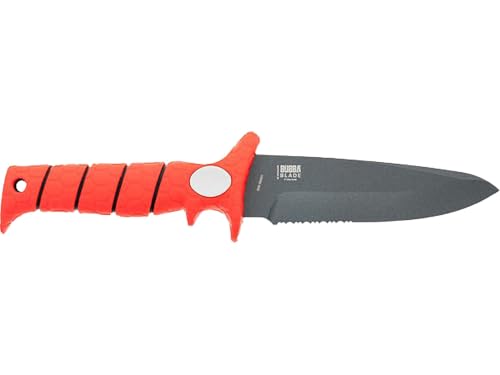


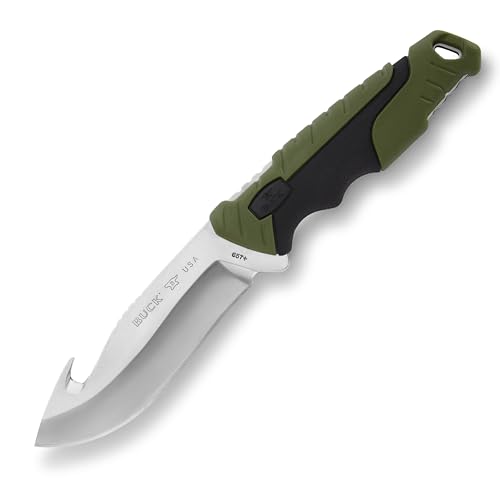


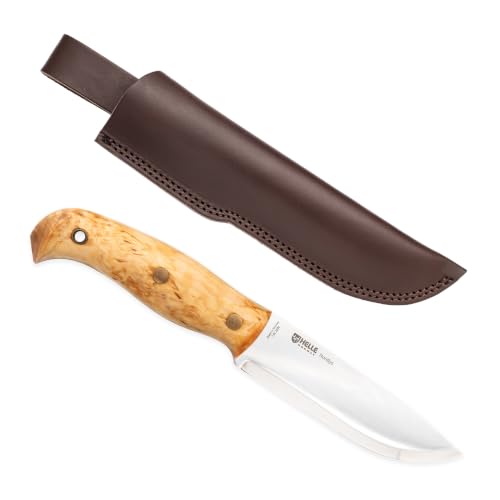


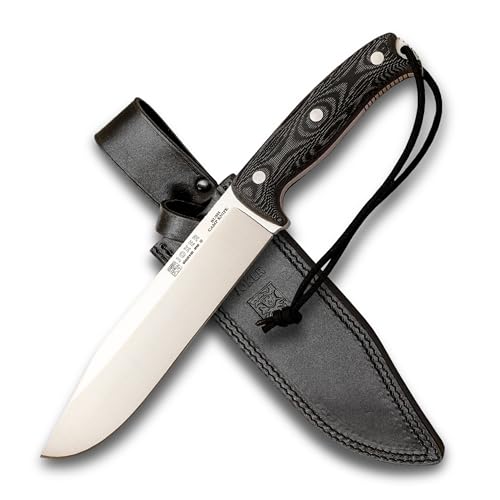


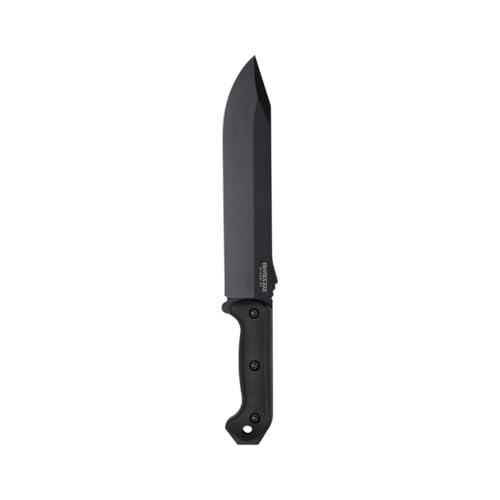


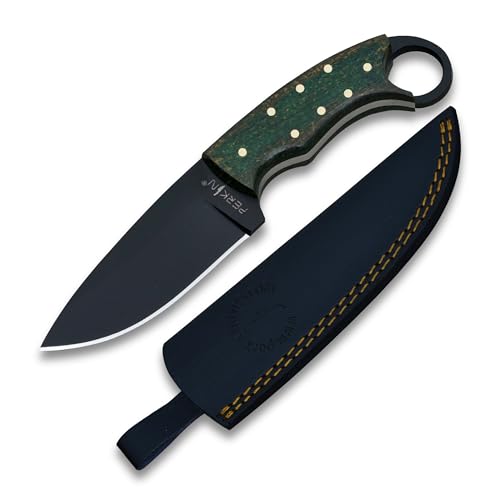


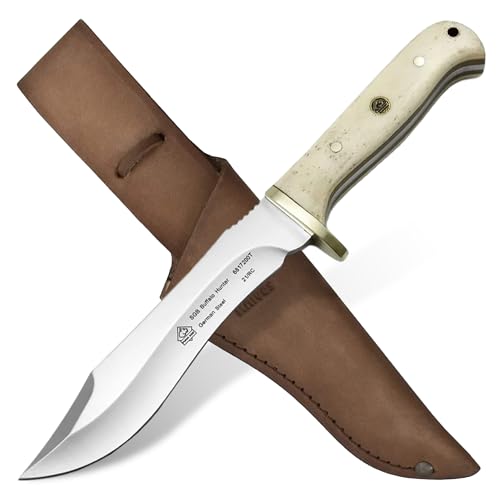


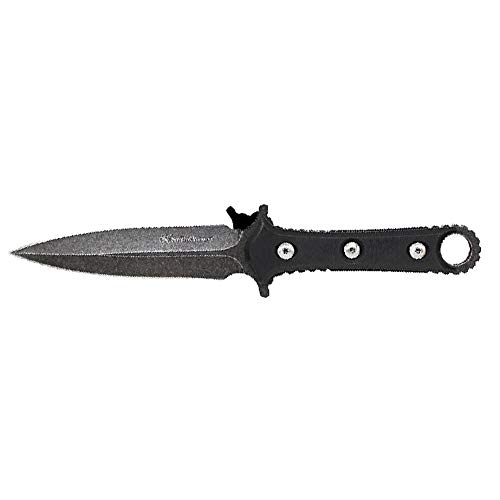





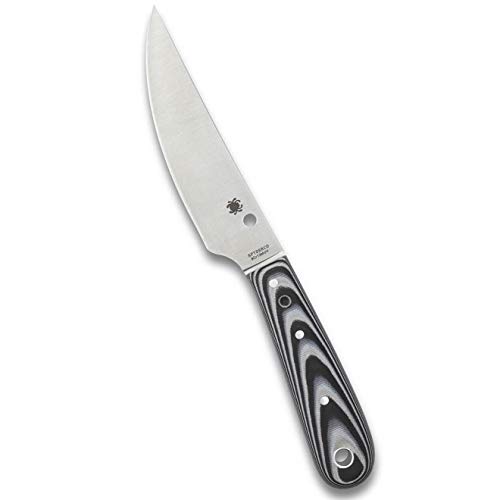


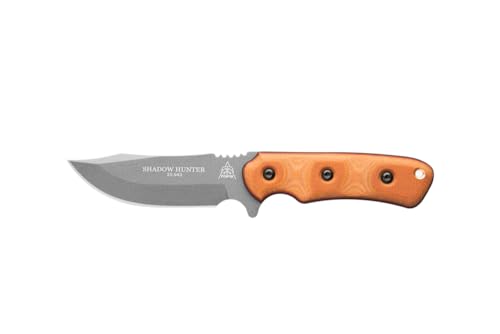


What’s in this listFull-tang fixed blades with a blade of 4 inches or longer, as stated by the maker or the Amazon listing — the build survival knives share. “—” means neither the maker nor the Amazon listing states it.
What sets a survival knife apart
A survival knife is a fixed blade meant for an emergency in the woods, when most of your gear is gone. That's how the general reference on survival knives puts it. The modern version traces back to knives issued to military aircrew, who might come down a long way from help. One Vietnam-era request asked for serrations on the spine to cut through a downed aircraft's skin.
Here's the thing. A hunting knife opens a deer. A survival knife is asked to split wood, carve a stake, cut cord and throw sparks, sometimes all before lunch. So it gets thicker, longer and plainer.
It belongs to the fixed-blade family, which shares one basic idea: the blade never folds, so it rides in a sheath. The family overview lives on the fixed blade knife page. This page sticks to what's different about the hard-use end of it.
The selection rule for this page is short. It lists full-tang fixed blades with a blade of 4 inches or longer, as the maker or the Amazon listing states them. If neither says full tang, the knife isn't here, even if it probably is. The table shows blade length, overall length, blade thickness where stated, steel, grind, edge, handle material, sheath, and whether the sheath carries a fire starter or sharpener, the maker's numbers first and the listing's where the maker is silent (marked as listing values). Blank boxes get a dash.
How to choose a survival knife
Insist on a full tang
Full tang means the blade and the handle frame are one continuous piece of steel, with handle scales fixed to the sides. The Art of Manliness survival guide says there's no advantage to a partial tang on a survival knife, and calls any joint a weakness.
The batoning guide from RECOIL OFFGRID gives the practical reason. Without a full tang, hammering on the spine can separate the blade from the handle. That's not a repair you make at a campfire.
The table only marks full tang when the maker or the listing says it. On this page that's the whole point of the list.
Pick a size you can carve with
Bigger isn't better past a point. The Art of Manliness guide puts the ideal survival knife around 9 to 11 inches overall. Its example is a 10-inch knife with a 5-inch blade. Too big, it says, and you give up the fine control for detailed tasks.
For splitting wood, one knife maker's batoning guide suggests a blade at least 4.5 to 5 inches long, and says a longer blade lets you split larger wood. So the sweet spot is a blade long enough to reach across a split of kindling, on a knife short enough to whittle a tent stake.
Rule of thumb: if you can't comfortably carve a notch with it, it's a machete with a guilty conscience. Real machetes are on the machete page.
Read the blade thickness column
Blade thickness is the stock, measured at the spine. Few makers or listings state it, so the column is often a dash. When it's there, it tells you how much abuse the blade can take. The same batoning guide asks for a spine at least 5/32 inch thick.
Thicker stock is stronger but slices worse. It's the shop-class trade-off again: the oak beam holds the barn up, but you don't carve a spoon out of it.
A square spine throws the sparks
A flat spine with sharp, 90-degree corners can be scraped against a ferrocerium rod to make sparks. Blade Magazine's fire-starter guide says to strike on that spine corner, not on the cutting edge, because the edge gets dull spots fast.
Blade Magazine also notes that some makers cut small half-moon notches into the spine to spare your hand while keeping a square shoulder. Others include a separate striker with the knife. Run your thumb down the spine of any knife you're considering. If it isn't square, plan on that striker. More on rods is on the ferro rod page.
Single edge, solid pommel
The Art of Manliness guide argues against a double-edged blade on a survival knife. You need the spine for your thumb, for batoning and for the ferro rod. It also likes a substantial pommel, the butt end of the handle, for light hammering such as driving shelter stakes.
That's a tent-stake tap, not a framing hammer. AKTI, the American Knife & Tool Institute, warns against using a knife as a hammer, screwdriver or pry bar; a twisted blade can slip or break and hurt you.
Skip the hollow handle
The 1980s gave us hollow-handle survival knives with a compass in the cap and fishing line inside. The general survival knife reference notes that hollow handles may reduce strength and break more easily when chopping or batoning. A hollow handle can't be a full tang. Keep the fishing kit in your pack, where it can't weaken anything. The knife has enough to do.
Plain edge or serrations
Edges in the table come in three kinds: plain, serrated, partially serrated. Blade Magazine's edge guide puts the large majority of everyday cutting on plain edges, which are also the simplest to sharpen. Full serrations are for rope and straps and need a sharpener made for them. Partial serrations cover small cord like paracord.
For wood and carving, plain wins. If you cut a lot of rope, a partial serration is a reasonable middle.
Steel: toughness first
One knife maker's steel guide defines toughness as a steel's ability to resist fracturing, chipping or breaking under impact. That's the trait a survival knife leans on hardest. The same guide says tool steels give up some corrosion resistance to get there, and their owners have to stay on top of maintenance.
The table lists the exact grade if the maker or the listing names it and a broad steel type either way. Carbon and tool steels will rust if you put them away wet. Stainless is more forgiving but, as AKTI notes, still not immune to water and salt.
Grind: saber and scandi lead here
The grind column shows how the blade thins to the edge. By the standard definitions, a saber grind starts its bevel partway up and is built for strength. A scandi is the saber's cousin without a secondary bevel, so its wide flat face lies easily on a stone. A convex grind backs the edge with more steel but takes skill to sharpen by hand. A hollow grind gives a very sharp but weaker edge, the wrong pick for splitting.
A sheath that holds on
Check the sheath column, then the fire starter column. Some survival knife sheaths carry a ferro rod, a striker loop or a small sharpener. That's handy. It also means the rod lives with the knife, which is where you'll look for it at dark.
Retention matters more than looks. A sheath that lets the knife slide out when you crawl under a blowdown has failed at its only job.
Survival knife styles and when to pick which
The 5-inch all-rounder
A full tang, a 4 to 5 inch blade, a plain edge and a square spine. It carves, splits small kindling and strikes a rod. If you only buy one survival knife, buy this size.
Heavy choppers
Longer blades and thicker stock, built to chop and split bigger wood. They carry heavier and carve worse. For clearing brush, a machete or hatchet beats any knife.
Survival knife with fire starter
A knife whose sheath carries a ferro rod or striker. The table's fire starter column marks it. Good for a day pack or the glove box. If your fire kit already has a rod and a lighter, you're paying for a duplicate.
Bushcraft knives
Often a scandi grind and a thinner blade, made for carving more than splitting. They overlap with survival knives a lot. See the bushcraft knife page.
Batoning safely with a survival knife
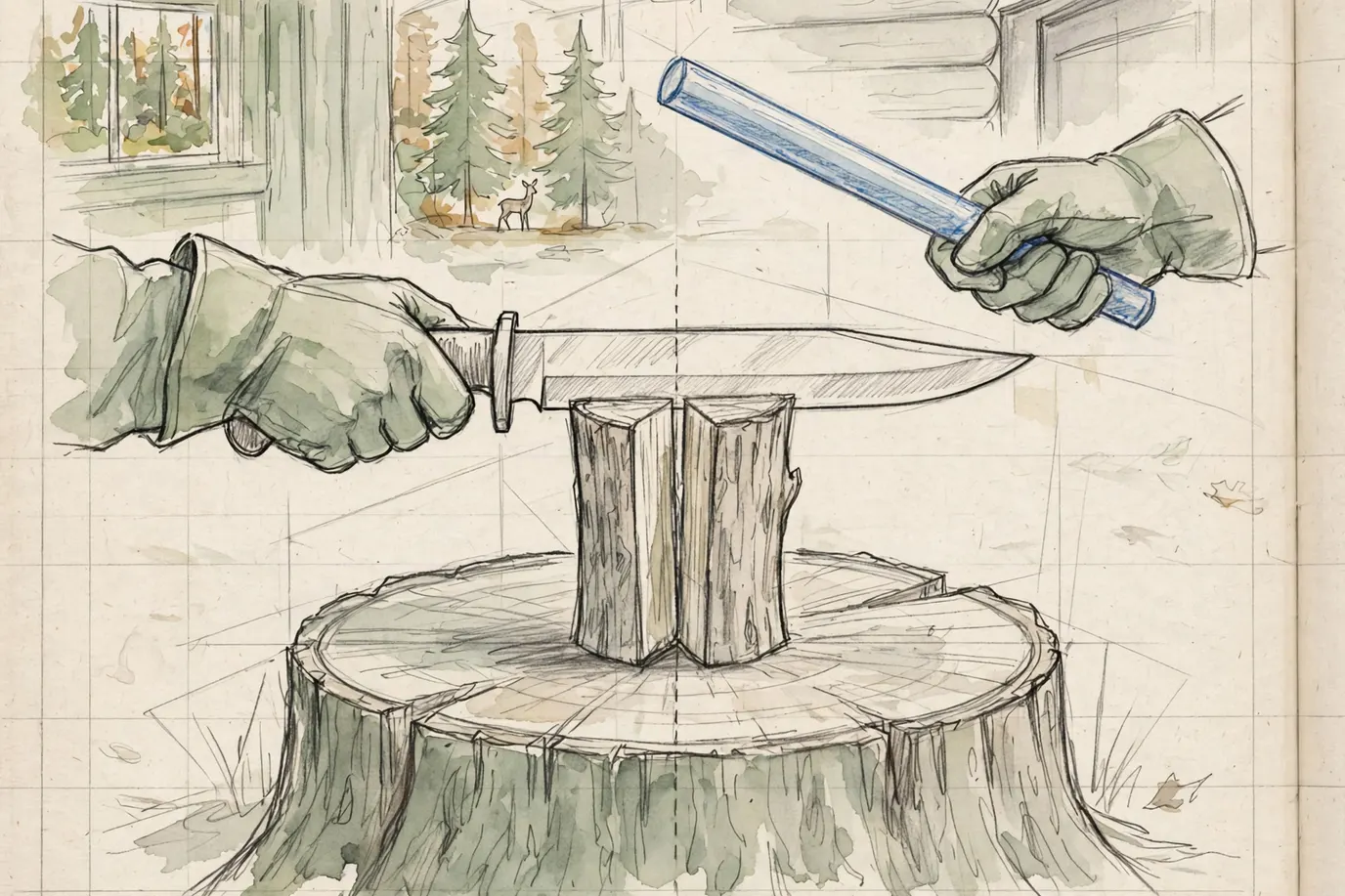
Batoning means striking the spine with a wooden baton to drive the blade through a piece of wood. It's a deliberate exception to the "knives aren't hammers" rule, so do it the careful way.
- Wear gloves and eye protection, and work on a stable stump or log.
- Use a wooden baton, never a rock or metal.
- Pick dry hardwood. Wet wood lets the spine sink in.
- Stand the split upright and set the edge across the top, with the grain. Leave at least a third of the blade sticking out past the wood.
- Strike the spine squarely, as far from the tip as you can. Don't baton at an angle.
- Keep your fingers and legs out of the line of the blade.
The RECOIL OFFGRID guide says prying a stuck knife out of the wood is the move with the highest risk of injury. Don't twist it free. Tap it through or start over on a smaller piece. Don't force the blade through knots.
Carry it, clean it, sharpen it
Carry and storage
AKTI's rule is plain: don't carry an unsheathed straight knife, and don't climb or run with an open blade. For storage, Ontario Knife Company's care page says to keep the knife in a dry place, out of the sheath, and to wipe the blade with clean oil two to three times a year, more often near water. Dry the knife, oil it lightly, store it somewhere cool and dry.
Sharpening
AKTI recommends sharpening often and gives 10 to 15 degrees as the recommended angle, adjusted for the grind. Push the blade away from you. Same number of strokes on each side. A scandi grind makes this easier, because the whole bevel sits flat on the stone.
A survival knife backs up the lighter
My one opinion on this page: a survival knife is the backup fire plan, not the first one. Blade Magazine's fire-starter guide says to reach for a lighter or matches first, especially in the dark, and treat the knife and rod as the backup. The National Park Service's Ten Essentials list matches or a lighter and fire starters under fire, and a knife under the repair kit. That's the right order.
Danny's take: "Pack the lighter, the backup lighter, the matches, the rod and the knife." That's also why his pack weighs what it does.
Who should skip a survival knife
If your knife's main job is field dressing deer, a short hunting knife is the better tool. If you mostly carve and whittle, look at bushcraft and whittling knives. And if you never leave the truck more than a mile, a good pocket knife and a fire kit may be all you need.
Knife carry laws differ by state and town. Check your state's rules before you wear one on your belt.
Here's the honest test. If the knife comes home every November with nothing harder than a sandwich on its record, that's a good season, not a wasted purchase.
Brands in this list
Related
Questions people ask
What makes a knife a survival knife?
A survival knife is a fixed blade meant for a wilderness emergency when most of your gear is gone. The common build is a full, thick tang, a single-edged blade around 4 inches or longer, a sturdy pommel and a flat spine with square edges for striking a ferro rod. It's asked to split wood, carve, cut cord and make sparks.
How long should a survival knife be?
The Art of Manliness survival guide puts the ideal around 9 to 11 inches overall, using a 10-inch knife with a 5-inch blade as its example. Go much bigger and you lose fine control for carving and other detail work. A batoning guide from a knife maker suggests at least 4.5 to 5 inches of blade if you plan to split wood.
Is a full tang survival knife really stronger?
Full tang means the blade and handle frame are one continuous piece of steel. Survival guides prefer it because there's no joint to fail, and a batoning guide warns that hammering on a knife without a full tang can separate the blade from the handle. Hollow-handle knives may break more easily when chopping or batoning.
Should a survival knife be serrated?
It's a matter of the jobs you expect. Blade Magazine's edge guide favors plain edges for most cutting and for easy sharpening. Full serrations bite into rope and straps but need their own sharpener, and a partly serrated edge handles paracord and twine. For wood work and carving, a plain edge is the usual choice.
Can you start a fire with a survival knife?
Yes, as a backup. Scrape a ferrocerium rod against the sharp 90-degree corner of the knife's spine, not the cutting edge, which dulls quickly. Blade Magazine's fire-starter guide still advises reaching for a lighter or matches first. The National Park Service's Ten Essentials list matches or a lighter plus fire starters for exactly that reason.
Sources
- Wikipedia: Survival knife — accessed 2026-10-22
- The Art of Manliness: How to choose the perfect survival knife — accessed 2026-10-22
- Montana Knife Company: What is batoning with a knife? — accessed 2026-10-22
- RECOIL OFFGRID: How to baton wood with a knife — accessed 2026-10-22
- Blade Magazine: Fire starter knife, blades designed to spark a flame — accessed 2026-10-22
- Blade Magazine: Plain vs serrated knives — accessed 2026-10-22
- National Park Service: Ten Essentials — accessed 2026-10-22
- American Knife & Tool Institute: Knife safety, sharpening and maintenance — accessed 2026-10-22
- Spyderco: Understanding tool steels — accessed 2026-10-22
- Wikipedia: Grind (blade grinds) — accessed 2026-10-22
- Ontario Knife Company: Knife maintenance and care — accessed 2026-10-22