Camp Gear · Gear type
Coolers
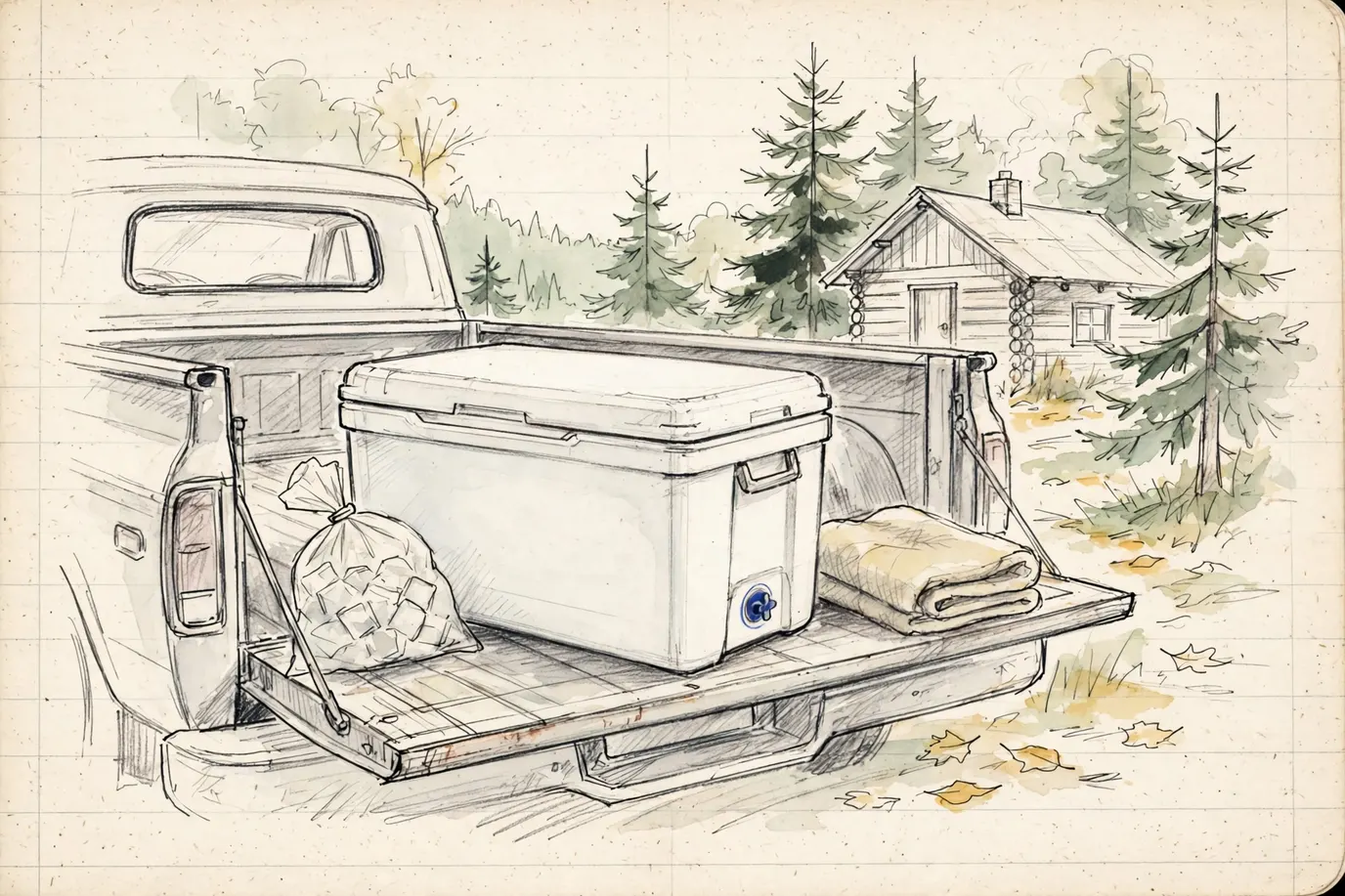
A cooler for deer camp has one job: keep food at 40°F or below until Sunday, then carry the backstraps home. This page covers hard-sided coolers, the ice chests with a rigid plastic or steel shell. The main choice is size first, then construction, then the details that decide whether the ice lasts. (Jess calls me "the cooler guy." She means it as a rank. I've decided to take it that way.)
We earn a commission if you buy through our links, at no cost to you. Disclosure
| Model | Weight | Capacity | Construction | Ice retention (claimed) | Wheels | Drain plug | Amazon |
|---|---|---|---|---|---|---|---|
Naturehike 5.3 QT Hard CoolerHard cooler | — | 5.3 qtlisting | — | — | — | — | Check price |
Engel UC7 7.5 QtHard cooler | — | 7.5 qtlisting | — | — | — | — | Check price |
Pelican 8 Quart Personal CoolerHard cooler More specs
| — | 8 qtlisting | — | — | — | — | Check price |
RTIC Road Trip 8 QT Personal CoolerHard cooler More specs
| — | 8 qtlisting | — | — | — | — | Check price |
VEVOR 8.5 QT Hard CoolerHard cooler More specs
| — | 8.5 qtlisting | — | — | — | — | Check price |
Coleman Chiller 9 QtHard cooler More specs
| — | 9 qtlisting | — | — | — | — | Check price |
| — | 10 qtlisting | — | 3 dayslisting | — | — | Check price | |
Igloo Gripper CoolBox 10 QtHard cooler More specs
| — | 10 qtlisting | — | — | — | — | Check price |
Igloo Tag Along Too 11 QtHard cooler More specs
| — | 11 qtlisting | — | — | — | — | Check price |
| — | 12 qtlisting | — | — | — | — | Check price | |
EchoSmile 12 Qt Rotomolded CoolerHard cooler | — | 12 qtlisting | — | — | — | Yeslisting | Check price |
Mammoth Cruiser 15Hard cooler | — | 12 qtlisting | — | — | — | — | Check price |
Mammoth Cruiser 15Hard cooler | — | 12 qtlisting | — | — | — | — | Check price |
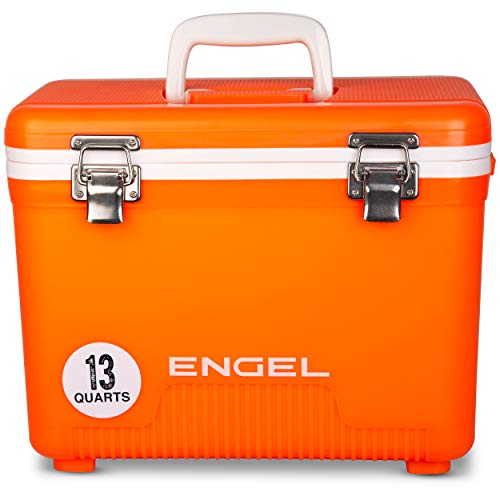
Engel UC13 13 QtHard cooler | — | 13 qtlisting | — | — | — | — | Check price |
Engel UC13 13 QtHard cooler | — | 13 qtlisting | — | — | — | — | Check price |
Engel UC13 13 QtHard cooler | — | 13 qtlisting | — | — | — | — | Check price |
Frosted Frog 14 Qt Hyper-Light CoolerHard cooler | — | 14 qtlisting | — | — | — | — | Check price |
Pelican 14 QT Personal CoolerHard cooler | — | 14 qtlisting | — | — | — | — | Check price |
Vingli 14 QT Retro Ice ChestHard cooler More specs
| — | 14 qtlisting | — | — | — | — | Check price |
Grizzly Coolers Grizzly 15Hard cooler More specs
| 12 lbmaker | 15 qtlisting | Rotomoldedmaker | — | — | — | Check price |
Grizzly Coolers Grizzly 15Hard cooler More specs
| 12 lbmaker | 15 qtlisting | Rotomoldedmaker | — | — | — | Check price |
Naturehike 15 QT Hard CoolerHard cooler | — | 15 qtlisting | — | 2.8 dayslisting | — | — | Check price |
Coleman Chiller 16 QtHard cooler More specs
| — | 16 qtlisting | — | — | — | — | Check price |
| — | 16 qtlisting | — | 5 dayslisting | — | — | Check price | |
Costway 16 Quart Camping CoolerHard cooler | — | 16 qtlisting | — | 5 dayslisting | — | — | Check price |
Goplus 16 Qt CoolerHard cooler More specs
| — | 16 qtlisting | — | 4 dayslisting | — | — | Check price |
Goplus 16 Qt Cooler with Cup HoldersHard cooler More specs
| — | 16 qtlisting | — | 5 dayslisting | — | — | Check price |
Goplus 16 Qt Cooler with Cup HoldersHard cooler More specs
| — | 16 qtlisting | — | 5 dayslisting | — | — | Check price |
Igloo Playmate 30-CanHard cooler More specs
| — | 16 qtlisting | — | — | — | — | Check price |
Igloo Profile II 16 Qt RollerHard cooler More specs
| — | 16 qtlisting | — | — | Yeslisting | — | Check price |
RTIC Road Trip 16 QTHard cooler More specs
| — | 16 qtlisting | — | — | — | — | Check price |
Stanley Outdoor Hard Cooler 16 qtHard cooler More specs
| — | 16 qtlisting | — | — | — | — | Check price |
Stanley Outdoor Hard Cooler 16 qtHard cooler More specs
| — | 16 qtlisting | — | — | — | — | Check price |
Dometic Recon Hardside 16LHard cooler | — | 16.9 qtlisting | Injection moldedlisting | — | — | — | Check price |
VEVOR 17QT Hard CoolerHard cooler More specs
| — | 17 qtlisting | — | — | — | — | Check price |
EchoSmile 18 Qt Rotomolded CoolerHard cooler | — | 18 qtlisting | — | — | — | Yeslisting | Check price |
Naturehike 18 QT Hard CoolerHard cooler More specs
| — | 18 qtlisting | — | 3.6 dayslisting | — | — | Check price |
Engel UC19 19 QtHard cooler | — | 19 qtlisting | — | — | — | — | Check price |
Engel 19 Qt Live Bait CoolerHard cooler | — | 19 qtlisting | — | — | — | — | Check price |
Engel UC19 19 QtHard cooler | — | 19 qtlisting | — | — | — | — | Check price |




Naturehike 19 QT Hard CoolerHard cooler | — | 19 qtlisting | — | — | — | — | Check price |
|---|---|---|---|---|---|---|---|
BrüMate BrüTank Wheeled Hard CoolerHard cooler | — | 20 qtlisting | — | — | Yeslisting | — | Check price |
Costway 20 Qt Insulated Hard CoolerHard cooler | — | 20 qtlisting | — | 6 dayslisting | — | Yeslisting | Check price |
| — | 20 qtlisting | — | — | — | — | Check price | |
EchoSmile 20 Qt Insulated CoolerHard cooler | — | 20 qtlisting | — | 3 dayslisting | — | — | Check price |
Frosted Frog 20 Qt Heavy Duty CoolerHard cooler | — | 20 qtlisting | — | — | — | Yeslisting | Check price |
Frosted Frog 20 Qt Camo CoolerHard cooler | — | 20 qtlisting | — | — | — | Yeslisting | Check price |
Frosted Frog 20 Qt Heavy Duty CoolerHard cooler | — | 20 qtlisting | — | — | — | Yeslisting | Check price |
Frosted Frog 20 Qt Heavy Duty CoolerHard cooler | — | 20 qtlisting | — | — | — | Yeslisting | Check price |
Frosted Frog 20 Qt Heavy Duty CoolerHard cooler | — | 20 qtlisting | — | — | — | Yeslisting | Check price |
Frosted Frog 20 Qt Camo CoolerHard cooler | — | 20 qtlisting | — | — | — | Yeslisting | Check price |
Grizzly Coolers Grizzly 20Hard cooler More specs
| 16 lbmaker | 20 qtlisting | Rotomoldedmaker | — | — | Yesmaker | Check price |
Grizzly Coolers Grizzly 20Hard cooler More specs
| 16 lbmaker | 20 qtlisting | Rotomoldedmaker | — | — | Yesmaker | Check price |
Igloo Tag Along 360 Spinner 20 QtHard cooler More specs
| — | 20 qtlisting | — | — | Yeslisting | — | Check price |
Pelican Elite 20 QTHard cooler More specs
| — | 20 qtlisting | — | — | — | — | Check price |
RTIC Ultra-Tough 20 QTHard cooler More specs
| — | 20 qtlisting | — | — | — | — | Check price |
Camp-Zero 21 Quart Rotomolded Hard CoolerHard cooler | — | 21 qtlisting | — | — | — | Yeslisting | Check price |
Costway 21 Qt Insulated Hard CoolerHard cooler | — | 21 qtlisting | — | 3 dayslisting | — | Yeslisting | Check price |
EchoSmile Ultra-Light Cooler 20LHard cooler | — | 21 qtlisting | — | — | — | Yeslisting | Check price |
Goplus Ultra-Light 21 Qt Hard CoolerHard cooler | — | 21 qtlisting | Injection moldedlisting | 5 dayslisting | — | — | Check price |
RTIC Ultra-Light 22 QTHard cooler More specs
| — | 22 qtlisting | — | 6 dayslisting | — | — | Check price |
RTIC Ultra-Light 22 QT WheeledHard cooler | — | 22 qtlisting | — | — | Yeslisting | — | Check price |
Stanley Outdoor Hard Cooler 24 qtHard cooler | — | 24 qtlisting | — | 4 dayslisting | — | Yeslisting | Check price |
VEVOR 24QT Hard CoolerHard cooler More specs
| — | 24 qtlisting | — | — | — | — | Check price |
Bison Coolers 25 Quart Hard CoolerHard cooler | — | 25 qtlisting | — | — | — | — | Check price |
Blue Coolers Cobalt 25Hard cooler | 14.3 lbmaker | 25 qtlisting | Rotomoldedmaker | 3 dayslisting | — | — | Check price |
Blue Coolers Cobalt 25Hard cooler | 14.3 lbmaker | 25 qtlisting | Rotomoldedmaker | 3 dayslisting | — | — | Check price |
Blue Coolers Cobalt 25Hard cooler | 14.3 lbmaker | 25 qtlisting | Rotomoldedmaker | 3 dayslisting | — | — | Check price |
Blue Coolers Cobalt 25Hard cooler | 14.3 lbmaker | 25 qtlisting | Rotomoldedmaker | 3 dayslisting | — | — | Check price |
| — | 25 qtlisting | — | — | — | Yeslisting | Check price | |
Goplus Hard Cooler 6-Day Ice RetentionHard cooler | — | 25 qtlisting | — | 6 dayslisting | — | — | Check price |
Goplus Rolling Hard CoolerHard cooler | — | 25 qtlisting | — | 6 dayslisting | Yeslisting | — | Check price |
Igloo Retro Picnic Basket 25 QtHard cooler More specs
| — | 25 qtlisting | — | — | — | — | Check price |
Igloo BMX 25 QtHard cooler More specs
| — | 25 qtlisting | Blow moldedlisting | — | — | — | Check price |
Igloo Trailmate 25 QtHard cooler More specs
| — | 25 qtlisting | — | — | — | — | Check price |
Igloo Trailmate 25 QtHard cooler More specs
| — | 25 qtlisting | — | — | — | — | Check price |
Igloo Trailmate 25 QtHard cooler More specs
| — | 25 qtlisting | — | — | — | — | Check price |
Naturehike 25 QT Hard CoolerHard cooler More specs
| — | 25 qtlisting | — | 6 dayslisting | — | — | Check price |
Koolatron Vintage Ice Chest 25LHard cooler More specs
| — | 26 qtlisting | — | — | — | — | Check price |
| — | 26 qtlisting | — | — | — | Yeslisting | Check price | |
Lifetime 28 QT High-PerformanceHard cooler | — | 28 qtlisting | — | — | — | — | Check price |
Lifetime 28 Quart High PerformanceHard cooler | — | 28 qtlisting | — | — | — | — | Check price |
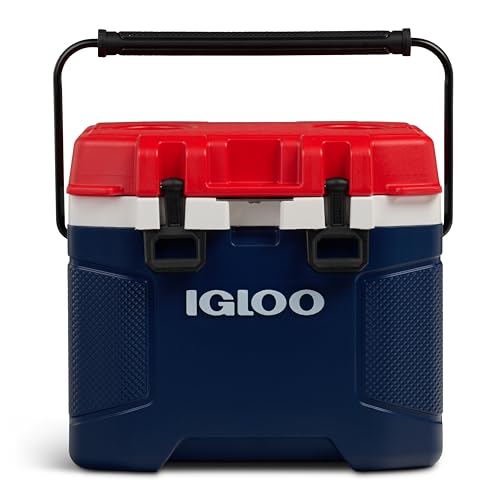
Lifetime 28 Quart Patriotic EditionHard cooler | — | 28 qtlisting | — | 5 dayslisting | — | — | Check price |
Lifetime 28 Quart Patriotic EditionHard cooler | — | 28 qtlisting | — | 5 dayslisting | — | — | Check price |
| — | 30 qtlisting | — | — | — | — | Check price | |
Coleman Chiller 30 QtHard cooler | — | 30 qtlisting | — | — | — | — | Check price |
EchoSmile Rotomolded Cooler 25-75 QtHard cooler | — | 30 qtlisting | — | — | — | Yeslisting | Check price |
Engel UC30 30 QtHard cooler | — | 30 qtlisting | — | — | — | — | Check price |
Engel UC30 Fishing DryboxHard cooler | — | 30 qtlisting | — | — | — | — | Check price |
Engel 30 Qt Live Bait Cooler PROHard cooler | — | 30 qtlisting | — | — | — | — | Check price |
Igloo Profile II 30 QtHard cooler More specs
| — | 30 qtlisting | — | — | — | — | Check price |
Ninja FrostVault 30qt FB131Hard cooler More specs
| — | 30 qtlisting | — | — | — | — | Check price |
Ninja FrostVault 30qt WheeledHard cooler More specs
| — | 30 qtlisting | — | — | Yeslisting | — | Check price |
Pelican Elite 30 QTHard cooler | — | 30 qtlisting | — | — | — | — | Check price |
RTIC Ultra-Light 32 QTHard cooler More specs
| — | 32 qtlisting | — | — | — | — | Check price |
BrüMate BrüTank Wheeled Hard CoolerHard cooler | — | 35 qtlisting | — | — | Yeslisting | — | Check price |
Coleman Snap 'N Go Collapsible Hard Cooler 35 QtHard cooler More specs
| — | 35 qtlisting | — | — | — | — | Check price |
Engel ENG35Hard cooler More specs
| 22 lbmaker | 35 qtlisting | Rotomoldedmaker | 10 daysmaker | — | Yesmaker | Check price |
Insmeer 35QT Collapsible Hard CoolerHard cooler | — | 35 qtlisting | — | — | — | — | Check price |
Blue Coolers Cobalt Weekender 37Hard cooler More specs
| — | 37 qtlisting | Blow moldedlisting | 3 daysmaker | — | — | Check price |
Blue Coolers Cobalt Weekender 37Hard cooler More specs
| — | 37 qtlisting | Blow moldedlisting | 3 daysmaker | — | — | Check price |
Costway 37 Qt Insulated Hard CoolerHard cooler | — | 37 qtlisting | — | 3 dayslisting | — | Yeslisting | Check price |
Naturehike 38 QT Wheeled CoolerHard cooler More specs
| — | 38 qtlisting | — | 6.4 dayslisting | Yeslisting | — | Check price |
EchoSmile Rotomolded Cooler 25-75 QtHard cooler | — | 40 qtlisting | — | — | — | Yeslisting | Check price |
Grizzly Coolers Scout Rolling 40 QtHard cooler | — | 40 qtlisting | — | — | Yeslisting | — | Check price |
Camp-Zero 40L Hard Cooler 42 QtHard cooler | — | 42 qtlisting | — | — | — | — | Check price |
Goplus Wheeled Insulated CoolerHard cooler | — | 42 qtlisting | — | 7 dayslisting | Yeslisting | — | Check price |
Ninja FrostVault 42qt WheeledHard cooler More specs
| — | 42 qtlisting | — | — | Yeslisting | — | Check price |
RTIC Ultra-Light 42 QT WheeledHard cooler | — | 42 qtlisting | — | — | Yeslisting | — | Check price |
Dometic Recon Hardside 41LHard cooler | — | 43.3 qtlisting | Injection moldedlisting | — | — | — | Check price |
Goplus 43.3 Qt Injection Molded Hard CoolerHard cooler | — | 43.3 qtlisting | Injection moldedlisting | 7 dayslisting | — | — | Check price |
Coleman Pro 45 Qt Hard Cooler with WheelsHard cooler More specs
| — | 45 qtlisting | — | 4 dayslisting | Yeslisting | Yeslisting | Check price |
Coleman Snap 'N Go Collapsible Hard Cooler 45 QtHard cooler More specs
| — | 45 qtlisting | — | — | — | — | Check price |
Costway 45 Qt Insulated Hard CoolerHard cooler | — | 45 qtlisting | — | 6 dayslisting | — | Yeslisting | Check price |
Frosted Frog 45 Qt Rotomolded CoolerHard cooler | — | 45 qtlisting | — | — | — | Yeslisting | Check price |
Frosted Frog 45 Qt Rotomolded CoolerHard cooler | — | 45 qtlisting | — | — | — | Yeslisting | Check price |
Frosted Frog 45 Qt Camo Rotomolded CoolerHard cooler | — | 45 qtlisting | — | — | — | Yeslisting | Check price |
Frosted Frog 45 Qt Rotomolded CoolerHard cooler | — | 45 qtlisting | — | — | — | Yeslisting | Check price |
Frosted Frog 45 Qt Rotomolded CoolerHard cooler | — | 45 qtlisting | — | — | — | Yeslisting | Check price |
Goplus Hard Cooler 6-Day Ice RetentionHard cooler | — | 45 qtlisting | — | 6 dayslisting | — | — | Check price |
Grizzly Coolers Grizzly 45Hard cooler More specs
| 28 lbmaker | 45 qtlisting | Rotomoldedmaker | — | — | Yesmaker | Check price |
Grizzly Coolers Grizzly 45Hard cooler More specs
| 28 lbmaker | 45 qtlisting | Rotomoldedmaker | — | — | Yesmaker | Check price |
Ninja FrostVault 45qt WheeledHard cooler More specs
| — | 45 qtlisting | — | — | Yeslisting | — | Check price |
Ninja FrostVault 45qt WheeledHard cooler More specs
| — | 45 qtlisting | — | — | Yeslisting | — | Check price |
Pelican Elite 45 QT WheeledHard cooler | — | 45 qtlisting | — | — | Yeslisting | Yeslisting | Check price |
RTIC Ultra-Tough 45 QTHard cooler | — | 45 qtlisting | — | — | — | — | Check price |
VEVOR 45QT Rolling Hard CoolerHard cooler More specs
| — | 45 qtlisting | — | — | Yeslisting | — | Check price |
VEVOR 45QT Rolling Hard CoolerHard cooler More specs
| — | 45 qtlisting | — | — | Yeslisting | — | Check price |
Coleman Chiller 48 QtHard cooler | — | 48 qtlisting | — | — | — | — | Check price |
Coleman Chiller 48 QtHard cooler More specs
| — | 48 qtlisting | — | — | — | — | Check price |
Engel ENG50Hard cooler More specs
| 24 lbmaker | 48 qtlisting | Rotomoldedmaker | 10 daysmaker | — | Yesmaker | Check price |
Lifetime 48 Quart High PerformanceHard cooler More specs
| — | 48 qtlisting | — | 7 dayslisting | — | — | Check price |
Lifetime 48 Quart Patriotic EditionHard cooler | — | 48 qtlisting | — | 7 dayslisting | — | — | Check price |
Lifetime 48 Quart Patriotic EditionHard cooler | — | 48 qtlisting | — | 7 dayslisting | — | — | Check price |
Bison Coolers 50 Quart Hard CoolerHard cooler | — | 50 qtlisting | — | — | — | — | Check price |
Coleman Xtreme Rolling Cooler 50 QtHard cooler More specs
| — | 50 qtlisting | — | 5 dayslisting | Yeslisting | — | Check price |
Coleman Xtreme Rolling Cooler 50 Qt BlueHard cooler More specs
| — | 50 qtlisting | — | 5 dayslisting | Yeslisting | — | Check price |
Goplus Hard Cooler 6-Day Ice RetentionHard cooler | — | 50 qtlisting | — | 6 dayslisting | — | — | Check price |
Igloo Trailmate 50 QtHard cooler More specs
| — | 50 qtlisting | — | — | — | — | Check price |
Ninja FrostVault 50qt FB151Hard cooler More specs
| — | 50 qtlisting | — | — | — | — | Check price |
Pelican Elite 50 QTHard cooler | — | 50 qtlisting | — | — | — | — | Check price |
Pelican Elite 50 QT AmericanaHard cooler | — | 50 qtlisting | — | — | — | — | Check price |
Stanley Outdoor Hard Cooler 50 qtHard cooler | — | 50 qtlisting | — | 6 dayslisting | — | Yeslisting | Check price |
Stanley Outdoor Hard Cooler 50 qtHard cooler | — | 50 qtlisting | — | 4 dayslisting | — | Yeslisting | Check price |
VEVOR 50QT Hard CoolerHard cooler More specs
| — | 50 qtlisting | — | — | — | — | Check price |
Camp-Zero 50L Hard Cooler 52 Qt with WheelsHard cooler | — | 52 qtlisting | — | — | Yeslisting | — | Check price |
Coleman Classic Insulated Cooler 52 QtHard cooler More specs
| — | 52 qtlisting | — | 3 dayslisting | — | — | Check price |
Costway 52 Qt Rolling Hard CoolerHard cooler | — | 52 qtlisting | — | 6 dayslisting | Yeslisting | — | Check price |
| — | 52 qtlisting | — | 6 dayslisting | Yeslisting | — | Check price | |
Igloo Trailmate 52 Qt RollerHard cooler More specs
| — | 52 qtlisting | — | — | Yeslisting | — | Check price |
RTIC Ultra-Light 52 QTHard cooler More specs
| — | 52 qtlisting | — | — | — | — | Check price |
RTIC Ultra-Light 52 QT WheeledHard cooler | — | 52 qtlisting | — | — | Yeslisting | — | Check price |
VEVOR Ultra-Light Hard Cooler 52 QTHard cooler More specs
| — | 52 qtlisting | — | 6 dayslisting | — | — | Check price |
VEVOR 52QT Rolling Hard CoolerHard cooler More specs
| — | 52 qtlisting | — | — | Yeslisting | Yeslisting | Check price |
Goplus 53/74 Qt Rolling Hard CoolerHard cooler | — | 53 qtlisting | — | 6 dayslisting | Yeslisting | — | Check price |
Coleman Vintage Steel Belted Cooler 54 QtHard cooler More specs
| — | 54 qtlisting | — | 4 dayslisting | — | — | Check price |
Koolatron Vintage Ice Chest 54 QTHard cooler More specs
| — | 54 qtlisting | — | — | — | — | Check price |
Blue Coolers Roto-Molded Super Ice 55 QtHard cooler | — | 55 qtlisting | — | 10 dayslisting | Yeslisting | — | Check price |
Blue Coolers Cobalt 55Hard cooler | 26.5 lbmaker | 55 qtlisting | Rotomoldedmaker | 10 dayslisting | — | — | Check price |
Blue Coolers Cobalt 55Hard cooler | 26.5 lbmaker | 55 qtlisting | Rotomoldedmaker | 10 dayslisting | — | — | Check price |
Blue Coolers Roto-Molded Super Ice 55 QtHard cooler | — | 55 qtlisting | — | 10 dayslisting | Yeslisting | — | Check price |
BrüMate BrüTank Wheeled Hard CoolerHard cooler | — | 55 qtlisting | — | — | Yeslisting | — | Check price |
Coleman Snap 'N Go Collapsible Hard Cooler 55 QtHard cooler More specs
| — | 55 qtlisting | — | — | — | — | Check price |
Lifetime 90820 High Performance 55 QTHard cooler | — | 55 qtlisting | — | 7 dayslisting | — | — | Check price |
Lifetime 55 Quart High PerformanceHard cooler | — | 55 qtlisting | — | — | — | Yeslisting | Check price |
Engel ENG65Hard cooler More specs
| 24 lbmaker | 58 qtlisting | Rotomoldedmaker | 10 daysmaker | — | Yesmaker | Check price |
Dometic Patrol 55Hard cooler More specs
| 33.08 lbmaker | 58.1 qtlisting | Rotomoldedmaker | — | — | — | Check price |
Blue Coolers Ice Vault 60 with wheelsHard cooler | 36.5 lbmaker | 60 qtlisting | Rotomoldedmaker | 10 dayslisting | Yeslisting | — | Check price |
Blue Coolers Ice Vault 60 QtHard cooler | — | 60 qtlisting | — | 10 dayslisting | — | — | Check price |
| — | 60 qtlisting | — | — | Nolisting | — | Check price | |
| — | 60 qtlisting | — | — | Yeslisting | — | Check price | |
Engel UltraLite 60Hard cooler More specs
| 21.5 lbmaker | 60 qtlisting | Injection moldedlisting | 7 dayslisting | — | Yesmaker | Check price |
Frosted Frog 60 Qt Cooler with WheelsHard cooler | — | 60 qtlisting | — | — | Yeslisting | Yeslisting | Check price |
Grizzly Coolers Grizzly 60Hard cooler More specs
| 30 lbmaker | 60 qtlisting | Rotomoldedmaker | — | — | Yesmaker | Check price |
Grizzly Coolers Grizzly 60Hard cooler More specs
| 30 lbmaker | 60 qtlisting | Rotomoldedmaker | — | — | Yesmaker | Check price |
Vingli 60 Quart Rolling Cooler CartHard cooler More specs
| — | 60 qtlisting | — | — | Yeslisting | — | Check price |
Coleman Classic Rolling Cooler 62 QtHard cooler More specs
| — | 62 qtlisting | — | 5 dayslisting | Yeslisting | — | Check price |
Lifetime 65 Quart High PerformanceHard cooler | — | 65 qtlisting | — | 8 dayslisting | — | — | Check price |
Lifetime 65 Quart High PerformanceHard cooler | — | 65 qtlisting | — | — | — | — | Check price |
Mammoth Ranger 65Hard cooler More specs
| — | 65 qtlisting | — | — | — | — | Check price |
Ninja FrostVault 65qt WheeledHard cooler More specs
| — | 65 qtlisting | — | — | Yeslisting | — | Check price |
RTIC Ultra-Tough 65 QTHard cooler More specs
| — | 65 qtlisting | — | — | — | — | Check price |
Coleman Classic Insulated Cooler 70 QtHard cooler More specs
| — | 70 qtlisting | — | 5 dayslisting | — | — | Check price |
| — | 70 qtlisting | — | — | Yeslisting | Yeslisting | Check price | |
Igloo Trailmate Journey 70 Qt RollerHard cooler More specs
| — | 70 qtlisting | — | — | Yeslisting | — | Check price |
Pelican Elite 70 QTHard cooler | — | 70 qtlisting | — | — | — | — | Check price |
Pelican Elite 70 QT AmericanaHard cooler | — | 70 qtlisting | — | — | — | — | Check price |
RTIC Ultra-Light 72 QT WheeledHard cooler | — | 72 qtlisting | — | — | Yeslisting | — | Check price |
Dometic Recon Hardside 69LHard cooler | — | 72.9 qtlisting | Injection moldedlisting | — | — | — | Check price |
Engel ENG80Hard cooler More specs
| 32 lbmaker | 74 qtlisting | Rotomoldedmaker | 10 daysmaker | — | Yesmaker | Check price |
Goplus 53/74 Qt Rolling Hard CoolerHard cooler | — | 74 qtlisting | — | 6 dayslisting | Yeslisting | — | Check price |
VEVOR 74 QT Wheeled CoolerHard cooler More specs
| — | 74 qtlisting | — | — | Yeslisting | — | Check price |
Costway 75 Qt Rolling Hard CoolerHard cooler | — | 75 qtlisting | — | 6 dayslisting | Yeslisting | — | Check price |
Grizzly Coolers Grizzly 75Hard cooler More specs
| 34 lbmaker | 75 qtlisting | Rotomoldedmaker | — | — | Yesmaker | Check price |
Goplus 80 Qt Rolling Ice ChestHard cooler | — | 80 qtlisting | — | — | Yeslisting | — | Check price |
Goplus 80 Qt Rolling Ice ChestHard cooler | — | 80 qtlisting | — | — | Yeslisting | — | Check price |
Goplus 80 Qt Rolling Ice ChestHard cooler | — | 80 qtlisting | — | — | Yeslisting | Yeslisting | Check price |
Pelican Elite 80 QTHard cooler | — | 80 qtlisting | — | 10 dayslisting | — | — | Check price |
Vingli 80 Quart Rolling Cooler CartHard cooler More specs
| — | 80 qtlisting | — | — | Yeslisting | Yeslisting | Check price |
Vingli 80 Quart Rolling Cooler CartHard cooler More specs
| — | 80 qtlisting | — | — | Yeslisting | Yeslisting | Check price |
Vingli 80 Quart Rattan Cooler CartHard cooler More specs
| — | 80 qtlisting | — | — | Yeslisting | Yeslisting | Check price |
Vingli 80 Quart Rolling Cooler CartHard cooler More specs
| — | 80 qtlisting | — | — | Yeslisting | Yeslisting | Check price |
Vingli 80 Quart Rolling Cooler CartHard cooler More specs
| — | 80 qtlisting | — | — | Yeslisting | Yeslisting | Check price |
Vingli 80 Quart Rolling Cooler CartHard cooler More specs
| — | 80 qtlisting | — | — | Yeslisting | Yeslisting | Check price |
Vingli 80 Quart Rolling Cooler CartHard cooler More specs
| — | 80 qtlisting | — | — | Yeslisting | Yeslisting | Check price |
Vingli 80 Quart Rolling Cooler CartHard cooler More specs
| — | 80 qtlisting | — | — | Yeslisting | Yeslisting | Check price |
Vingli 80 Quart Rolling Cooler CartHard cooler | — | 80 qtlisting | — | — | Yeslisting | Yeslisting | Check price |
Vingli 80 Quart Rolling Cooler CartHard cooler | — | 80 qtlisting | — | — | Yeslisting | Yeslisting | Check price |
Vingli 80 Quart Rolling Cooler CartHard cooler | — | 80 qtlisting | — | — | Yeslisting | Yeslisting | Check price |
Vingli 80 Quart Rolling Cooler CartHard cooler | — | 80 qtlisting | — | — | Yeslisting | — | Check price |
Vingli Patio Cooler with CabinetHard cooler | — | 80 qtlisting | — | — | Yeslisting | — | Check price |
Vingli Patio Cooler with BlackboardHard cooler | — | 80 qtlisting | — | — | Yeslisting | — | Check price |
Vingli 80 Quart Rolling Patio CoolerHard cooler More specs
| — | 80 qtlisting | — | — | Yeslisting | — | Check price |
Vingli 80 QT Rolling Patio CoolerHard cooler | — | 80 qtlisting | — | — | Yeslisting | — | Check price |
Vingli 80 Quart Patio CoolerHard cooler More specs
| — | 80 qtlisting | — | — | Yeslisting | — | Check price |
Vingli Patio Cooler with TableHard cooler | — | 80 qtlisting | — | — | Yeslisting | — | Check price |
Yitahome 80 Quart Rolling Cooler CartHard cooler More specs
| — | 80 qtlisting | — | — | Yeslisting | — | Check price |
Yitahome Rolling Cooler CartHard cooler | — | 80 qtlisting | — | — | Yeslisting | — | Check price |
Igloo MaxCold 90 Qt Latitude RollerHard cooler More specs
| — | 90 qtlisting | — | — | Yeslisting | — | Check price |
Igloo Marine Ultra 90 QtHard cooler More specs
| — | 90 qtlisting | — | 5 dayslisting | Yeslisting | — | Check price |
Coleman Classic Rolling Cooler 100 QtHard cooler | — | 100 qtlisting | — | 5 dayslisting | Yeslisting | Yeslisting | Check price |
Coleman Marine Cooler 100 QtHard cooler More specs
| — | 100 qtlisting | — | 5 dayslisting | Yeslisting | Yeslisting | Check price |
Grizzly Coolers Grizzly 100Hard cooler More specs
| 38 lbmaker | 100 qtlisting | Rotomoldedmaker | — | — | Yesmaker | Check price |
VEVOR 106QT Rolling Hard CoolerHard cooler More specs
| — | 106 qtlisting | — | — | Yeslisting | Yeslisting | Check price |
Blue Coolers Ark 110 with wheelsHard cooler | 46 lbmaker | 110 qtlisting | Rotomoldedmaker | 10 dayslisting | Yeslisting | — | Check price |
| — | 110 qtlisting | — | — | Yeslisting | Yeslisting | Check price | |
Igloo Glide 110 Qt RollerHard cooler More specs
| — | 110 qtlisting | — | — | Yeslisting | — | Check price |
Igloo Glide 110 Qt RollerHard cooler More specs
| — | 110 qtlisting | — | — | Yeslisting | — | Check price |
RTIC Ultra-Tough 110 QTHard cooler | — | 110 qtlisting | — | — | — | — | Check price |
Lifetime 115 Quart High PerformanceHard cooler | — | 115 qtlisting | — | 10 dayslisting | — | — | Check price |
Coleman Classic Insulated Cooler 120 QtHard cooler More specs
| — | 120 qtlisting | — | 5 dayslisting | — | — | Check price |
Coleman Marine Cooler 120 QtHard cooler More specs
| — | 120 qtlisting | — | 6 dayslisting | — | — | Check price |
Igloo Polar 120 QtHard cooler More specs
| — | 120 qtlisting | — | — | — | Yeslisting | Check price |
Mammoth Ranger 125Hard cooler More specs
| — | 125 qtlisting | — | — | — | — | Check price |
RTIC Ultra-Tough 145 QTHard cooler More specs
| — | 145 qtlisting | — | — | — | — | Check price |
Igloo Marine Ultra 150 Qt LatitudeHard cooler More specs
| — | 150 qtlisting | — | — | — | Yeslisting | Check price |
Pelican Elite 150 QTHard cooler | — | 150 qtlisting | — | 10 dayslisting | — | Yeslisting | Check price |
Grizzly Coolers Grizzly 165Hard cooler More specs
| 62 lbmaker | 165 qtlisting | Rotomoldedmaker | — | — | Yesmaker | Check price |
Grizzly Coolers Grizzly 165Hard cooler More specs
| 62 lbmaker | 165 qtlisting | Rotomoldedmaker | — | — | Yesmaker | Check price |
Grizzly Coolers Grizzly 165Hard cooler More specs
| 62 lbmaker | 165 qtlisting | Rotomoldedmaker | — | — | Yesmaker | Check price |
Pelican Elite 250 QTHard cooler | — | 250 qtlisting | — | 10 dayslisting | — | Yeslisting | Check price |
Grizzly Coolers Grizzly 350Hard cooler More specs
| 80 lbmaker | 350 qtlisting | Rotomoldedmaker | — | — | Yesmaker | Check price |
Grizzly Coolers Grizzly 450Hard cooler More specs
| 102 lbmaker | 450 qtlisting | Rotomoldedmaker | — | — | Yesmaker | Check price |
EchoSmile Rotomolded Cooler 25-75 QtHard cooler | — | — | — | — | — | Yeslisting | Check price |
EchoSmile 35 Qt Insulated CoolerHard cooler | — | — | — | 3 dayslisting | — | Yeslisting | Check price |
Goplus Hard Cooler 6-Day Ice RetentionHard cooler | — | — | — | 6 dayslisting | — | — | Check price |
Goplus Insulated Cooler with Cup HoldersHard cooler | — | — | — | 7 dayslisting | — | — | Check price |
Goplus Insulated Cooler with Cup HoldersHard cooler | — | — | — | 7 dayslisting | — | — | Check price |
Mammoth Cruiser 20Hard cooler | — | — | — | — | — | — | Check price |
Ninja FrostVault FB230Hard cooler More specs
| — | — | — | — | Yeslisting | — | Check price |
YETI Tundra 45Hard cooler More specs
| — | — | — | — | — | Yeslisting | Check price |
YETI Tundra 45Hard cooler More specs
| — | — | — | — | — | — | Check price |
YETI Tundra 65Hard cooler More specs
| — | — | — | — | — | — | Check price |
YETI Tundra HaulHard cooler | — | — | — | — | Yeslisting | — | Check price |
YETI Tundra 35Hard cooler | — | — | — | — | — | Yeslisting | Check price |
YETI Tundra 45Hard cooler More specs
| — | — | — | — | — | — | Check price |
YETI Roadie 15Hard cooler More specs
| — | — | — | — | — | — | Check price |
YETI Roadie 15Hard cooler | — | — | — | — | — | — | Check price |
YETI Roadie 15Hard cooler More specs
| — | — | — | — | — | — | Check price |
YETI Roadie 24 2.0Hard cooler | — | — | — | — | — | Yeslisting | Check price |
YETI Roadie 48 WheeledHard cooler | — | — | — | — | Yeslisting | — | Check price |
YETI Roadie 15Hard cooler More specs
| — | — | — | — | — | — | Check price |
YETI Roadie 8Hard cooler More specs
| — | — | — | — | — | — | Check price |
YETI Roadie 32 WheeledHard cooler | — | — | — | — | Yeslisting | — | Check price |




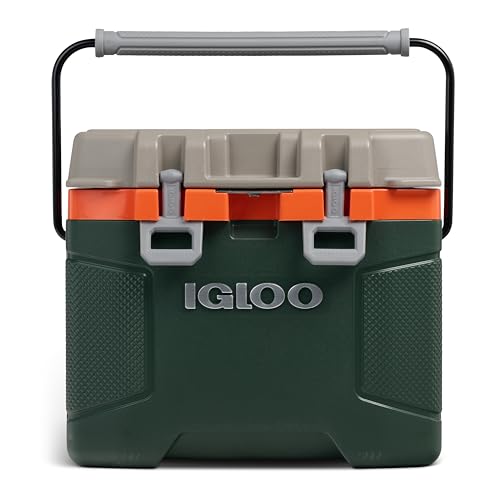


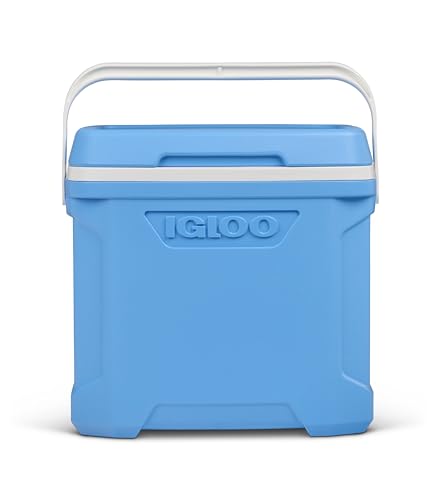


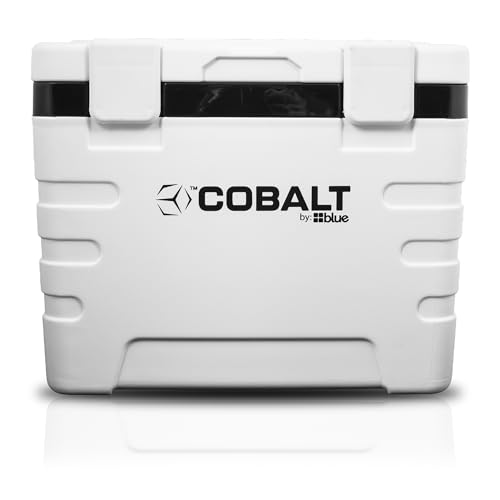


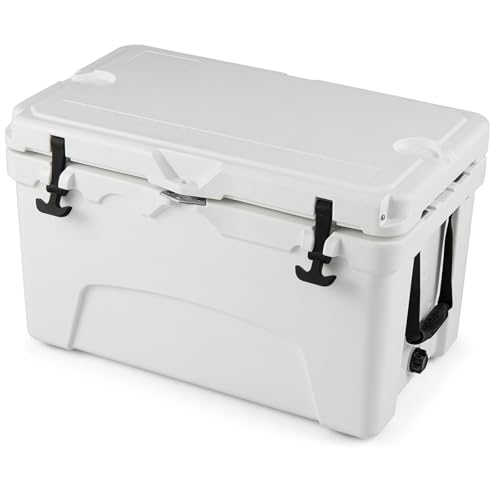


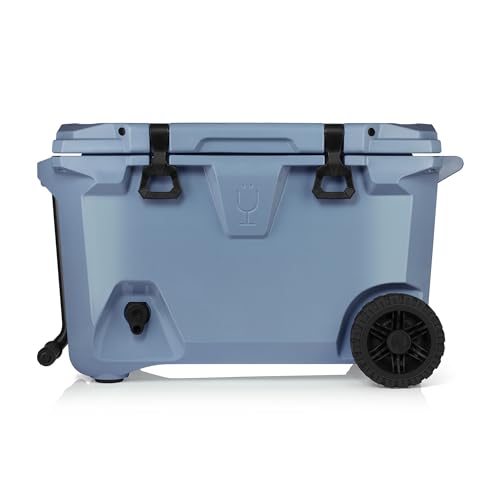


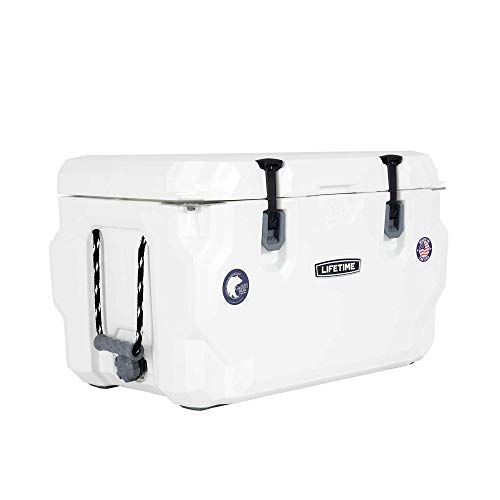


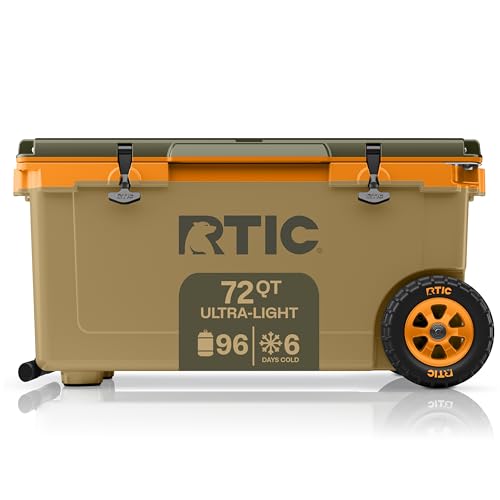


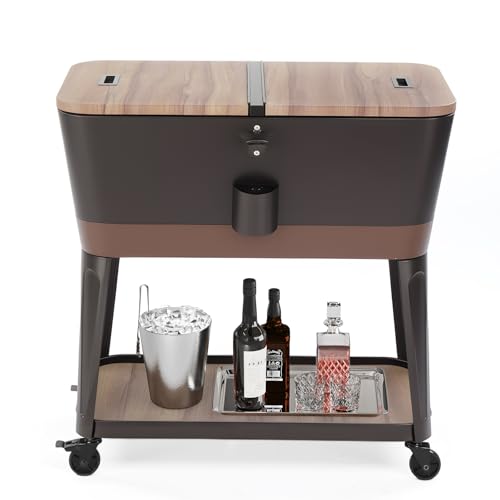


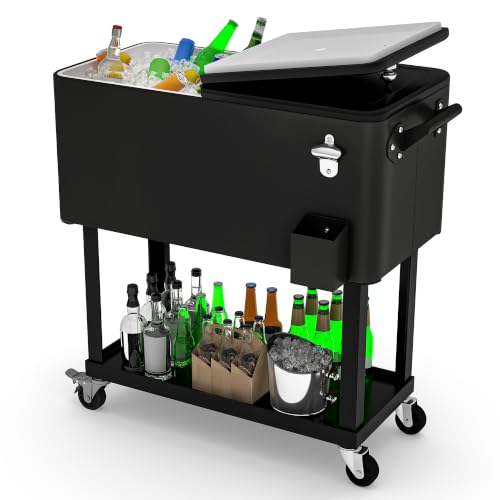


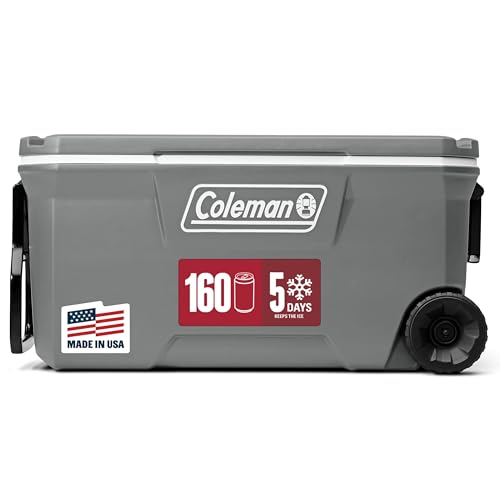


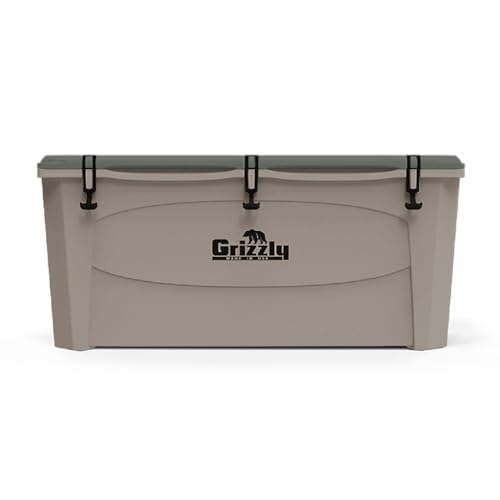


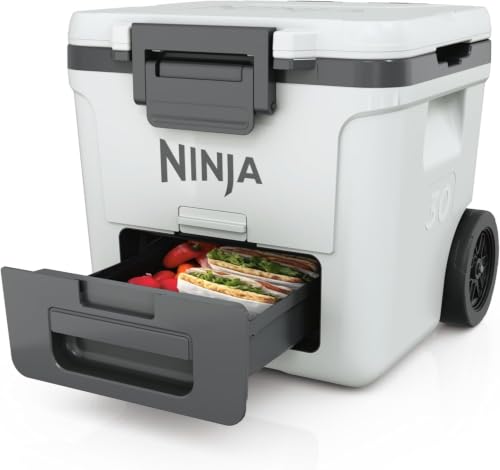
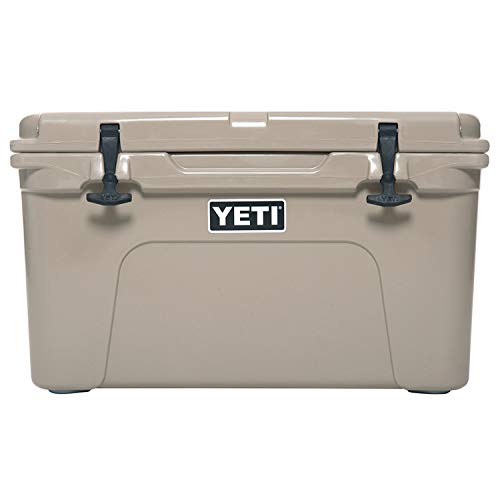

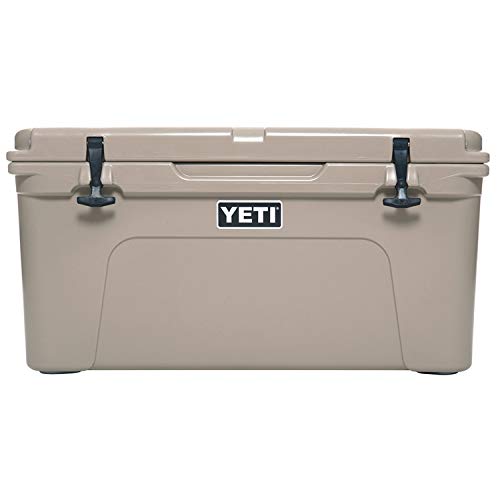


What’s in this listEvery hard-sided cooler we track on Amazon US, from small to large. Soft and electric coolers have their own pages. “—” means neither the maker nor the Amazon listing states it.
What makes a cooler a hard cooler
A hard cooler is an insulated box with a rigid shell, a lid that seals on a gasket, and nothing inside that makes cold. Ice or frozen packs do the cooling. The cooler's whole job is to slow down how fast heat gets in.
That puts it between two neighbors. A soft cooler is a cooler bag: lighter, foldable, shorter on ice. An electric cooler plugs into the truck and runs its own cooling, so it needs power instead of ice. If you hunt from a cabin with a grocery run every few days, or you need something that lives in the truck bed all November, the hard cooler is the default camping cooler.
The table on this page lists every hard-sided cooler we track, from lunch-box size to the big chests. It shows capacity, construction, the maker's ice retention claim, latches, drain plug and the other specs as each maker or the Amazon listing states them; values read from the listing are marked. A blank means neither says, not that we guessed.
How to pick a cooler, spec by spec
Here's the order I'd read the table in. Size first, because the wrong size ruins every other number on the row.
Pick capacity in quarts, then subtract the ice
Capacity is in quarts, and a quart is a quarter of a gallon. Igloo's size guide gives the example that a 24-quart cooler is roughly 6 gallons of space. It also warns that six 1-gallon jugs may not fit, because packaging and odd shapes eat room.
Igloo sorts its hard coolers into four bands:
- Small: up to 20 quarts, lunch and a few drinks
- Medium: 21 to 50 quarts, a weekend outdoors
- Large: 51 to 100 quarts, a long weekend with family
- X-large: 101 quarts and up, longer trips and big gatherings
Now the ice math. Engel's guidance is about two-thirds ice and one-third food and drinks. So a 60-quart cooler packed for a long weekend holds roughly 20 quarts of actual groceries. If that sounds small, it's because it is. (Ask me how I know.)
Can counts are the other size number you'll see, based on the 12-ounce can. Makers don't agree on whether that count includes ice, so compare quarts across brands and treat cans as a rough hint. The cooler size guide walks through sizing by people and days.
Know what the construction line is telling you
The table's construction column says how the shell was made, when the maker states it. There are four common answers:
- Rotomolded: one hollow piece. Grizzly describes the process as powdered resin in a mold that turns on two axes in an oven, which gives walls with no seams, even thickness with extra material in the corners.
- Injection-molded: shells formed under pressure and joined. One maker sells its injection-molded line as the lighter option next to its rotomolded one.
- Blow-molded: the common shell on everyday coolers, lighter than a rotomolded box.
- Steel or other hard shells: a metal skin over insulation, the classic look.
Rotomolded coolers usually claim the longest ice and weigh the most. They have their own page: rotomolded coolers. We only list a cooler as rotomolded when the maker says so, never because of the price or the look.
Read the ice retention claim as a lab number
My one opinion on this page: ice retention claims are measured in ideal conditions, and pre-chilling your cooler does more than the name on the lid. Here's the checkable reason.
Igloo publishes its method. The cooler is filled to 90% with ice chilled to 10°F, the lid stays closed the whole time, and it sits in an oven held at 90°F and 70% humidity. The clock stops when the inside reaches 40°F. Igloo also notes that some companies cycle the oven temperature up and down to imitate cooler nights, which stretches their numbers.
Your cooler at camp starts warm, gets opened twenty times, and sits on a tailgate. Engel's own retention table assumes a pre-chilled cooler, roughly 2:1 ice to stuff, shade and few openings. So the claimed days are a ceiling. Use the column to compare coolers, not to plan meals.
Insulation thickness and the gasket do the real work
The insulation column says what's between the walls, usually a foam. One maker credits its rotomolded line's retention to 2 inches of insulation in the lid, sides and bottom plus a silicone gasket. That gives you two things to look for in a listing: wall thickness and a real seal around the lid.
A gasket only works when it's compressed evenly. Engel warns against forcing the lid down on an overpacked cooler, because a bulging seal lets warm air in. If the lid won't close without a knee on it, take something out.
Latches keep the lid sealed, not just shut
The latches column comes in a few styles: rubber T-latches you stretch over a catch, push-button lids, and cam or lever latches. Rubber latches pull the lid down onto the gasket. A push-button lid is quicker with one hand and seals more lightly.
Some lids add a locking plate or padlock holes. That matters in bear country, which I'll get to below.
A drain plug is non-negotiable for a camp cooler
The table marks whether the maker or the listing lists a drain plug. Look for a threaded plug on a tether. Some plugs take a garden hose fitting, which makes cleanup a lot easier.
My first year in charge of camp food, back in '09, I put the ice on top of Walt's venison chili containers. The lids weren't tight. Saturday breakfast was what Walt still calls chili-ice soup. The drain plug is how we got it out of the cooler, and the logbook entry is how I'll never live it down.
The lesson isn't really about the plug. It's packing order and sealed containers. Penn State Extension and Mississippi State both say raw meat goes at the bottom in sealed containers or zip-top bags, so nothing drips onto other food.
Wheels, weight and the truck bed
Weight is the column people skip and regret. The table shows the weight each maker lists, empty, before ice. One maker's 60-quart injection-molded cooler is listed at 21.5 lb before a single can goes in.
The wheels column tells you which ones roll. If you'll pull it across a parking lot or a beach, wheels earn their spot; the cooler with wheels page covers handles and wheel sizes. Exterior size is the other half of fit. Measure the truck bed, the back seat or the spot by the cabin door before you fall for a big number.
Interior dimensions decide what stands up
Interior length, width and height tell you what fits upright. Quarts don't tell you if a wine bottle, a 2-liter or a stack of venison packages stands up under the lid. The interior numbers do. If neither the maker nor the listing states them, you get a dash in the table.
Hard coolers by size and job
Every sub-type below is a hard cooler with one spec pushed to the front. Each has its own page.
- Small cooler: 30 quarts or less. Lunch in the blind, the drink cooler, the truck cab.
- 50-quart cooler: the middle of the range, where most weekend camp coolers land.
- Large cooler: 70 quarts and up, as the maker states it. Group trips and the meat cooler.
- Cooler with wheels: for long pulls on flat ground.
- Rotomolded cooler: the one-piece shell, for long trips and rough handling.
- Marine cooler: built for boats and sun.
- Floating cooler: when the maker says it floats.
At Hemlock Run the setup is two coolers: a big one for food that stays shut, and a small one for drinks that everybody opens. The FDA suggests exactly that split, so warm air from the drink cooler never reaches the perishables. Walt thinks two coolers is overpacking. Walt also drinks from the food cooler.
Packing a cooler for deer camp
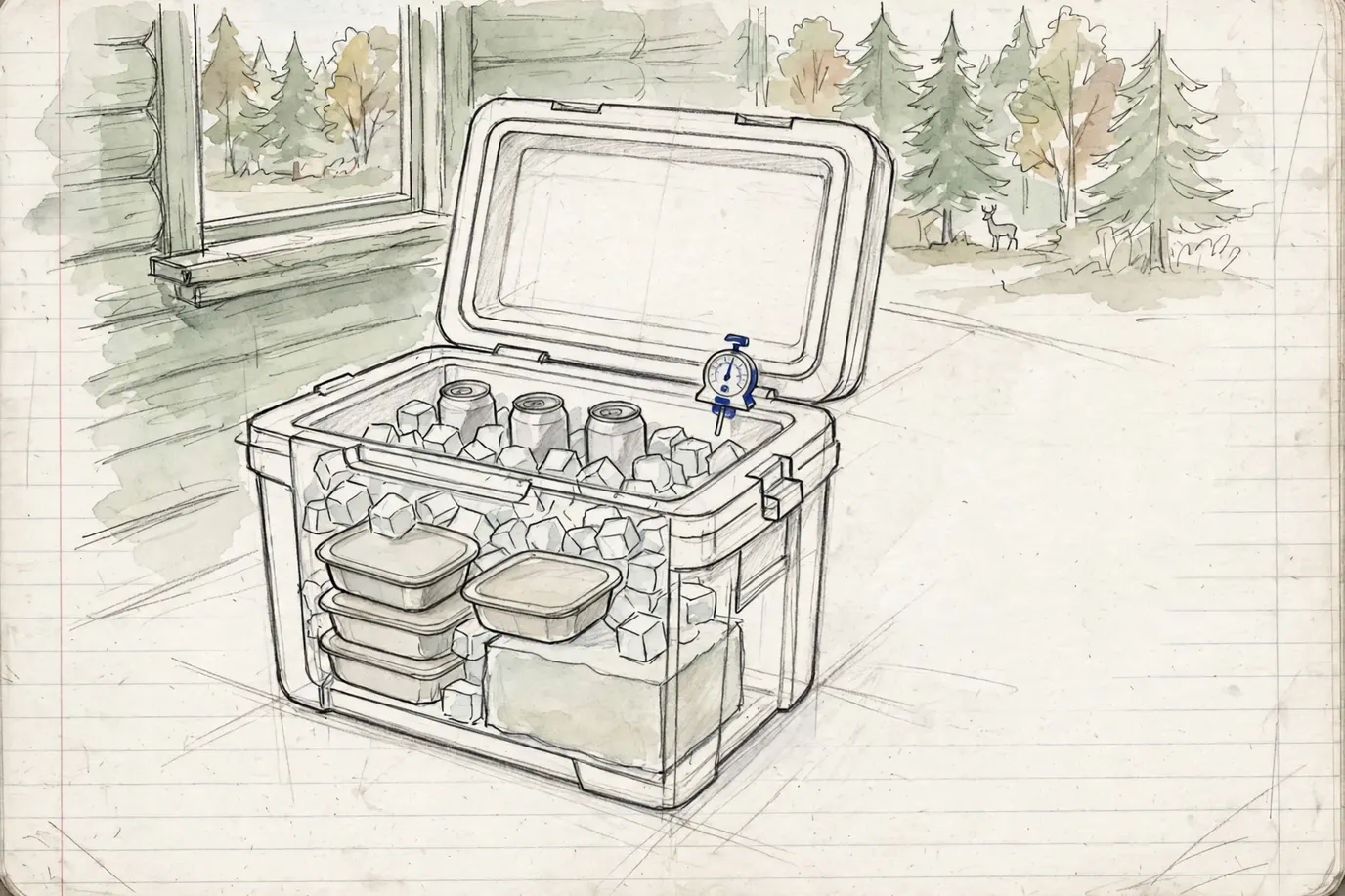
A packed cooler should run at 40°F or below. That's the FDA's line for cold food, and Mississippi State suggests an appliance thermometer to check it. UMaine says put it in the warmest spot, usually near the top under the lid.
The packing steps the makers and the extension services agree on:
- Pre-chill the cooler. CORE suggests a sacrificial bag of ice about 30 minutes before you pack, then dump the melt.
- Block ice on the bottom. Grizzly says block melts slower than cubes; cubes chill fast and fill gaps.
- Pack meat frozen, sealed and low. The FDA notes frozen meat stays colder longer.
- Fill the empty space. Air warms fast, so UMaine and Mississippi State say fill gaps with ice or packs.
- Keep it in the shade with the lid shut. Grizzly says ice melts twice as fast in direct sun.
The how to pack a cooler guide goes step by step.
Bringing venison home in a cooler
Penn State Extension's advice is plain. Cool the carcass to 35 to 40°F as fast as you can. When it's above 41°F outside, bring coolers packed with bags or blocks of ice, and keep the carcass out of the sun with air moving around it.
For a cooler, that means quarters or boned meat in bags, ice around them, and the cooler in the shade. Penn State warns that wrapping a whole carcass in plastic or a tarp traps heat. Deer seasons and carcass transport rules vary by state, so check your state wildlife agency before you haul.
Cooler care and bear country
Clean it after every trip. UMaine Extension says wash with soap and warm water, sanitize with a bleach solution, and store it dry, clean and out of direct sun. The cleaning guide has the details.
In grizzly country, a cooler without a lock is a lunch counter that's open for business. The Interagency Grizzly Bear Committee certifies coolers through live bear tests or a technical review, and it says a cooler that isn't locked is not considered bear resistant. Check the certification number against the IGBC list rather than trusting a sticker, and ask the land agency what storage it requires.
Who should skip a hard cooler
If you only need lunch and two drinks for a sit, a soft cooler bag weighs less and folds flat in the truck. If you're out a week with no ice run, an electric cooler on truck power may beat hauling ice. And if you walk a mile into your stand, no hard cooler should make that trip.
For everyone else, start with the right quarts, check the drain plug and the latches, and pre-chill the night before. Then put the lid on tight. Trust me on the lid.
Brands in this list
Related
Questions people ask
Soft cooler vs hard cooler: which keeps ice longer?
Within one maker's lineup, the hard cooler usually wins. One maker lists its rotomolded hard coolers at up to 10 days, its injection-molded line at up to 7 and its soft coolers at 3 to 4, all maker claims. Soft coolers weigh less and fold for storage. Hard coolers handle a truck bed and a long weekend better.
What does the ice retention number on a cooler mean?
It's the maker's lab result, not a promise for your trip. Igloo, for example, fills the cooler to 90% with 10°F ice, keeps the lid shut in a 90°F oven and stops the clock when the inside reaches 40°F. Other makers may cycle the oven temperature, so numbers from different brands aren't measured the same way.
What size cooler do I need for a weekend at camp?
Igloo's size guide points medium coolers, 21 to 50 quarts, at a weekend outdoors, and large ones, 51 to 100 quarts, at a long weekend with family. Remember that ice takes space too: a full cooler at a two-to-one ice ratio leaves only a third of the box for food and drinks.
Is an ice chest the same thing as a hard cooler?
Yes. Ice chest is the older name for the same box: an insulated hard shell with a lid, cooled by ice or frozen packs. Electric coolers and 12V fridges are a separate group because they make their own cold, and soft-sided cooler bags are a third group.
Should I drain the water from my cooler?
Usually not during the trip. Engel and CORE both say meltwater is nearly as cold as ice and helps the remaining ice last, so drain only when you refill or pack up. Keep food in sealed containers so it never sits in that water.
Sources
- Igloo: How we test (ice retention testing) — accessed 2026-10-22
- Igloo: Cooler sizes, comparison and chart — accessed 2026-10-22
- Igloo: Hard coolers and ice chests — accessed 2026-10-22
- Igloo: Trailmate 52 Qt Roller Cooler (product page) — accessed 2026-10-22
- Engel: Keep ice longer — accessed 2026-10-22
- Engel: 60 Qt UltraLite injection-molded cooler (product page) — accessed 2026-10-22
- Grizzly Coolers: What is a rotomolded cooler — accessed 2026-10-22
- Grizzly Coolers: What is rotomolding? — accessed 2026-10-22
- Grizzly Coolers: Best type of ice for coolers — accessed 2026-10-22
- CORE Equipment: Ways to extend cooler ice life — accessed 2026-10-22
- Bison Coolers: Choosing a hard or soft sided cooler — accessed 2026-10-22
- U.S. Food and Drug Administration: Handling food safely while eating outdoors — accessed 2026-10-22
- University of Maine Cooperative Extension: Tips for cooler food safety — accessed 2026-10-22
- Mississippi State University Extension: How to keep food safe in a cooler — accessed 2026-10-22
- Penn State Extension: Safe handling of venison is easy with advance planning — accessed 2026-10-22
- Penn State Extension: Proper care and handling of venison from field to table — accessed 2026-10-22
- Interagency Grizzly Bear Committee: Bear-resistant products — accessed 2026-10-22