Camp Gear · Gear type
Cooler Bags and Soft Coolers
A cooler bag is a soft-sided cooler: a fabric shell, a foam wall and a liner instead of a plastic box. It weighs less, folds away and rides on a shoulder, and it gives up cold-holding time to do it. Pick one by foam and closure first, then capacity and carry style. Renee says it's the only one of my coolers that fits through a door without a discussion.
We earn a commission if you buy through our links, at no cost to you. Disclosure


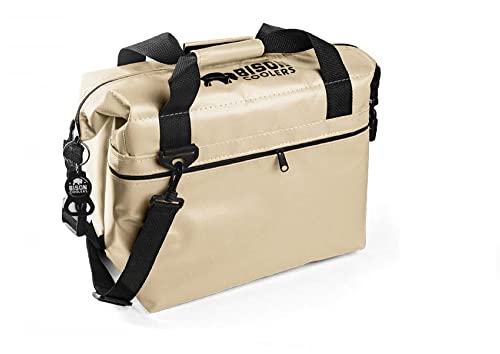


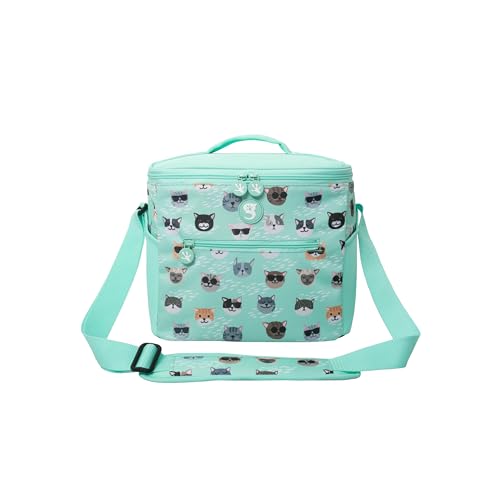


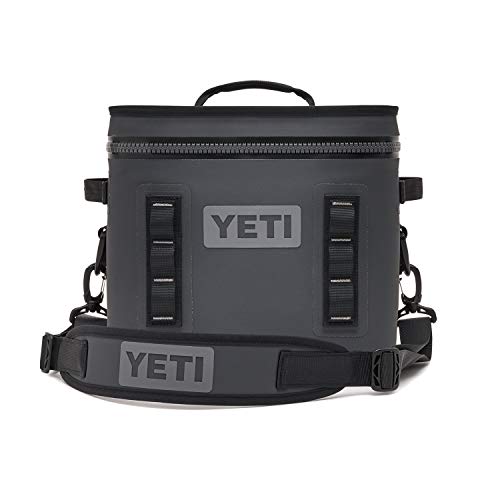


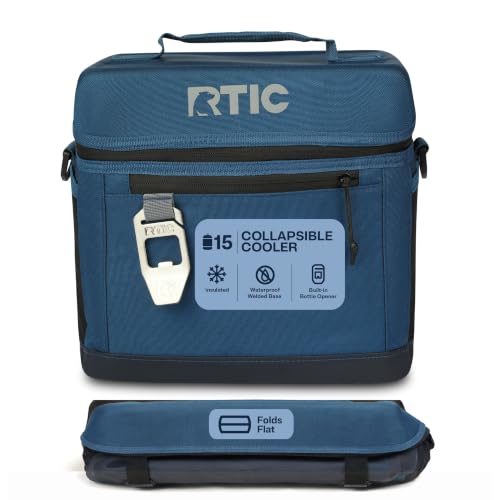


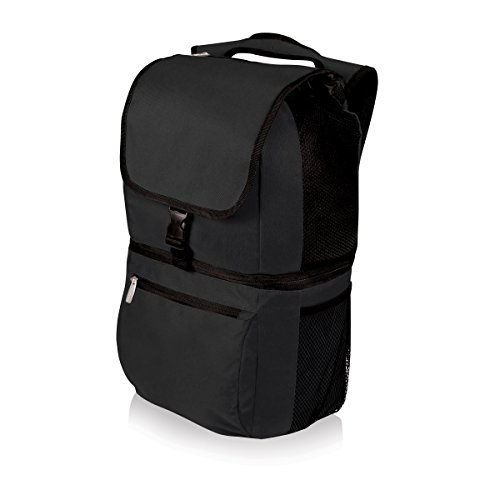


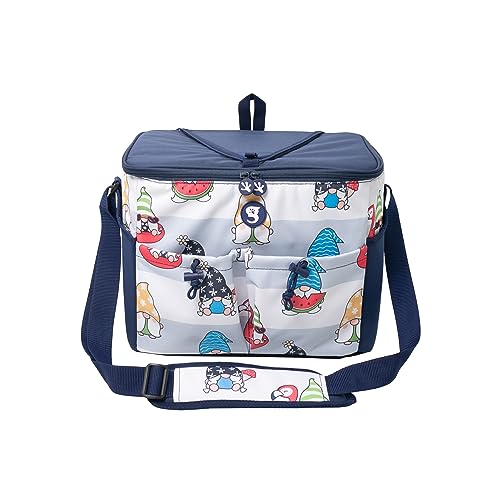


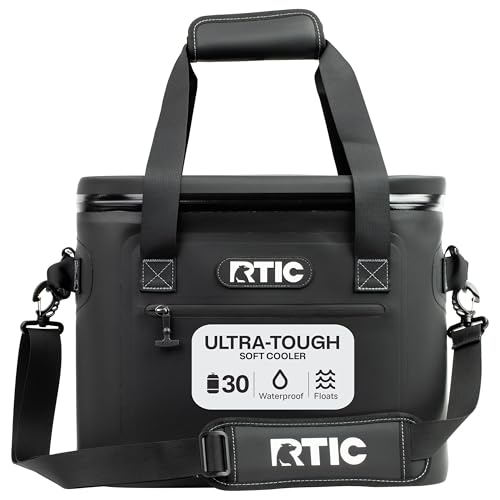


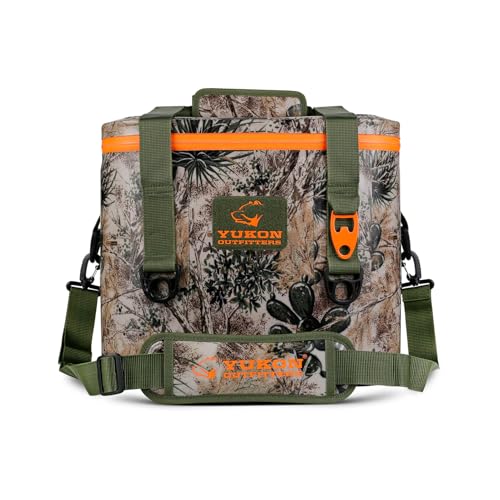


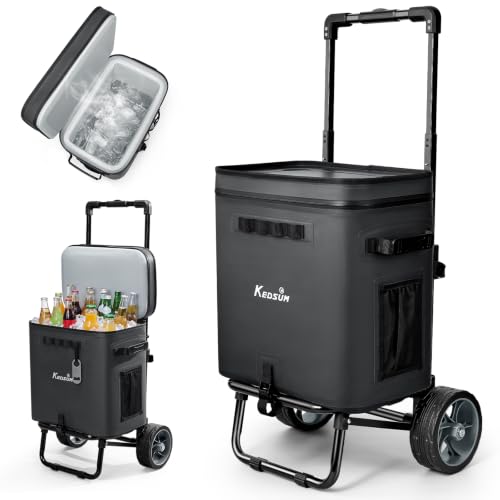
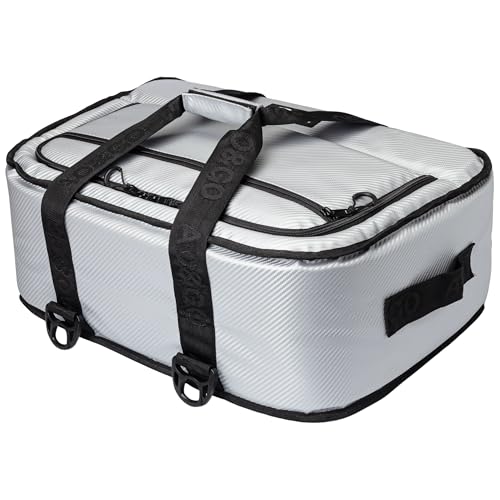


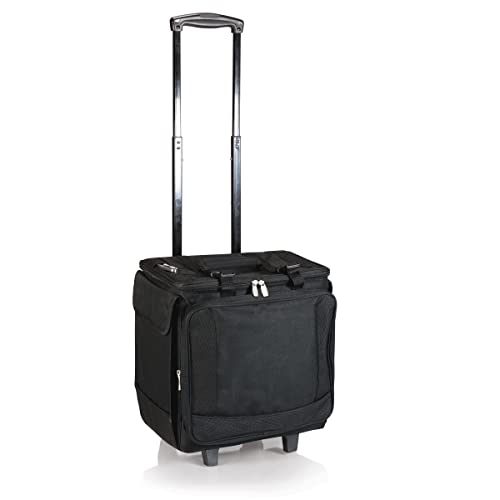


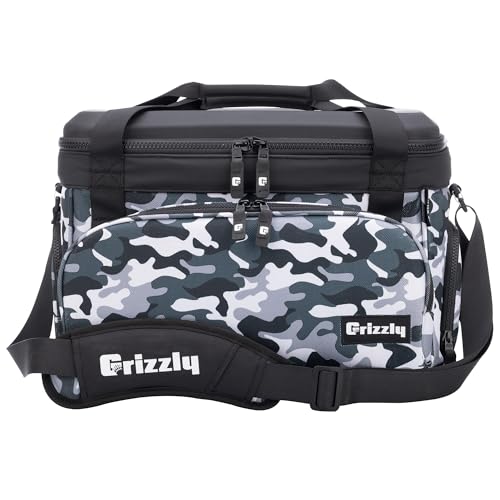


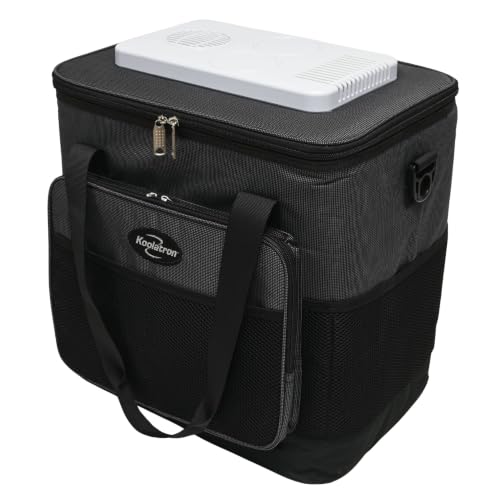


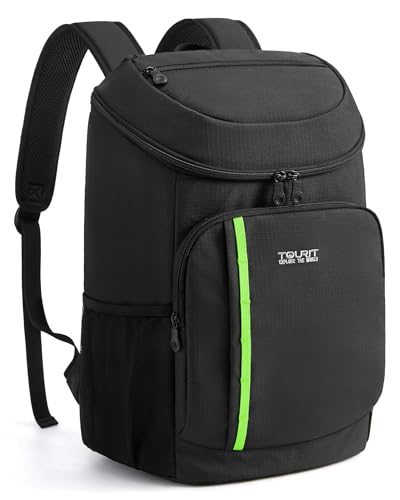


What’s in this listEvery soft cooler and cooler bag we track on Amazon US, by can capacity. “—” means neither the maker nor the Amazon listing states it.
What makes a cooler bag its own thing
A cooler bag, or soft cooler, swaps the hard plastic box for fabric, foam and a liner. Engel describes soft-sided coolers as fabric and vinyl, much lighter than a molded hard cooler, with most of the weight coming from what you pack. Empty, it folds, stuffs or squashes into a closet shelf. A hard cooler of the same size takes up the same space full or empty.
The trade is cold time. Bison's guide says that within one brand, hard coolers keep things cold longer, and it points hard coolers at hunting, road trips and long weekends. Soft coolers get the day: the office lunch, the fishing trip, the afternoon at a field edge. The rest of the cooler family, hard and powered, is on the coolers page.
Here's how I'd split it at Hemlock Run. The hard coolers hold the weekend. The soft one goes out the door each morning with lunch and drinks, and comes back empty. If it had feelings, it would think it was the important one. (So would I. Ask Walt how that's going.)
The table under this text lists every soft cooler and cooler bag we track, sorted by how many cans it holds. It shows capacity in quarts, can count, weight, closure, carry style, leak and water claims and the maker's ice claim. The maker's numbers come first and the Amazon listing fills gaps where it states a value (marked as a listing value). A dash means neither states it, and it is not a guess.
What to look at when you pick a soft cooler
Foam type and thickness decide how long it stays cold
This is the spec most listings bury, and it matters most. A trade magazine on foam insulation explains the physics plainly. Open-cell foam has gas bubbles that touch, so heat moves through it more easily. Closed-cell foam keeps each bubble sealed, so it insulates better. The same article says open-cell foam is what goes into soft lunch totes and the like.
Thickness counts as much as type. That article says a cooler's performance depends on the thickness of its foam, and that some cheaper coolers skip insulation in the lid. Makers who use the good stuff tend to say so. One maker's 22-quart soft tote lists 1 inch of closed-cell foam.
So read the description for two things: "closed-cell" and a thickness. A listing that says "insulated" and nothing else is telling you something too.
Closure: zipper, waterproof zipper, roll-top or open top
The table's closure column sorts soft coolers by how the top shuts. Each one trades speed for seal.
- Standard zipper: quick and easy, but not a water seal
- Waterproof zipper: a stiff welded zipper that seals air and water; one maker says its version needs lubrication to work right
- Roll-top: fold it down and buckle it; one maker calls its roll-top watertight and notes the rolled top isn't insulated like the sides
- Magnetic, snap or hook-and-loop flaps: fast to open and close, built for grabbing a drink, not for sealing a lake out
- Open tote or bungee top: easiest of all to reach into, least able to hold cold in
The FDA's advice for outdoor food is to limit how often the cooler is opened. A fast closure tempts you to open it more. A tight one makes every opening a small decision. Pick the one that fits how often the lid will move. A drinks bag opens all day. A lunch bag opens once.
Leakproof claims come down to seams and liner
The leakproof column shows what the maker claims. Here's what's behind a good claim.
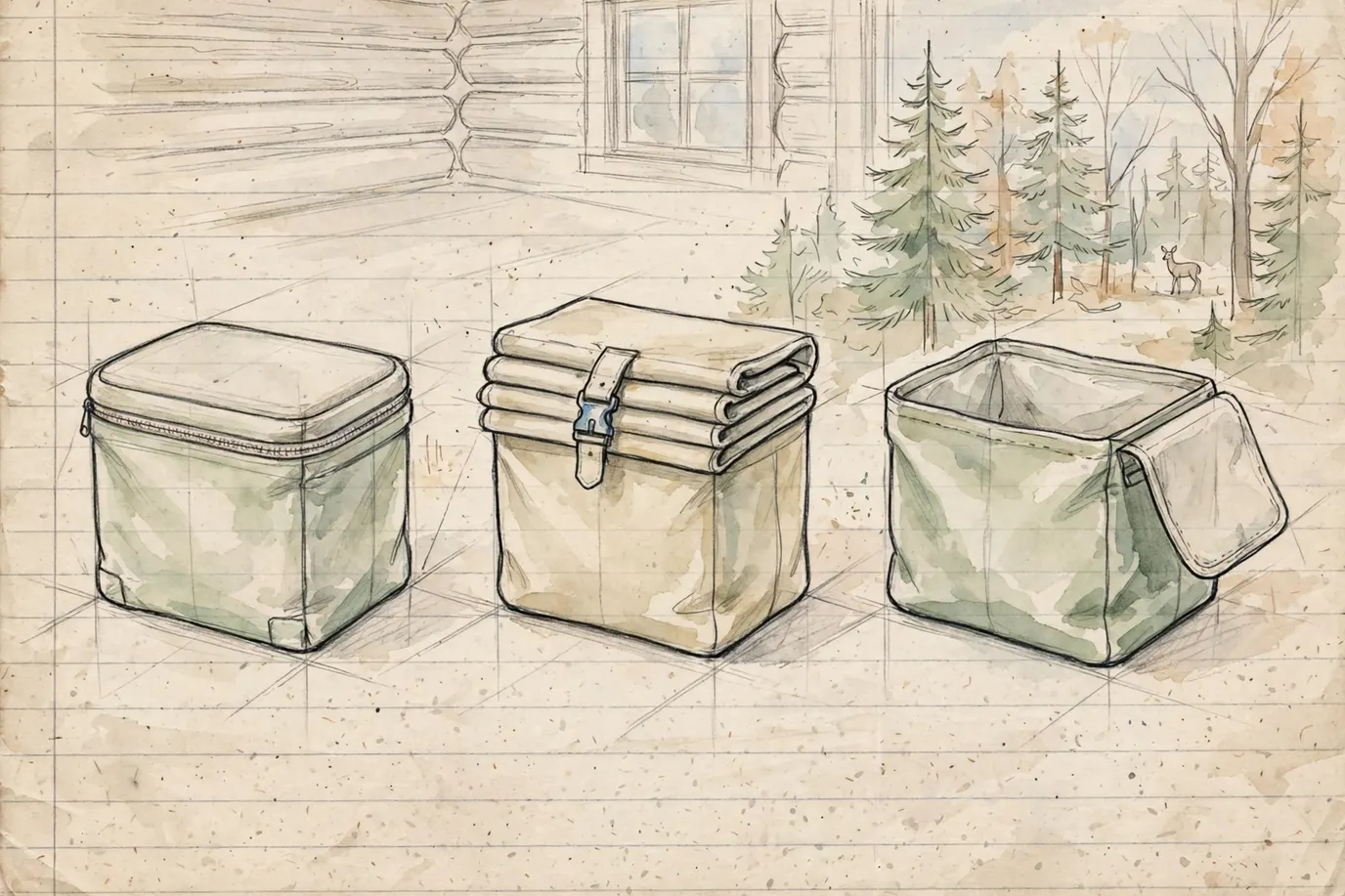
Water gets out of soft coolers at seams and closures. Engel says its soft tote is welded rather than sewn throughout, and credits that with keeping air and water from leaking. Every stitch is a tiny hole for meltwater to find; a weld is fused shut. The liner matters too: it's the waterproof bucket inside the foam, and if it tears, the foam behind it gets wet and stops insulating well.
Real talk: a leak test in the store is you, a bag and a hope. A leak test in your truck is the back seat. If the maker doesn't claim leakproof, carry the bag upright and use ice packs.
Capacity in quarts: check it against the inside
Capacity is the number the table uses for size. A quart is a quarter gallon; NIST defines the US liquid quart as exactly 57.75 cubic inches. That makes a listed capacity easy to check.
Here's a check I run on every listing. One maker sells a 22-quart soft tote and prints the inside as 15 x 8.5 x 10 inches. Multiply those and you get 1,275 cubic inches; divided by 57.75, that's about 22 quarts. Honest. The same tote is 19 x 10.5 x 15 outside, so a soft cooler's walls still cost you real space. Where the table lists only exterior dimensions, assume the inside is noticeably smaller.
Can count is a picture, not a measurement
Bison's guide says soft coolers are usually measured by how many cans they hold, and the table sorts by can count for that reason. It's a handy picture. It isn't a spec. One maker's 22-quart soft tote lists 40 12-oz cans on its product page and doesn't say how much ice is in there with them. Engel's ice tips call for about two-thirds ice and one-third contents for the longest hold. Do the cans and the ice both fit? The page doesn't say, and the quart number is the one to trust.
Ice claims: compare them, don't plan on them
When a maker gives an ice claim, the table shows it in hours. Two makers, two tests: Bison rates its soft coolers at up to 24 hours in heat up to 120°F. Engel rates welded, closed-cell foam soft coolers at 3 to 4 days, assuming a pre-chilled cooler, about 2 parts ice to 1 part contents, shade and few openings. Those don't compare to each other, and neither one was measured in your truck. Use the claim to rank bags from one maker, and plan your food around one day.
Carry style and weight decide where it goes
The carry style column shows tote, sling, flip-top box or backpack. Tote handles suit a short walk from the truck. A sling or single shoulder strap frees your hands for a short walk with a rod or a chair. A flip-top box keeps its shape and opens like a small hard cooler.
If the walk is long, or the load is heavy, wear it on both shoulders. That's the backpack cooler, which gets its own page because straps change everything about how you choose one.
Empty weight is in the table. One maker's 22-quart tote lists 4.5 pounds empty. Full, add your food, your drinks and the ice, and the ice is the heavy part.
Water resistance and shell fabric for rough days
The water-resistance column shows what the maker claims about the outside: waterproof, water-resistant or water-repellent. That's about rain and spray on the shell, not leaks from the inside. Makers often list the shell by denier, a fabric weight rating where higher is heavier fabric; one lists an 840-denier shell with a TPU film laminated on for abrasion and puncture resistance. If it's going to ride on a boat deck or in a truck bed with tools, read that line.
Soft cooler types and when each one fits
Lunch-size cooler bags
One person, one day. A small tote or sling with a zipper and a couple of ice packs. My opinion on this page lives here: a soft cooler is a day cooler, so pack it for one day. The FDA says cold food belongs at 40°F or below, and perishables shouldn't sit out more than 2 hours, or 1 hour above 90°F. A soft cooler with ice packs keeps that promise for a day trip. Asking it to carry Saturday's supper from Friday morning is asking a lunchbox to be a fridge.
Drinks bags for the field edge or the beach
A drinks bag gets opened all day, so a fast closure and a big opening are worth more than a perfect seal. The FDA suggests drinks in one cooler and perishable food in another, so the food cooler stays shut. That's the best job a soft cooler does at deer camp: it takes the traffic so the food cooler doesn't.
Heavy-duty soft coolers with welded seams
Closed-cell foam, welded seams, a waterproof zipper or roll-top. These close the gap with hard coolers by a lot, and they're stiffer and heavier than a basic tote. Good for a long day on the water or a hot tailgate. One maker's Q&A answers whether its soft coolers can take dry ice with a plain no, so even the tough ones aren't freezer substitutes.
Collapsible coolers for small spaces
A collapsible cooler folds flat when empty. Engel's article puts that front and center: a soft cooler can be folded, stuffed or squashed into a space without damage. If your garage is full (mine is, Renee would like that noted), that's the reason to buy one. If cold time is the reason, buy foam, not folds.
Packing a cooler bag right
- Cool the bag down the night before; a warm cooler spends your good ice getting cold, per Engel's tips.
- Load things that are already cold. Frozen meat and poultry go in frozen, which the FDA says keeps them colder longer.
- Ice packs on the bottom and along the sides, food in the middle, drinks on top.
- Bag or wrap anything raw so the juices can't reach the liner or the sandwiches.
- Stuff the empty corners with a towel; dead air is warm air.
- Park it in the shade. Engel says shade can double ice life, and a light towel over the top helps.
More on loading any cooler is in the cooler packing guide.
Who should skip a soft cooler
Skip it if your trip is longer than a day and there's no ice machine on the way. Skip it for the deer you hope to bring home, and for the weekend's meat. A small hard cooler or a full-size one is the right box for that. Bison's own guide says so about its own soft coolers, which is about as honest as a cooler maker gets.
And if you never carry the cooler further than the tailgate and you have room in the garage, a hard cooler does everything a soft one does except fold.
Care that keeps a soft cooler fresh
Empty it as soon as you're home, wipe and rinse the liner, and let it dry open before it gets folded. Fold one up wet in October and you'll open a smell in April that nobody at camp will claim. Follow the maker's lubrication instructions for a waterproof zipper; one maker says its welded zipper needs it. Rinse salt water off the shell, zipper and buckles after a beach day. Cleaning steps for every cooler are in the cooler cleaning guide.
Pack it for today, dry it tonight, and let the hard coolers worry about Sunday.
Brands in this list
Related
Questions people ask
Is a soft cooler as good as a hard cooler?
For holding ice over several days, no. One soft-cooler maker's own guide says hard coolers in the same brand keep things cold longer, and it points hard coolers at hunting and long trips. A soft cooler wins on weight, carrying and storage. For a day trip, a lunch at the stand or a drinks cooler, it's often the better tool.
How long does a soft sided cooler keep ice?
Maker claims run from about a day to a few days. One maker rates its soft coolers at up to 24 hours in heat up to 120°F. Another rates welded, closed-cell foam soft coolers at 3 to 4 days, assuming a pre-chilled cooler, about 2 parts ice to 1 part contents, shade and few openings. Treat the claim as a best case.
What is a collapsible cooler?
It's a soft cooler that folds or rolls flat when it's empty. Engel's soft-versus-hard article says a soft-sided cooler can be folded, stuffed or squashed into just about any space without damage. That's the storage advantage. The trade is a thinner, flexible wall that usually holds cold for less time than a rigid one.
Can I put loose ice in a cooler bag?
Only if the maker says the bag is leakproof or waterproof. Loose ice melts into water, and water finds sewn seams and standard zippers. Bags with welded seams and a waterproof zipper or roll-top are built to hold it. For a bag with a standard zipper, frozen ice packs are the safer choice, and they keep the inside drier.
How do I clean a soft cooler?
Empty it after every trip, wipe and rinse the liner, and let it air-dry fully with the lid or zipper open before you fold it away. Wrap raw meat well while it's in there, as the FDA advises, so its juices stay off the liner. If the bag has a waterproof zipper, follow the maker's lubrication instructions.
Sources
- Engel: Soft-sided coolers vs hard-sided coolers — accessed 2026-10-22
- Engel: Hard vs soft-sided cooler, which is right for you — accessed 2026-10-22
- Engel: HD20 heavy-duty soft-sided cooler bag (product page) — accessed 2026-10-22
- Engel: Roll-top high performance backpack cooler (product page) — accessed 2026-10-22
- Engel: Maximize ice retention, tips for your cooler — accessed 2026-10-22
- Bison Coolers: How to choose between a soft-sided cooler and a hard-sided cooler — accessed 2026-10-22
- Spray Foam Magazine: What makes a good cooler (according to physics) — accessed 2026-10-22
- U.S. Food and Drug Administration: Handling food safely while eating outdoors — accessed 2026-10-22
- NIST Handbook 44 (2026), Appendix C: General tables of units of measurement — accessed 2026-10-22