Brand · Camp Gear
Northwest Territory Tents and Canopies
Northwest Territory products aren’t currently available on Amazon US.
Northwest Territory tents aren't listed on Amazon US, so the grid on this page shows tents and canopies from other brands instead. In this site's brand data, the Northwest Territory name sits on family camping tents and canopies, and people still search for its cabin, instant and 10-person models. There are no maker spec pages to check models against, so this page sticks to what any tent like that needs: size, setup, staking and care. (A tent doesn't read its own label. Neither does the wind.)
We earn a commission if you buy through our links, at no cost to you. Disclosure
Alternatives to Northwest Territory
- Tent · Geertop
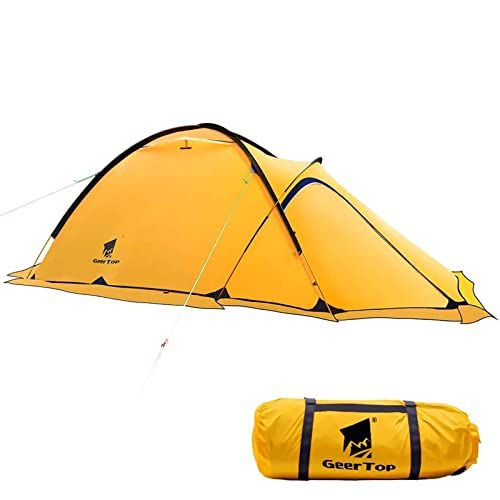
Geertop 4-6 Person Inflatable Tent With Stove Jack
- Weight
- 33 lb
- Center height
- 78.7 in
- Sleeps
- 4 persons
- Tent · Geertop
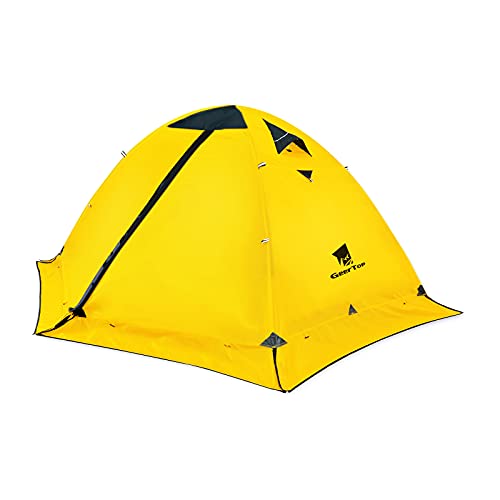
Geertop Toproad2
- Weight
- 6.9 lb
- Sleeps
- 2 persons
- Tent · Geertop
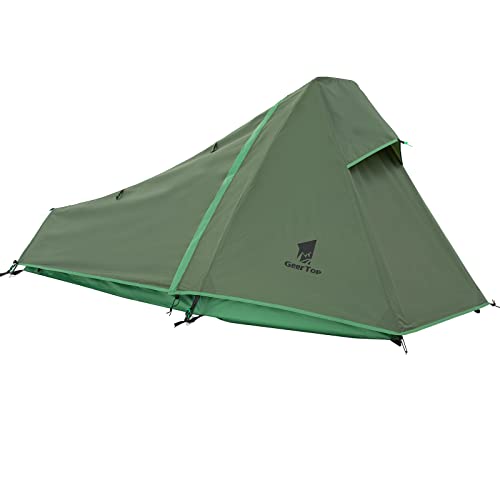
Geertop Blazer
- Weight
- 2.7 lb
- Center height
- 36 in
- Sleeps
- 1 persons
- Tent · Geertop
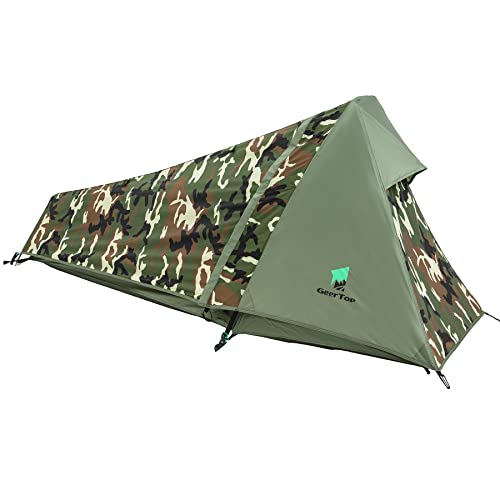
Geertop BivyII
- Weight
- 2.9 lb
- Center height
- 24 in
- Sleeps
- 1 persons
- Tent · Ayamaya
Ayamaya San Gabriel 4S
- Weight
- 5.7 lb
- Center height
- 49 in
- Sleeps
- 2 persons
- Tent · Geertop
Geertop Blazer
- Weight
- 2.7 lb
- Center height
- 36 in
- Sleeps
- 1 persons
- Tent · Geertop
Geertop Toproad2
- Weight
- 6.9 lb
- Sleeps
- 2 persons
- Tent · Geertop
Geertop Blazer
- Weight
- 2.7 lb
- Center height
- 36 in
- Sleeps
- 1 persons
- Tent · Ayamaya
Ayamaya San Gabriel 4S
- Weight
- 5.7 lb
- Center height
- 49 in
- Sleeps
- 2 persons
- Tent · Geertop
Geertop BivyII
- Weight
- 2.9 lb
- Center height
- 24 in
- Sleeps
- 1 persons
- Tent · Geertop
Geertop Navigator
- Center height
- 39.4 in
- Sleeps
- 2 persons
- Tent · Core
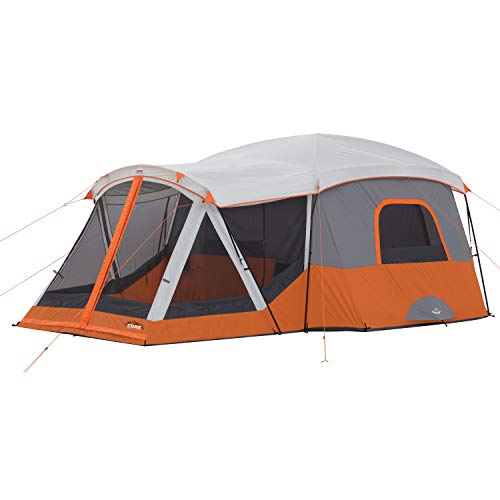
Core 11 Person Cabin Tent with Screen Room
- Center height
- 86 in
- Sleeps
- 11 persons
- Floor length
- 17 ft
- Canopy · Impact
Impact 040000003 Slant Leg Canopy 10x10
- Frame
- Steel
- Size
- 10x10
- Shade area
- 62 sq ft
- Canopy · Impact
Impact 040000001 Slant Leg Canopy 10x10
- Frame
- Steel
- Size
- 10x10
- Shade area
- 62 sq ft
- Canopy · Impact
Impact 283010001 Slant Leg Canopy
- Frame
- Steel
- Size
- 10x10
- Shade area
- 62 sq ft







How alternatives are pickedSame type of gear from other brands, closest first: same price tier as Northwest Territory’s own listings at our last check, then the most maker-published specs. No popularity, no paid placement.
Northwest Territory on Amazon
Northwest Territory tents and canopies aren't listed on Amazon US. Search "northwest territory tent," "northwest territory canopy" or the plain brand name and you get books about the historical Northwest Territory and nothing to sleep in. I won't guess why.
So the grid on this page is "Alternatives to Northwest Territory": tents and canopies from other brands, chosen by matching type. They're sorted by how many specs their makers publish, closest first. Nobody paid for a spot.
Here's the thing about that grid. It matches by type, not by size. So it can put a one-person backpacking tent next to a 10-by-10 canopy, which is a little like a hardware store shelving a pocket screwdriver next to a wheelbarrow. Both are tools. If you came here for a family cabin tent, skip to the sections below, and use the type pages linked there, because those sort by sleeps, height and floor size.
What Northwest Territory makes
In this site's brand data, the Northwest Territory name covers two types of gear: camping tents and canopies. That's as far as I can go on the brand itself. I don't describe models I can't check on a maker's own pages, and this brand has none to check.
What I can tell you is what people search for under the name:
- Cabin tents: tall-walled family tents
- 10-person tents: big family and group tents
- Instant tents: tents with poles already attached
- Canopies: open-sided shade shelters
- Instructions and replacement parts: which tells me a lot of these tents are already out there in garages
That last item is the most useful one. If you own a Northwest Territory tent, the sections below will help you pitch it, fix it and store it. If you're shopping, they'll help you pick a tent like it.
Northwest Territory cabin tent: what a cabin tent is
A cabin tent is shaped like a small building. CORE's cabin-vs-dome guide describes straight, near-vertical walls with standing height across the whole floor, and center heights up to 86 inches on larger models. A dome tent's walls curve inward, so the headroom is mostly at the peak.
The same guide lays out the trade-offs plainly:
- Wind: cabins do best at sheltered sites with tree cover; domes handle wind better
- Weight: cabins are heavier and bulkier packed
- Setup: traditional cabins use color-coded poles; instant cabins go up in about two minutes
- Group size: cabins for 4 to 12 or more, domes for 2 to 6
Rule of thumb: a cabin is a room you drive to. A dome is a tent you might carry. Cabin tents across brands are on the cabin tent page, and domes are on the dome tent page.
Northwest Territory 10 person tent: how tent sizes really work
A "10-person" label is a floor count, not a comfort promise. CORE's sizing guide says capacity counts how many standard-width sleeping pads fit side by side on the floor. It ignores gear, tall campers, air mattresses and pets.
Its fix is what it calls the Rule of Two: campers times two equals the tent capacity you actually want. Four campers, an 8-person tent. Six adults, consider a 12-person tent. Groups of 10 or more, consider several smaller tents. A queen air mattress takes up roughly the floor space of two campers, per the same guide.
My one opinion on this page: buy the tent for the gear, not just the people. That guide lists backpacks, duffels, coolers and tables among the things that end up inside, and every one of them is a camper who doesn't snore. At Hemlock Run the cabin has a bunk room, so our tents are for overflow. The overflow always has more stuff than people.
Big tents across brands are on the 10 person tent page and the 12 person tent page.
Northwest Territory instant tent: what "instant" means
An instant tent has its poles attached to the tent body. You unfold it and extend the legs instead of threading poles through sleeves. CORE describes its version as a frame that opens as a single unit from central hub points.
Its setup steps, which match how most instant tents work:
- Unfold: lay the connected frame flat, hub side up
- Extend: lift the legs
- Lock: extend each leg until its spring button clicks
- Stake: stake out the corners
CORE claims about 60 seconds once you know the steps, and two to five minutes for first-timers. Neither number includes staking and guy lines. Those are the part that keeps it standing, and they take the same time on any tent. Instant tents across brands are on the instant tent page.
Northwest Territory tent instructions: the general order
If your Northwest Territory tent's instruction sheet is long gone, you're not stuck. Here's the order that shows up in other makers' manuals and in the National Park Service's campsite advice.
Pick the site. The NPS says to choose a large, level spot, avoid low areas that collect rain and ravines that could flood, and look up for dead trees and branches. Clear sticks, rocks and pinecones. Sleep with your head on the uphill side.
Lay the footprint. The NPS recommends a groundcloth or footprint. If you use a tarp, fold the extra under so it doesn't catch rain and funnel it under you.
Sort and assemble the poles. Eureka's family tent manual says to lay the poles out and sort them by length. Don't let shock-corded sections snap together, because that damages the ends. Seat each end fully in its ferrule (the metal sleeve at the joint).
Stake the body before the fly. The same manual says to stake the tent body first, so you can square it up and the fly goes on straight. Pull the base taut, but not too tight. If the door zippers won't run easily, it's too tight.
Add the fly, then guy it out. Eureka "highly recommends" using the guy lines. Its manual also says heavy objects inside a tent are not an adequate substitute for stakes.
Do it once in the backyard before the trip. The NPS suggests exactly that, and it's a lot friendlier to learn which pole goes where in daylight with a cup of coffee.
Guying out a tent with no guy loops
Some family tents have nowhere to tie a guy line. Eureka's manual has the answer: attach guy lines a third to halfway up the frame on the main sidewalls. That supports the lower part of the pole while the top still flexes in gusts. Run two cords at an angle from each point, so they work against each other. That's square-and-true thinking, and I approve.
Northwest Territory tent replacement parts
I couldn't verify a parts source for the brand, so here's what's generic and what isn't.
- Stakes and guy lines: generic; buy for your ground
- Seam sealer: generic; Eureka recommends sealing floor and fly seams and reinforcements
- Poles: the hard part; measure each section's length and diameter, count the sections, and note fiberglass or steel
- Zippers: often fixable without parts
On poles, Eureka's manual names the usual causes of damage: sections snapping together, and dropping or bouncing the pole bag on its end, which can cut the shock cord. It also says to store poles assembled when you can, which takes tension off the cord.
On zippers, CORE's care guide says to hold the track and gently wiggle a stuck slider back. Its line on the subject: "Forcing a stuck zipper is the fastest way to break one." Eureka adds a quick dip in water and a dry-off after sandy or dusty trips, or the sliders wear out.
Northwest Territory canopy: shade that stays put
A canopy is a roof on legs, and the legs are the whole problem in wind. E-Z UP's guide on securing a canopy gives numbers:
- Light wind: about 24 lb of weight per leg
- Moderate wind: about 40 to 50 lb per leg
- Soft ground: stakes driven deep and angled away from the canopy
- Hard surfaces: weights, since stakes won't hold
- Sidewalls: remove them or open them in wind; they act like sails
It says to start reinforcing when gusts reach about 15 to 25 mph, and to take the canopy down if wind keeps building or nears 35 to 40 mph. Guy lines from the top corners, kept firm, control the sideways push. A canopy with no weights is a weather vane with a mortgage. Canopies across brands are on the canopy tent page and the 10x10 canopy page.
Care: dry, clean, store loose
Every tent ages the same way, whatever the label says. CORE's care guide and Eureka's manual agree on the basics:
- Dry it completely before storage; damp fabric grows mildew and breaks down the coating
- Hand-clean with mild soap and lukewarm water; never a washing machine or dryer
- Store loosely in a cool, dry place; the tent bag is a carry sack, not storage
- Wipe poles and use silicone spray, especially after a trip near salt water
- Keep food out of the tent; Eureka warns animals will chew through fabric to reach it
CORE says to avoid attics, car trunks and basements for storage. That rules out most of the places tents actually live, I know. A shelf in a dry closet does fine.
One more from Eureka's manual that saves a lot of worry: an adult gives off about a pint of water overnight through breathing and sweat. Most water inside a tent is that condensation, not a leak. Crack the windows for cross ventilation and check before you blame the seams.
Safety: no fuel-burning heaters in the tent
Never run a fuel-burning heater, lantern or stove while sleeping in a tent. The U.S. Consumer Product Safety Commission warns of carbon monoxide poisoning, and its early symptoms (headache, dizziness, nausea) are easy to mistake for a cold or flu.
How the alternatives were picked
The alternatives are tents and canopies from other brands, the two types our data lists for Northwest Territory. With no Northwest Territory listings to match a price tier against, they're ordered by how many specs their makers publish. Values marked as listing values came from Amazon, the rest from the maker. A dash means neither lists it.
Read the tents by sleeps, center height, floor size, setup type and waterproof rating, and the canopies by footprint, peak height and frame material. If none of them fits the family-tent job, the camping tent page and the ranked best camping tents page cover every size.
What I couldn't verify
I couldn't verify who owns the Northwest Territory name today, when it started, where its tents were made or what warranty they carried. Without a maker's page to read, those stay off this page.
Stake the body, then the fly, then the guy lines. And dry it before it goes on the shelf, or next summer you'll open a bag of regret.
Where Northwest Territory shows up
Questions about Northwest Territory
Are Northwest Territory tents on Amazon?
No tents or canopies are listed under the brand on Amazon US. Searching the name brings up books about the historical Northwest Territory instead. The grid on this page shows tents and canopies from other brands instead, picked by matching type.
Where can I find Northwest Territory tent instructions?
There's no maker's site with Northwest Territory manuals to point to, so check the tent bag and the stuff sacks first. For a cabin or dome tent without its sheet, the general order from other makers' manuals works: clear the site, lay the footprint, assemble poles, stake the body square, add the fly, then guy it out.
Can I get Northwest Territory tent replacement parts?
There's no brand parts source to point to. Stakes, guy lines and seam sealer are generic. For a pole, measure the broken section's length and diameter and count the sections before you shop for a replacement or a repair sleeve. Eureka's manual warns that snapping sections together or dropping the pole bag on its end can damage poles and shock cord.
Are Northwest Territory tents good?
That can't be answered from the maker, because there are no maker pages with the brand's specs. What you can check on any tent, including one you already own, is the rated capacity, center height, floor size, rainfly coverage, pole material and seam condition. The tents in the grid list those values per model where the maker or listing gives them.
What's similar to a Northwest Territory cabin tent?
Look for a cabin tent: near-vertical walls, standing height across most of the floor and a high center. CORE's cabin-vs-dome guide lists center heights up to 86 inches on larger cabins and group sizes from 4 to 12 or more. The cabin tent page on this site lists models by maker-stated sleeps, height and floor size.
Sources
- CORE Equipment: Cabin tent vs dome tent — accessed 2026-10-23
- CORE Equipment: How to choose the right tent size for camping — accessed 2026-10-23
- CORE Equipment: CORE tents instant setup technology — accessed 2026-10-23
- CORE Equipment: Tent care guide — accessed 2026-10-23
- Eureka (Johnson Outdoors): Suite family tent instruction manual — accessed 2026-10-23
- National Park Service: Finding and setting up a campsite — accessed 2026-10-23
- E-Z UP: How to secure a canopy tent in high winds — accessed 2026-10-23
- U.S. Consumer Product Safety Commission: Portable heaters and camping equipment — accessed 2026-10-23