Brand · Archery & Bowhunting
Southwest Archery Spyder Recurve Bows and Takedown Bows
The Southwest Archery Spyder recurve bow is a wooden takedown recurve: a riser and two limbs that bolt together, sold in draw weights from light to hunting weight. Around it the brand makes a longer Spyder XL, the Tigershark and Tigershark PRO, a takedown longbow called the Ghost, two youth bows and a belt quiver. The short version: pick the bow length by your draw length, the limbs by the weight you can hold, and the hand by your dominant eye. Uncle Walt read the model names and asked if the brand runs a zoo.
We earn a commission if you buy through our links, at no cost to you. Disclosure
Southwest Archery on Amazon US
6 models- Recurve bow
Southwest Archery Spyder 62"
- Draw weight
- 35 lb
- Hand
- Right
- Length (AMO)
- 62 in
- Recurve bow
Southwest Archery Little Tiger 54"
- Draw weight
- 20 lb
- Hand
- Left
- Length (AMO)
- 54 in
- Recurve bow
Southwest Archery Tiny Tiger 48"
- Draw weight
- 14 lb
- Hand
- Right
- Length (AMO)
- 48 in
- Recurve bow
Southwest Archery Tigershark PRO V1 62"
- Draw weight
- 25 lb
- Hand
- Right
- Length (AMO)
- 62 in
- Recurve bow
Southwest Archery Ghost Takedown Longbow 64"
- Draw weight
- 29 lb
- Hand
- Left
- Length (AMO)
- 64 in
- Quiver
Southwest Archery Universal Hip Quiver
- Type
- Hip


Alternatives to Southwest Archery
- Recurve bow · Glurak
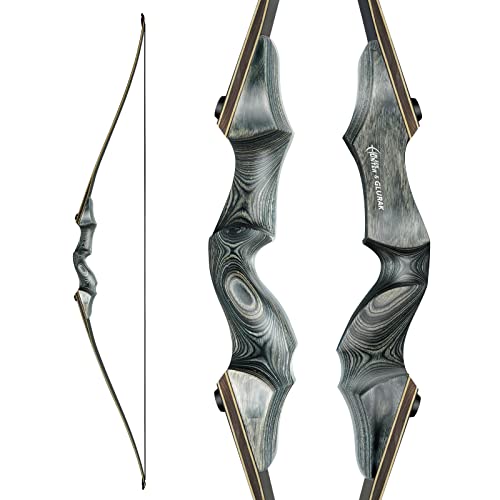
Glurak Black Hunter Recurve Bow and Arrow Set 60-Inch
- Draw weight
- 25 lb
- Hand
- Right
- Length (AMO)
- 60 in
- Recurve bow · Samick Sage
Samick Sage Sage 62"
- Draw weight
- 55 lb
- Hand
- Right
- Length (AMO)
- 62 in
- Recurve bow · Toparchery
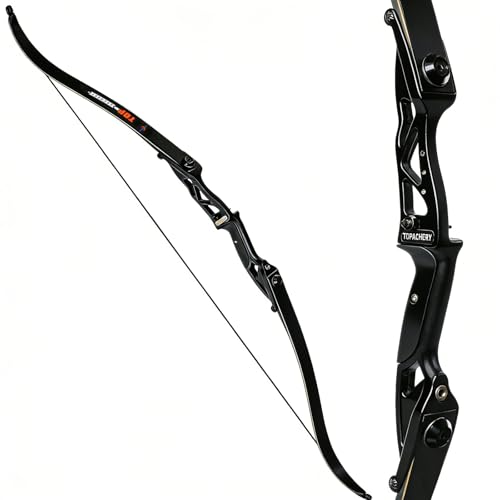
Toparchery Takedown Recurve 56" Metal Riser
- Draw weight
- 45 lb
- Hand
- Right
- Length (AMO)
- 56 in
- Recurve bow · Glurak
Glurak Black Hunter Takedown Longbow 60-Inch
- Draw weight
- 40 lb
- Hand
- Right
- Length (AMO)
- 60 in
- Recurve bow · Glurak
Glurak Black Hunter Takedown Recurve 60-Inch
- Draw weight
- 45 lb
- Hand
- Right
- Length (AMO)
- 60 in
- Recurve bow · Toparchery
Toparchery One-Piece Recurve 54"
- Draw weight
- 30 lb
- Hand
- Right
- Length (AMO)
- 54 in
- Recurve bow · Deerseeker Outdoor
Deerseeker Outdoor 54" Traditional Longbow
- Draw weight
- 60 lb
- Hand
- Right
- Length (AMO)
- 54 in
- Recurve bow · Sharrow
Sharrow One-Piece Longbow 54"
- Draw weight
- 15 lb
- Hand
- Right
- Length (AMO)
- 54 in
- Quiver · Ramcat
Ramcat Vice
- Material
- Aluminum
- Type
- Bow mounted
- Capacity
- 5 arrows




How alternatives are pickedSame type of gear from other brands, closest first: same price tier as Southwest Archery’s own listings at our last check, then the most maker-published specs. No popularity, no paid placement.
What Southwest Archery makes
Southwest Archery builds traditional bows: wooden takedown recurves, a takedown longbow, and the parts that go with them. On this site that means recurve bows (adult and youth), one longbow and one quiver. The brand's own site also sells risers, limbs, strings, stringer tools, cases and Ready 2 Shoot kits on their own.
Takedown means the bow comes apart into three pieces: a riser (the wooden middle you hold) and two limbs that bolt onto it. Two things follow from that. The bow fits in a case. And you can change the draw weight later by buying a new pair of limbs instead of a new bow.
The grid above shows what's on Amazon right now. Most of the Southwest Archery values in it (draw weight, length, hand) come from the Amazon listings, and the grid marks them. It changes week to week, so I'll write about the models, not about how many are listed today. No compound bow from the brand is among them.
When a brand has only a few listings, the theme adds a section called "Alternatives to Southwest Archery" with traditional bows from other makers. They're picked by matching type and specs.
The Southwest Archery Spyder recurve bow
The Spyder is the brand's main adult bow, in two lengths.
62-inch Spyder
The maker designs the 62-inch Spyder for archers with a draw length under 29 inches. Its riser is built from four woods; the riser page names white oak, Dymond wood and padouk. The limbs are hard maple wrapped in fiberglass, with reinforced tips the maker says work with Fast Flight and Flemish strings. Draw weights on the maker's site run from 16 to 60 pounds, in both right and left hand.
The riser has threaded bushings (small threaded inserts) for a sight, a mechanical rest or plunger, a quiver, and a stabilizer or bowfishing reel. The box holds the riser, the limbs, a 14-strand Dacron string and an adhesive arrow rest.
64-inch Spyder XL
The maker calls the Spyder XL "simply a stretched version" of the Spyder: the same riser with longer limbs, for a 64-inch bow. It's meant for draw lengths over 28 inches. Draw weights run from 25 to 55 pounds, and this one includes a stringer tool.
So the maker splits the two lengths by draw length, at about 28 to 29 inches. Know your number before you pick. (Draw length gets measured at a shop. It's not the same as your height, though Uncle Walt's method is "about yay.")
Spyder Ready 2 Shoot kit
The maker also sells the 62-inch Spyder as a kit. It adds a bow case with a telescoping arrow tube, a stringer, an adjustable armguard, and six 31.5-inch carbon arrows with feather fletching and 100-grain points. Arrow basics for traditional bows are on the recurve arrows page.
Tigershark and Tigershark PRO
The Tigershark is a 62-inch takedown recurve with a riser of Dymond wood, tiger wood, white oak and padouk. Same maple-and-fiberglass limbs, same threaded bushings as the Spyder. The maker lists the standard Tigershark from 16 to 60 pounds.
The PRO version adds what the maker calls Precision Pin-Locking: pins that set the limb in exactly the same place every time you put the bow together. The maker says it improves accuracy and cuts weight. PRO limbs fit only the PRO riser. The maker lists the PRO from 25 to 60 pounds and says it was designed by the engineers and developers of the original Samick Sage.
The grid lists the Tigershark PRO V1. The maker says Version 1 was discontinued and replaced by Version 2. The only change is the limbs: Version 2 has exposed maple side walls and no tapered end cap. V2 limbs fit a V1 riser.
The Ghost takedown longbow
The Ghost puts longbow-style limbs on Southwest Archery's traditional takedown riser, for a 64-inch bow. The maker lists it from 20 to 50 pounds in both hands, with a stringer tool in the box. It also says the Ghost riser takes the brand's recurve limbs. So it's one riser and two bow styles, if you buy both sets of limbs.
If you like the look of a longbow but want the option to switch to recurve limbs later, that's the reason to look at the Ghost.
Youth bows: Little Tiger and Tiny Tiger
The Tiger bows are the brand's youth line, with risers made entirely of tiger wood:
- Little Tiger, 54 inches: 16, 20 or 24 pounds, right or left hand
- Tiny Tiger, 48 inches: 14 pounds, right or left hand, the smallest in the family
Both include a Dacron string, an adhesive rest, a stringer tool and photo instructions, and both have the same threaded bushings as the adult bows. The maker lists target practice and bowfishing as their uses. The Little Tiger listing in the grid includes arrows, per Amazon.
My PT note: kids grow, and so does their strength. A takedown is handy here, because heavier limbs swap onto the same riser. More youth options are on the youth compound bow page, and arrows for small bows on the youth bow arrows page.
The Universal Hip Quiver
The quiver clips onto your belt or waistband with a metal clip. It has an 18-inch arrow tube and an 18-inch pocket, and the tube comes out if you'd rather use it as a plain pocket. The maker sells it in several colors. It's a range and practice quiver; for carrying arrows on the bow itself, see the bow quiver page.
Which limbs fit which riser
This is the part people ask about, so here it is from the maker's parts pages:
- 62-inch limbs fit the Ghost, Spyder, Spyder XL and standard Tigershark risers, and Samick Sage risers
- 64-inch longbow limbs fit the same list, except the Tigershark PRO
- Tigershark PRO limbs fit only the Tigershark PRO riser
- The Spyder riser takes Samick Sage and Journey limbs
The maker also sells two limb-pocket styles: a rounded pocket on its own 62- and 64-inch bows, and a squared pocket found on Samick Sage and Journey bows. Think of it like a kitchen mixer: one base, swappable attachments, as long as the attachment is made for that base.
Change limb length and you change string length. The maker says that if you put 62-inch limbs on a Ghost or Spyder XL, you'll need a 62-inch string. It also says a string's actual length is about 4 inches shorter than the bow's AMO length (its nominal length), and that heavier bows need more strands. Quick math: a 62-inch bow takes a string of roughly 58 inches. Buy by the AMO number on the package, not the tape measure.
How to choose within the Southwest Archery lineup
Start with draw length
Draw length picks the bow length. Under 29 inches, the maker points you to the 62-inch Spyder. Over 28, to the 64-inch Spyder XL. The maker doesn't state a draw-length range for the Tigershark or the Ghost. Archery 360 notes a shop technician can measure your draw length; it depends on your height and arm length.
Then pick limbs, not a forever draw weight
My one opinion on this page: buy the riser you want for the next several seasons, and buy limbs for the weight you can hold this season. The reason is the lineup itself: the same riser takes limbs from light to heavy, so starting low doesn't lock you in. Archery 360 says drawing isn't a strength test, and that you should be able to hold full draw comfortably. (As a PT, I'll add that the muscles between your shoulder blades keep score. Quietly at first.)
General recurve background is on the recurve bow page, and hunting setups are on the hunting recurve bow page.
Then pick the hand by your eye
Every model above comes in right and left hand. Archery 360's test: with both eyes open, cover a distant object with your thumb, then close one eye at a time. The eye that keeps the thumb on the object is your dominant eye. If your eye and hand match, buy that hand. If not, try both at a shop.
Then decide on extras
Every riser here has the threaded bushings, so a sight, rest, plunger or stabilizer can come later. A bare recurve with an adhesive rest is a perfectly good place to start.
Setup and safety
Use a bow stringer every time you string or unstring a recurve or longbow. Archery 360 calls it the safest method and the only one bow makers recommend, and Southwest Archery's warranty excludes damage from not using a proper stringer tool. After stringing, turn the limbs away from you and check that the string sits in both limb-tip grooves before you shoot.
Never dry-fire a bow. Archery 360 explains that releasing the string with no arrow sends the energy back into the limbs, and the brand's warranty excludes dry-fire damage.
Keep broadheads covered and handle them like knives. Hunting draw-weight minimums vary by state; check your state wildlife agency.
Southwest Archery warranty basics
The maker lists a one-year manufacturer warranty on its recurve bows, covering defects that compromise the bow's integrity. Its product pages say the warranty applies when the bow is registered online after purchase. It doesn't cover abuse, improper use, dry firing, damage from skipping the stringer tool, or wear on the string and stick-on rest. It isn't transferable.
Who's behind Southwest Archery
The brand's site lists an address in Redlands, California. Its about page says the team has 20-plus years in the archery industry and once ran a brick-and-mortar archery pro shop. This page doesn't cover a founding year or where the bows are built. Other traditional bows sit on the Samick Sage brand page.
Draw length, draw weight, dominant eye. Write all three inside the bow case lid, and the next set of limbs is an easy order.
Where Southwest Archery shows up
Questions about Southwest Archery
Is Southwest Archery a good brand?
What the maker states is checkable: its takedown recurves use maple limbs wrapped in fiberglass with reinforced tips the maker says are Fast Flight and Flemish string compatible, risers drilled for sights, rests, stabilizers and bowfishing reels, and a one-year manufacturer warranty when registered. Whether a bow suits you depends on your draw length, the draw weight you can hold and your dominant eye.
What's the difference between the Spyder and the Spyder XL?
The maker says the Spyder XL uses the same riser as the 62-inch Spyder with longer limbs, for a 64-inch bow. The 62-inch Spyder is designed for draw lengths under 29 inches; the XL is for archers whose draw length is over 28 inches. The maker lists the Spyder from 16 to 60 pounds and the XL from 25 to 55.
Do Samick Sage limbs fit the Southwest Archery Spyder?
Southwest Archery's riser page says the Spyder and Spyder XL riser fits Samick Sage and Journey limbs, and its 62-inch limbs are listed as replacements for Ghost, Samick Sage, Spyder, Spyder XL and standard Tigershark risers. The limbs made for the Tigershark PRO fit only the PRO riser, per the maker.
Can you hunt deer with a Southwest Archery recurve?
The maker's pages for the Spyder XL, Ghost and Tigershark list hunting deer among the uses, and the bows come in hunting draw weights. Minimum draw weights and equipment rules vary by state, so check your state wildlife agency before the season, and practice with the exact arrows and broadheads you'll hunt with.
Where is Southwest Archery located?
The brand's site lists its address in Redlands, California. Its about page says the team has been in the archery industry for 20-plus years and once owned a brick-and-mortar archery pro shop. It doesn't give a founding year or say where the bows are made.
Does the Spyder come with a bow stringer?
The maker's page for the 62-inch Spyder lists a riser, a pair of limbs, a 14-strand Dacron string, an adhesive arrow rest and an instruction manual. The Spyder XL, Ghost, Tigershark and youth Tiger pages list a stringer tool in the box. The Spyder Ready 2 Shoot kit adds a stringer, a case, an armguard and six arrows.
Sources
- Southwest Archery: 62-inch Spyder takedown recurve bow — accessed 2026-10-28
- Southwest Archery: 64-inch Spyder XL takedown recurve bow — accessed 2026-10-28
- Southwest Archery: 62-inch Spyder Ready 2 Shoot kit — accessed 2026-10-28
- Southwest Archery: 62-inch Tigershark PRO takedown recurve bow — accessed 2026-10-28
- Southwest Archery: 62-inch Tigershark takedown recurve bow — accessed 2026-10-28
- Southwest Archery: 64-inch Ghost takedown longbow — accessed 2026-10-28
- Southwest Archery: 54-inch Little Tiger takedown recurve bow — accessed 2026-10-28
- Southwest Archery: 48-inch Tiny Tiger takedown recurve bow — accessed 2026-10-28
- Southwest Archery: Quiver — accessed 2026-10-28
- Southwest Archery: Spyder riser — accessed 2026-10-28
- Southwest Archery: 62-inch takedown recurve limbs — accessed 2026-10-28
- Southwest Archery: 64-inch longbow limbs — accessed 2026-10-28
- Southwest Archery: Limb pockets for 62- and 64-inch bows — accessed 2026-10-28
- Southwest Archery: Dacron bow string — accessed 2026-10-28
- Southwest Archery: Warranty and bow registration — accessed 2026-10-28
- Southwest Archery: About us — accessed 2026-10-28
- Archery 360 (Archery Trade Association): How to string a bow — accessed 2026-10-28
- Archery 360 (Archery Trade Association): What to expect when buying your first bow — accessed 2026-10-28
- Archery 360 (Archery Trade Association): Should I shoot a right- or left-handed bow? — accessed 2026-10-28
- Archery 360 (Archery Trade Association): Everything you should know about dry-firing bows — accessed 2026-10-28