Fire & Lighting · Gear type
Camping Lanterns
A camping lantern lights a space, not a spot. That's the whole difference from a headlamp, and it decides everything else: how bright it needs to be, how long it has to run and whether it can hang from a tent loop. Pick the power source first, then the brightness for the place it'll live. The rest is details. (At Hemlock Run the lantern lives on a nail over the table, and nobody is allowed to move the nail.)
We earn a commission if you buy through our links, at no cost to you. Disclosure
| Model | Format | Pack of | Max output | Max runtime | Power | Amazon |
|---|---|---|---|---|---|---|
| Collapsiblelisting | — | 10,000 lumenslisting | 12 hourslisting | — | Check price | |
| — | — | 10,000 lumenslisting | — | Rechargeablelisting | Check price | |
iodoo 6000LM Rechargeable COB Work LightLantern More specs
| — | — | 6,000 lumenslisting | 24 hourslisting | Rechargeablelisting | Check price |
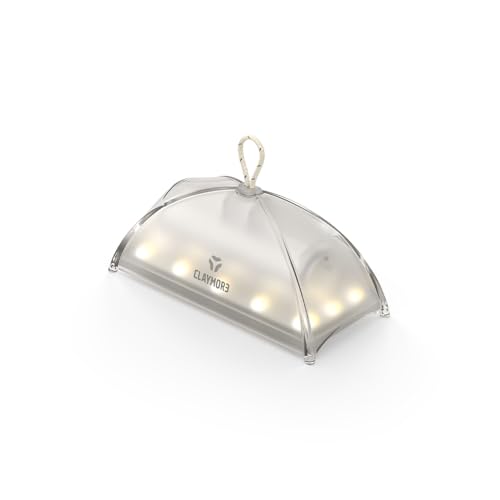
Claymore 3Face Neo 10Lantern More specs
| — | — | 4,900 lumenslisting | 45 hourslisting | Rechargeablelisting | Check price |
| — | — | 4,000 lumenslisting | — | Rechargeable built-inlisting | Check price | |
iodoo 4000LM Telescopic Camping LanternLantern More specs
| — | — | 4,000 lumenslisting | — | Rechargeablelisting | Check price |
| — | — | 4,000 lumenslisting | — | Rechargeablelisting | Check price | |
| — | — | 4,000 lumenslisting | — | Rechargeablelisting | Check price | |
| — | — | 4,000 lumenslisting | — | Rechargeable built-inlisting | Check price | |
| — | — | 3,000 lumenslisting | 100 hourslisting | — | Check price | |
iodoo 3000LM Rechargeable Tent LightLantern More specs
| — | — | 3,000 lumenslisting | 100 hourslisting | Rechargeablelisting | Check price |
iodoo 60W Solar Camping Light 3000LMLantern More specs
| — | — | 3,000 lumenslisting | — | — | Check price |
| — | 2listing | 3,000 lumenslisting | 24 hourslisting | Rechargeablelisting | Check price | |
| — | — | 3,000 lumenslisting | 3.9 hourslisting | Rechargeablelisting | Check price | |
| — | 2listing | 3,000 lumenslisting | — | — | Check price | |
Nitecore LR70Lantern | — | — | 3,000 lumenslisting | 600 hourslisting | Rechargeablelisting | Check price |
Nitecore LR70 ComboLantern | — | — | 3,000 lumenslisting | — | — | Check price |
Nitecore NWL30Lantern | — | — | 3,000 lumenslisting | 130 hourslisting | Rechargeablelisting | Check price |
Nitecore NWL30 BundleLantern | — | — | 3,000 lumenslisting | — | Rechargeablelisting | Check price |
| — | — | 2,500 lumenslisting | — | Rechargeablelisting | Check price | |
| — | — | 2,000 lumenslisting | — | Rechargeable built-inlisting | Check price | |
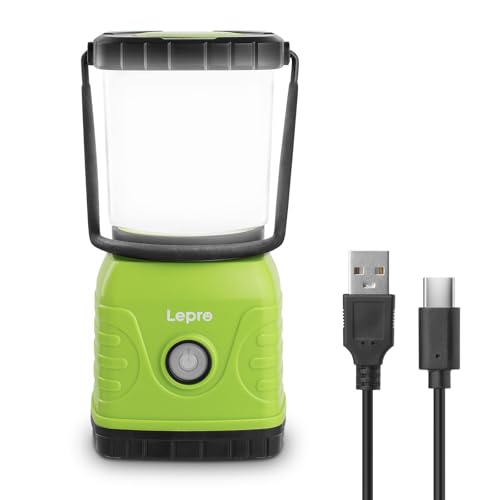
Lepro 2000LM RechargeableLantern | — | — | 2,000 lumenslisting | — | Rechargeablelisting | Check price |
| — | — | 2,000 lumenslisting | — | — | Check price | |
Mankerlight ML04Lantern More specs
| — | — | 2,000 lumenslisting | — | Rechargeablelisting | Check price |
Mankerlight ML04Lantern More specs
| — | — | 2,000 lumenslisting | — | Rechargeablelisting | Check price |
Mankerlight ML04Lantern More specs
| — | — | 2,000 lumenslisting | — | Rechargeablelisting | Check price |
Mankerlight ML04Lantern More specs
| — | — | 2,000 lumenslisting | — | Rechargeablelisting | Check price |
Nebo OMNI 2KLantern | — | — | 2,000 lumenslisting | — | Rechargeablelisting | Check price |
| — | — | 2,000 lumenslisting | — | D batterieslisting | Check price | |
Streamlight BearTrap 61523Lantern | — | — | 2,000 lumenslisting | — | Rechargeablelisting | Check price |
| — | — | 1,800 lumenslisting | — | Rechargeable built-inlisting | Check price | |
| — | — | 1,800 lumenslisting | — | — | Check price | |
| — | — | 1,800 lumenslisting | 2.25 hourslisting | Rechargeablelisting | Check price | |
| — | — | 1,750 lumenslisting | — | Rechargeablelisting | Check price | |
| — | — | 1,700 lumenslisting | 18 hourslisting | Rechargeablelisting | Check price | |
| — | — | 1,700 lumenslisting | — | — | Check price | |
Consciot C02 USB-C Rechargeable LanternLantern More specs
| — | — | 1,500 lumenslisting | 100 hourslisting | Rechargeablelisting | Check price |
| — | 2listing | 1,500 lumenslisting | 70 hourslisting | D batterieslisting | Check price | |
klarus WL3Lantern | — | — | 1,500 lumenslisting | — | Rechargeablelisting | Check price |
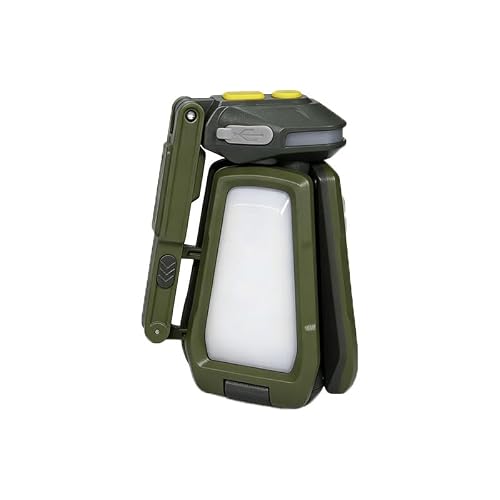
Lepro 1500LM Battery PoweredLantern More specs
| — | — | 1,500 lumenslisting | 26 hourslisting | — | Check price |




Lepro 1500LM Battery PoweredLantern More specs
| — | — | 1,500 lumenslisting | 12 hourslisting | D batterieslisting | Check price |
|---|---|---|---|---|---|---|
| — | — | 1,500 lumenslisting | 24 hourslisting | D batterieslisting | Check price | |
| — | — | 1,500 lumenslisting | 7 hourslisting | Rechargeable built-inlisting | Check price | |
| — | — | 1,500 lumenslisting | 7.5 hourslisting | Rechargeablelisting | Check price | |
| — | — | 1,500 lumenslisting | 7.5 hourslisting | Rechargeablelisting | Check price | |
Lepro 1300LM RechargeableLantern More specs
| — | — | 1,300 lumenslisting | 12 hourslisting | Rechargeablelisting | Check price |
| — | — | 1,250 lumenslisting | — | D batterieslisting | Check price | |
Streamlight Vulcan 180 44300Lantern | — | — | 1,200 lumenslisting | 7.25 hourslisting | — | Check price |
Streamlight Vulcan 180 44311Lantern | — | — | 1,200 lumenslisting | 12 hourslisting | Rechargeablelisting | Check price |
Streamlight Vulcan 180 44301Lantern | — | — | 1,200 lumenslisting | 7.25 hourslisting | — | Check price |
Streamlight Vulcan 180 44310Lantern | — | — | 1,200 lumenslisting | 7.25 hourslisting | — | Check price |
| — | — | 1,150 lumenslisting | — | Rechargeablelisting | Check price | |
Claymore Tenton Clear Tent LanternLantern More specs
| — | — | 1,100 lumenslisting | — | Rechargeablelisting | Check price |
Lepro 1100LM Battery PoweredLantern More specs
| — | — | 1,100 lumenslisting | — | AAlisting | Check price |
Luxpro Dual-Power 1100 LumenLantern More specs
| — | — | 1,100 lumenslisting | 150 hourslisting | — | Check price |
| — | — | 1,100 lumenslisting | — | Rechargeablelisting | Check price | |
| — | — | 1,000 lumenslisting | 15 hourslisting | Rechargeable built-inlisting | Check price | |
| — | — | 1,000 lumenslisting | 16 hourslisting | Rechargeablelisting | Check price | |
Consciot 1000LM Battery Powered LED LanternLantern More specs
| — | — | 1,000 lumenslisting | — | — | Check price |
Consciot 1000LM Rechargeable LED LanternLantern More specs
| — | — | 1,000 lumenslisting | — | Rechargeablelisting | Check price |
| — | — | 1,000 lumenslisting | — | — | Check price | |
| — | — | 1,000 lumenslisting | — | — | Check price | |
| — | 2listing | 1,000 lumenslisting | — | — | Check price | |
Consciot 1000 Lumen LED Lanterns 2-PackLantern More specs
| — | 2listing | 1,000 lumenslisting | — | — | Check price |
| — | — | 1,000 lumenslisting | 200 hourslisting | Rechargeablelisting | Check price | |
Energizer LightxPower Cube X1000Lantern More specs
| — | — | 1,000 lumenslisting | — | — | Check price |
EverBrite 1000 Lumens Rechargeable LED LanternLantern More specs
| — | — | 1,000 lumenslisting | — | Rechargeable built-inlisting | Check price |
Lepro 1000LM Battery PoweredLantern More specs
| Standard lanternlisting | — | 1,000 lumenslisting | 12 hourslisting | D batterieslisting | Check price |
Lepro 1000LM RechargeableLantern | Standard lanternlisting | — | 1,000 lumenslisting | — | Rechargeable built-inlisting | Check price |
Lepro 1000LM Rechargeable 4400mAhLantern More specs
| Standard lanternlisting | — | 1,000 lumenslisting | — | Rechargeablelisting | Check price |
Lepro 1000lm with Detachable FlashlightsLantern More specs
| — | — | 1,000 lumenslisting | — | — | Check price |
Lepro Vintage Railroad 1000LMLantern More specs
| — | — | 1,000 lumenslisting | — | Rechargeablelisting | Check price |
Nebo Galileo 1000 FlexLantern | — | — | 1,000 lumenslisting | 10.54 hourslisting | Rechargeablelisting | Check price |
Luxpro Dual-Power 940 LumenLantern More specs
| — | — | 940 lumenslisting | 155.5 hourslisting | — | Check price |
| — | — | 800 lumenslisting | — | Rechargeablelisting | Check price | |
klarus CL2Lantern | Collapsiblelisting | — | 750 lumenslisting | — | Rechargeablelisting | Check price |
Ledlenser ML6Lantern More specs
| — | — | 750 lumenslisting | 200 hourslisting | Rechargeablelisting | Check price |
Ledlenser ML6 WarmLantern | — | — | 750 lumenslisting | 240 hourslisting | — | Check price |
Black Diamond Orbiter 650Lantern | — | — | 650 lumenslisting | — | Rechargeablelisting | Check price |
Claymore Cabin LampLantern | — | — | 640 lumenslisting | 55 hourslisting | Rechargeablelisting | Check price |
| — | — | 600 lumenslisting | — | — | Check price | |
Letmy Collapsible Lantern 4-PackLantern More specs
| Collapsiblelisting | 4listing | 600 lumenslisting | 18 hourslisting | AAlisting | Check price |
Letmy Collapsible Lantern 4-PackLantern More specs
| Collapsiblelisting | 4listing | 600 lumenslisting | 18 hourslisting | — | Check price |
Luxpro LP1520Lantern | — | — | 600 lumenslisting | — | Rechargeablelisting | Check price |
| — | — | 600 lumenslisting | 5 hourslisting | Solar + USBlisting | Check price | |
| — | 2listing | 550 lumenslisting | 60 hourslisting | Rechargeablelisting | Check price | |
Wurkkos CL01Lantern More specs
| — | — | 550 lumenslisting | 300 hourslisting | Rechargeablelisting | Check price |
Wurkkos CL01 with TripodLantern More specs
| — | — | 550 lumenslisting | — | — | Check price |
Wurkkos CL01 with TripodLantern More specs
| — | — | 550 lumenslisting | — | — | Check price |
BioLite Alpenglow 500Lantern | — | — | 500 lumenslisting | 200 hourslisting | Rechargeablelisting | Check price |
| — | — | 500 lumenslisting | 72 hourslisting | Rechargeable removable celllisting | Check price | |
Dorcy Adventure Series 500 Lumen LED LanternLantern More specs
| — | — | 500 lumenslisting | — | D batterieslisting | Check price |
Dorcy Pop Up 500 Lumen COB LanternLantern More specs
| — | — | 500 lumenslisting | — | — | Check price |
| — | — | 500 lumenslisting | 350 hourslisting | D batterieslisting | Check price | |
| — | — | 500 lumenslisting | 150 hourslisting | — | Check price | |
| — | — | 500 lumenslisting | — | AAlisting | Check price | |
| — | — | 500 lumenslisting | 150 hourslisting | D batterieslisting | Check price | |
| — | — | 500 lumenslisting | 150 hourslisting | D batterieslisting | Check price | |
| — | 2listing | 500 lumenslisting | 150 hourslisting | — | Check price | |
EverBrite 2-in-1 Rechargeable Flashlight and LanternLantern More specs
| — | — | 500 lumenslisting | — | Rechargeablelisting | Check price |
Nebo Galileo Air 500Lantern More specs
| Collapsiblelisting | — | 500 lumenslisting | — | AAlisting | Check price |
| — | — | 500 lumenslisting | — | — | Check price | |
Wuben F5Lantern | — | — | 500 lumenslisting | 500 hourslisting | Rechargeable built-inlisting | Check price |
Primus EasyLightLantern | — | — | 490 lumenslisting | — | Butanelisting | Check price |
| — | 3listing | 460 lumenslisting | 50 hourslisting | — | Check price | |
Black Diamond Orbiter 450Lantern More specs
| — | — | 450 lumenslisting | — | Rechargeablelisting | Check price |
EverBrite 450LM Rechargeable Lantern 2-PackLantern More specs
| — | 2listing | 450 lumenslisting | — | Rechargeable built-inlisting | Check price |
Lepro Vintage Railroad RechargeableLantern More specs
| — | — | 450 lumenslisting | 50 hourslisting | Rechargeablelisting | Check price |
| — | — | 450 lumenslisting | 30 hourslisting | Rechargeablelisting | Check price | |
| — | — | 450 lumenslisting | 30 hourslisting | Rechargeablelisting | Check price | |
Consciot USB-C Rechargeable LED Lantern 4400mAhLantern More specs
| — | — | 425 lumenslisting | — | Rechargeablelisting | Check price |
Consciot USB-C Rechargeable LED Lantern 4400mAhLantern More specs
| — | — | 425 lumenslisting | — | Rechargeablelisting | Check price |
Consciot USB-C Rechargeable LED Lantern 4400mAhLantern More specs
| — | — | 425 lumenslisting | — | Rechargeablelisting | Check price |
Lepro 410LM RechargeableLantern More specs
| — | — | 410 lumenslisting | — | Rechargeable built-inlisting | Check price |
| Collapsiblelisting | — | 400 lumenslisting | 12 hourslisting | AAlisting | Check price | |
Primus MicronLantern | — | — | 360 lumenslisting | — | Butanelisting | Check price |
| — | — | 350 lumenslisting | — | AAlisting | Check price | |
| Collapsiblelisting | 3listing | 350 lumenslisting | — | — | Check price | |
| — | — | 350 lumenslisting | — | — | Check price | |
Hoxida Rechargeable Camping Lantern 336 LMLantern More specs
| — | — | 336 lumenslisting | 20 hourslisting | Rechargeablelisting | Check price |
EverBrite Mini Rechargeable Camping Lantern 300LMLantern More specs
| — | — | 300 lumenslisting | — | Rechargeable built-inlisting | Check price |
Ledlenser ML4 WarmLantern | — | — | 300 lumenslisting | — | — | Check price |
Nebo PoppyLantern More specs
| — | — | 300 lumenslisting | — | AAlisting | Check price |
Nebo Big PoppyLantern | — | — | 300 lumenslisting | 15 hourslisting | Rechargeablelisting | Check price |
Nebo Poppy PuckLantern More specs
| Puck/tent lightlisting | — | 300 lumenslisting | — | Rechargeablelisting | Check price |
Nitecore LR60Lantern | — | — | 280 lumenslisting | — | Rechargeablelisting | Check price |
Klymit Everglow Light TubeLantern More specs
| Inflatablelisting | — | 270 lumenslisting | — | — | Check price |
Luxpro Retro Outdoor LanternLantern More specs
| — | — | 265 lumenslisting | — | AAlisting | Check price |
BioLite Alpenglow 250Lantern | — | — | 250 lumenslisting | 200 hourslisting | Rechargeablelisting | Check price |
Black Diamond Apollo LanternLantern | — | — | 250 lumenslisting | — | Rechargeablelisting | Check price |
EverBrite Rechargeable LED Lantern DimmingLantern More specs
| — | — | 250 lumenslisting | — | Rechargeable built-inlisting | Check price |
Stansport 107-250 Standing/HangingLantern More specs
| — | — | 250 lumenslisting | 72 hourslisting | — | Check price |
LitezAll COB Mini LanternLantern More specs
| — | — | 225 lumenslisting | — | AAlisting | Check price |
| — | — | 215 lumenslisting | 19 hourslisting | AAlisting | Check price | |
| — | — | 200 lumenslisting | — | — | Check price | |
Black Diamond Moji R+ LanternLantern More specs
| — | — | 200 lumenslisting | — | Rechargeable built-inlisting | Check price |
Cyclops Apollo XP 200 LumenLantern | — | — | 200 lumenslisting | — | — | Check price |
| — | — | 200 lumenslisting | 39 hourslisting | D batterieslisting | Check price | |
LitezAll Rechargeable 200 Lumen BulbLantern More specs
| — | — | 200 lumenslisting | — | Rechargeablelisting | Check price |
| — | — | 200 lumenslisting | — | AAlisting | Check price | |
Streamlight Siege AA 44941Lantern | — | — | 200 lumenslisting | — | AAlisting | Check price |
| Collapsiblelisting | 4listing | 190 lumenslisting | — | AAlisting | Check price | |
LitezAll Pine Cone LanternLantern More specs
| — | — | 180 lumenslisting | 6.5 hourslisting | Rechargeablelisting | Check price |
BioLite Alpenglow MiniLantern | — | — | 150 lumenslisting | 40 hourslisting | Rechargeablelisting | Check price |
BioLite Luci Charge 150Lantern | Inflatablelisting | — | 150 lumenslisting | 50 hourslisting | Solar + USBlisting | Check price |
EverBrite Rechargeable Camping Light with MemoryLantern More specs
| Puck/tent lightlisting | — | 150 lumenslisting | — | Rechargeable built-inlisting | Check price |
| — | 2listing | 150 lumenslisting | — | AAAlisting | Check price | |
Luxpro LP1539 Glow 4-PackLantern More specs
| — | 4listing | 150 lumenslisting | — | — | Check price |
| Collapsiblelisting | 4listing | 146 lumenslisting | — | AAlisting | Check price | |
| — | 4listing | 145 lumenslisting | 40 hourslisting | AAlisting | Check price | |
| — | — | 145 lumenslisting | — | — | Check price | |
| — | — | 140 lumenslisting | — | — | Check price | |
Lepro 3-Mode LED Lantern 4-PackLantern More specs
| — | 4listing | 140 lumenslisting | 10 hourslisting | — | Check price |
| — | — | 130 lumenslisting | — | Rechargeablelisting | Check price | |
UCO LeschiLantern | Collapsiblelisting | — | 110 lumenslisting | — | — | Check price |
UCO LeschiLantern | Collapsiblelisting | — | 110 lumenslisting | — | — | Check price |
LitezAll Kodiak Klassic Jr.Lantern | — | — | 100 lumenslisting | — | AAAlisting | Check price |
LitezAll Rechargeable Camping Light BulbLantern More specs
| — | — | 100 lumenslisting | — | Rechargeablelisting | Check price |
Nitecore LR40Lantern More specs
| — | — | 100 lumenslisting | — | Rechargeablelisting | Check price |
Nitecore LR40Lantern More specs
| — | — | 100 lumenslisting | — | Rechargeablelisting | Check price |
Nitecore LR40Lantern | — | — | 100 lumenslisting | — | Rechargeablelisting | Check price |
Nitecore LR40Lantern | — | — | 100 lumenslisting | — | Rechargeablelisting | Check price |
Nitecore BubbleLantern | — | — | 100 lumenslisting | — | — | Check price |
Nitecore BubbleLantern | — | — | 100 lumenslisting | — | AAAlisting | Check price |
UCO SproutLantern More specs
| — | — | 100 lumenslisting | 50 hourslisting | — | Check price |
Black Diamond Apollo LanternLantern | — | — | 80 lumenslisting | 60 hourslisting | AAlisting | Check price |
| — | — | 75 lumenslisting | — | — | Check price | |
| — | — | 75 lumenslisting | 50 hourslisting | — | Check price | |
| — | — | 60 lumenslisting | — | — | Check price | |
| — | 2listing | 60 lumenslisting | — | — | Check price | |
LitezAll PortaBulbLantern More specs
| — | — | 50 lumenslisting | — | AAAlisting | Check price |
| — | 3listing | — | — | Rechargeablelisting | Check price | |
| — | — | — | — | — | Check price | |
Barebones Edison Light StickLantern | Standard lanternlisting | — | — | 40 hourslisting | Rechargeablelisting | Check price |
Bell+Howell Super Torch 360 LED LanternLantern More specs
| — | — | — | — | — | Check price |
| Collapsiblelisting | — | — | — | — | Check price | |
| Collapsiblelisting | — | — | — | — | Check price | |
| Collapsiblelisting | 2listing | — | — | — | Check price | |
| Collapsiblelisting | — | — | — | — | Check price | |
| Collapsiblelisting | 2listing | — | — | AAAlisting | Check price | |
| Collapsiblelisting | 3listing | — | — | AAAlisting | Check price | |
BioLite Luci OriginalLantern | Inflatablelisting | — | — | 24 hourslisting | — | Check price |
BioLite Luci CandleLantern | Inflatablelisting | — | — | 28 hourslisting | — | Check price |
BioLite Luci EmergencyLantern | Inflatablelisting | — | — | 10 hourslisting | Solar + USBlisting | Check price |
BioLite Solar String Lights 44 ftLantern More specs
| String lightslisting | — | — | 40 hourslisting | Solar + USBlisting | Check price |
| — | — | — | — | — | Check price | |
| — | — | — | — | — | Check price | |
Black Diamond Moji LanternLantern More specs
| — | — | — | — | — | Check price |
Black Diamond Moji LanternLantern | — | — | — | — | — | Check price |
| Collapsiblelisting | — | — | — | Rechargeablelisting | Check price | |
| — | — | — | 24 hourslisting | Rechargeablelisting | Check price | |
Claymore Ultra2 3.0 MediumLantern | — | — | — | 80 hourslisting | Rechargeablelisting | Check price |
| — | — | — | 50 hourslisting | D batterieslisting | Check price | |
| — | 2listing | — | — | Rechargeable built-inlisting | Check price | |
Dorcy 41-3019 LED Mini Lantern 3-PackLantern More specs
| — | 3listing | — | 70 hourslisting | — | Check price |
| — | — | — | — | D batterieslisting | Check price | |
| — | — | — | — | Rechargeablelisting | Check price | |
| — | — | — | 100 hourslisting | — | Check price | |
| — | — | — | — | Rechargeablelisting | Check price | |
| — | 2listing | — | 17 hourslisting | — | Check price | |
| — | — | — | — | — | Check price | |
| — | 3listing | — | — | AAAlisting | Check price | |
EverBrite Rechargeable Collapsible Mini LanternLantern More specs
| Collapsiblelisting | — | — | — | Rechargeablelisting | Check price |
GearLight Camping Lantern 2-PackLantern More specs
| Collapsiblelisting | 2listing | — | — | — | Check price |
| — | — | — | 72 hourslisting | — | Check price | |
| Collapsiblelisting | — | — | — | AAlisting | Check price | |
| — | — | — | 100 hourslisting | Rechargeablelisting | Check price | |
| — | — | — | — | Rechargeablelisting | Check price | |
Lepro 7 RGBW Mode 2-PackLantern | — | 2listing | — | — | Rechargeablelisting | Check price |
| — | 4listing | — | — | — | Check price | |
Letmy Rechargeable Lantern 4-PackLantern More specs
| — | 4listing | — | 18 hourslisting | — | Check price |
| — | — | — | — | — | Check price | |
| — | — | — | — | — | Check price | |
| — | 3listing | — | — | AAAlisting | Check price | |
LitezAll OLE 92Lantern More specs
| — | — | — | — | — | Check price |
LitezAll Dimmable Filament LED LanternLantern More specs
| — | — | — | — | — | Check price |
| Collapsiblelisting | — | — | — | Rechargeablelisting | Check price | |
| — | — | — | — | Rechargeablelisting | Check price | |
Luxpro LP189 Mini 2-PackLantern More specs
| — | 2listing | — | — | Rechargeablelisting | Check price |
| Collapsiblelisting | — | — | — | Solar + USBlisting | Check price | |
Nitecore LR40Lantern | — | — | — | — | Rechargeablelisting | Check price |
Primus IP-2245A-SLantern | Mantle (fuel)listing | — | — | — | — | Check price |
Primus P-541 MicroLantern | Mantle (fuel)listing | — | — | — | — | Check price |
| — | — | — | 180 hourslisting | — | Check price | |
| — | — | — | — | Rechargeablelisting | Check price | |
sofirn LT1SLantern More specs
| — | — | — | 500 hourslisting | Rechargeablelisting | Check price |
sofirn BLF LT1Lantern More specs
| — | — | — | — | Rechargeablelisting | Check price |
Stansport Double Mantle Propane 170Lantern More specs
| Mantle (fuel)listing | — | — | — | Propanelisting | Check price |
Stansport 12-inch Hurricane 127Lantern More specs
| — | — | — | — | Liquid fuellisting | Check price |
Stansport LED Lantern 9-InchLantern More specs
| — | — | — | — | D batterieslisting | Check price |
| — | — | — | — | AAlisting | Check price | |
Streamlight Vulcan 180 44350Lantern | — | — | — | — | Rechargeablelisting | Check price |
| — | — | — | 5 hourslisting | — | Check price | |
| Collapsiblelisting | 4listing | — | — | — | Check price | |
| — | 1listing | — | 12 hourslisting | Solar + USBlisting | Check price | |
| — | — | — | 12 hourslisting | Solar + USBlisting | Check price | |
| — | 2listing | — | 12 hourslisting | Solar + USBlisting | Check price | |
| — | 4listing | — | — | Solar + USBlisting | Check price | |
Tansoren Solar String Lights 20FTLantern More specs
| String lightslisting | — | — | — | Solar + USBlisting | Check price |
UCO CandlelierLantern | — | — | — | — | — | Check price |
UCO Candle Lantern 24356Lantern | — | — | — | 9 hourslisting | — | Check price |
UCO Mini Candle Lantern KitLantern More specs
| — | — | — | — | — | Check price |
UCO Mini Candle Lantern KitLantern More specs
| — | — | — | — | — | Check price |
UCO Original Brass Candle LanternLantern More specs
| Collapsiblelisting | — | — | — | — | Check price |
UCO Original Candle LanternLantern | Collapsiblelisting | — | — | — | — | Check price |
UCO Original Candle LanternLantern | Collapsiblelisting | — | — | — | — | Check price |






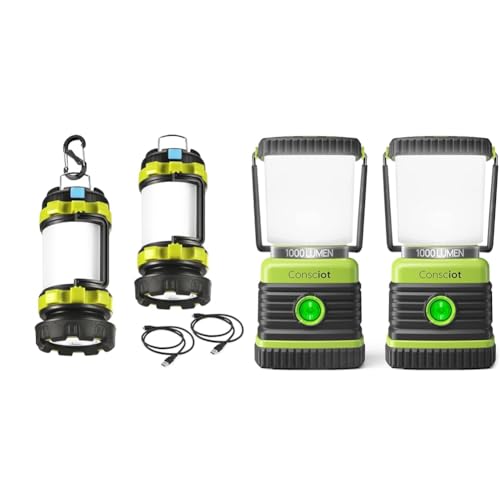


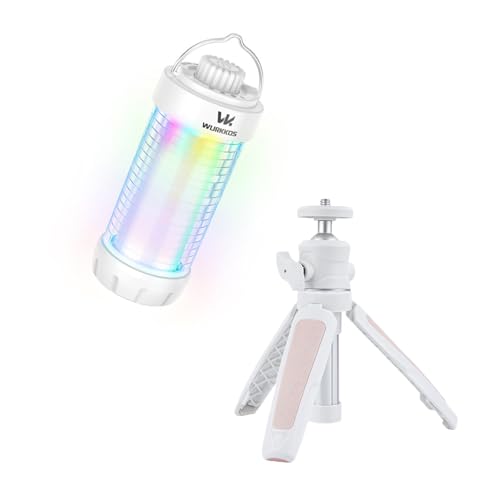


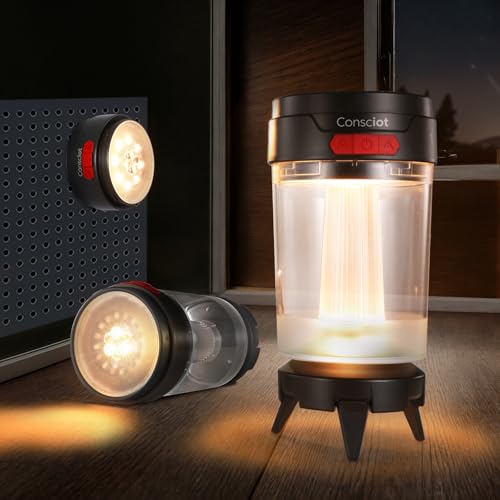

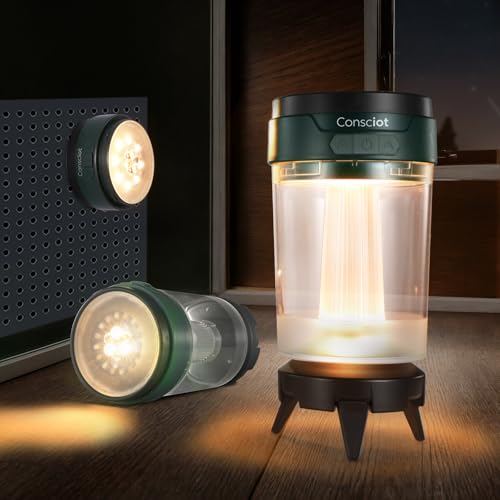
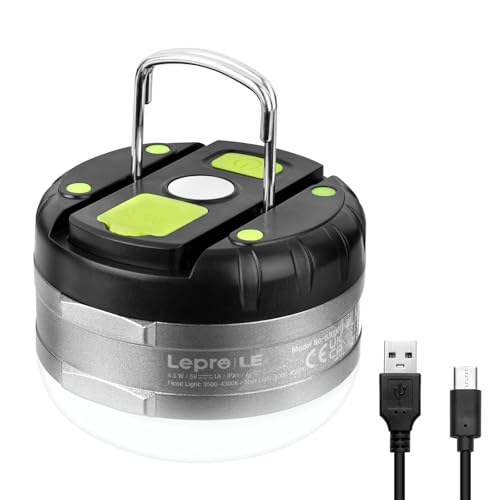
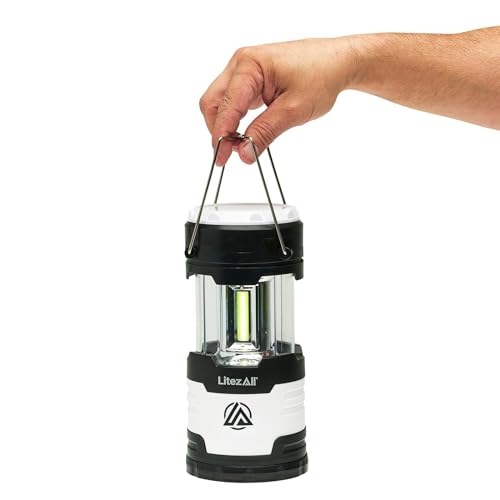


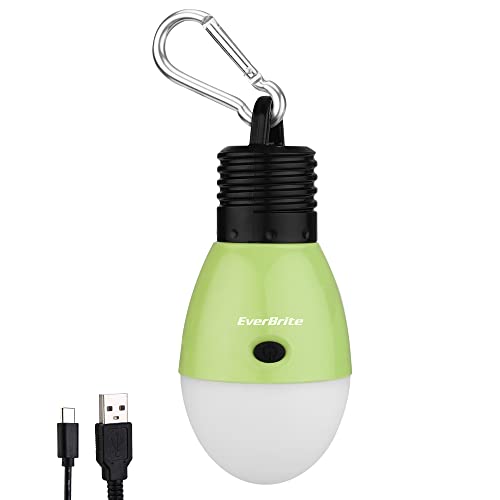


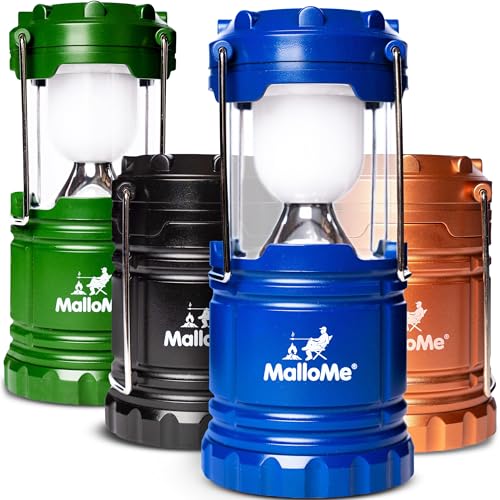


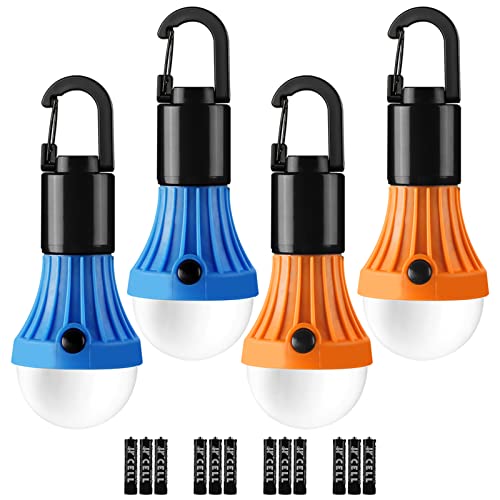


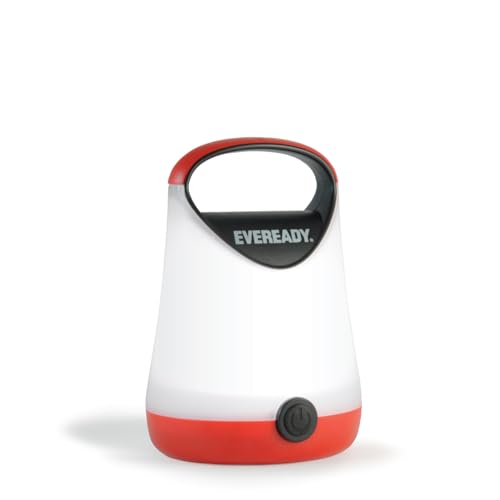




What’s in this listEvery camping lantern and camp light we track on Amazon US, brightest first. “—” means neither the maker nor the Amazon listing states it.
What makes a camping lantern different from a headlamp
A headlamp throws a beam where you look. A lantern pushes light out in every direction, so four people can see the same table. That's why lanterns are rated by total output and runtime, and why beam distance doesn't show up on this page at all.
The lantern family at Hemlock Run splits by how the light is made and powered:
- LED on disposable batteries: AA, AAA or D cells you swap out
- LED rechargeable: a built-in or removable lithium-ion battery, charged over USB
- Gas or propane: a flame heats a mantle until it glows
- Solar and inflatable: a small panel charges a light you can flatten
- String lights and tent lights: small lights meant for a ceiling, not a table
Each of those has its own page, linked below. This page is the overview, with the specs that decide all of them.
The table on this page lists camping lanterns and camp lights we track, brightest first. It shows max output, max runtime, power source, water rating, format, dimming modes, whether there's a hook, string length on string lights, weight and pack count, from the maker first and the Amazon listing where the maker is silent (marked as listing values; weight is the maker's alone). The water rating appears only when the maker states it. When neither states a value, you get a dash instead of a guess.
How to choose a camping lantern
Here's how I read the table, one column at a time.
Pick the power source before anything else
The Power column decides how you live with the lantern. Disposable batteries mean you can buy more at any gas station. A rechargeable battery means one cable and no spares, until the night you forget to plug it in. Propane means fuel canisters, mantles and a lot of heat. Some hybrids take both, a rechargeable pack plus AA cells as the backup.
The rest of the specs only matter once this one is settled. A bright lantern on the wrong power source is a nice paperweight in the truck.
Max output: match lumens to the space
Lumens measure the total light a lantern puts out, not how far it reaches. Streamlight's summary of the ANSI FL1 standard calls it the total quantity of emitted light. More lumens light a bigger area.
BioLite's lantern guide gives rough targets by place:
- Inside the tent: 75 to 150 lumens, enough to read or play cards
- On the table: 200 to 500 lumens, for cooking and gathering
- Whole site: 500 to 1,000 or more, matched to group and site size
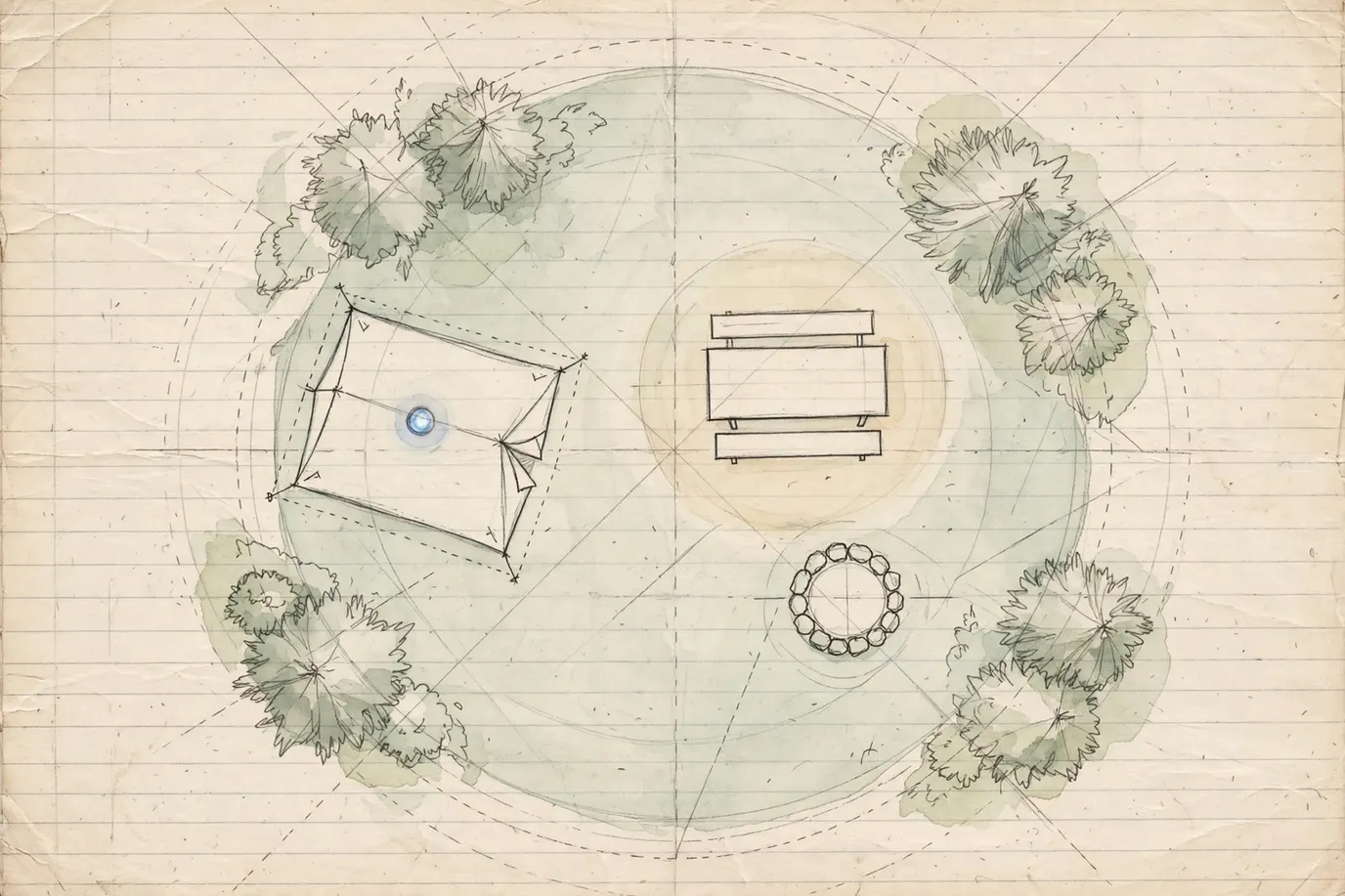
Its reference points help. A candle is about 10 lumens and a ceiling light about 1,000. The same guide says two or three 500-lumen lanterns are more than enough even for a large site. That beats one giant lantern, because spread-out light makes fewer shadows. (It also means fewer people standing in your light. Walt stands in my light. Every year.)
Max runtime is measured on the lowest setting
The runtime in the table is the longest the maker or the listing states. Under FL1, the clock starts 30 seconds after you switch on with fresh batteries and stops when output falls to 10% of where it started. Past that point it's too dim to count as the rated light.
That longest number almost always comes from the dimmest mode. One maker's manual for a rechargeable lantern shows the spread: about 2 hours 45 minutes on high, 6 hours 30 minutes on medium and 15 hours on low. Same lantern, same charge. So read the mode chart, not just the headline. A lantern you'll run on medium for a long November evening needs a big number in the middle row.
Dimmable modes save the battery and your eyes
The Dimmable / modes column shows how many brightness steps a lantern has, as the maker or the listing describes them. BioLite's guide recommends a lantern that dims, and that matches my experience of camp: full blast while you cook, low while you talk, off when Walt starts the story about 1994.
Some lanterns add a red mode or a flashing mode. Red is easier on night vision; flashing is for a roadside or an emergency. Neither should decide the purchase, but both are handy to have.
Water rating covers rain, not a swim
Lantern water ratings use the same IPX scale as flashlights. Streamlight's FL1 presentation spells it out. IPX4 means water splashed from any direction has no harmful effect. IPX7 means it survives temporary immersion, tested in about 1 meter of water. IPX8 means continuous immersion under conditions the maker states, tougher than IPX7.
For a lantern under a canopy, IPX4 covers a rainy night. A lantern that rides in a canoe or hangs outside all weekend earns a higher number. The rating is a maker claim, and the table shows only what the maker lists.
A hook beats a flat bottom
The Hook / hangable column is the most underrated one in the table. A lantern on the table lights the underside of everyone's chin. A lantern hung overhead lights the table. Look for a bail handle, a loop or a hook that can clip to a tent ceiling loop or a canopy frame.
Check the hook's shape against what you'll hang it on. A thin wire hook doesn't love a fat branch. A carabiner-style clip goes on almost anything.
Format: standard, collapsible, puck or string
The Format column sorts lanterns by shape: standard lanterns, collapsible ones that squash flat, inflatable ones, string lights, puck-style tent lights and fuel lanterns with a mantle. Collapsible and inflatable lanterns pack small. Pucks and string lights make sense where a lantern would be in the way.
Weight and pack count
The Weight column is in ounces and only gets a number when the maker gives one. For car camping it barely matters. For a lantern that rides in a hunting pack to a far blind, it does. Battery lanterns can get heavy because the cells themselves weigh something, which the battery-operated lantern page covers.
The Pack of column is the number of lanterns in one box. Two lanterns means one for the table and one for the outhouse path. (Renee asked why we need lights in two places. Renee has never walked the outhouse path at Hemlock Run at 2 a.m.)
Which camping lantern type fits which camp
Battery-operated lanterns for the truck and the emergency bin
A lantern that runs on AA, AAA or D cells is ready whenever there's a fresh pack of batteries. That suits a lantern that lives in the truck, the cabin closet or a power-outage bin for months. The battery-operated lantern page gets into cell sizes, cold weather and leaks.
Rechargeable lanterns for weekend trips with a charger nearby
A rechargeable lantern charges from a wall plug, a car port or a power bank. Some double as a phone charger through a USB output port. The rechargeable lantern page covers charging, battery care and USB.
Gas and propane lanterns for the open table
A gas lantern doesn't make light with the flame itself. Primus explains that the mantle is a fabric coated with salts that glow when heated; you burn the fabric off first and a fragile white skeleton is left. That's the bright, hissing light a lot of us grew up with.
It also means heat and fumes, so a gas lantern belongs outdoors. The gas lantern page covers mantles, fuel and setup.
String lights, tent lights and solar lanterns
String lights are for an awning or a canopy edge, where one lantern would leave dark corners. The table shows string length when the maker or the listing states it. Tent lights are small pucks that clip to a ceiling loop. Inflatable solar lanterns charge in the sun and pack flat. Each has a page: camping string lights, tent lights and inflatable solar lanterns.
LED vs propane lantern: the camp table argument
Every camp has this argument. Ours goes like this.
- Light: propane mantles give a warm, bright glow; LEDs give steady light with dimming steps
- Heat: a mantle lantern runs hot; an LED barely gets warm
- Fumes: propane burns fuel; an LED burns nothing
- Noise: propane hisses; an LED is silent
- Fuel: canisters and spare mantles, or batteries and a cable
- Inside a tent: LED only
Walt's take: "The hissing one is the porch light. The quiet one is the bedroom light." He's had that sorted since before LEDs existed, and he's right about where each one goes.
Hang it, aim it, put it away dry
A few habits make any camping lantern work better.
- Hang it above eye level when you can. Light from above spreads; light from the table makes shadows.
- Use two smaller lanterns instead of one big one, per BioLite's site advice: one at the table, one at the cooking spot.
- Run the lowest mode that does the job. The runtime chart rewards it.
- Wipe it down and let it dry before it goes back in the bin.
- Store a battery lantern without its batteries and a rechargeable one with some charge left, as each type's page explains.
Fuel-burning lantern safety
Never run a gas, propane or liquid-fuel lantern inside a tent, camper or vehicle. Carbon monoxide doesn't care how cold you are.
The CPSC's carbon monoxide page says people die every year from camping heaters, lanterns and stoves used inside tents, campers and vehicles. It warns not to use them while sleeping in enclosed spaces, and says the risk is higher at altitude. Symptoms include headache, dizziness, weakness, nausea, vomiting, sleepiness and confusion, and the CPSC says to see a doctor for cold or flu-like symptoms while camping. That's my one opinion on this page, and it's not really an opinion: inside the tent, the lantern is an LED.
Open-flame rules differ from state to state and on private land, so ask your state wildlife agency or the landowner first.
Who should skip a camping lantern
If you only need light to walk to the stand and back, a headlamp does that job better, and the headlamps page is the place to start. A lantern earns its spot when people sit still: a camp table, a blind with a kid in it, a tent you share. If your camp has a cabin with working lights, one small battery lantern for outages is plenty.
One lantern over the table, one on the path, both off by midnight. That's camp lighting at Hemlock Run, and the nail stays where it is.
Brands in this list
Related
Questions people ask
Is an LED or propane lantern better for camping?
It depends on where it will sit. A propane lantern burns fuel to heat a mantle, so it runs hot and gives off carbon monoxide, and the CPSC says never to use fuel-burning lanterns while sleeping in tents, campers or vehicles. An LED lantern makes no flame or fumes, so it's the one for inside the tent. Propane fits an open picnic table outdoors.
How many lumens do I need for camping?
BioLite's lantern guide suggests 75 to 150 lumens inside a tent, 200 to 500 on the table for cooking and cards, and 500 to 1,000 or more to light a whole site. It adds that two or three 500-lumen lanterns cover even a large site. Brightness is only half of it: a dimmable lantern lets you run low most of the night.
What is a hanging camping lantern?
It's any lantern with a hook, loop or bail handle that lets it hang from a tent loop, a branch or a canopy frame. Light from above spreads over the table instead of throwing shadows from the side. The table on this page marks which lanterns the maker or the listing lists as hangable.
How long does a camping lantern run?
The runtime on the box is the longest one the maker measured, nearly always on the lowest setting. Under the ANSI FL1 standard, runtime ends when output drops to 10% of its starting level. One maker's rechargeable lantern manual lists about 2 hours 45 minutes on high and 15 hours on low, so plan around the setting you'll actually use.
Sources
- BioLite: How many lumens do I need? Lanterns edition — accessed 2026-10-22
- Streamlight: ANSI information — accessed 2026-10-22
- Streamlight: ANSI FL1 standard presentation — accessed 2026-10-22
- Dorcy: Adventure rechargeable lantern instructions — accessed 2026-10-22
- Energizer: Lantern power bank and storage instructions — accessed 2026-10-22
- Primus: Lanterns and mantles — accessed 2026-10-22
- U.S. Consumer Product Safety Commission: Portable heaters and camping equipment — accessed 2026-10-22