Fire & Lighting · Gear type
Rechargeable Lanterns
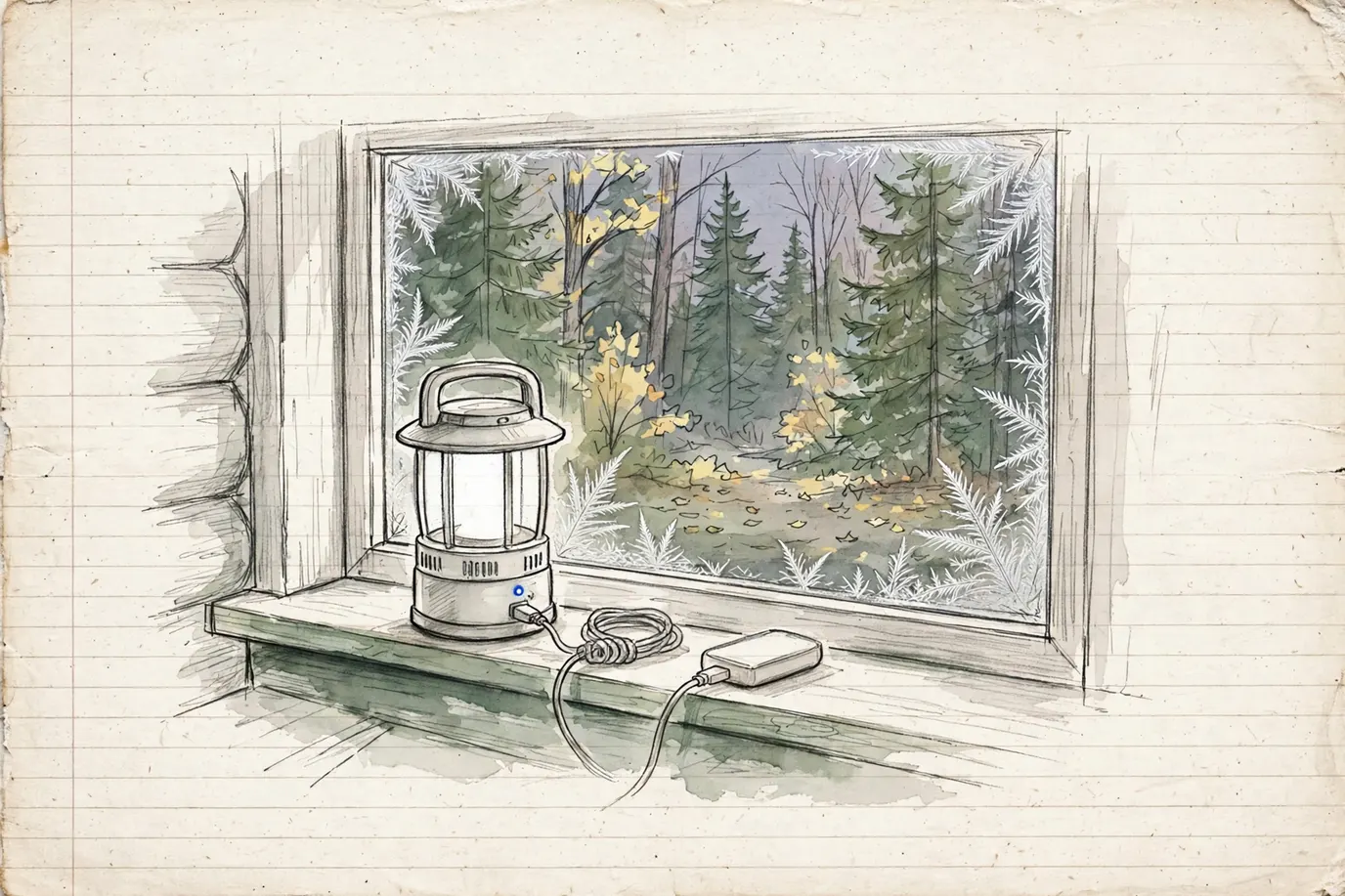
A rechargeable lantern trades a pack of batteries for a charging cable. The big choices are whether the battery is sealed inside or swappable, how long it takes to charge, and whether it can charge your phone too. Get those right and a USB camping lantern is the easiest light in camp to live with. Forget to charge it and it's a very nice paperweight. (Walt has a story about this. It's about me, and he tells it every November.)
We earn a commission if you buy through our links, at no cost to you. Disclosure
| Model | Format | Pack of | Max output | Max runtime | Power | Amazon |
|---|---|---|---|---|---|---|
Nitecore LR70Lantern | — | — | 3,000 lumenslisting | 600 hourslisting | Rechargeablelisting | Check price |
sofirn LT1SLantern More specs
| — | — | — | 500 hourslisting | Rechargeablelisting | Check price |
Wuben F5Lantern | — | — | 500 lumenslisting | 500 hourslisting | Rechargeable built-inlisting | Check price |
Wurkkos CL01Lantern More specs
| — | — | 550 lumenslisting | 300 hourslisting | Rechargeablelisting | Check price |
BioLite Alpenglow 500Lantern | — | — | 500 lumenslisting | 200 hourslisting | Rechargeablelisting | Check price |
BioLite Alpenglow 250Lantern | — | — | 250 lumenslisting | 200 hourslisting | Rechargeablelisting | Check price |
| — | — | 1,000 lumenslisting | 200 hourslisting | Rechargeablelisting | Check price | |
Ledlenser ML6Lantern More specs
| — | — | 750 lumenslisting | 200 hourslisting | Rechargeablelisting | Check price |
Nitecore NWL30Lantern | — | — | 3,000 lumenslisting | 130 hourslisting | Rechargeablelisting | Check price |
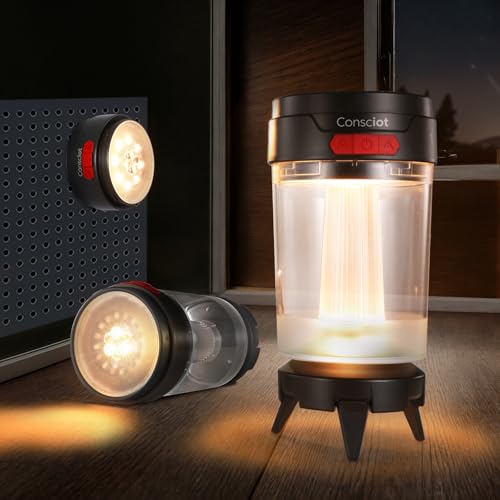
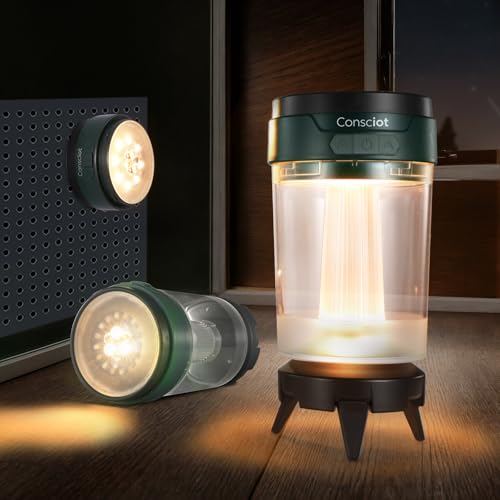
Consciot C02 USB-C Rechargeable LanternLantern More specs
| — | — | 1,500 lumenslisting | 100 hourslisting | Rechargeablelisting | Check price |
| — | — | — | 100 hourslisting | Rechargeablelisting | Check price | |
iodoo 3000LM Rechargeable Tent LightLantern More specs
| — | — | 3,000 lumenslisting | 100 hourslisting | Rechargeablelisting | Check price |
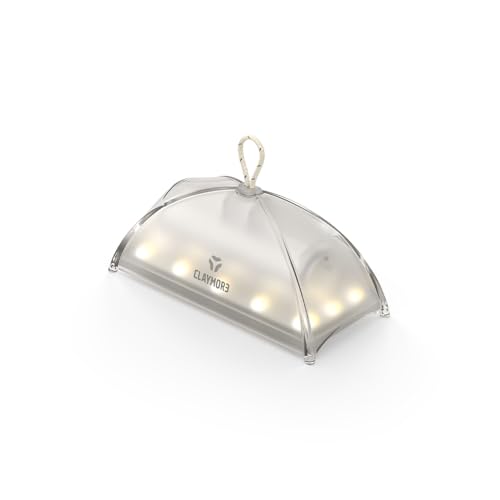
Claymore Ultra2 3.0 MediumLantern | — | — | — | 80 hourslisting | Rechargeablelisting | Check price |
| — | — | 500 lumenslisting | 72 hourslisting | Rechargeable removable celllisting | Check price | |
| — | 2listing | 550 lumenslisting | 60 hourslisting | Rechargeablelisting | Check price | |
Claymore Cabin LampLantern | — | — | 640 lumenslisting | 55 hourslisting | Rechargeablelisting | Check price |
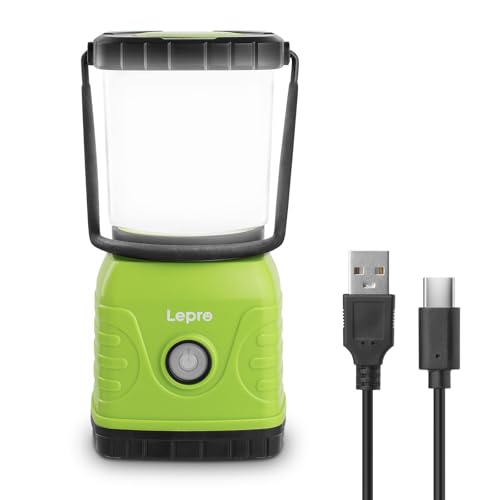
Lepro Vintage Railroad RechargeableLantern More specs
| — | — | 450 lumenslisting | 50 hourslisting | Rechargeablelisting | Check price |
Claymore 3Face Neo 10Lantern More specs
| — | — | 4,900 lumenslisting | 45 hourslisting | Rechargeablelisting | Check price |
Barebones Edison Light StickLantern | Standard lanternlisting | — | — | 40 hourslisting | Rechargeablelisting | Check price |
BioLite Alpenglow MiniLantern | — | — | 150 lumenslisting | 40 hourslisting | Rechargeablelisting | Check price |
| — | — | 450 lumenslisting | 30 hourslisting | Rechargeablelisting | Check price | |
| — | — | 450 lumenslisting | 30 hourslisting | Rechargeablelisting | Check price | |
| — | — | — | 24 hourslisting | Rechargeablelisting | Check price | |
iodoo 6000LM Rechargeable COB Work LightLantern More specs
| — | — | 6,000 lumenslisting | 24 hourslisting | Rechargeablelisting | Check price |
| — | 2listing | 3,000 lumenslisting | 24 hourslisting | Rechargeablelisting | Check price | |
Hoxida Rechargeable Camping Lantern 336 LMLantern More specs
| — | — | 336 lumenslisting | 20 hourslisting | Rechargeablelisting | Check price |
| — | — | 1,700 lumenslisting | 18 hourslisting | Rechargeablelisting | Check price | |
| — | — | 1,000 lumenslisting | 16 hourslisting | Rechargeablelisting | Check price | |
| — | — | 1,000 lumenslisting | 15 hourslisting | Rechargeable built-inlisting | Check price | |
Nebo Big PoppyLantern | — | — | 300 lumenslisting | 15 hourslisting | Rechargeablelisting | Check price |
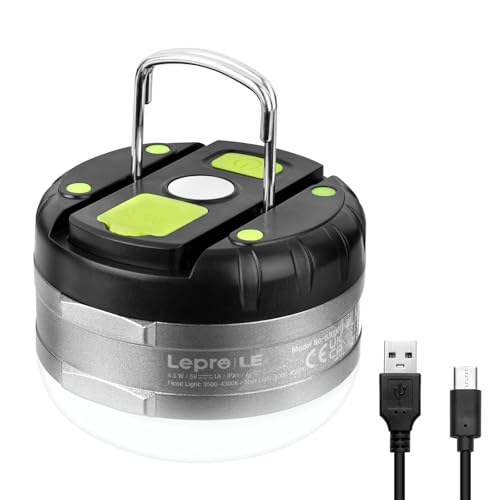
Lepro 1300LM RechargeableLantern More specs
| — | — | 1,300 lumenslisting | 12 hourslisting | Rechargeablelisting | Check price |
Streamlight Vulcan 180 44311Lantern | — | — | 1,200 lumenslisting | 12 hourslisting | Rechargeablelisting | Check price |
Nebo Galileo 1000 FlexLantern | — | — | 1,000 lumenslisting | 10.54 hourslisting | Rechargeablelisting | Check price |
| — | — | 1,500 lumenslisting | 7.5 hourslisting | Rechargeablelisting | Check price | |
| — | — | 1,500 lumenslisting | 7.5 hourslisting | Rechargeablelisting | Check price | |
| — | — | 1,500 lumenslisting | 7 hourslisting | Rechargeable built-inlisting | Check price | |
LitezAll Pine Cone LanternLantern More specs
| — | — | 180 lumenslisting | 6.5 hourslisting | Rechargeablelisting | Check price |
| — | — | 3,000 lumenslisting | 3.9 hourslisting | Rechargeablelisting | Check price | |
| — | — | 1,800 lumenslisting | 2.25 hourslisting | Rechargeablelisting | Check price | |
| — | — | 1,800 lumenslisting | — | Rechargeable built-inlisting | Check price |




| — | 3listing | — | — | Rechargeablelisting | Check price | |
| — | — | 2,000 lumenslisting | — | Rechargeable built-inlisting | Check price | |
Black Diamond Apollo LanternLantern | — | — | 250 lumenslisting | — | Rechargeablelisting | Check price |
Black Diamond Moji R+ LanternLantern More specs
| — | — | 200 lumenslisting | — | Rechargeable built-inlisting | Check price |
Black Diamond Orbiter 650Lantern | — | — | 650 lumenslisting | — | Rechargeablelisting | Check price |
Black Diamond Orbiter 450Lantern More specs
| — | — | 450 lumenslisting | — | Rechargeablelisting | Check price |
| Collapsiblelisting | — | — | — | Rechargeablelisting | Check price | |
Claymore Tenton Clear Tent LanternLantern More specs
| — | — | 1,100 lumenslisting | — | Rechargeablelisting | Check price |
| — | — | 2,500 lumenslisting | — | Rechargeablelisting | Check price | |
Consciot 1000LM Rechargeable LED LanternLantern More specs
| — | — | 1,000 lumenslisting | — | Rechargeablelisting | Check price |
| — | 2listing | — | — | Rechargeable built-inlisting | Check price | |
Consciot USB-C Rechargeable LED Lantern 4400mAhLantern More specs
| — | — | 425 lumenslisting | — | Rechargeablelisting | Check price |
Consciot USB-C Rechargeable LED Lantern 4400mAhLantern More specs
| — | — | 425 lumenslisting | — | Rechargeablelisting | Check price |
Consciot USB-C Rechargeable LED Lantern 4400mAhLantern More specs
| — | — | 425 lumenslisting | — | Rechargeablelisting | Check price |
| — | — | 130 lumenslisting | — | Rechargeablelisting | Check price | |
| — | — | — | — | Rechargeablelisting | Check price | |
| — | — | — | — | Rechargeablelisting | Check price | |
| — | — | 1,150 lumenslisting | — | Rechargeablelisting | Check price | |
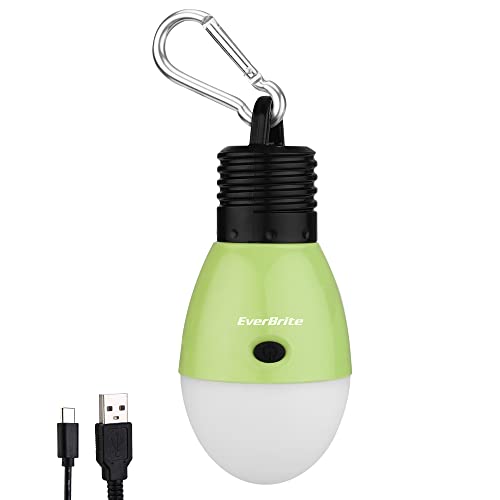
EverBrite 1000 Lumens Rechargeable LED LanternLantern More specs
| — | — | 1,000 lumenslisting | — | Rechargeable built-inlisting | Check price |
EverBrite Rechargeable LED Lantern DimmingLantern More specs
| — | — | 250 lumenslisting | — | Rechargeable built-inlisting | Check price |
EverBrite Rechargeable Camping Light with MemoryLantern More specs
| Puck/tent lightlisting | — | 150 lumenslisting | — | Rechargeable built-inlisting | Check price |
EverBrite 450LM Rechargeable Lantern 2-PackLantern More specs
| — | 2listing | 450 lumenslisting | — | Rechargeable built-inlisting | Check price |
EverBrite Mini Rechargeable Camping Lantern 300LMLantern More specs
| — | — | 300 lumenslisting | — | Rechargeable built-inlisting | Check price |
EverBrite 2-in-1 Rechargeable Flashlight and LanternLantern More specs
| — | — | 500 lumenslisting | — | Rechargeablelisting | Check price |
EverBrite Rechargeable Collapsible Mini LanternLantern More specs
| Collapsiblelisting | — | — | — | Rechargeablelisting | Check price |
| — | — | 4,000 lumenslisting | — | Rechargeable built-inlisting | Check price | |
| — | — | — | — | Rechargeablelisting | Check price | |
iodoo 4000LM Telescopic Camping LanternLantern More specs
| — | — | 4,000 lumenslisting | — | Rechargeablelisting | Check price |
| — | — | 4,000 lumenslisting | — | Rechargeablelisting | Check price | |
| — | — | 4,000 lumenslisting | — | Rechargeablelisting | Check price | |
| — | — | 4,000 lumenslisting | — | Rechargeable built-inlisting | Check price | |
klarus CL2Lantern | Collapsiblelisting | — | 750 lumenslisting | — | Rechargeablelisting | Check price |
klarus WL3Lantern | — | — | 1,500 lumenslisting | — | Rechargeablelisting | Check price |
| — | — | 800 lumenslisting | — | Rechargeablelisting | Check price | |
Lepro 1000LM RechargeableLantern | Standard lanternlisting | — | 1,000 lumenslisting | — | Rechargeable built-inlisting | Check price |
Lepro 1000LM Rechargeable 4400mAhLantern More specs
| Standard lanternlisting | — | 1,000 lumenslisting | — | Rechargeablelisting | Check price |
Lepro 410LM RechargeableLantern More specs
| — | — | 410 lumenslisting | — | Rechargeable built-inlisting | Check price |
Lepro 7 RGBW Mode 2-PackLantern | — | 2listing | — | — | Rechargeablelisting | Check price |
Lepro Vintage Railroad 1000LMLantern More specs
| — | — | 1,000 lumenslisting | — | Rechargeablelisting | Check price |
Lepro 2000LM RechargeableLantern | — | — | 2,000 lumenslisting | — | Rechargeablelisting | Check price |
LitezAll Rechargeable 200 Lumen BulbLantern More specs
| — | — | 200 lumenslisting | — | Rechargeablelisting | Check price |
LitezAll Rechargeable Camping Light BulbLantern More specs
| — | — | 100 lumenslisting | — | Rechargeablelisting | Check price |
| Collapsiblelisting | — | — | — | Rechargeablelisting | Check price | |
| — | — | — | — | Rechargeablelisting | Check price | |
Luxpro LP1520Lantern | — | — | 600 lumenslisting | — | Rechargeablelisting | Check price |
Luxpro LP189 Mini 2-PackLantern More specs
| — | 2listing | — | — | Rechargeablelisting | Check price |
Mankerlight ML04Lantern More specs
| — | — | 2,000 lumenslisting | — | Rechargeablelisting | Check price |
Mankerlight ML04Lantern More specs
| — | — | 2,000 lumenslisting | — | Rechargeablelisting | Check price |
Mankerlight ML04Lantern More specs
| — | — | 2,000 lumenslisting | — | Rechargeablelisting | Check price |
Mankerlight ML04Lantern More specs
| — | — | 2,000 lumenslisting | — | Rechargeablelisting | Check price |
Nebo OMNI 2KLantern | — | — | 2,000 lumenslisting | — | Rechargeablelisting | Check price |
Nebo Poppy PuckLantern More specs
| Puck/tent lightlisting | — | 300 lumenslisting | — | Rechargeablelisting | Check price |
| — | — | 1,750 lumenslisting | — | Rechargeablelisting | Check price | |
Nitecore LR60Lantern | — | — | 280 lumenslisting | — | Rechargeablelisting | Check price |
Nitecore LR40Lantern More specs
| — | — | 100 lumenslisting | — | Rechargeablelisting | Check price |
Nitecore LR40Lantern More specs
| — | — | 100 lumenslisting | — | Rechargeablelisting | Check price |
Nitecore LR40Lantern | — | — | 100 lumenslisting | — | Rechargeablelisting | Check price |
Nitecore LR40Lantern | — | — | 100 lumenslisting | — | Rechargeablelisting | Check price |
Nitecore LR40Lantern | — | — | — | — | Rechargeablelisting | Check price |
Nitecore NWL30 BundleLantern | — | — | 3,000 lumenslisting | — | Rechargeablelisting | Check price |
| — | — | — | — | Rechargeablelisting | Check price | |
sofirn BLF LT1Lantern More specs
| — | — | — | — | Rechargeablelisting | Check price |
| — | — | 1,100 lumenslisting | — | Rechargeablelisting | Check price | |
Streamlight Vulcan 180 44350Lantern | — | — | — | — | Rechargeablelisting | Check price |
| — | — | 10,000 lumenslisting | — | Rechargeablelisting | Check price | |
Streamlight BearTrap 61523Lantern | — | — | 2,000 lumenslisting | — | Rechargeablelisting | Check price |













What’s in this listLanterns with a rechargeable battery, as stated by the maker or the Amazon listing, longest runtime first. “—” means neither the maker nor the Amazon listing states it.
What makes a rechargeable lantern different
A rechargeable lantern gets its power from a lithium-ion battery and a cable, not from a pack of cells. That's the whole difference from a battery-operated lantern, and it changes the questions. You stop asking which cells it takes and start asking how big the battery is, how long it takes to fill, and what happens when it's cold.
The general lantern basics, like lumens for a tent or a table and why hanging beats sitting on the table, are on the camping lantern page. This page is about living with the battery.
The table on this page lists lanterns whose maker or Amazon listing says they have a rechargeable battery, longest runtime first. You'll see lumens, runtime, the battery type, water rating, shape, dimming steps, the hook, weight and how many come in the box. The maker's numbers come first and the Amazon listing's fill gaps (marked as listing values); a dash means neither states it.
What to look at in a rechargeable lantern
Read the table with these questions in mind.
Built-in battery or removable cell
The Power column tells you which kind of rechargeable you're looking at. There are a few:
- Built-in battery: sealed inside, charged through a port
- Removable cell: a standard lithium-ion cell, often an 18650 or 21700, that comes out
- Hybrid: a rechargeable battery plus a slot for AA cells as backup
- Solar plus USB: a small panel tops it up, with a port for the rest
A built-in battery is simple and usually better sealed. One maker's manual is blunt about it: the battery is built in, and you shouldn't try to remove or replace it. The trade is that when that battery wears out, the lantern is done.
A removable cell can be swapped for a charged spare in seconds. That's handy on a long trip. It also means you're handling a loose lithium-ion cell, so it needs a case, not a pocket full of keys.
A hybrid is the in-between: a rechargeable pack, plus a slot for AA cells for the night it runs flat. Solar lanterns are their own thing and have their own inflatable solar lantern page.
Battery size and charging time
Makers list battery size in milliamp-hours (mAh), sometimes in watt-hours (Wh) too. Bigger means more stored energy, a heavier lantern and a longer charge. Two lantern manuals I read both list a 4,400 mAh battery. One gives about 5 hours to charge; the other says 5 to 6 hours. One of them also lists the battery as 16.08 Wh.
That charging time is the number to remember. A dead rechargeable lantern is not a quick fix at camp. It's an evening plugged into the truck.
Charging port and the indicator light
Look at the port before you buy. Both manuals I read use micro USB; other lanterns use USB-C. Either works, but the cable in your truck has to match, and a lantern with an odd cable is one lost cable away from being useless. (I have a coffee can full of cables at home. Not one of them fits the thing I'm holding.)
The charge indicator matters more than it sounds. One maker uses a flashing blue light while charging and four blue lights when it's full; another uses a light that flashes while charging and goes solid when done. A lantern that shows its charge level is a lantern you won't be surprised by.
One maker says its lantern charges best with the light switched off. You can use it while it charges, but the charge takes longer.
Runtime by mode, not the headline
The Max runtime column is the longest the maker or the listing states, usually on the lowest setting. Under the ANSI FL1 standard, runtime counts until the output drops to 10% of where it started.
One maker's manual for a rechargeable lantern shows how wide the spread is on a single charge:
- High: about 2 hours 45 minutes
- Medium: about 6 hours 30 minutes
- Low: about 15 hours
Quick math with that chart: if dark to bedtime at deer camp runs longer than 2 hours 45 minutes, and in November it does, high won't make it. Medium lasts more than twice as long on the same charge. That's why the mode chart matters more than the number on the box.
Power bank output: the lantern that charges your phone
Some rechargeable lanterns have a USB output and double as a power bank. One maker lists its output at 5V and 1A. Another says its lantern can charge other USB devices but runs at its lowest brightness while it does. A third says to use only one port at a time while charging.
It's a useful feature at a camp without outlets. Just remember the math: every bit of charge your phone takes comes out of the lantern's night.
Max output and dimming
Max output is in lumens, the total light the lantern makes. BioLite's lantern guide suggests 75 to 150 lumens inside a tent and 200 to 500 on a table. Rechargeable lanterns often have the headroom for a bright top setting, but the dimming steps are what you'll use. A lantern with several steps lets you pick the one that lasts.
Water rating and hook
Water ratings follow the IPX scale. Streamlight's FL1 summary says IPX4 covers splashes from any direction and IPX7 covers temporary immersion in about 1 meter of water. On a rechargeable lantern, check whether the charging port has a cover; an open port is where the water gets in. A hook or loop lets it hang from a tent ceiling, which is where a lantern does its best work.
Getting a rechargeable lantern ready for a trip
A rechargeable camping lantern asks for about ten minutes of attention before each trip. Here's the routine I'd use.
- Charge it fully the night before you leave. With charge times of 5 hours or more in the manuals, the morning of is too late.
- Check the indicator lights, not your memory. The lights tell you it's full; your memory tells you it's probably fine.
- Run each mode once at home, so you know which step is medium and how bright it is.
- Pack the cable that fits the port, plus a car charger or a power bank that can refill it.
- Unplug it once it's full. Leaving a charged battery on the charger shortens its life, per one maker's manual.
- At camp, hang it and run it on the lowest step that does the job.
- Plug it in on the drive home, so it's ready when the next trip comes up.
That last step is the one people skip. (Walt has never skipped it, because Walt has never once charged anything. He just borrows mine.)
Rechargeable lanterns in the cold
Lithium-ion batteries have opinions about temperature. One maker's manual lists a charging range of 0°C to 45°C (32°F to 113°F) and a much wider range for running the lantern, -20°C to 60°C (-4°F to 140°F). New York's state lithium-ion safety guide says not to charge at temperatures below 32°F or above 105°F.
So at a cold camp, use the lantern outside if you like, but charge it in a warm place: the truck cab with the heater on, or the cabin. Another maker notes battery performance may drop well below freezing. If the lantern looks dim at dawn, warm it up before you decide the battery is shot.
Charging a rechargeable lantern safely
Charge lithium-ion batteries where you can watch them, and unplug them when they're full. Stop using a battery that's swollen, hot, hissing or smells odd.
New York's safety guide lists the rules plainly. Use the charger that came with the device or one the maker approves. It also says never to leave them charging unattended or overnight while you sleep. Plug directly into a wall outlet, not a power strip. Don't charge on a bed or a couch. Check for cracked cases, and look for swelling, extreme heat, popping or hissing sounds and strange smells as warning signs. Never put lithium-ion batteries in household trash; the guide points to battery recycling drop-offs instead.
One lantern maker adds a battery-life rule: don't leave a fully charged battery connected to the charger, because it shortens the battery's lifetime.
Putting it away for the summer
A lantern that spends June to October in a bin still needs a little attention. One maker recommends storing its lantern at 59°F to 77°F and says extreme cold or heat shortens battery life. It also notes that a charged battery loses charge over time when unused.
So don't leave it in the truck in August or the shed in January. Top it up before it goes into storage, check it at the start of the season, and charge it fully the week before your first trip. A sticky note on the bin with the last charge date helps. (Renee says my sticky notes have sticky notes. She's not wrong.)
Who a rechargeable lantern is for
Weekend campers with a charger in the truck
If you camp from a vehicle or a cabin with power, a rechargeable lantern is easy. Plug it in on the drive home, and it's ready next time. No battery runs, no drawer of half-dead cells.
Groups who want a phone charger too
A lantern with a power bank output earns its weight at a camp with no outlets. It's one less thing to pack. Just decide ahead of time whose phone gets charged first, because at a camp table that's the real argument, not the lumens.
Tents and blinds with kids in them
An LED rechargeable lantern makes no flame and no fumes, so it's the lantern for inside a tent or a ground blind. Put it on a low setting, hang it from a loop, and let the kid hold the switch. It's the one piece of gear they'll want to be in charge of.
Who should skip it
If the lantern will sit in an emergency bin for months, a battery-operated one is the safer bet, for the self-discharge reason above. If you camp far from any outlet for a week, the charging time works against you. And if you lose cables the way I lose cables, think hard about that port.
Here's my one opinion on this page: a rechargeable lantern needs a backup light with spare batteries. The reason is in the manuals. One lists about 5 to 6 hours to charge, and another lists a charging range that starts at freezing. A lantern that dies on a cold night at camp isn't coming back before morning. A small headlamp with fresh cells covers that gap, and the rechargeable headlamp page explains the same trade on the head.
Charge it on the way home, hang it from the tent loop, run it on medium. That's the whole manual, and it fits on a sticky note.
Brands in this list
Related
Questions people ask
How long does a rechargeable camping lantern take to charge?
Check the maker's manual, because it varies. Two lantern manuals with 4,400 mAh batteries list about 5 hours and 5 to 6 hours. One maker says the lantern charges best with the light switched off; running it while it charges stretches the charge time. Plan to charge the night before you leave, not the morning of.
Can a rechargeable lantern charge my phone?
Some can. Lanterns with a power bank feature have a USB output port, and one maker lists that output as 5V at 1A. Another maker's instructions say its lantern drops to its lowest brightness while it charges another device. Every phone charge comes out of the lantern's runtime, so watch the battery meter.
Can I charge a rechargeable lantern in the cold?
Usually not below freezing. One lantern maker lists a charging range of 0°C to 45°C (32°F to 113°F), wider for use than for charging. New York's state fire safety guide says not to charge lithium-ion batteries below 32°F or above 105°F. Bring it into a warm cabin or truck cab to charge.
Is a rechargeable or battery-operated lantern better?
A rechargeable lantern is cheaper to run and easier to top up if there's always a charger in the truck. A battery-operated lantern is better for an emergency bin or a closet, because one maker notes that charged batteries lose charge over time when unused. Many camps keep one of each.
Sources
- Dorcy: Adventure rechargeable lantern instructions — accessed 2026-10-22
- Jasco: Enbrighten rechargeable LED lantern instructions — accessed 2026-10-22
- Energizer: Lantern power bank and storage instructions — accessed 2026-10-22
- New York State Division of Homeland Security and Emergency Services: Lithium-ion battery consumer safety guide — accessed 2026-10-22
- BioLite: How many lumens do I need? Lanterns edition — accessed 2026-10-22
- Streamlight: ANSI information — accessed 2026-10-22
- Streamlight: ANSI FL1 standard presentation — accessed 2026-10-22