Fire & Lighting · Gear type
Red Light Headlamps
A red light headlamp is a headlamp with a red LED mode, and that mode does three jobs white light can't. It keeps your night vision intact, it's less noticeable to deer than white, and it doesn't light up the whole tent at 4 a.m. The deciding question isn't how bright the red is. It's whether you can reach red without flashing white first. (I've blinded myself on the porch steps more times than I'll admit to Renee.)

We earn a commission if you buy through our links, at no cost to you. Disclosure
| Model | Pack of | Max output | Beam distance | Max runtime | Power | Amazon |
|---|---|---|---|---|---|---|
Acebeam H30 HeadlampHeadlamp More specs
| — | 4,000 lumenslisting | — | — | Rechargeablelisting | Check price |
Acebeam H30 4000 Lumen Headlamp with Red and Green LEDsHeadlamp More specs
| — | 4,000 lumenslisting | — | — | — | Check price |
Acebeam H18 Right Angle HeadlampHeadlamp More specs
| — | 4,000 lumenslisting | 531 ftlisting | — | — | Check price |
Fenix HP35RHeadlamp More specs
| — | 4,000 lumenslisting | — | — | Rechargeablelisting | Check price |
Fenix HP35RHeadlamp More specs
| — | 4,000 lumenslisting | 1,476 ftlisting | — | Rechargeablelisting | Check price |
Fenix HP35R SARHeadlamp More specs
| — | 4,000 lumenslisting | 1,476 ftlisting | — | Rechargeablelisting | Check price |
Ledlenser H19R CoreHeadlamp More specs
| — | 3,500 lumenslisting | 984 ftlisting | — | — | Check price |
sofirn HS23Headlamp More specs
| — | 3,320 lumenslisting | 629 ftlisting | 350 hourslisting | Rechargeablelisting | Check price |
sofirn HS43Headlamp More specs
| — | 3,200 lumenslisting | 603 ftlisting | — | Rechargeablelisting | Check price |
Coast XPH40R HeadlampHeadlamp More specs
| — | 3,000 lumenslisting | — | 72 hourslisting | Rechargeablelisting | Check price |
Imalent HT50 HeadlampHeadlamp More specs
| — | 3,000 lumenslisting | — | — | — | Check price |
Nitecore HC75 UHEHeadlamp More specs
| — | 3,000 lumenslisting | 627 ftlisting | — | Rechargeablelisting | Check price |
OLIGHT Perun 3Headlamp More specs
| — | 3,000 lumenslisting | 525 ftlisting | 480 hourslisting | Rechargeablelisting | Check price |
ThruNite TH50Headlamp More specs
| — | 2,750 lumenslisting | 951 ftlisting | — | Rechargeablelisting | Check price |
Wurkkos HD17Headlamp More specs
| — | 2,500 lumenslisting | 721 ftlisting | — | Rechargeablelisting | Check price |
Nextorch hiStar 2300Headlamp More specs
| — | 2,300 lumenslisting | 840 ftlisting | — | Rechargeablelisting | Check price |
Fenix HM65R V2Headlamp More specs
| — | 2,200 lumenslisting | 755 ftlisting | — | — | Check price |
Fenix HM65R V2.0Headlamp More specs
| — | 2,200 lumenslisting | 753 ftlisting | — | Rechargeablelisting | Check price |
sofirn HS21Headlamp More specs
| — | 2,200 lumenslisting | — | — | Rechargeable built-inlisting | Check price |
sofirn HS21Headlamp More specs
| — | 2,200 lumenslisting | — | — | Rechargeablelisting | Check price |
Energizer Jeep HM-2100Headlamp More specs
| — | 2,100 lumenslisting | — | — | — | Check price |
sofirn 2100 Lumen RechargeableHeadlamp More specs
| — | 2,100 lumenslisting | — | — | Rechargeablelisting | Check price |
Blukar LED Rechargeable Headlamp 2000LHeadlamp More specs
| — | 2,000 lumenslisting | — | — | Rechargeablelisting | Check price |
Blukar LED Rechargeable Headlamp 2000LHeadlamp More specs
| — | 2,000 lumenslisting | — | — | Rechargeablelisting | Check price |
Coast WPH34R HeadlampHeadlamp More specs
| — | 2,000 lumenslisting | — | — | Rechargeable built-inlisting | Check price |
Coast WPH34R HeadlampHeadlamp More specs
| — | 2,000 lumenslisting | — | — | Rechargeable built-inlisting | Check price |
Coast WPH32R HeadlampHeadlamp More specs
| — | 2,000 lumenslisting | 591 ftlisting | — | Rechargeablelisting | Check price |
Nitecore HC65 UHEHeadlamp More specs
| — | 2,000 lumenslisting | 729 ftlisting | 82 hourslisting | Rechargeablelisting | Check price |
Nitecore HC65M UHEHeadlamp More specs
| — | 2,000 lumenslisting | 729 ftlisting | 82 hourslisting | Rechargeablelisting | Check price |
Nitecore HC65 MCTHeadlamp More specs
| — | 2,000 lumenslisting | 846 ftlisting | 154 hourslisting | Rechargeablelisting | Check price |
Fenix HM61R V3.0Headlamp More specs
| — | 1,800 lumenslisting | 639 ftlisting | — | Rechargeablelisting | Check price |
Nitecore NU53Headlamp More specs
| — | 1,800 lumenslisting | 573 ftlisting | 153 hourslisting | Rechargeablelisting | Check price |
Nitecore NU45Headlamp More specs
| — | 1,700 lumenslisting | 564 ftlisting | 86 hourslisting | Rechargeablelisting | Check price |
Fenix HP25R v2.0Headlamp More specs
| — | 1,600 lumenslisting | 951 ftlisting | 400 hourslisting | Rechargeablelisting | Check price |
Fenix HP25R v2.0 BundleHeadlamp More specs
| — | 1,600 lumenslisting | 951 ftlisting | 400 hourslisting | Rechargeablelisting | Check price |
Fenix HM60R V2.0Headlamp More specs
| — | 1,600 lumenslisting | 555 ftlisting | 292 hourslisting | Rechargeablelisting | Check price |
Fenix HM60R V2.0Headlamp More specs
| — | 1,600 lumenslisting | 558 ftlisting | — | Rechargeablelisting | Check price |
Fenix HM75RHeadlamp More specs
| — | 1,600 lumenslisting | 732 ftlisting | — | Rechargeablelisting | Check price |
Fenix HM70RHeadlamp More specs
| — | 1,600 lumenslisting | 610 ftlisting | 100 hourslisting | Rechargeablelisting | Check price |
Ledlenser HF8R Core RGBHeadlamp More specs
| — | 1,600 lumenslisting | 689 ftlisting | — | — | Check price |


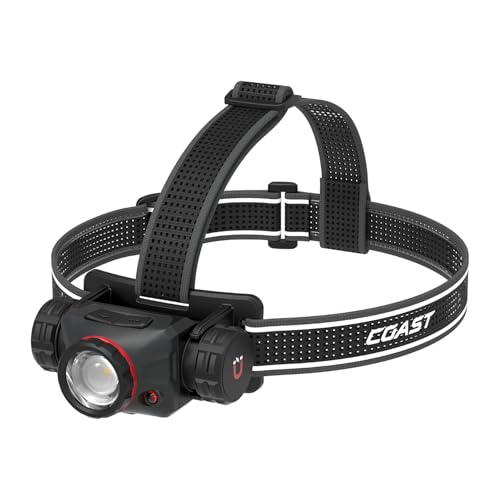


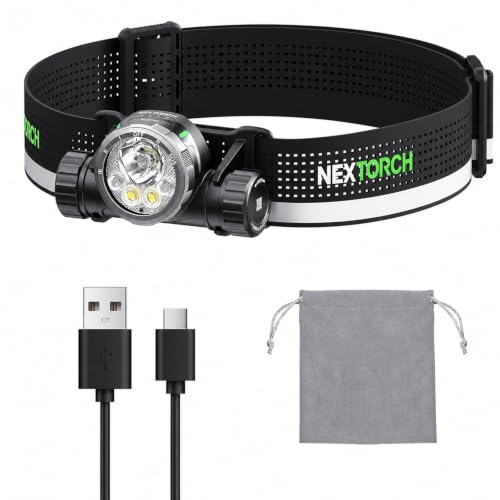


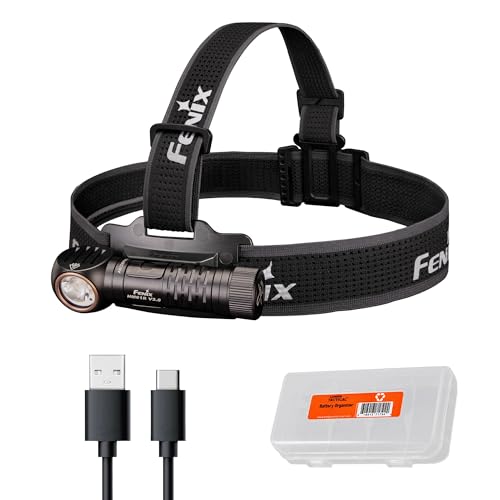


Nitecore HC60 UHEHeadlamp More specs
| — | 1,600 lumenslisting | 513 ftlisting | 200 hourslisting | Rechargeablelisting | Check price |
|---|---|---|---|---|---|---|
Coast WPH30R HeadlampHeadlamp More specs
| — | 1,500 lumenslisting | — | — | Rechargeable built-inlisting | Check price |
Optimal Ventures LITEBAND Multi-Beam BundleHeadlamp More specs
| — | 1,500 lumenslisting | 300 ftlisting | — | Rechargeablelisting | Check price |
Petzl NAO RLHeadlamp More specs
| — | 1,500 lumenslisting | 656 ftlisting | — | Rechargeablelisting | Check price |
sofirn H35RHeadlamp More specs
| — | 1,500 lumenslisting | 367 ftlisting | — | Rechargeable built-inlisting | Check price |
sofirn 1500 Lumen Red Light HeadlampHeadlamp More specs
| — | 1,500 lumenslisting | — | — | Rechargeablelisting | Check price |
Nitecore NU43Headlamp More specs
| — | 1,400 lumenslisting | 426 ftlisting | — | Rechargeablelisting | Check price |
Fenix HP12R-THeadlamp More specs
| — | 1,300 lumenslisting | 654 ftlisting | — | Rechargeablelisting | Check price |
Nextorch Estar 1300Headlamp More specs
| — | 1,300 lumenslisting | 673 ftlisting | — | Rechargeablelisting | Check price |
Coast FL95R HeadlampHeadlamp More specs
| — | 1,250 lumenslisting | — | — | Rechargeablelisting | Check price |
OLIGHT Perun 3 MiniHeadlamp More specs
| — | 1,250 lumenslisting | 509 ftlisting | — | Rechargeablelisting | Check price |
Coast FL97R HeadlampHeadlamp More specs
| — | 1,200 lumenslisting | — | — | Rechargeablelisting | Check price |
Coast CH1000R Headlamp 3-PackHeadlamp More specs
| 3listing | 1,200 lumenslisting | 623 ftlisting | — | Rechargeablelisting | Check price |
Fenix HM55RHeadlamp More specs
| — | 1,200 lumenslisting | 573 ftlisting | 141 hourslisting | Rechargeablelisting | Check price |
Fenix HM53RHeadlamp More specs
| — | 1,200 lumenslisting | 516 ftlisting | — | Rechargeablelisting | Check price |
Ledlenser HF7RHeadlamp More specs
| — | 1,200 lumenslisting | 689 ftlisting | — | — | Check price |
Wuben H1 ProHeadlamp More specs
| — | 1,200 lumenslisting | 410 ftlisting | — | Rechargeablelisting | Check price |
Coast RL35R HeadlampHeadlamp More specs
| — | 1,100 lumenslisting | — | — | Rechargeablelisting | Check price |
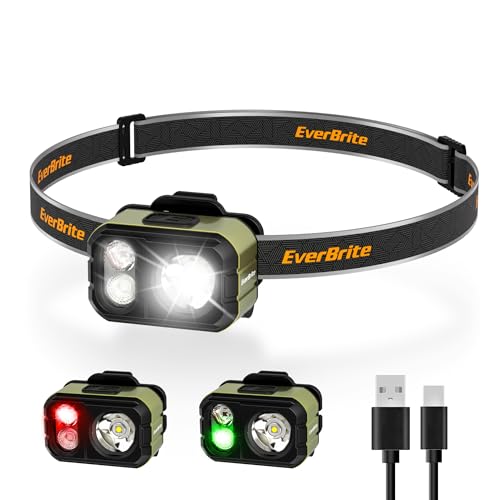
EverBrite 1100LM Magnetic Rechargeable HeadlampHeadlamp More specs
| — | 1,100 lumenslisting | — | — | Rechargeable built-inlisting | Check price |
Boruit HP440 Rechargeable HeadlampHeadlamp More specs
| — | 1,020 lumenslisting | — | — | Rechargeablelisting | Check price |
Boruit HP360 Rechargeable HeadlampHeadlamp More specs
| — | 1,000 lumenslisting | 328 ftlisting | — | Rechargeablelisting | Check price |
Coast RL20R HeadlampHeadlamp More specs
| — | 1,000 lumenslisting | — | — | Rechargeablelisting | Check price |
Coast FL85R HeadlampHeadlamp More specs
| — | 1,000 lumenslisting | — | 18 hourslisting | Rechargeable built-inlisting | Check price |
Coast WPH10R HeadlampHeadlamp More specs
| — | 1,000 lumenslisting | — | — | Rechargeablelisting | Check price |
Coast FLX10R HeadlampHeadlamp More specs
| 2listing | 1,000 lumenslisting | — | — | Rechargeablelisting | Check price |
Fenix HL45RHeadlamp More specs
| — | 1,000 lumenslisting | 720 ftlisting | — | Hybrid (rechargeable + AAA)listing | Check price |
Fenix HL45RHeadlamp More specs
| — | 1,000 lumenslisting | 722 ftlisting | — | Hybrid (rechargeable + AAA)listing | Check price |
Ledlenser MH11Headlamp More specs
| — | 1,000 lumenslisting | 1,050 ftlisting | — | Rechargeablelisting | Check price |
Optimal Ventures LITEBAND PRO Multi-BeamHeadlamp More specs
| — | 1,000 lumenslisting | 225 ftlisting | — | Rechargeablelisting | Check price |
Nebo MYCRO 900+Headlamp More specs
| — | 900 lumenslisting | — | — | Rechargeablelisting | Check price |
Wurkkos HD12Headlamp More specs
| — | 850 lumenslisting | 344 ftlisting | — | — | Check price |
Coast FLX40R HeadlampHeadlamp More specs
| — | 800 lumenslisting | — | — | Rechargeable built-inlisting | Check price |
Fenix HL18R-T V2.0Headlamp More specs
| — | 800 lumenslisting | 408 ftlisting | — | Hybrid (rechargeable + AAA)listing | Check price |
Fenix HL18R-T V2Headlamp More specs
| — | 800 lumenslisting | 410 ftlisting | — | Hybrid (rechargeable + AAA)listing | Check price |
Wuben H4Headlamp More specs
| — | 800 lumenslisting | 341 ftlisting | 50 hourslisting | Rechargeablelisting | Check price |
Black Diamond Storm+ 750Headlamp More specs
| — | 750 lumenslisting | — | — | Rechargeable built-inlisting | Check price |
Coast RL10R HeadlampHeadlamp More specs
| — | 750 lumenslisting | — | — | Rechargeablelisting | Check price |
Nebo Einstein 750Headlamp More specs
| — | 750 lumenslisting | — | 60 hourslisting | AAAlisting | Check price |
Black Diamond Icon 700 HeadlampHeadlamp More specs
| — | 700 lumenslisting | — | — | AAlisting | Check price |
Coast FL75 HeadlampHeadlamp More specs
| — | 700 lumenslisting | — | — | — | Check price |
Coast FLX7 HeadlampHeadlamp More specs
| — | 700 lumenslisting | — | — | AAAlisting | Check price |
EverBrite 700 Lumens Rechargeable HeadlampHeadlamp More specs
| — | 700 lumenslisting | 328 ftlisting | — | Rechargeable built-inlisting | Check price |
Fenix HM50R v2.0 Power BundleHeadlamp More specs
| — | 700 lumenslisting | — | 42 hourslisting | Rechargeablelisting | Check price |
Fenix HM50R v2.0Headlamp More specs
| — | 700 lumenslisting | — | 42 hourslisting | Rechargeablelisting | Check price |
Nitecore NU33Headlamp More specs
| — | 700 lumenslisting | 441 ftlisting | 147 hourslisting | Rechargeable built-inlisting | Check price |
Silva Explore 5Headlamp More specs
| — | 700 lumenslisting | 377 ftlisting | 50 hourslisting | Rechargeable built-inlisting | Check price |
Boruit HP400 Rechargeable HeadlampHeadlamp More specs
| — | 650 lumenslisting | 328 ftlisting | — | Rechargeablelisting | Check price |
Coast FL85 HeadlampHeadlamp More specs
| — | 615 lumenslisting | 600 ftlisting | 13 hourslisting | — | Check price |
Ledlenser MH10Headlamp More specs
| — | 600 lumenslisting | 492 ftlisting | — | — | Check price |
Ledlenser MH8Headlamp More specs
| — | 600 lumenslisting | — | 60 hourslisting | — | Check price |
Ledlenser H8RHeadlamp More specs
| — | 600 lumenslisting | 492 ftlisting | — | Rechargeablelisting | Check price |
Ledlenser HF4R SignatureHeadlamp More specs
| — | 600 lumenslisting | — | — | — | Check price |
Nitecore NU27Headlamp More specs
| — | 600 lumenslisting | 402 ftlisting | — | Rechargeablelisting | Check price |
Nitecore HA19Headlamp More specs
| — | 600 lumenslisting | 426 ftlisting | 90 hourslisting | AAlisting | Check price |
Police Security Breakout COBHeadlamp More specs
| — | 600 lumenslisting | — | — | — | Check price |
Coast RL10 HeadlampHeadlamp More specs
| — | 560 lumenslisting | — | — | AAAlisting | Check price |
Princeton Tec Vizz Tactical MPLSHeadlamp More specs
| — | 550 lumenslisting | — | — | — | Check price |
Princeton Tec VizzHeadlamp More specs
| — | 550 lumenslisting | — | — | AAAlisting | Check price |
Princeton Tec VIZZ 550 RGBHeadlamp More specs
| — | 550 lumenslisting | — | 75 hourslisting | AAAlisting | Check price |
Cyclops Hades Horizon HeadlampHeadlamp More specs
| — | 500 lumenslisting | — | — | Rechargeablelisting | Check price |
Ledlenser HF4R CoreHeadlamp More specs
| — | 500 lumenslisting | 427 ftlisting | 35 hourslisting | Rechargeablelisting | Check price |
Nicron D10 MiniHeadlamp More specs
| — | 500 lumenslisting | — | — | — | Check price |
Nitecore NU30Headlamp More specs
| — | 500 lumenslisting | 426 ftlisting | 97 hourslisting | Rechargeablelisting | Check price |
Silva Discover HybridHeadlamp More specs
| — | 500 lumenslisting | — | — | Hybrid (rechargeable + AAA)listing | Check price |
Silva Discover 500Headlamp More specs
| — | 500 lumenslisting | 262 ftlisting | 25 hourslisting | Hybrid (rechargeable + AAA)listing | Check price |
sofirn H25LRHeadlamp More specs
| — | 500 lumenslisting | — | — | Rechargeablelisting | Check price |
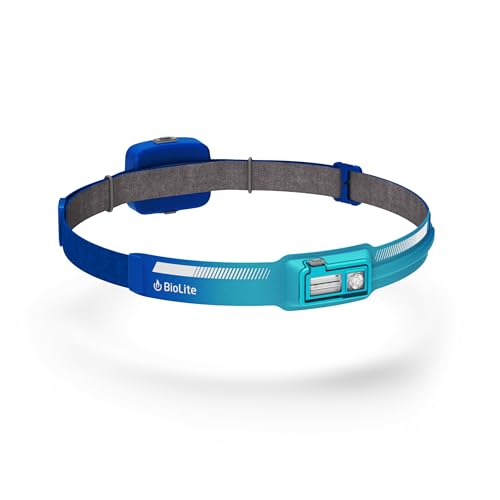
BioLite Dash 450Headlamp More specs
| — | 450 lumenslisting | 295 ftlisting | 60 hourslisting | Rechargeablelisting | Check price |
Petzl Tikka COREHeadlamp More specs
| — | 450 lumenslisting | — | — | Rechargeablelisting | Check price |
Petzl ACTIKHeadlamp More specs
| — | 450 lumenslisting | — | — | — | Check price |
Petzl ARIA 1 RGBHeadlamp More specs
| — | 450 lumenslisting | — | — | Hybrid (rechargeable + AAA)listing | Check price |
Petzl ARIA 1 RGBHeadlamp More specs
| — | 450 lumenslisting | — | — | Hybrid (rechargeable + AAA)listing | Check price |
Petzl ARIA 1 RGBHeadlamp More specs
| — | 450 lumenslisting | — | — | Hybrid (rechargeable + AAA)listing | Check price |
Petzl ARIA 2 RGBHeadlamp More specs
| — | 450 lumenslisting | — | — | Hybrid (rechargeable + AAA)listing | Check price |
Princeton Tec Axis Li RechargeableHeadlamp More specs
| — | 450 lumenslisting | — | — | Rechargeablelisting | Check price |
Princeton Tec Snap 450 RW SoloHeadlamp More specs
| — | 450 lumenslisting | — | — | — | Check price |
Silva Trail Runner Free 2Headlamp More specs
| — | 450 lumenslisting | — | — | AAAlisting | Check price |
Silva Seek 420Headlamp More specs
| — | 420 lumenslisting | — | — | Hybrid (rechargeable + AAA)listing | Check price |
Black Diamond Storm 400Headlamp More specs
| — | 400 lumenslisting | — | — | AAAlisting | Check price |
Black Diamond Storm 400Headlamp More specs
| — | 400 lumenslisting | — | — | AAAlisting | Check price |
Black Diamond Storm 400Headlamp More specs
| — | 400 lumenslisting | — | — | AAAlisting | Check price |
Black Diamond Spot 400-R HeadlampHeadlamp More specs
| — | 400 lumenslisting | — | — | Rechargeable built-inlisting | Check price |
Energizer Rechargeable Headlamp S400Headlamp More specs
| — | 400 lumenslisting | — | — | Rechargeablelisting | Check price |
Energizer LED Rechargeable Headlamp 400 LumensHeadlamp More specs
| — | 400 lumenslisting | — | 15 hourslisting | Rechargeablelisting | Check price |
EverBrite 400LM Ultralight HeadlampHeadlamp More specs
| — | 400 lumenslisting | — | — | Rechargeable built-inlisting | Check price |
Ledlenser MH5Headlamp More specs
| — | 400 lumenslisting | — | — | — | Check price |
Nitecore NU25 MCTHeadlamp More specs
| — | 400 lumenslisting | 432 ftlisting | — | Rechargeablelisting | Check price |
Nitecore NU25 ULHeadlamp More specs
| — | 400 lumenslisting | 432 ftlisting | — | Rechargeablelisting | Check price |
Silva Trail Runner Free HHeadlamp More specs
| — | 400 lumenslisting | — | 12 hourslisting | Hybrid (rechargeable + AAA)listing | Check price |
OLIGHT EasyWaveHeadlamp More specs
| — | 380 lumenslisting | 184 ftlisting | — | AAAlisting | Check price |
Petzl Swift LTHeadlamp More specs
| — | 380 lumenslisting | — | — | Rechargeablelisting | Check price |
LitezAll Brite BandHeadlamp More specs
| — | 370 lumenslisting | — | — | Rechargeablelisting | Check price |
Energizer PRO-360 HeadlampHeadlamp More specs
| — | 360 lumenslisting | — | — | AAAlisting | Check price |
EverBrite 360LM Ultralight HeadlampHeadlamp More specs
| — | 360 lumenslisting | 228 ftlisting | — | Rechargeable built-inlisting | Check price |
Nitecore NU25 (2017)Headlamp More specs
| — | 360 lumenslisting | 264 ftlisting | — | Rechargeablelisting | Check price |
Nitecore NU20 ClassicHeadlamp More specs
| — | 360 lumenslisting | 357 ftlisting | 97 hourslisting | Rechargeablelisting | Check price |
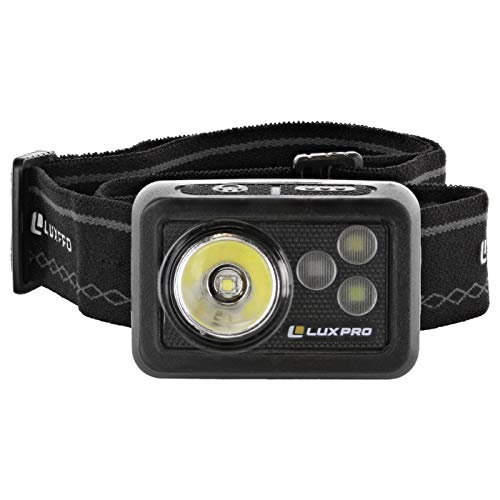
Luxpro LP735Headlamp More specs
| — | 355 lumenslisting | — | — | — | Check price |
Black Diamond Spot 350Headlamp More specs
| — | 350 lumenslisting | — | — | AAAlisting | Check price |
Black Diamond Spot 350Headlamp More specs
| — | 350 lumenslisting | — | — | AAAlisting | Check price |
Black Diamond Cosmo 350Headlamp More specs
| — | 350 lumenslisting | — | — | AAAlisting | Check price |
Cosoos Rechargeable Headlamp 2-PackHeadlamp More specs
| 2listing | 350 lumenslisting | — | — | Rechargeable built-inlisting | Check price |
Cyclops Force XP HeadlampHeadlamp More specs
| — | 350 lumenslisting | — | — | AAAlisting | Check price |
EverBrite 350LM Rechargeable HeadlampHeadlamp More specs
| — | 350 lumenslisting | 196 ftlisting | — | Rechargeable built-inlisting | Check price |
EverBrite 350 Lumen Rechargeable Headlamp 2-PackHeadlamp More specs
| 2listing | 350 lumenslisting | — | — | Rechargeable built-inlisting | Check price |
Petzl TikkaHeadlamp More specs
| — | 350 lumenslisting | 230 ftlisting | — | Hybrid (rechargeable + AAA)listing | Check price |
JETBeam HP35Headlamp More specs
| — | 335 lumenslisting | 295 ftlisting | — | — | Check price |
BioLite Luci Beam Headlamp and FlashlightHeadlamp More specs
| — | 300 lumenslisting | — | 30 hourslisting | Rechargeable built-inlisting | Check price |
Cyclops Trio 300 HeadlampHeadlamp More specs
| 3listing | 300 lumenslisting | — | — | AAAlisting | Check price |
EverBrite 300LM HeadlampHeadlamp More specs
| — | 300 lumenslisting | 328 ftlisting | — | — | Check price |
EverBrite 2-Pack LED Headlamp 300 LumensHeadlamp More specs
| 2listing | 300 lumenslisting | — | — | — | Check price |
Lepro Rechargeable 5-Mode HeadlampHeadlamp More specs
| — | 300 lumenslisting | 500 ftlisting | 30 hourslisting | Rechargeablelisting | Check price |
Lepro Dual Power 2-PackHeadlamp More specs
| 2listing | 300 lumenslisting | — | — | Hybrid (rechargeable + AAA)listing | Check price |
LitezAll SWYPEHeadlamp More specs
| — | 300 lumenslisting | 459 ftlisting | — | Rechargeablelisting | Check price |
Luxpro LP323Headlamp More specs
| — | 300 lumenslisting | — | — | AAAlisting | Check price |
Luxpro LP345V2Headlamp More specs
| — | 300 lumenslisting | — | 28 hourslisting | AAAlisting | Check price |
LitezAll Quattro 2-PackHeadlamp More specs
| 2listing | 250 lumenslisting | — | — | Rechargeablelisting | Check price |
Nightstick USB-4510FHeadlamp More specs
| — | 250 lumenslisting | — | — | Rechargeablelisting | Check price |
Silva SMINIHeadlamp More specs
| — | 250 lumenslisting | — | — | Rechargeable built-inlisting | Check price |
Silva SMINI FlyHeadlamp More specs
| — | 250 lumenslisting | — | — | Rechargeable built-inlisting | Check price |
Luxpro LP322Headlamp More specs
| — | 235 lumenslisting | — | — | AAAlisting | Check price |
LitezAll QuattroHeadlamp More specs
| — | 200 lumenslisting | — | — | AAAlisting | Check price |
LitezAll 5-Mode 200 Lumen HeadlampHeadlamp More specs
| — | 200 lumenslisting | — | — | — | Check price |
Nightstick XPR-5552GHeadlamp More specs
| — | 200 lumenslisting | — | 40 hourslisting | Rechargeablelisting | Check price |
Princeton Tec Byte TacticalHeadlamp More specs
| — | 200 lumenslisting | — | — | — | Check price |
Princeton Tec FredHeadlamp More specs
| — | 200 lumenslisting | — | 41 hourslisting | — | Check price |
Foxelli USB-C LED Headlamp 180 LumensHeadlamp More specs
| — | 180 lumenslisting | 300 ftlisting | 40 hourslisting | Rechargeablelisting | Check price |
Foxelli Rechargeable LED Headlamp 2-PackHeadlamp More specs
| 2listing | 180 lumenslisting | 300 ftlisting | 40 hourslisting | Rechargeablelisting | Check price |
Foxelli Rechargeable LED Headlamp 2-PackHeadlamp More specs
| 2listing | 180 lumenslisting | 300 ftlisting | 40 hourslisting | Rechargeablelisting | Check price |
Foxelli Rechargeable LED Headlamp 2-PackHeadlamp More specs
| 2listing | 180 lumenslisting | 300 ftlisting | 40 hourslisting | Rechargeablelisting | Check price |
Foxelli Rechargeable LED Headlamp 2-PackHeadlamp More specs
| 2listing | 180 lumenslisting | 300 ftlisting | 40 hourslisting | Rechargeablelisting | Check price |
Foxelli Rechargeable LED Headlamp 2-PackHeadlamp More specs
| 2listing | 180 lumenslisting | 300 ftlisting | 40 hourslisting | Rechargeablelisting | Check price |
Foxelli Rechargeable LED Headlamp 2-PackHeadlamp More specs
| 2listing | 180 lumenslisting | 300 ftlisting | 40 hourslisting | Rechargeablelisting | Check price |
Foxelli Rechargeable LED Headlamp 2-PackHeadlamp More specs
| 2listing | 180 lumenslisting | 300 ftlisting | 40 hourslisting | Rechargeablelisting | Check price |
Foxelli Rechargeable LED Headlamp 2-PackHeadlamp More specs
| 2listing | 180 lumenslisting | 300 ftlisting | 40 hourslisting | Rechargeablelisting | Check price |
Streamlight Bandit 61706Headlamp More specs
| — | 180 lumenslisting | — | 10 hourslisting | Rechargeablelisting | Check price |
Foxelli Kids Headlamp USB-CHeadlamp More specs
| — | 160 lumenslisting | 200 ftlisting | 30 hourslisting | Rechargeablelisting | Check price |
Foxelli Rechargeable Headlamp 2-PackHeadlamp More specs
| 2listing | 160 lumenslisting | 200 ftlisting | 30 hourslisting | Rechargeablelisting | Check price |
Foxelli Rechargeable Headlamp 2-PackHeadlamp More specs
| 2listing | 160 lumenslisting | 200 ftlisting | 30 hourslisting | Rechargeablelisting | Check price |
Cyclops 150-Lumen Rechargeable Motion Sensor HeadlampHeadlamp More specs
| — | 150 lumenslisting | — | — | Rechargeablelisting | Check price |
Cyclops Ranger CREE XPE HeadlampHeadlamp More specs
| — | 126 lumenslisting | — | 5 hourslisting | AAAlisting | Check price |
Boruit H09 Red Light HeadlampHeadlamp More specs
| — | 120 lumenslisting | 328 ftlisting | — | AAAlisting | Check price |
Energizer Universal LED Headlamp 2-PackHeadlamp More specs
| 2listing | 100 lumenslisting | 131 ftlisting | — | AAAlisting | Check price |
Ledlenser KIDLED2Headlamp More specs
| — | 40 lumenslisting | — | — | — | Check price |
Ledlenser Kidled4RHeadlamp More specs
| — | 40 lumenslisting | — | — | — | Check price |
Petzl e+LITEHeadlamp More specs
| — | 30 lumenslisting | — | — | — | Check price |
Acebeam H30 Nichia XHP70.2 HeadlampHeadlamp More specs
| — | — | — | — | Rechargeablelisting | Check price |
Blukar LED Rechargeable HeadlampHeadlamp More specs
| — | — | — | 20 hourslisting | Rechargeablelisting | Check price |
Boruit BR01 HeadlampHeadlamp More specs
| — | — | 262 ftlisting | 36 hourslisting | AAAlisting | Check price |
Boruit Red Light Headlamp with ClipHeadlamp More specs
| — | — | — | — | Rechargeablelisting | Check price |
Boruit RT400 HeadlampHeadlamp More specs
| — | — | — | — | — | Check price |
Boruit USB-C Rechargeable Headlamp with Red LightHeadlamp More specs
| — | — | — | — | Rechargeablelisting | Check price |
Boruit BR01 Red Light HeadlampHeadlamp More specs
| — | — | 262 ftlisting | 36 hourslisting | AAAlisting | Check price |
Cosoos Rechargeable Headlamp 2-PackHeadlamp More specs
| 2listing | — | — | — | Rechargeablelisting | Check price |
Cyclops HL500 HeadlampHeadlamp More specs
| — | — | — | — | AAAlisting | Check price |
Energizer Vision HD+ HeadlampHeadlamp More specs
| — | — | — | — | — | Check price |
Energizer Vision HD+ HeadlampHeadlamp More specs
| — | — | — | — | AAAlisting | Check price |
Energizer PRO-315 HeadlampHeadlamp More specs
| — | — | — | — | AAAlisting | Check price |
Energizer PRO-260 HeadlampHeadlamp More specs
| — | — | — | — | AAAlisting | Check price |
Energizer PRO-400 Rechargeable HeadlampHeadlamp More specs
| — | — | — | — | Rechargeablelisting | Check price |
Energizer Jeep MP-450Headlamp More specs
| — | — | — | — | Rechargeablelisting | Check price |
Energizer MP-450 HeadlampHeadlamp More specs
| — | — | — | — | Rechargeablelisting | Check price |
Energizer LED Rechargeable Headlamp 2-PackHeadlamp More specs
| 2listing | — | — | — | Rechargeablelisting | Check price |
Ledlenser HF7R RGBHeadlamp More specs
| — | — | — | — | — | Check price |
Ledlenser HF4RHeadlamp More specs
| — | — | 427 ftlisting | — | — | Check price |
Lepro Rechargeable LED Headlamp 2-PackHeadlamp More specs
| 2listing | — | — | — | Rechargeablelisting | Check price |
Lepro Battery Powered Headlamp 2-PackHeadlamp More specs
| 2listing | — | 400 ftlisting | 22 hourslisting | AAAlisting | Check price |
Lepro Rechargeable Headlamp BundleHeadlamp More specs
| 2listing | — | 500 ftlisting | — | Rechargeablelisting | Check price |
Lepro Rechargeable Headlamp BundleHeadlamp More specs
| 2listing | — | 500 ftlisting | 15 hourslisting | Rechargeablelisting | Check price |
Lepro Battery Powered Headlamp BundleHeadlamp More specs
| 2listing | — | 500 ftlisting | 22 hourslisting | — | Check price |
Lepro Dual Power Motion SensorHeadlamp More specs
| — | — | — | — | Hybrid (rechargeable + AAA)listing | Check price |
Lepro Dual Power Motion Sensor 2-PackHeadlamp More specs
| 2listing | — | — | — | Hybrid (rechargeable + AAA)listing | Check price |
LHKNL Rechargeable Motion Sensor Headlamp 2-PackHeadlamp More specs
| 2listing | — | — | — | Rechargeable built-inlisting | Check price |
LHKNL Rechargeable Motion Sensor Headlamp 2-PackHeadlamp More specs
| 2listing | — | — | 10 hourslisting | Rechargeable built-inlisting | Check price |
LHKNL Motion Sensor Rechargeable HeadlampHeadlamp More specs
| 1listing | — | — | — | Rechargeable built-inlisting | Check price |
LHKNL 230° Wide Beam 2-PackHeadlamp More specs
| 2listing | — | 400 ftlisting | — | Rechargeablelisting | Check price |
LitezAll Nearly Invincible RechargeableHeadlamp More specs
| — | — | — | 75 hourslisting | Rechargeablelisting | Check price |
Luxpro LP323 2-PackHeadlamp More specs
| 2listing | — | — | — | — | Check price |
Nightstick NSP-4610BHeadlamp More specs
| — | — | — | — | AAAlisting | Check price |
Nightstick XPP-5456GHeadlamp More specs
| — | — | 394 ftlisting | — | AAlisting | Check price |
Petzl ACTIK COREHeadlamp More specs
| — | — | — | — | Rechargeablelisting | Check price |
Princeton Tec RemixHeadlamp More specs
| — | — | — | — | — | Check price |
Princeton Tec SyncHeadlamp More specs
| — | — | — | — | — | Check price |
Smiling Shark 7 LED 270° 2-PackHeadlamp More specs
| 2listing | — | — | 16 hourslisting | Rechargeable built-inlisting | Check price |
Smiling Shark 7 LED 270° 3-PackHeadlamp More specs
| 3listing | — | — | 16 hourslisting | Rechargeable built-inlisting | Check price |
Smiling Shark TD-0123FHeadlamp More specs
| 1listing | — | — | 15 hourslisting | Rechargeable built-inlisting | Check price |
Smiling Shark WF-01 2-PackHeadlamp More specs
| 2listing | — | — | — | Rechargeablelisting | Check price |


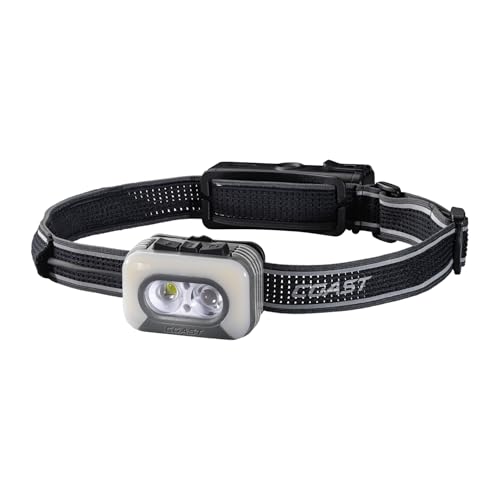


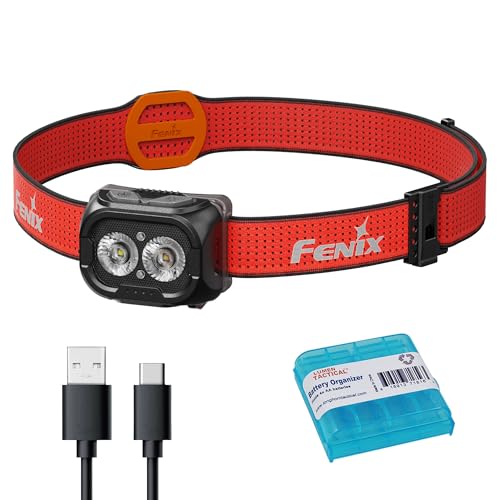


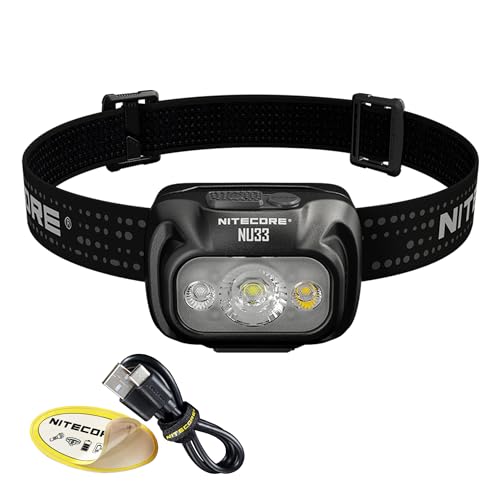


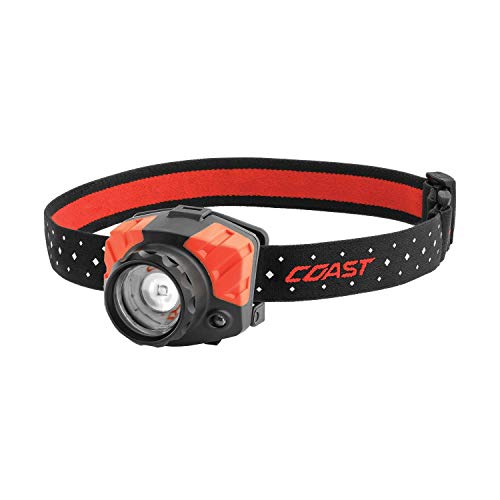


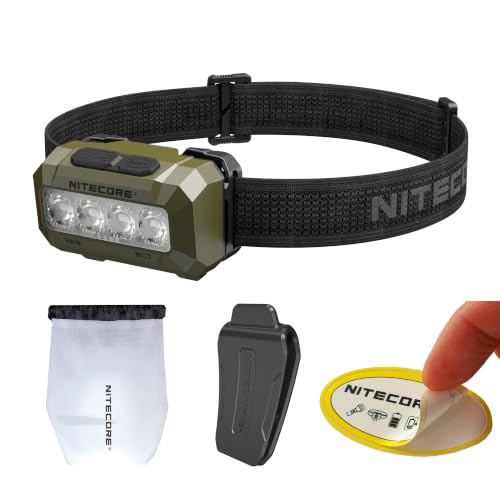










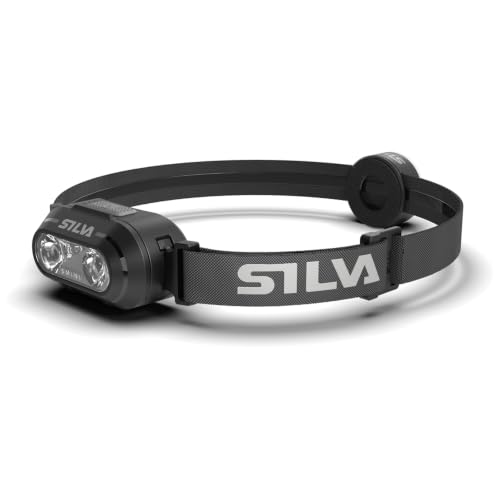


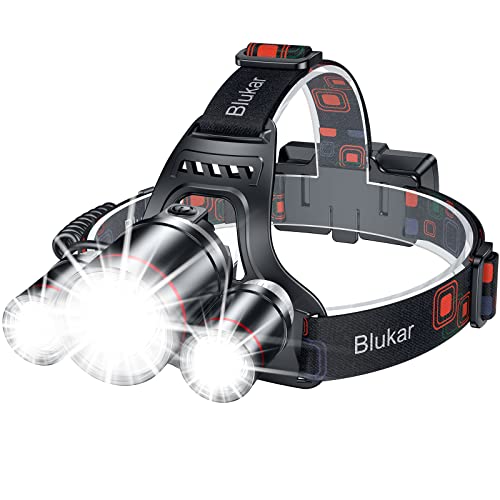

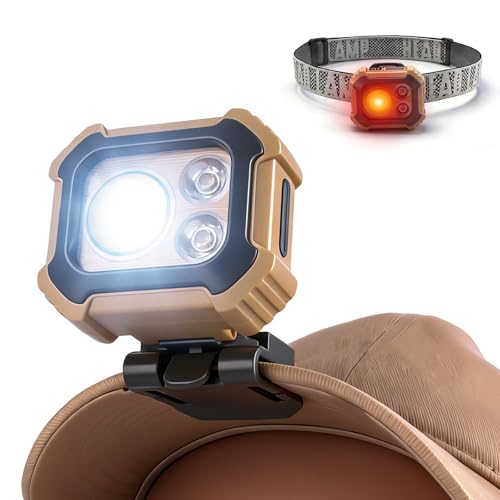


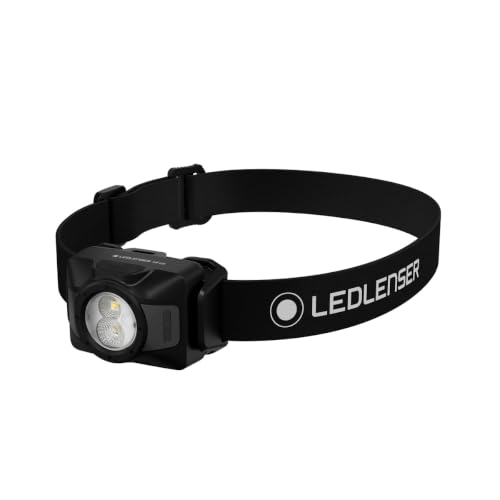

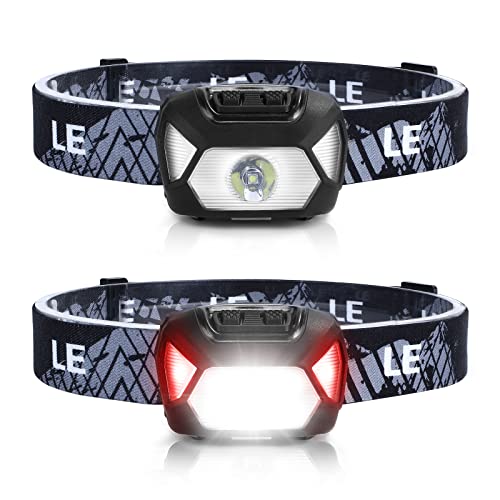


What’s in this listHeadlamps with a red light mode, as stated by the maker or the Amazon listing. “—” means neither the maker nor the Amazon listing states it.
What makes a red light headlamp different
Every headlamp throws white light. A red light headlamp adds red LEDs and a mode that runs them, and the maker or the Amazon listing says so. That's the rule for the table on this page: headlamps with a red light mode, as the maker or the listing states it.
The white-light specs (lumens, throw, runtime, IPX) are the same story on every lamp, so I left them on the headlamps page. Here it's all about the red mode: why it works, what deer make of it, and the handful of controls that decide whether red is useful or just a checkbox.
Why a headlamp with red light protects your night vision
The National Park Service explains it with one chemical. Rods, the cells at the edge of your eye that see in dim light, need something called rhodopsin to work. Your body doesn't make it in daylight. It starts after about 20 minutes or so of low light, and you get the full benefit somewhere in the 20 to 40 minute range.
Then you click on a bright white light. The NPS says it only takes a few seconds of bright light to break rhodopsin down, and the rods quit. The whole cycle starts over. Deep red light doesn't trigger that breakdown, which is why astronomers use it.
Princeton Tec describes the other half of the effect. Your pupils open wide in the dark and close down in bright light. A strong white beam can leave you seeing less once you turn it off, because your eyes have to open back up.
Two details from the NPS matter for shopping. First, dim red is best. Most lights aren't one pure color, so even red light carries a little of other colors, and a bright red can still cost you some dark adaptation. Second, the goal is the light you need and no more. A red mode with a low setting beats one that only comes in "bright."
What deer see when you walk in with red light
Here's where hunters come in. A 2005 University of Georgia Research Magazine article reported that deer see color much as people do, but with red-green color blindness. One researcher said a car's red taillights would probably look black to a deer. The same work suggested deer may see blue better than we do.
Outdoor Life's write-up of the UGA research adds the later findings. A 1992 UGA study found reds and oranges didn't register in a deer's brain the way they do in ours. A later study mapped the photoreceptors in the deer retina. The researcher behind it described those long red wavelengths as looking "more like a muted yellow or a muted brown" to a deer. The same article quotes a UGA researcher saying deer eyes are most sensitive in twilight, which is exactly when you're walking in.
So red is the right color, but it's not a cloak. Princeton Tec puts it plainly: red light isn't completely invisible to animals, it's just less likely to startle them than white. Keep it dim, keep it low, and keep it off once you're settled.
What to look at on a red light headlamp
The table marks red light yes or no. That's the starting line. These are the details that decide whether you'll actually use it.
Reach red without passing through white
This is my one opinion for this page: a red mode you have to click through white to reach is the wrong red mode. The reason is the NPS point above. A few seconds of white light is all it takes to undo your dark adaptation, and cycling through modes takes a few seconds.
Some lamps fix this in the controls. One maker's spec sheet says its red night-vision mode activates without cycling through the white mode. Others use a separate button or a long press for red. Look for that line in the maker's description or manual. If it isn't there, assume you'll flash white first.
Red-first and mode memory
One maker says all of its headlamps default to red light first. It also says to check whether a lamp stays on red when you turn it off, because some lights reset. A lamp that remembers red means you can switch it off in the stand and back on for the walk out without a white flash.
Brightness memory is the same idea for the level. One maker lists a memory feature that turns the lamp back on at the brightness you chose, instead of a default setting. Red-first, red memory or a dedicated red button all solve the problem. Pick one.
Red brightness levels
Princeton Tec says most red-light headlamps offer more than one brightness level. Lower red settings save battery, and higher ones add visibility while keeping the night-vision benefit. One maker's red mode also has dimming and a strobe.
Low red is for camp and the last stretch near your stand. A brighter red helps on rough ground. If a lamp has only one red level, it's usually a close-range light. Princeton Tec describes the red LEDs on one of its lamps as providing close-range lighting, which is a fair description of red in general.
Controls you can find with gloves
Princeton Tec's advice is easy controls that let you switch settings quickly. In November that means a button you can feel through a glove, in the dark, without pressing the wrong one. Try it at home with your hunting gloves on. Kitchen table first, deer woods second.
Green and blue: the other colors in the table
The table also shows a green light column, and fewer lamps have it. One maker lists red night-vision as a standard setting on most of its lights, while extra colors are rarer. If the color you need isn't in the maker's or the listing's description, the lamp doesn't have it.
Test the red mode at home, in the dark
Ten minutes in your own kitchen tells you more than the spec sheet. Turn the house lights off and give your eyes a few minutes. Then run the checks that matter on a dark morning:
- First click: does it come on red, or flash white on the way there
- Off and on again: does it come back in red, at the level you left it
- Lowest red: is it dim enough for the last stretch to the stand
- Gloves on: can you find the red button without looking
- Lock: can you lock it in the bag and switch the lock off by feel
If a lamp fails the first check, learn its workaround now. Some lamps hide red behind a long press or a second button, and the manual will say which. Write it on a strip of tape inside the lid of your bin. Nobody reads a manual at 5 a.m., and I say that as a man who has read every manual in the cabin, including the one for the coffee maker. Twice.
Red, green or blue: which color does which job
Princeton Tec's hunting article splits the colors like this:
- Red: walking in without disturbing animals, keeping night vision, and picking up animal eyes in thick grass or brush
- Green: more contrast, better for spotting animals at a distance and reading fine map detail
- Blue: makes blood trails stand out, because the fluids glow under it; also the color animals detect most easily
That last point matters. Blue is a tracking color, not a walking color. Princeton Tec warns it's the most likely to spook animals. Blood trailing at night is its own job, with dedicated lights on the blood tracking light page.
For most deer hunters, red covers the walk in and the stand. Green is a bonus if you hunt open fields or read a map in the dark.
Where a red light headlamp earns its keep
The walk to the stand
Set the lamp to red the night before so the first click is red. Use the lowest setting that shows you the ground, and switch off once you're settled. Check your state wildlife agency for any rules on lights while hunting, because they differ from state to state.
Camp and the tent at night
Princeton Tec says red light doesn't shine brightly through tent walls, so you can get up at night without waking anyone. It also says red attracts fewer bugs.
At Hemlock Run, the person you don't want to wake is Walt. He claims he's a light sleeper. Nobody has tested that claim on purpose. But white light at 4 a.m. gets you a lecture, and red light gets you a grunt. Real talk: I'll take the grunt.

With a group
Princeton Tec makes the point that red lets people see each other in the dark without blinding one another. Anybody who has turned to answer a question with a white headlamp on knows why. Everyone at the fire ring gets a face full of light, and the conversation stops.
Reading a map or notes
Red light works for reading maps and charts up close. One catch from Princeton Tec: anything printed in red vanishes under red light. If your map marks trails or property lines in red, you'll need white or green for a second. Same goes for anything you marked in red ink yourself. Write the important stuff in pencil or black.
Limits of red light
Red is a dim, close-range color. It's great for keeping your eyes and not so great for detail. You'll lose some color sense, since red ink and red markings disappear under it. It also won't make you invisible to deer, per the UGA work and Princeton Tec. And the NPS says even red light costs some dark adaptation if it's bright.
None of that is a reason to skip the red mode. It's a reason to use white when you actually need detail, and red the rest of the time.
Who should skip a red light headlamp
If you only use a headlamp in a lit campground or for chores in the garage, red adds nothing. If your nights are all trail running at speed, you need a strong white beam more than a red mode. And if you need to see color, like checking wiring or reading a red-marked map, red is the wrong light for that minute.
For everyone else, red is the setting you'll end up using the most and thinking about the least. That's the best compliment a headlamp mode can get.
Brands in this list
Related
Questions people ask
Does red light spook deer?
Less than white light, but it isn't invisible to them. University of Georgia research found deer are red-green color-blind, and a later study found reds and oranges register more like muted yellows or browns. Princeton Tec says red is less likely to startle animals, not that they can't see it.
Why do hunters use a headlamp with red light?
Two reasons. Red keeps your own eyes adjusted to the dark on the walk in, since the National Park Service says a few seconds of bright light can undo 20 to 40 minutes of adjustment. And deer see long red wavelengths poorly, so a dim red beam draws less attention than white.
Is a red or green headlamp better for hunting?
They do different jobs. Princeton Tec puts red first for walking in quietly and keeping night vision. It says green gives more contrast for spotting animals at a distance and reading map detail. Blue is for blood trails and is the color most likely to spook animals.
How long does it take to get night vision back after white light?
The National Park Service says your eyes start making the chemical behind night vision after about 20 minutes in low light, with the full benefit in 20 to 40 minutes. A few seconds of bright light breaks it down and the clock starts over. That's the whole case for a red mode.
Does red light use less battery than white?
Princeton Tec says red light already uses less battery than white, and a lower red setting stretches it further. Check the maker's mode chart for red runtimes, because not every spec sheet lists them separately from the white modes.
Sources
- National Park Service: Dark adaptation of the human eye and the value of red flashlights — accessed 2026-10-22
- Princeton Tec: Why red light first? The benefits and uses of red light in headlamps — accessed 2026-10-22
- Princeton Tec: RGB in the wild, how red, green and blue light help hunters — accessed 2026-10-22
- University of Georgia Research Magazine: Deer speak (deer color vision research) — accessed 2026-10-22
- Outdoor Life: Do hunters really need to wear camouflage? Here are the colors deer can see — accessed 2026-10-22
- Black Diamond: Spot 400 headlamp (red night-vision mode without cycling through white, brightness memory) — accessed 2026-10-22
- Black Diamond: How to choose the best headlamp — accessed 2026-10-22