Trail Cameras & Optics · Gear type
Rangefinder for Hunting
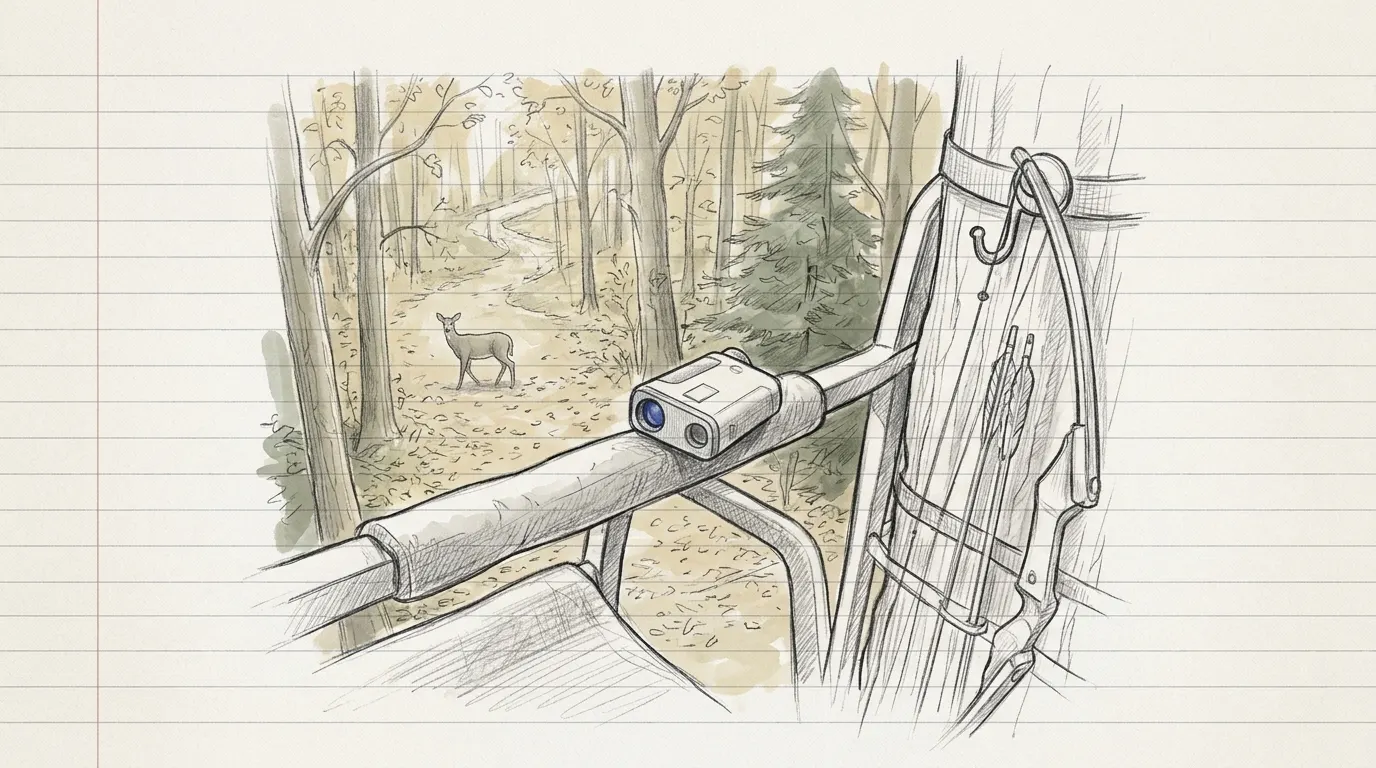
A rangefinder for hunting is a small laser monocular that tells you how far away the deer is, to the yard, before you draw. For bowhunters it decides which pin you use; for rifle hunters it feeds the holdover. Pick by three things: whether it compensates for angle, whether it can read through brush, and whether you can read the display at dawn. The big number on the box matters least. (I write the yardage on every logbook entry. Walt writes "close.")
We earn a commission if you buy through our links, at no cost to you. Disclosure
| Model | Size | Max range (reflective) | Magnification | Angle compensation | Amazon |
|---|---|---|---|---|---|
MiLESEEY IONJET8Rangefinder More specs
| — | 8,000 ydlisting | 7.5 xlisting | — | Check price |
Sig Sauer KILO8K-ABS 7x25Rangefinder | — | 8,000 ydlisting | 7 xlisting | — | Check price |
Sig Sauer KILO5K 7x25Rangefinder | — | 5,000 ydlisting | 7 xlisting | — | Check price |
Maven RF.1Rangefinder | — | 4,500 ydlisting | — | — | Check price |
Maven RFZ.1 6-12x21Rangefinder | — | 4,500 ydlisting | — | Yeslisting | Check price |
Sig Sauer KILO4K 6x22Rangefinder | — | 4,000 ydlisting | 6 xlisting | — | Check price |
Vortex Razor HD 4000Rangefinder | — | 4,000 ydlisting | 7 xlisting | — | Check price |
Leica Rangemaster CRF 3500.COMRangefinder | — | 3,500 ydlisting | — | — | Check price |
Halo Optics XLR 3000 RangefinderRangefinder | — | 3,000 ydlisting | — | Yeslisting | Check price |
Sig Sauer Kilo Canyon 6x22Rangefinder | — | 3,000 ydlisting | 6 xlisting | — | Check price |
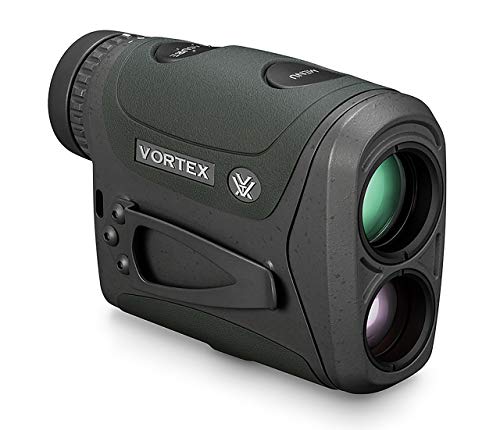
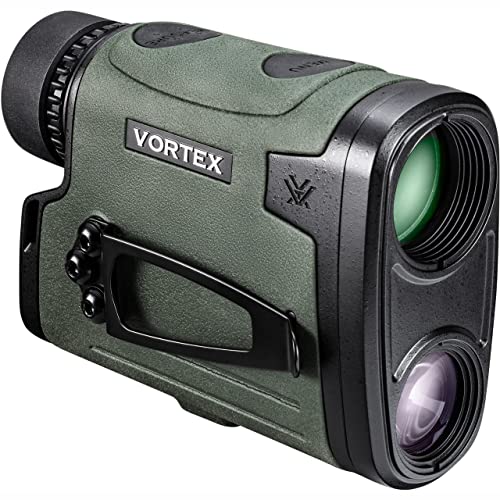
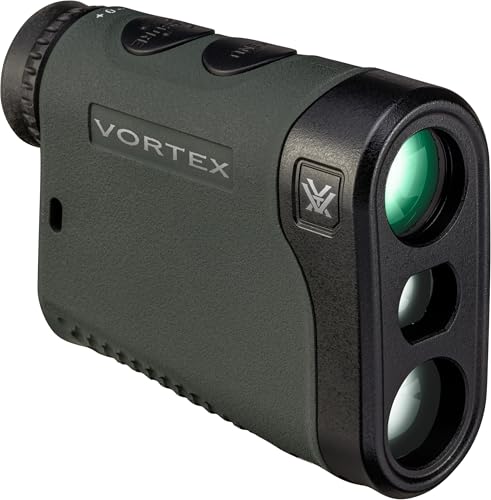
Vortex Viper HD 3000Rangefinder More specs
| — | 3,000 ydlisting | 7 xlisting | Yeslisting | Check price |
| — | 2,500 ydlisting | — | Yeslisting | Check price | |
Wosports Hunting Range Finder 2300Rangefinder More specs
| — | 2,300 ydlisting | 7 xlisting | Yeslisting | Check price |
Revasri Hunting Laser Range Finder 2200Rangefinder More specs
| — | 2,200 ydlisting | 6 xlisting | Yeslisting | Check price |
Aofar HX2000Rangefinder | — | 2,000 ydlisting | — | Yeslisting | Check price |
Bushnell R5 2000 6x25Rangefinder | — | 2,000 ydlisting | 6 xlisting | Yeslisting | Check price |
Bushnell R5 Broadhead 2 6x25Rangefinder | — | 2,000 ydlisting | 6 xlisting | — | Check price |
Nikon Laser 50Rangefinder | — | 2,000 ydlisting | 6 xlisting | Yeslisting | Check price |
Nikon Laser 50 16754 BundleRangefinder More specs
| — | 2,000 ydlisting | 6 xlisting | Yeslisting | Check price |
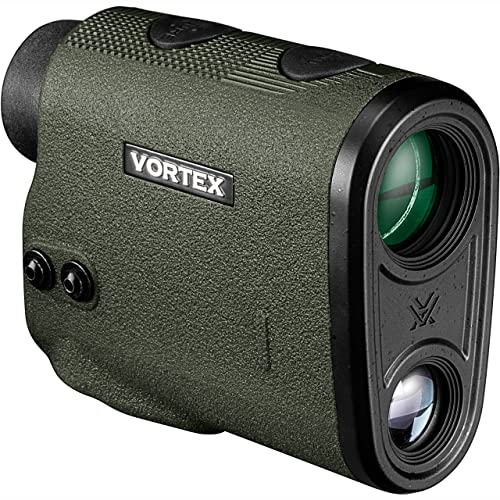
Vortex Diamondback HD 2000Rangefinder More specs
| — | 2,000 ydlisting | 7 xlisting | Yeslisting | Check price |
Bushnell Bone Collector 1800 6x25Rangefinder | — | 1,800 ydlisting | 6 xlisting | Yeslisting | Check price |
Sig Sauer Buckmasters 1800Rangefinder More specs
| — | 1,800 ydlisting | 6 xlisting | — | Check price |
Vortex Sonora HD 1800Rangefinder | — | 1,800 ydlisting | 6 xlisting | Yeslisting | Check price |
Nikon Forestry Pro II 16703Rangefinder | — | 1,750 ydlisting | — | — | Check price |
Nikon Forestry Pro II 6x21Rangefinder | — | 1,750 ydlisting | 6 xlisting | Yeslisting | Check price |
Athlon Optics Midas 1 Mile Laser RangefinderRangefinder | — | 1,700 ydlisting | — | — | Check price |
Aofar HX1600Rangefinder | — | 1,600 ydlisting | 7 xlisting | Yeslisting | Check price |
Nikon Laser 30Rangefinder More specs
| — | 1,600 ydlisting | 6 xlisting | Yeslisting | Check price |
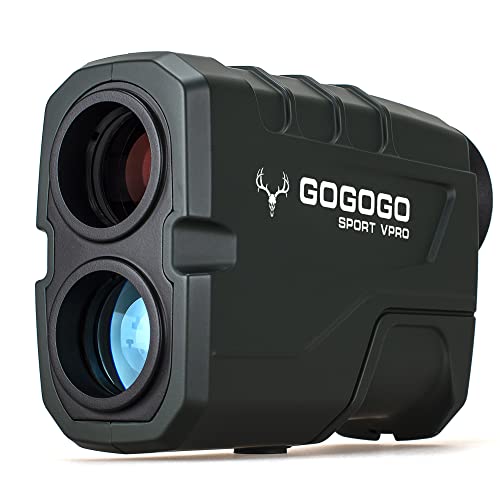
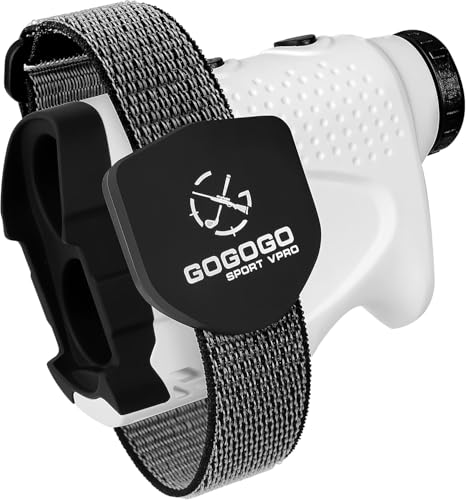
Gogogo Sport Vpro Vpro Rangefinder with Slope 2500 YardsRangefinder More specs
| — | 1,500 ydlisting | 7 xlisting | — | Check price |
Wosports Golf/Hunting Rangefinder 1500Rangefinder More specs
| — | 1,500 ydlisting | 7 xlisting | Yeslisting | Check price |
Leupold RX-1400i TBR/W Gen 2Rangefinder More specs
| — | 1,400 ydlisting | — | Yeslisting | Check price |
Vortex Crossfire HD 1400Rangefinder More specs
| — | 1,400 ydlisting | 5 xlisting | Yeslisting | Check price |
Bushnell G-Force 1300 ARC 201965Rangefinder More specs
| — | 1,300 ydlisting | 6 xlisting | Yeslisting | Check price |
Aofar HX-1200TRangefinder More specs
| 4.8 x 2.8 x 1.7listing | 1,200 ydlisting | 6 xlisting | Yeslisting | Check price |
Bushnell Legend 6x24 1200ydRangefinder | — | 1,200 ydlisting | 6 xlisting | Yeslisting | Check price |
Gogogo Sport Vpro Vpro GS24Rangefinder | — | 1,200 ydlisting | 7 xlisting | Yeslisting | Check price |
Gogogo Sport Vpro Vpro Green Rangefinder 1200 YardsRangefinder More specs
| — | 1,200 ydlisting | 6 xlisting | Yeslisting | Check price |
Gogogo Sport Vpro Vpro GS06Rangefinder More specs
| — | 1,200 ydlisting | 6 xlisting | Yeslisting | Check price |
Gogogo Sport Vpro Vpro Magnetic Rangefinder with SlopeRangefinder More specs
| — | 1,200 ydlisting | 6 xlisting | Yeslisting | Check price |
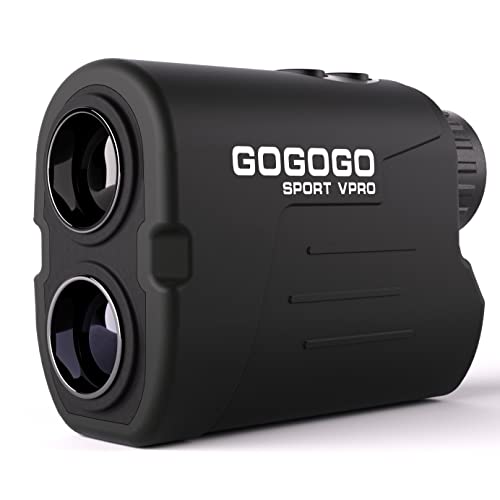
Gogogo Sport Vpro Vpro Rechargeable Rangefinder 1200 YardsRangefinder More specs
| — | 1,200 ydlisting | — | — | Check price |










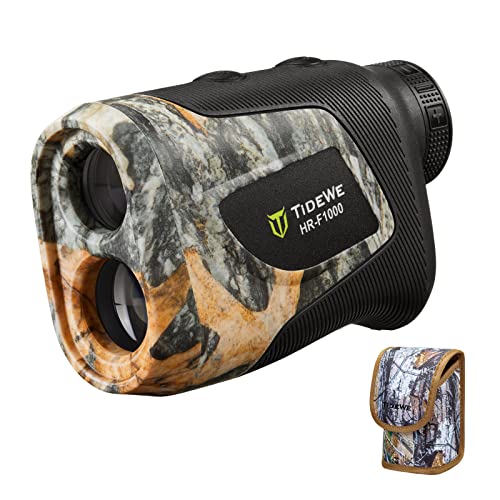
Mossy Oak Hunting Rangefinder 1200YRangefinder More specs
| — | 1,200 ydlisting | 6 xlisting | — | Check price |
|---|---|---|---|---|---|
Wosports L-16 Rangefinder 1200Rangefinder More specs
| — | 1,200 ydlisting | — | Yeslisting | Check price |
Wosports Hunting Rangefinder 1200Rangefinder More specs
| — | 1,200 ydlisting | 6 xlisting | Yeslisting | Check price |
Aofar GX-2S PRORangefinder | — | 1,000 ydlisting | 6 xlisting | Yeslisting | Check price |
Aofar HX1000Rangefinder | 4.3 x 3 x 1.8listing | 1,000 ydlisting | — | Yeslisting | Check price |
Gogogo Sport Vpro Vpro GS03Rangefinder | — | 1,000 ydlisting | 6 xlisting | Yeslisting | Check price |
Nikon PROSTAFF 1000i 6x20Rangefinder | 3.6 x 2.9 x 1.5listing | 1,000 ydlisting | 6 xlisting | Yeslisting | Check price |
Nikon PROSTAFF 1000 6x20 BundleRangefinder | — | 1,000 ydlisting | 6 xlisting | — | Check price |
Revasri Hunting Rangefinder 1000 YardsRangefinder More specs
| — | 1,000 ydlisting | 6.5 xlisting | Yeslisting | Check price |
TenPoint Align 1000Rangefinder More specs
| — | 1,000 ydlisting | 6 xlisting | Yeslisting | Check price |
Gogogo Sport Vpro Vpro Rangefinder 900 YardsRangefinder | — | 900 ydlisting | 6 xlisting | Yeslisting | Check price |
Bushnell Bone Collector 850Rangefinder | — | 850 ydlisting | 6 xlisting | Yeslisting | Check price |
Vortex Triumph HD 850Rangefinder More specs
| — | 850 ydlisting | 5 xlisting | Yeslisting | Check price |
Athlon Optics Talos 800YRangefinder | — | 800 ydlisting | — | Yeslisting | Check price |
TenPoint Align 800Rangefinder More specs
| — | 800 ydlisting | 6 xlisting | Yeslisting | Check price |
Wosports H-100 RangefinderRangefinder | — | 800 ydlisting | 6 xlisting | Yeslisting | Check price |
Wosports Hunting Range FinderRangefinder More specs
| — | 800 ydlisting | — | — | Check price |
Wosports H-111 RangefinderRangefinder More specs
| — | 800 ydlisting | — | Yeslisting | Check price |
Aofar HX-700NRangefinder | — | 700 ydlisting | 6 xlisting | — | Check price |
Tidewe Hunting Rangefinder 6XRangefinder More specs
| 4.13 x 2.61 x 1.49listing | 700 ydlisting | 6 xlisting | Yeslisting | Check price |
Bushnell Custom Rangefinder 202450Rangefinder | — | 600 ydlisting | 4 xlisting | — | Check price |
Halo Optics CL400 RangefinderRangefinder | — | 500 ydlisting | 5 xlisting | — | Check price |
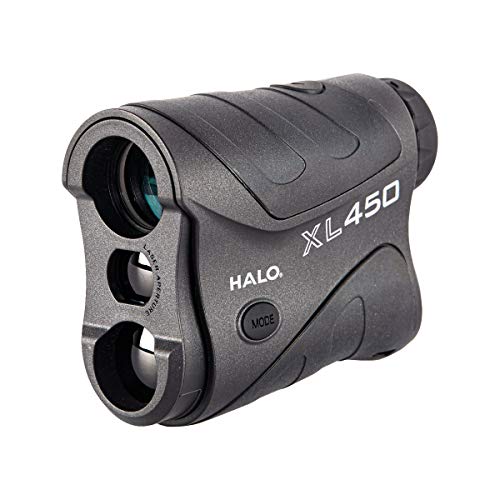
Halo Optics XL 450 RangefinderRangefinder | — | 450 ydlisting | 6 xlisting | Yeslisting | Check price |
Athlon Optics Talos G2 505003Rangefinder | — | — | — | Yeslisting | Check price |
Athlon Optics Midas 1 Mile G2 502006Rangefinder | — | — | — | — | Check price |
Bushnell 4x20 Bone Collector 202208Rangefinder | — | — | 4 xlisting | — | Check price |
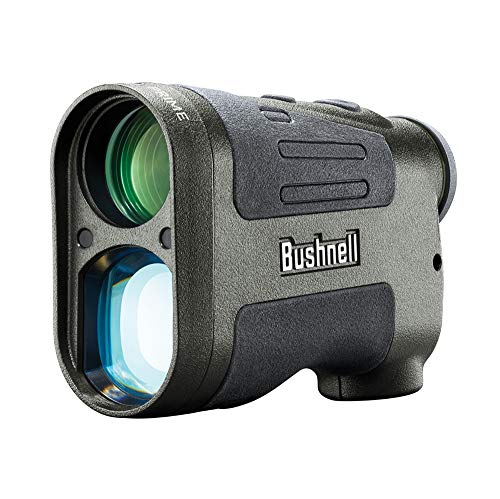
Bushnell Prime 1700 6x24Rangefinder More specs
| — | — | 6 xlisting | Yeslisting | Check price |
| — | — | — | Yeslisting | Check price | |
| — | — | — | Yeslisting | Check price | |
Leica CRF PRO 40547Rangefinder | — | — | 7 xlisting | — | Check price |
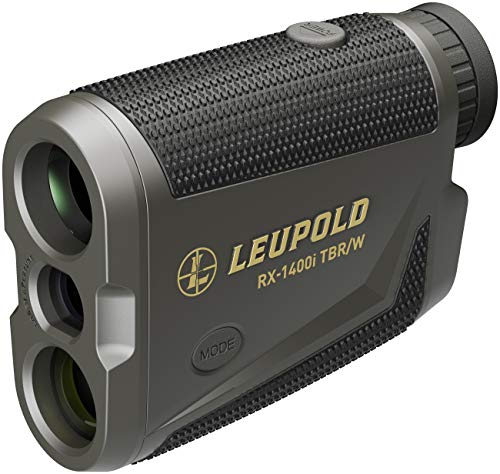
Leupold RX-1400i TBR/WRangefinder More specs
| — | — | — | Yeslisting | Check price |
Leupold RX-FullDraw 5Rangefinder More specs
| — | — | — | Yeslisting | Check price |
Maven CRF.1Rangefinder | — | — | — | — | Check price |
Muddy LR650Rangefinder | — | — | — | — | Check price |
Ravin Crossbow Laser Rangefinder 1200 ydRangefinder | — | — | — | — | Check price |
Sig Sauer Buckmasters 1500Rangefinder More specs
| — | — | 6 xlisting | — | Check price |
Sig Sauer KILO3K 6x22Rangefinder More specs
| — | — | 6 xlisting | — | Check price |
Sig Sauer Kilo2200 6x22Rangefinder | — | — | 6 xlisting | — | Check price |
Vortex Impact 4000Rangefinder | — | — | — | — | Check price |
Vortex Denali 1000Rangefinder | — | — | — | Yeslisting | Check price |














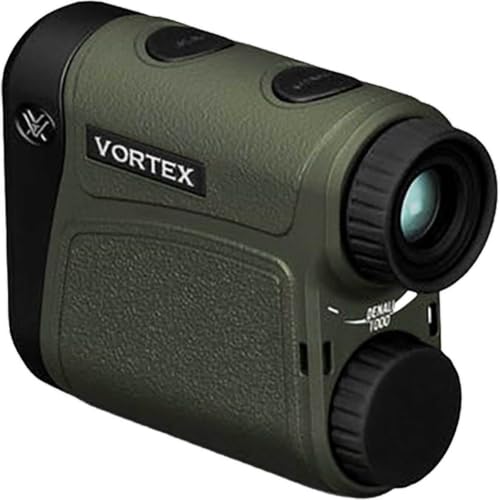
What’s in this listEvery hunting rangefinder we track on Amazon US, longest stated range first. “—” means neither the maker nor the Amazon listing states it.
What a hunting rangefinder does
A laser rangefinder fires laser pulses at whatever sits in its aiming circle and reads the ones that bounce back, per one maker's manual, then shows the distance in yards on a small display inside the eyepiece. One maker's manual says its unit needs a target at least 5 yards away, which is closer than most deer you'll ever shoot.
Hunting units add the features that matter in the woods: angle compensation for stands and hills, modes that ignore brush in front of the deer, and displays you can read in timber at first light. Golf units do the same basic job but tune it for a flagstick on an open fairway.
The table on this page lists the hunting rangefinders we track on Amazon US, longest stated range first. It shows the stated maximum range, magnification, angle compensation, bow or archery mode, display type, battery, water resistance, size, weight and pack quantity. The table uses the maker's figures first and the Amazon listing's where the maker is silent (marked as listing values). If neither states a value, you'll see a dash. That's common for bow mode.
What to look at when you pick a rangefinder for hunting
Here's what actually changes from one unit to the next, in the order I'd check it.
Angle compensation is the feature that saves stand hunters
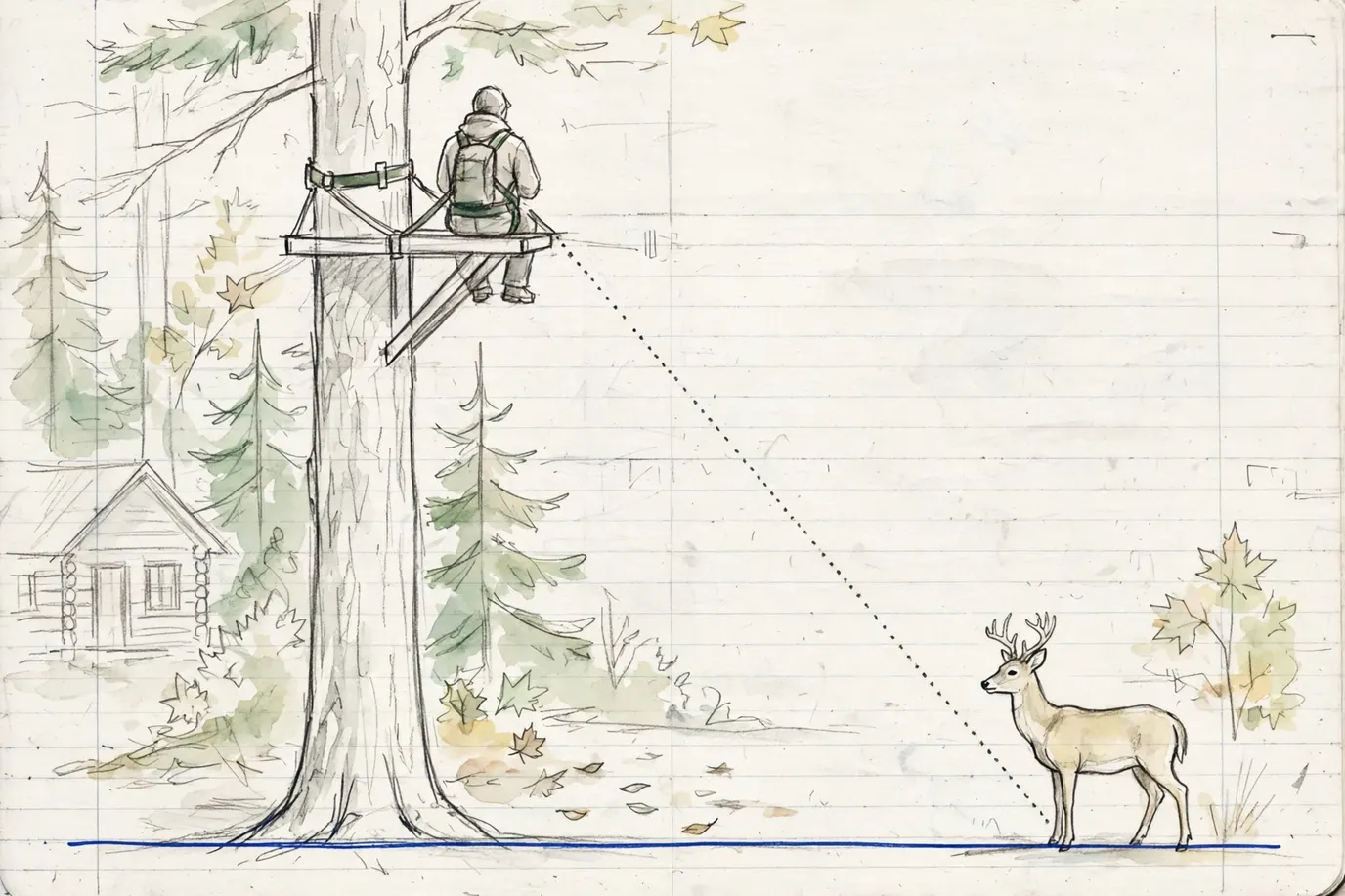
From a tree stand or a hillside, the distance along your line of sight isn't the distance your arrow or bullet drops over. What matters is the level, horizontal distance. Bowhunter's article on the topic says shooting a steep shot by line-of-sight distance makes the arrow hit high, and that for archery shots of 40 yards and under, horizontal distance is the number to use.
An angle-compensating unit measures the tilt and does the trigonometry for you. One maker's manual gives the example I wish every new bowhunter would read:
- Line of sight: 32 yards
- Angle: -52 degrees, downhill from a stand
- Horizontal distance: 23 yards
The manual's advice is to shoot it as 23. Shoot it as 32 and you go over the top of the deer. That's a 9-yard mistake from a device that was technically correct.
The Angle compensation column shows yes or no as the maker or the listing states it. Makers call it different things: horizontal distance, angle range, true ballistic range, slope. One optics maker's guide explains its version as HCD (horizontal component distance), the default mode for archers in tree stands, with LOS (line of sight) kept for rifle shooters using ballistic devices beyond 500 yards on slopes over 15 degrees.
Bow or archery mode keeps the readout simple
The Bow/archery mode column marks units with a setting built for bowhunters. In one maker's manual, Bow mode shows the line-of-sight distance, the tilt angle and the horizontal distance together, and skips the rifle holdover math. The same manual says bowhunters want horizontal distance because that's how they practice shooting.
Bowhunter adds a caution worth taking seriously: the math works very well for short archery shots, and less well the farther and steeper the shot gets. Its advice is to test the unit with your own bow and arrows on steep slopes, uphill and downhill, before you trust it there. Bowhunting-specific units have their own bow hunting rangefinder page.
Read the deer range, not the reflective maximum
The Aiming points to column shows the longest range the maker states, usually measured on a highly reflective target. Deer aren't highly reflective. A brown coat in shade sends back much less light than a road sign.
One maker's manual lists its unit at 2,000 yards on a reflective target and 500 yards to a deer. Same laser, same day, one quarter of the distance. That's normal, not a flaw. So when two units in the table differ by hundreds of yards on the maximum, it may mean nothing at bow range and only a little at rifle range.
The same manual lists accuracy in steps: within 0.3 yard from 5 to 150 yards, 0.5 yard out to 500, and 1 yard beyond that. For a bowhunter, the close-range number is the one that matters.
First target and last target modes decide what you range
In the woods, one press can hit a branch and a deer at once. Target modes choose which answer you see. That optics maker's guide lays them out:
- Normal: the strongest return. The default for most situations.
- First: the closest object. For a small target in front of something bigger or more reflective, like a deer bedded in front of rocks.
- Last: the farthest object. For a deer behind leaves, branches or brush.
One maker's manual calls the last-target setting Brush mode and the first-target setting Target mode. It also tips you to hold the button and sweep slowly across the deer, so the laser hits several things and shows the one you want. Another maker calls the same pair First Target Priority and Distant Target Priority, and says the distant setting is useful in heavily wooded areas. And it warns that the unit comes back on in whatever mode you left it in. (Check the mode in the truck. Not when the deer is standing there.)
Display type matters at the ends of the day
The Display column shows black LCD, red OLED or red LED. A black display shows dark numbers over the view. A red display lights its numbers up.
One gear review site, Outdoor Empire, found basic black LCDs on budget units nearly impossible to read in low light, and a red display easy at dawn and dusk but harder to read in bright midday sun. The same review found adjustable brightness made the red display usable across the day. Deer move at the ends of the day, so for most whitetail hunters, a readable display in low light outranks the maximum range. If you're colorblind, try a red display before you commit.
Magnification: more power, more wobble
The Magnification column shows the power of the eyepiece. The bow-focused unit in the manual I keep quoting is a 6x; the review unit Outdoor Empire looked at was a 5x. Bowhunter's article suggests higher magnification and the smallest reticle you can use if you range small targets at distance.
More power makes it easier to hold the aiming circle on a deer at long range. It also makes your hand shake look bigger. For stand and blind hunting inside 40 yards, the middle of the range is plenty.
Battery: carry the spare, it weighs nothing
The Battery column shows CR2, CR123A, built-in rechargeable or other. Several makers use a CR2 3-volt lithium cell. One maker's manual recommends replacing it at least once every 12 months, and adds a plain warning: don't use lithium batteries that are damaged or show signs of wear, because they can overheat.
A rechargeable unit saves buying cells. It also needs a charger and a habit. Pick whichever you're less likely to forget. (I keep a CR2 taped inside my release case. Nobody steals it, because nobody else knows what it is.)
Water resistance: read what the maker actually claims
The Water resistance column shows the rating or wording as stated. When it's an IP code, the second digit is water. Per one enclosure-rating explainer, 4 means spray from all directions and 7 means temporary immersion up to 1 meter. One maker's manual describes its unit as tested to IPX4 and calls it water-resistant, not waterproof.
Some units are sold as waterproof without any IP number at all; Outdoor Empire noted one it reviewed had no official IP rating. That's why the table shows the maker's own wording. Rain at the stand is normal. Dropping it in the creek is a different test.
Size and weight: it lives in your pocket or on your chest
The Size column comes from the maker where stated, and from the listing where the maker is silent. Weight comes from the maker only. A rangefinder you leave in the truck saves no hunts, so pick one you'll carry. Small units have their own compact rangefinder page, and chest pouches and harnesses are covered on the binocular harness page.
Hunting rangefinder types and when to choose which
- Bow hunting rangefinders: angle compensation and bow mode first, long range barely matters. See the bow hunting rangefinder page.
- Long-range rifle units: bigger maximums, ballistic holdover and line-of-sight modes for rifle setups.
- Compact units: the smallest and lightest; check what features were traded for size on the compact rangefinder page.
- Rangefinder binoculars: two tools in one body for open country; see rangefinder binoculars.
- Built into a sight or scope: see the rangefinder bow sight and crossbow scope rangefinder pages.
- Golf units: built to lock onto a flag instead of the trees behind it, often with a slope switch you turn off for tournaments. Fine on flat open ground, weak through brush.
Using a rangefinder from a stand
In a stand, the harness comes first and the rangefinder second. Get clipped in, get settled, then range.
- Range landmarks once you're settled: a stump, a rock, the trail crossing. Then you're not pulling the unit out while a deer walks in.
- Use the horizontal number from an angle-compensating unit.
- Switch to last target if leaves or branches sit between you and the trail.
- Practice judging: Archery 360 says to carry a rangefinder, guess the distance to things you pass, and check each guess. Its advice is to spend at least as much time judging distance as shooting.
Wear a full-body harness and stay connected to the tree from the moment you leave the ground until you're back down. The rangefinder hangs on a lanyard, not in your hand, while you climb.
One maker's manual labels its unit a Class 1 consumer laser product. It still warns not to look directly into the laser emissions for long periods with magnified lenses. Don't aim it at people.
Are rangefinders worth it for bowhunting
My one opinion on this page: rangefinders save more hunts than new bows do. The reason is the manual example above. A 9-yard error at stand height is bigger than any accuracy difference between two decent bows at 23 yards. A new bow doesn't fix a wrong number.
Rifle hunters use the same tool for a different job: setting holdover on longer shots, which is where the line-of-sight and ballistic modes in the table come in.
Who should skip a hunting rangefinder
If you hunt one ground blind where every shooting lane is already measured and marked, you may not need one this season. Same if you only still-hunt thick cover at very close range. Everyone else, especially anyone in a tree stand, should own one before they buy the next bow upgrade. Then practice with it until the number feels obvious. Walt will keep writing "close."
Brands in this list
Questions people ask
Can you use a golf rangefinder for hunting?
You can, with limits. Golf units are built to lock onto the flag rather than the trees behind it, which works like first-target priority: the closest object wins. In the woods the closest object is often a branch. Hunting units add a last-target or brush mode and angle compensation for stands. On flat, open ground a golf unit does fine.
Are rangefinders worth it for hunting?
For bowhunting, yes. Arrows drop fast, so a few yards of guessing moves your hit. One maker's manual shows a tree-stand shot at 32 yards line of sight that should be shot as 23 yards, and shooting it as 32 sends the arrow over the deer. Archery 360 also recommends using a rangefinder to check your distance guesses until your judging improves.
How far does a hunting rangefinder actually range a deer?
Less than the box says. Makers list a maximum on a reflective target, and the distance on a deer is much shorter because a deer's coat returns less laser light. One maker's manual lists 2,000 yards reflective and 500 yards to a deer on the same unit. Fog, rain and light also shorten real-world range.
What battery does a hunting rangefinder use?
Many use a CR2 3-volt lithium cell; others take a CR123A or have a built-in rechargeable battery. The Battery column shows which. One maker's manual recommends replacing its CR2 at least once every 12 months. A spare in the pack costs almost nothing in weight.
Sources
- Bushnell: R5 Broadhead 2 laser rangefinder manual (linked from bushnell.com product support page) — accessed 2026-10-22
- Bushnell: R5 Broadhead 2 rangefinder product support — accessed 2026-10-22
- Vortex Optics: How laser rangefinder modes work — accessed 2026-10-22
- Bowhunter: Understanding angle-compensating rangefinders — accessed 2026-10-22
- Archery 360 (Archery Trade Association): How to shoot 3D archery — accessed 2026-10-22
- Nikon: First Target Priority and Distant Target Priority modes — accessed 2026-10-22
- Bushnell Golf: Tour V6 / Tour V6 Shift golf rangefinder manual, PinSeeker and Slope Switch (linked from bushnellgolf.com support page) — accessed 2026-10-22
- Outdoor Empire: Rangefinder review (display readability, water resistance) — accessed 2026-10-22
- W. L. Gore & Associates: IP and NEMA ratings explained — accessed 2026-10-22